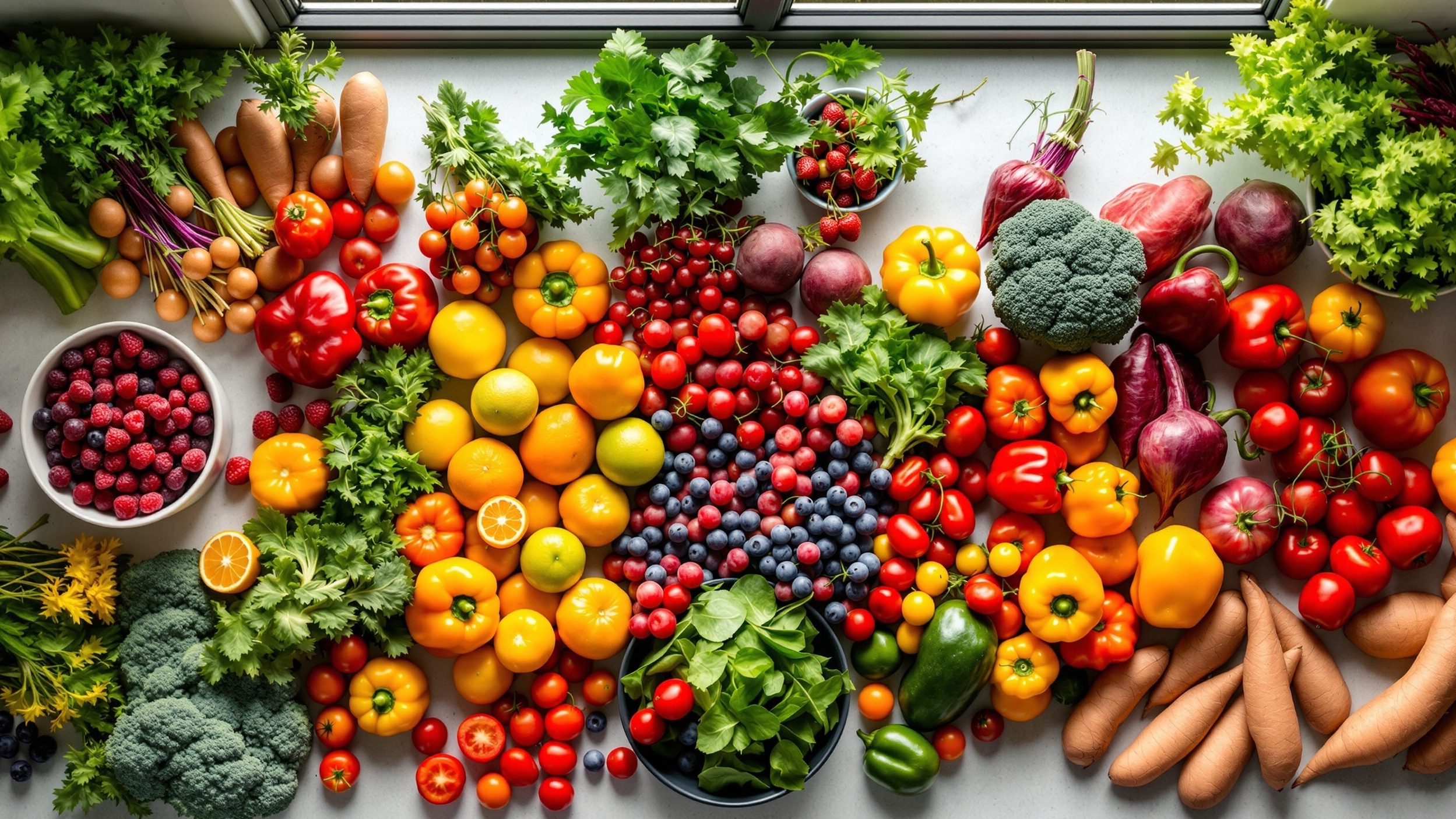
Fruits and Vegetables on Recipe Streets is your freshest lane—crisp, colorful, and absolutely overflowing with ideas. This is where sweet summer berries, roasted root veggies, leafy greens, and juicy stone fruit step out of the “side dish” shadows and become the stars of your plate. From sheet-pan suppers piled with rainbow vegetables to salads that eat like a full meal, you’ll find ways to use every carrot, tomato, and bunch of herbs you bring home. Here, we’ll show you how to shop smart, store produce so it actually gets eaten, and transform what’s in your crisper into soups, stir-fries, smoothies, and stunning desserts. You’ll learn the difference between roasting and grilling, how to balance sweetness and acidity, and why a squeeze of citrus or a sprinkle of fresh herbs can wake up any dish. Whether you’re leaning into plant-forward cooking or just trying to use up that mountain of zucchini, this sub-category turns fruits and vegetables into your favorite kitchen inspiration.
A: Wash, spin dry, and store in a container with a paper towel to absorb excess moisture.
A: Try carrots, potatoes, Brussels sprouts, cauliflower, broccoli, squash, and bell peppers.
A: Use your senses—look for bright color, gentle give when pressed, and a fragrant aroma.
A: Add a handful to eggs, sandwiches, pastas, grain bowls, and soups you already enjoy.
A: Not always; many skins add fiber and flavor—just scrub well and trim tough spots.
A: Toss slices with a little citrus juice and store covered in the fridge.
A: Yes—freeze berries and sliced fruit on trays, and blanch many vegetables before freezing.
A: Roast them with oil and seasoning, or use them in soups, stews, and blended sauces.
A: Start with salt, pepper, and a little fat, then add acid, herbs, or spices to taste.
A: Try veggie sticks with hummus, apples with nut butter, or cucumber and tomato tossed in vinaigrette.

How to Tell If Fruits and Vegetables Are Ripe
Choosing perfectly ripe fruits and vegetables can transform everyday meals into vibrant, flavorful dishes. This guide reveals the simple visual, texture, and aroma clues that help you identify peak ripeness for popular produce. From peaches and avocados to tomatoes and berries, learn how to select ingredients at their best so your salads, smoothies, and recipes taste fresher, sweeter, and more delicious every time.
Raw vs Cooked Vegetables: Which Is Healthier?
Are raw vegetables really healthier than cooked ones? Discover how cooking changes nutrients, improves absorption, and when raw vegetables provide the biggest benefits. This guide explores the science behind vegetable nutrition and shows how combining both raw and cooked foods can create the healthiest and most flavorful meals.
Seasonal Fruits and Vegetables: What to Buy Each Month
Eating seasonal fruits and vegetables transforms everyday meals into fresh, flavorful experiences. This month-by-month guide reveals what produce is at its peak throughout the year, along with simple recipe ideas that celebrate each season. From spring asparagus to summer berries and autumn apples, discover how seasonal shopping can elevate your cooking, support local farms, and make every dish taste better.

Fruits and Vegetables That Help Reduce Inflammation
Berries, leafy greens, cruciferous veggies, and citrus don’t just look vibrant—they help support a calmer, lower-inflammation lifestyle. Learn which fruits and vegetables shine most, why they matter, and easy ways to add them to meals you’ll actually crave.
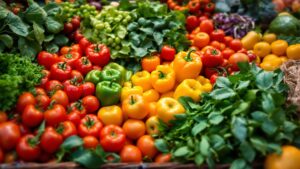
Fruits vs Vegetables: What’s the Real Difference?
Are tomatoes fruits or vegetables? The answer depends on science, cooking, and culture. This guide breaks down the real differences between fruits and vegetables—and why it matters in your kitchen and diet.
