A Deep Dive Into Nutrition, Flavor, and the Surprising Science Behind How Cooking Changes Your Vegetables
Walk through any farmers market, scroll through social media, or browse a healthy cookbook and you will quickly encounter one of the most common nutrition debates: raw vegetables versus cooked vegetables. Advocates of raw foods often claim that heat destroys vital nutrients, leaving cooked vegetables nutritionally inferior. Meanwhile, chefs, dietitians, and food scientists point out that cooking can actually unlock nutrients and make vegetables easier for the body to digest. So which is healthier? The answer is more nuanced than simply choosing one over the other. In reality, both raw and cooked vegetables have unique nutritional advantages, and understanding how preparation affects vitamins, minerals, antioxidants, and digestibility can help you get the most from your meals. Vegetables are among the most nutrient-dense foods available. They provide fiber, vitamins, minerals, and thousands of beneficial plant compounds called phytonutrients. The way these nutrients interact with heat, water, air, and digestion determines whether a vegetable is better eaten raw or cooked. By exploring the science behind cooking methods, nutrient availability, and the natural chemistry of vegetables, it becomes clear that the healthiest approach is not choosing one side of the debate, but learning how to combine both.
A: Not always. Some nutrients are higher in raw vegetables, but cooking can improve digestibility and nutrient absorption in others.
A: Steaming, roasting, and quick sautéing are popular choices because they balance flavor, texture, and nutrition.
A: Yes, some heat-sensitive nutrients can decrease, especially with long cooking times or lots of water.
A: Tomatoes, carrots, spinach, mushrooms, and sweet potatoes are often excellent choices for cooking.
A: Cucumbers, bell peppers, lettuce, radishes, and many salad greens are often enjoyed at their best raw.
A: Often yes, because steaming usually causes less nutrient loss into water.
A: Absolutely. A salad with roasted vegetables is a great way to enjoy both nutrition and texture.
A: Cooking softens fiber and plant structure, which can make vegetables gentler to digest.
A: Eating some raw vegetables daily can be great, but balance is usually more helpful than an all-raw approach.
A: Eat more vegetables overall, and use a mix of raw and cooked preparations to get the widest range of benefits.
What Happens to Vegetables When They Are Cooked
Cooking vegetables triggers a variety of physical and chemical changes that affect texture, flavor, and nutrition. Heat softens plant cell walls, alters certain nutrients, and can enhance the release of compounds that the body uses for protection and repair.
Plant cells are built from tough structural components made primarily of cellulose. When vegetables are raw, these cell walls remain rigid, which gives vegetables their crisp texture. Cooking breaks down these structures, making vegetables softer and often easier to chew and digest. This breakdown also affects nutrients. Some vitamins, particularly vitamin C and certain B vitamins, are sensitive to heat and may degrade during cooking. On the other hand, other nutrients become more available to the body once the cell walls soften.
For example, tomatoes contain lycopene, a powerful antioxidant linked to heart health and reduced cancer risk. Studies have shown that cooking tomatoes increases the amount of lycopene the body can absorb. Similarly, carrots release more beta-carotene after being cooked, which the body converts into vitamin A. Cooking also enhances flavors through processes such as caramelization and Maillard reactions, which create deeper, richer tastes that many people enjoy.
Nutrients That Thrive in Raw Vegetables
Raw vegetables maintain their full supply of heat-sensitive nutrients. Certain vitamins and enzymes remain intact when vegetables are consumed in their natural state, which is one reason many people incorporate raw foods into their diet.
- Vitamin C is one of the most delicate nutrients found in vegetables. It plays a crucial role in immune function, collagen production, and antioxidant protection. Because vitamin C is sensitive to heat and water, cooking can reduce its levels in foods such as bell peppers, broccoli, and spinach.
- Folate, a B vitamin essential for cell growth and DNA production, is another nutrient that can diminish during cooking. Raw leafy greens such as spinach, arugula, and romaine lettuce often provide higher folate levels when eaten fresh.
- Enzymes are another component frequently discussed in raw food circles. These natural proteins assist with chemical reactions in plants, and some believe they support digestion when consumed. However, the human body also produces its own digestive enzymes, so the nutritional significance of plant enzymes remains debated among scientists.
In many cases, raw vegetables also provide maximum crunch and freshness, which can make them more appealing as snacks and salads.
Nutrients That Improve With Cooking
While certain vitamins decline with heat, other nutrients become more bioavailable when vegetables are cooked. Bioavailability refers to how easily nutrients are absorbed and used by the body.
Cooking can significantly improve the availability of antioxidants such as lycopene, beta-carotene, and lutein. These compounds help combat oxidative stress and support long-term health.
Carrots are a well-known example. When cooked, the beta-carotene contained within the carrot’s cell walls becomes easier for the body to absorb. Similarly, cooked spinach provides more accessible iron and calcium than its raw counterpart because heat reduces compounds that inhibit absorption.
Tomatoes demonstrate another striking example. Heating tomatoes breaks down their cellular structure, increasing the concentration of lycopene and making it easier for the body to utilize.
Cooking also reduces certain naturally occurring compounds that may interfere with nutrient absorption. For instance, cruciferous vegetables like broccoli and kale contain substances called goitrogens, which can affect thyroid function in very large amounts. Cooking reduces these compounds.
How Cooking Improves Digestibility
Beyond nutrient absorption, cooking vegetables often makes them easier to digest. Raw vegetables contain high amounts of fiber and complex carbohydrates that can be difficult for some people to break down.
Heat softens plant fibers and partially breaks down starches, allowing digestive enzymes to work more efficiently. This process can reduce bloating or discomfort that some people experience when consuming large quantities of raw vegetables.
For individuals with sensitive digestive systems, lightly cooking vegetables may significantly improve tolerance. Roasting, steaming, or sautéing vegetables can preserve many nutrients while making them gentler on the stomach.
Cooking also plays a role in food safety. Certain vegetables, such as mushrooms or sprouts, may harbor bacteria that are reduced through heat.
The Best Cooking Methods for Vegetables
Not all cooking methods affect vegetables the same way. The method used can determine how many nutrients remain in the final dish.
- Steaming is often considered one of the healthiest techniques because it minimizes nutrient loss while softening vegetables. Since the vegetables do not sit in water, fewer water-soluble vitamins escape during cooking.
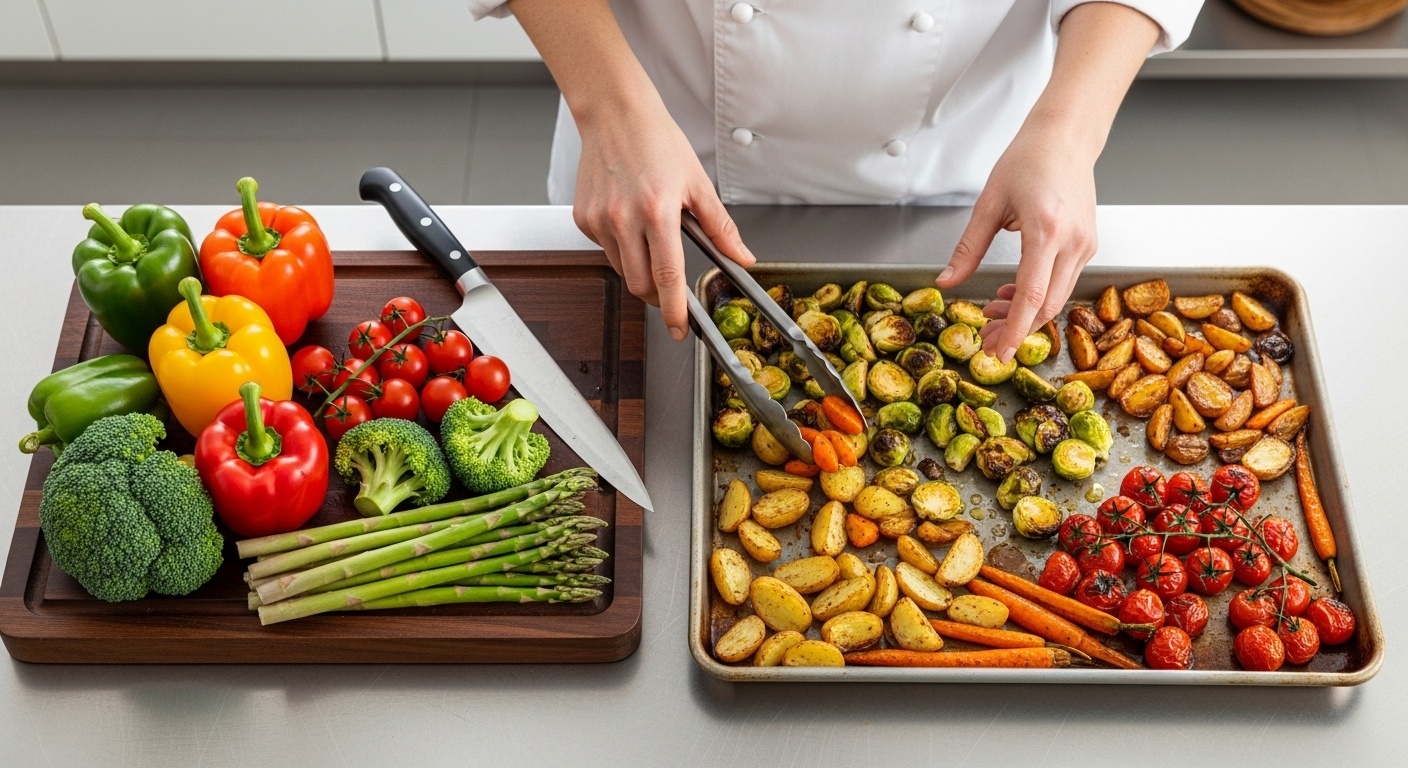
- Roasting vegetables in the oven can enhance flavor while preserving many nutrients. The dry heat caramelizes natural sugars, creating a rich taste without excessive nutrient loss.
- Sautéing vegetables quickly in a small amount of oil can also be beneficial. Healthy fats help the body absorb fat-soluble vitamins such as vitamins A, D, E, and K.
- Boiling vegetables, however, can cause more nutrients to leach into the cooking water. While the vegetables remain healthy, some vitamins may be lost unless the cooking liquid is used in soups or sauces.
The key is balance. Using a variety of cooking methods ensures both flavor and nutritional diversity.
Vegetables That Are Often Better Raw
Some vegetables naturally shine when eaten raw because they contain delicate nutrients that degrade during cooking.
Bell peppers, cucumbers, radishes, and leafy greens such as lettuce maintain their refreshing crunch and vitamin content when eaten fresh. These vegetables also contribute hydration because of their high water content.
Raw cruciferous vegetables such as broccoli and cauliflower provide compounds known as glucosinolates, which may support detoxification and cellular health. While cooking still preserves many benefits, raw consumption may provide slightly higher levels of these compounds.
Salads and fresh vegetable platters are simple ways to incorporate raw vegetables into daily meals.
Vegetables That Benefit From Cooking
Other vegetables reveal their full nutritional potential when exposed to heat.
Tomatoes, carrots, spinach, asparagus, and mushrooms often become more nutrient-dense after cooking. Cooking breaks down tough fibers and releases antioxidants that the body can better absorb.
Sweet potatoes are another example. Cooking them transforms complex starches into softer forms that are easier to digest while also increasing the availability of beta-carotene.
Even vegetables commonly eaten raw, such as broccoli, can benefit from gentle cooking methods like steaming, which enhances digestibility while preserving nutrients.
A Balanced Plate: Combining Raw and Cooked Vegetables
The healthiest diet rarely relies on extremes. Rather than choosing exclusively raw or cooked vegetables, the most beneficial approach is to include both.
Raw vegetables contribute freshness, hydration, and heat-sensitive nutrients. Cooked vegetables offer improved digestibility and enhanced availability of certain antioxidants.
A balanced meal might include a fresh salad alongside roasted vegetables or lightly sautéed greens paired with crunchy raw carrots and cucumbers.
Variety not only maximizes nutritional benefits but also keeps meals exciting and flavorful.
Simple Recipe: Warm Roasted Vegetable Bowl With Fresh Garden Salad
One easy way to enjoy the benefits of both raw and cooked vegetables is by combining them in a single meal.
Start by roasting a mixture of vegetables such as carrots, zucchini, bell peppers, and sweet potatoes in the oven with olive oil, sea salt, and black pepper. Roast them until they become tender and lightly caramelized.
While the vegetables roast, prepare a fresh salad using spinach, arugula, sliced cucumbers, shredded carrots, and cherry tomatoes.
Serve the warm roasted vegetables over quinoa or brown rice and add the crisp salad on top. Finish with a light vinaigrette made from olive oil, lemon juice, and a touch of honey.
This dish delivers the benefits of raw greens alongside nutrient-rich cooked vegetables, creating a balanced and satisfying meal.
The Role of Personal Preference and Lifestyle
Nutrition science provides valuable insights, but personal preference and lifestyle also play important roles in healthy eating.
Some people enjoy the crisp texture and refreshing taste of raw vegetables, while others prefer the comforting flavors of roasted or sautéed dishes. Cultural traditions, cooking skills, and available ingredients all influence how vegetables are prepared.
For busy households, roasting vegetables in large batches can make meal preparation easier throughout the week. For those who prefer lighter meals, salads and fresh vegetable bowls provide quick and nutritious options.
The most sustainable diet is one that people enjoy and maintain consistently.
Which Is Healthier?
So, are raw vegetables healthier than cooked vegetables? The truth is that both offer powerful health benefits. Raw vegetables preserve delicate vitamins and enzymes, while cooking can unlock antioxidants and improve nutrient absorption. The healthiest strategy is to include a wide range of vegetables prepared in different ways. By combining raw and cooked vegetables in your meals, you can maximize nutritional value, enhance flavor, and support long-term health. Vegetables remain one of the most important foundations of a healthy diet, regardless of how they are prepared. Whether crisp and fresh or warm and caramelized, they nourish the body with essential nutrients that help people thrive.