A Fresh Guide to Eating With the Seasons All Year Long
Eating fruits and vegetables at their seasonal peak is one of the simplest ways to transform everyday meals into vibrant, flavorful experiences. Produce harvested at the right time tends to taste better, contain more nutrients, and often cost less than items shipped across the world out of season. When strawberries are picked during their natural harvest window, they burst with sweetness. When tomatoes ripen under summer sunlight, their flavor is unmatched by their winter counterparts. For home cooks, seasonal eating also sparks creativity in the kitchen. Each month introduces new ingredients, inspiring fresh recipes and cooking ideas. Instead of relying on the same produce year-round, seasonal shopping encourages variety, color, and culinary adventure. In this guide, we’ll explore which fruits and vegetables are typically in season throughout the year, along with cooking ideas and simple recipes that highlight their natural flavors. By the end, you’ll have a month-by-month roadmap for filling your kitchen with fresh ingredients and creating meals that celebrate the rhythm of the seasons.
A: They usually taste better, cost less, and arrive fresher than out-of-season produce.
A: Not always, but local farms are often the clearest source of truly seasonal food in your area.
A: Check farmers markets, local farm guides, produce displays, and regional harvest calendars.
A: Yes—watch for lower prices, larger displays, and better-looking produce during peak harvest times.
A: Pick one featured fruit or vegetable each week and build meals around it.
A: Freeze, pickle, roast, jam, or batch-cook it so you can enjoy it later.
A: Yes—many are frozen near peak ripeness and can be excellent for smoothies, soups, and side dishes.
A: Spring and summer are classic, but fall and winter salads shine with kale, citrus, apples, and roasted vegetables.
A: Store delicate berries dry and cold, keep potatoes and onions cool and dark, and refrigerate greens promptly.
A: Absolutely—swap produce by texture and flavor, such as asparagus for green beans or peaches for apples.
Why Seasonal Produce Matters
Seasonal produce doesn’t just taste better—it supports healthier diets, local farmers, and more sustainable food systems. When fruits and vegetables are harvested at peak ripeness, they retain more vitamins and antioxidants compared to produce that travels long distances or ripens during transport.
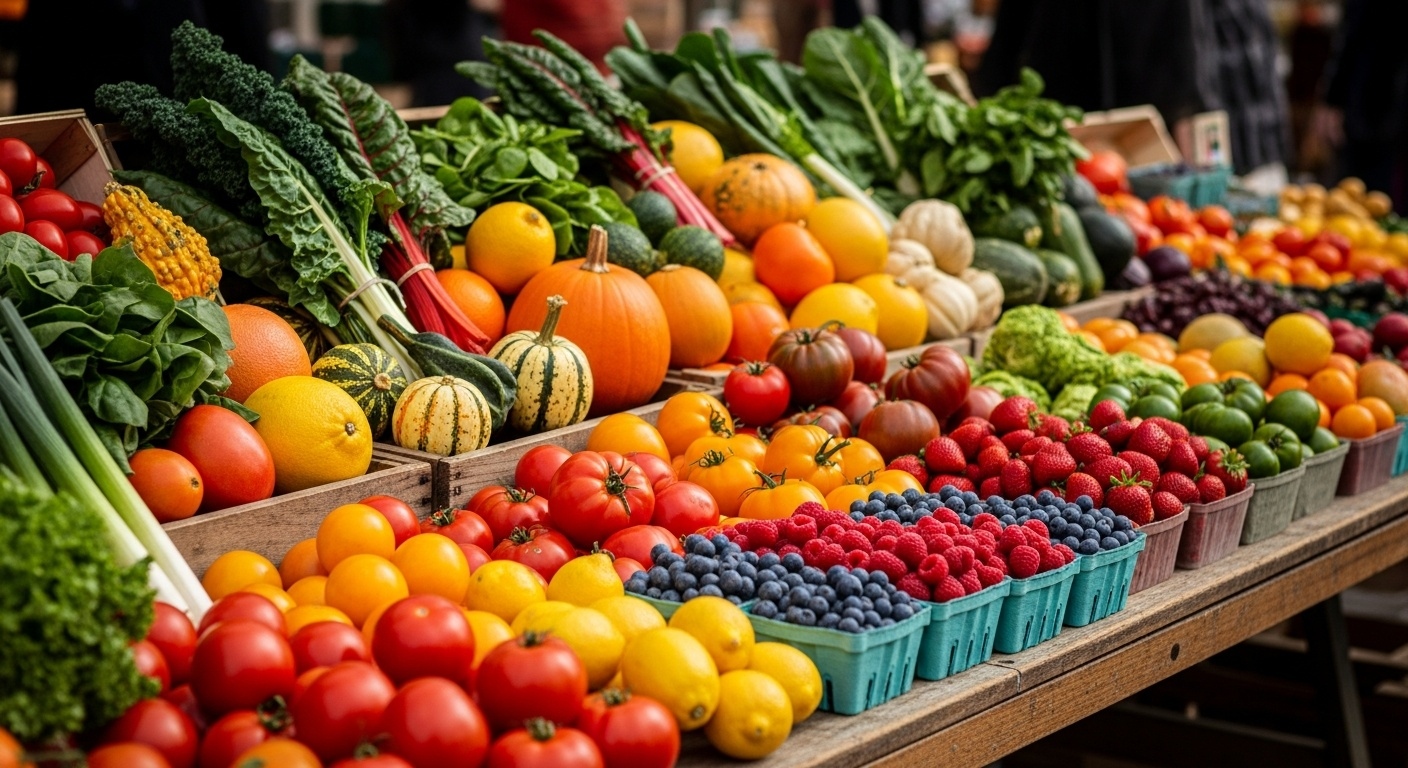
Local farms often harvest produce at the moment it’s ready rather than before it ripens. That difference can dramatically affect flavor. Anyone who has tasted a sun-warmed tomato from a summer farmers market understands the magic of seasonal food. Buying seasonally can also be more affordable. When crops are plentiful, prices tend to drop because supply increases. During summer, berries and stone fruits often become significantly cheaper than they are during colder months.
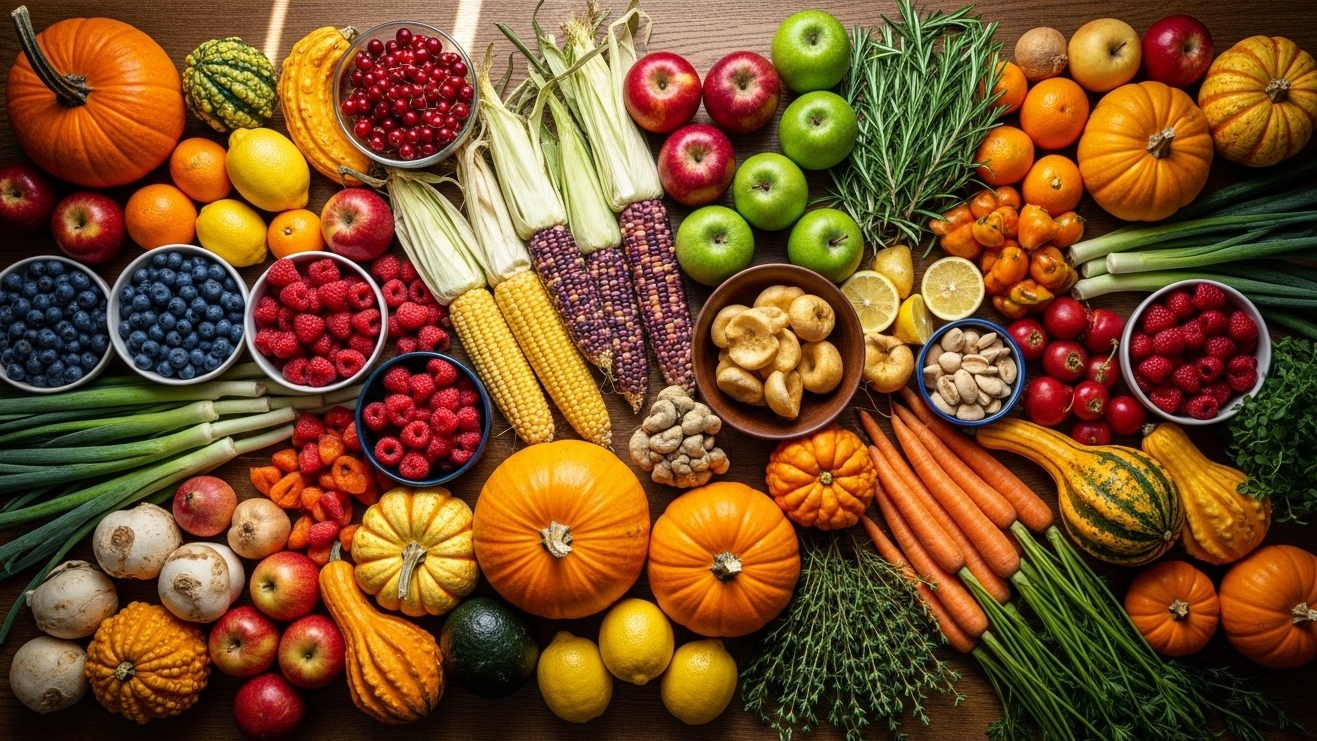
Seasonal eating also connects people with the natural cycle of the year. Instead of seeing produce as identical items on grocery shelves, it becomes part of a living calendar. Spring brings crisp greens and asparagus. Summer explodes with berries and tomatoes. Autumn celebrates squash and apples. Winter highlights hearty roots and citrus.
Winter Produce (January–February)
Winter may seem like a quiet time for produce, but many vegetables and fruits thrive in cold weather. Root vegetables store well after harvest, and citrus fruits reach their peak sweetness during the colder months.
Common winter vegetables include carrots, sweet potatoes, parsnips, cabbage, Brussels sprouts, and winter squash. Citrus fruits such as oranges, grapefruits, lemons, and mandarins also dominate winter markets.
These ingredients are perfect for warming dishes that nourish during colder weather.
Recipe Idea: Roasted Winter Vegetable Medley
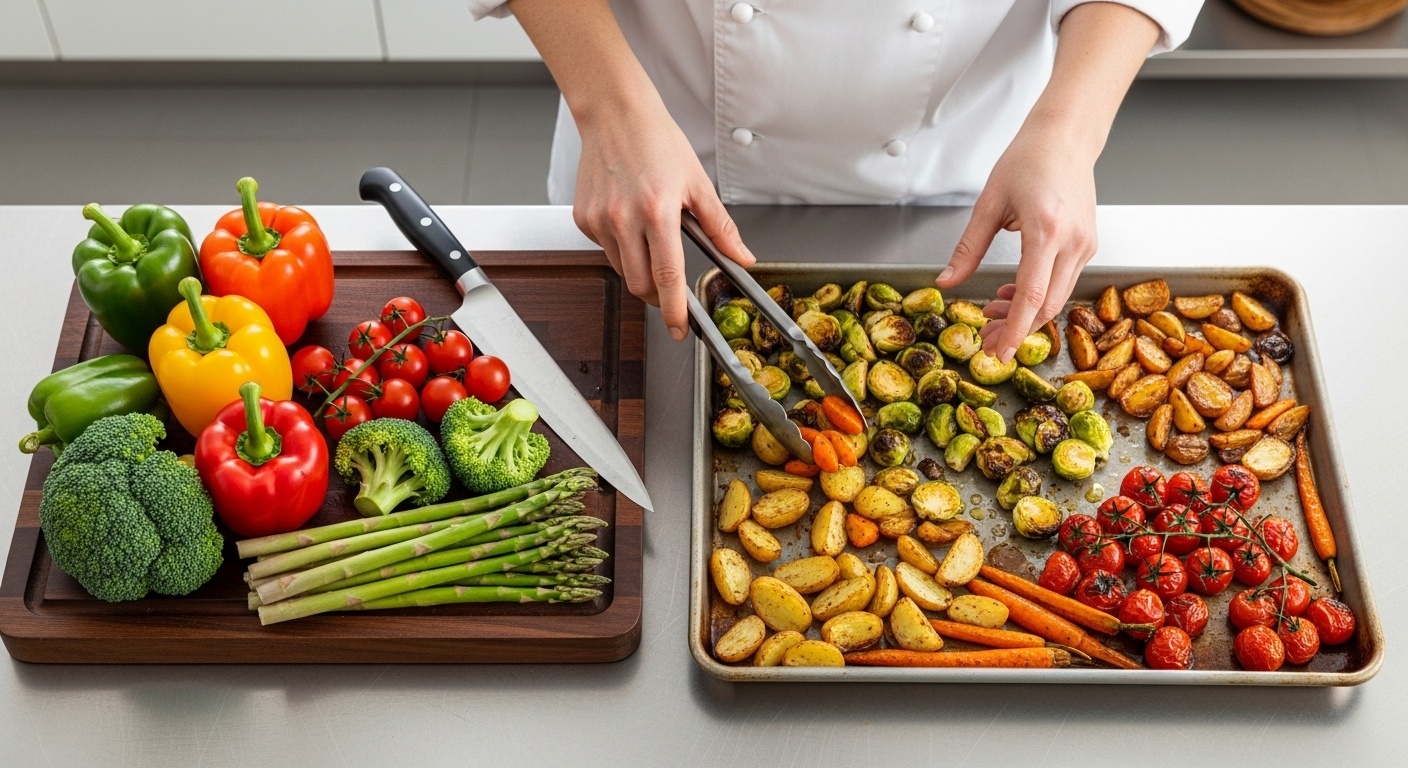
Roasting root vegetables is one of the best ways to bring out their natural sweetness. Toss chopped carrots, sweet potatoes, parsnips, and Brussels sprouts with olive oil, garlic, salt, and pepper. Spread them across a baking sheet and roast until caramelized and tender. Finish with fresh herbs like rosemary or thyme.
The result is a colorful dish that pairs beautifully with roasted meats or stands alone as a hearty vegetarian meal.
Early Spring Produce (March–April)
As winter fades, early spring brings lighter, greener vegetables back to the table. This period introduces crisp flavors and tender textures that mark the transition to warmer weather.
Popular early spring vegetables include asparagus, peas, radishes, spinach, arugula, and artichokes. Strawberries also begin appearing in some regions during late spring.
Spring produce tends to shine in simple preparations that highlight freshness.
Recipe Idea: Spring Asparagus and Lemon Pasta
Cook pasta until al dente while sautéing fresh asparagus pieces in olive oil and garlic. Toss the asparagus with pasta, lemon zest, fresh lemon juice, grated Parmesan cheese, and cracked black pepper. Finish with chopped parsley.
This bright and refreshing dish captures the essence of spring in a bowl.
Late Spring Produce (May)
Late spring offers a broader variety of fruits and vegetables as farms transition into the growing season. Fresh herbs flourish, leafy greens multiply, and berries start appearing in abundance.
Strawberries, cherries, peas, lettuce, Swiss chard, and green onions often reach peak quality during this month.
Meals during this time tend to be lighter and more vibrant as fresh salads and vegetable-forward dishes return to the menu.
Recipe Idea: Strawberry Spinach Salad
Combine fresh spinach leaves with sliced strawberries, toasted almonds, and crumbled goat cheese. Drizzle with a simple balsamic vinaigrette made from olive oil, balsamic vinegar, honey, and Dijon mustard.
The sweet berries, tangy cheese, and crisp greens create a refreshing springtime salad perfect for warm afternoons.
Early Summer Produce (June)
June marks the beginning of one of the most exciting seasons for fresh produce. Farmers markets start overflowing with colorful fruits and vegetables as the weather warms.
Berries take center stage, including blueberries, raspberries, and blackberries. Vegetables like zucchini, cucumbers, and snap peas also appear in abundance.
These ingredients work beautifully in fresh dishes that celebrate summer’s natural sweetness.
Recipe Idea: Fresh Berry Yogurt Parfait
Layer Greek yogurt with mixed berries and granola in a tall glass. Drizzle honey over the top and finish with fresh mint leaves.
This simple breakfast or dessert highlights the flavor of freshly harvested berries without complicated preparation.
Peak Summer Produce (July–August)
Summer is the height of the produce season, when gardens and farms overflow with color and flavor. Tomatoes, corn, peaches, melons, peppers, and eggplant dominate markets.
These ingredients are ideal for grilling, fresh salads, and simple dishes that let their natural taste shine.
Recipe Idea: Classic Summer Tomato and Basil Salad
Slice ripe tomatoes and arrange them on a serving plate. Add fresh basil leaves, drizzle with olive oil, and sprinkle with sea salt and cracked pepper. Finish with mozzarella slices if desired. This timeless dish captures the heart of summer with minimal effort.
Another summer favorite is grilled corn brushed with butter and lime juice, topped with chili powder and cheese for a street-style twist.
Early Autumn Produce (September)
As summer transitions to fall, markets begin featuring apples, pears, pumpkins, and winter squash. Tomatoes and peppers still linger in early autumn, allowing for a blend of summer and fall flavors.
September is an ideal time for baking and hearty comfort foods that celebrate the harvest.
Recipe Idea: Baked Apples with Cinnamon
Core fresh apples and fill them with a mixture of oats, brown sugar, butter, cinnamon, and chopped nuts. Bake until soft and fragrant. Served warm, baked apples capture the comforting flavors of autumn.
Mid-Autumn Produce (October)
October introduces deeper, richer flavors. Pumpkins, sweet potatoes, cranberries, and hearty greens such as kale become staples.
This is the season of soups, stews, and roasted vegetables.
Recipe Idea: Creamy Pumpkin Soup
Sauté onions and garlic in olive oil, then add pumpkin puree, vegetable broth, and warming spices like nutmeg and cinnamon. Simmer until the flavors blend, then finish with cream or coconut milk.
Serve with crusty bread for a cozy autumn meal.
Late Autumn Produce (November)
As winter approaches, root vegetables and hardy greens take center stage. Brussels sprouts, carrots, turnips, and beets become common ingredients.
These vegetables are perfect for roasting or incorporating into holiday meals.
Recipe Idea: Maple Roasted Brussels Sprouts
Toss halved Brussels sprouts with olive oil, maple syrup, salt, and pepper. Roast until crispy and caramelized.
This sweet and savory dish pairs beautifully with roasted meats or plant-based entrées.
Holiday Season Produce (December)
December combines the hearty vegetables of late fall with the bright citrus fruits of winter. Oranges, pomegranates, kale, and squash often appear in seasonal dishes.
Holiday cooking frequently blends sweet and savory flavors using seasonal ingredients.
Recipe Idea: Pomegranate Citrus Salad
Combine orange slices, pomegranate seeds, arugula, and toasted walnuts. Drizzle with olive oil and a splash of fresh lemon juice.
The vibrant colors and bright flavors make this salad perfect for festive gatherings.
Tips for Shopping Seasonal Produce
Choosing seasonal fruits and vegetables becomes easier with a few simple habits. Visiting local farmers markets is one of the best ways to discover what is currently in season. Farmers usually sell produce harvested within the past day or two, which means maximum freshness.
Another helpful approach is to notice price trends in grocery stores. When a certain fruit or vegetable suddenly becomes cheaper and more abundant, it is often entering its peak season.
Seasonal cooking also benefits from flexibility. Instead of planning meals around a fixed ingredient list, many chefs start with what is freshest and build dishes around it.
Freezing, pickling, and preserving produce can extend the life of seasonal ingredients as well. Summer berries can be frozen for smoothies, while cucumbers can become pickles that last for months.
Bringing Seasonal Cooking Into Everyday Life
Adopting a seasonal approach to fruits and vegetables doesn’t require a dramatic lifestyle change. Even small shifts can make a big difference in flavor and nutrition.
Start by focusing on one or two seasonal ingredients each week. If peaches are abundant, try incorporating them into desserts, salads, and breakfast dishes. When winter squash appears, experiment with soups, roasted sides, and pasta dishes.
Seasonal cooking also invites creativity. Each ingredient has its own character and culinary potential. By rotating produce throughout the year, meals remain exciting and diverse.
The true joy of seasonal food lies in anticipation. Strawberries taste sweeter after months without them. Fresh tomatoes feel like a celebration after winter’s long wait.
By following the natural rhythm of the harvest, every month offers something delicious to discover.
Final Thoughts
Seasonal fruits and vegetables offer a powerful combination of flavor, nutrition, and sustainability. From bright spring greens to juicy summer berries, crisp autumn apples, and winter citrus, each month brings a unique collection of ingredients ready to inspire the kitchen.
Cooking with seasonal produce doesn’t just improve meals—it connects people with the natural cycle of food and agriculture. Farmers, gardeners, and home cooks all participate in this timeless rhythm.
Whether you’re roasting winter vegetables, tossing a summer tomato salad, or baking autumn apples, seasonal produce transforms simple recipes into memorable dishes.
By paying attention to what grows best each month, you’ll unlock a year of vibrant flavors and endless culinary possibilities.