Why Ripeness Matters More Than You Think
Few kitchen disappointments compare to biting into an underripe peach or discovering that the avocado you planned for dinner is rock hard. Ripeness is the secret ingredient behind the best fruits and vegetables. When produce reaches peak ripeness, flavors deepen, textures soften, and natural sugars develop. Nutritional value can also improve as fruits and vegetables mature on the plant. Understanding ripeness is especially valuable for home cooks who want to elevate everyday meals. Perfectly ripe tomatoes make sauces richer. Sweet mangoes transform smoothies into tropical treats. Crisp cucumbers bring salads to life. When produce is picked at its ideal moment, cooking becomes easier and flavors become more vibrant. The challenge is that every fruit and vegetable ripens differently. Some change color dramatically, while others rely more on scent or texture to signal readiness. Learning these signs is like acquiring a culinary superpower. With a little practice, you can walk through any produce market and instinctively choose the best ingredients.
A: Start with color, then check for a gentle give and a pleasant natural aroma.
A: No. Bananas, avocados, and peaches do, but berries, grapes, and citrus do not improve much after harvest.
A: Yes. Place certain fruits in a paper bag, especially with an apple or banana, to trap ethylene gas.
A: Usually wait until it is ripe, then chill it to slow further softening and spoilage.
A: Use it in smoothies, sauces, muffins, jams, pancakes, or dressings instead of throwing it away.
A: Avocados can ripen unevenly, especially if they were stored too cold or harvested early.
A: Not always. Small surface marks can be harmless, but deep bruises or leaking spots usually mean quality has dropped.
A: Buy a mix of ready-to-eat items and firmer ones that will ripen over the next few days.
A: Yes. Many vegetables taste best when firm, glossy, crisp, and not oversized or dried out.
A: It affects sweetness, acidity, juiciness, texture, and overall flavor, which can change the final dish dramatically.
The Science Behind Ripening
Ripening is a natural biological process that changes the structure and chemistry of fruits and vegetables. During ripening, starches convert to sugars, acids soften, and aromatic compounds develop. This transformation creates the sweet flavors and appealing textures we associate with ripe produce.
A key factor in ripening is a plant hormone called ethylene. Many fruits produce ethylene as they mature, which triggers the ripening process. Apples, bananas, avocados, and tomatoes are well-known ethylene producers. That is why placing an unripe avocado next to a banana can speed up its ripening.
Some fruits continue ripening after harvest. These are known as climacteric fruits and include bananas, peaches, pears, and avocados. Others must ripen fully on the plant and will not improve much once picked. Grapes, strawberries, and citrus fruits fall into this category.
Knowing which fruits continue ripening helps guide your shopping strategy. If you want to eat something immediately, select a ripe option. If you are planning meals for later in the week, slightly underripe produce may be the smarter choice.
Visual Clues That Signal Ripeness
Color is often the most obvious indicator of ripeness. Many fruits and vegetables undergo noticeable color changes as they mature. Tomatoes, for example, shift from pale green to vibrant red or yellow depending on the variety. Bananas transition from green to bright yellow with brown speckles.
However, color alone does not tell the whole story. Some fruits, like avocados, vary widely depending on their type. Hass avocados darken dramatically as they ripen, while other varieties stay green. Apples may appear fully colored before they are truly sweet.
The best approach is to look for rich, even color without dull patches or excessive bruising. Vibrant hues usually indicate that natural sugars and pigments have fully developed.
Leafy vegetables offer a different visual signal. Crisp leaves, deep green color, and a firm structure usually indicate freshness and optimal maturity. Wilted or yellowing leaves suggest that the vegetable is past its prime.
The Power of Touch: Texture and Firmness
While appearance offers valuable clues, texture often reveals the truth about ripeness. Gently pressing or holding a piece of produce can tell you whether it is ready to eat.
- Stone fruits such as peaches, nectarines, and plums should yield slightly when pressed. Too firm and they are likely underripe; too soft and they may be overripe. The ideal fruit feels supple but still holds its shape.
- Avocados follow a similar rule. A ripe avocado will give gently under light pressure. If it feels mushy or leaves a dent, it is likely overripe. If it feels hard as a rock, it still needs time.
- Melons rely heavily on texture signals as well. A ripe cantaloupe should feel heavy for its size and have a slight softness at the blossom end. Watermelons, on the other hand, should feel firm but dense.
- Vegetables also communicate through texture. Cucumbers should feel firm and smooth, carrots should snap cleanly when bent, and bell peppers should feel heavy and tight-skinned.
Learning the language of texture takes practice, but once you recognize these subtle cues, selecting perfect produce becomes second nature.
Aroma: Nature’s Hidden Ripeness Indicator
One of the most reliable ways to judge ripeness is by scent. As fruits ripen, they release aromatic compounds that produce the sweet fragrance we associate with fresh produce.
A ripe pineapple has a tropical aroma at its base. A ripe peach smells floral and sweet even before you slice into it. Mangoes release a rich, fruity scent near the stem.
If a fruit smells vibrant and inviting, it is usually ready to eat. If it has little or no scent, it may still be underripe. On the other hand, a sour or fermented smell often signals that the fruit has gone too far.
Vegetables generally have milder aromas, but freshness still plays a role. Herbs like basil and cilantro should smell intensely fragrant when lightly brushed.
Your sense of smell is one of the most powerful tools in the produce aisle, and it often reveals what your eyes cannot.
Ripeness Signals for Popular Fruits
Different fruits have their own ripeness signals, and learning them can make shopping much easier.
- Bananas are among the simplest to judge. Bright yellow skin with a few brown speckles indicates ideal sweetness. Completely green bananas need time, while heavily spotted ones are best for baking.
- Avocados ripen off the tree, so you can buy them firm and let them soften at home. A ripe avocado yields gently to pressure without feeling mushy.
- Peaches and nectarines should smell sweet and feel slightly soft near the stem. Their skin should have vibrant color rather than dull green undertones.
- Pineapples should feel heavy and emit a tropical fragrance. The leaves in the crown should look fresh and green.
- Mangoes can vary in color depending on the variety, but softness and fragrance are reliable indicators. A ripe mango gives slightly when squeezed and smells sweet near the stem.
- Berries are best selected based on color and firmness. Strawberries should be fully red without white tips, blueberries should appear dusty-blue rather than shiny, and raspberries should look plump and delicate.
Ripeness Signals for Common Vegetables
Vegetables also provide clues about their readiness.
- Tomatoes should have deep color and feel slightly soft but not squishy. Their aroma should be rich and earthy.
- Bell peppers should appear glossy and vibrant with firm walls. Wrinkled skin suggests that the pepper is aging.
- Cucumbers should feel firm and crisp with smooth skin. Avoid those that feel soft or swollen.
- Eggplants should have shiny skin and feel heavy for their size. Pressing gently should leave only a slight indentation.
- Corn offers one of the most satisfying ripeness tests. Fresh corn has bright green husks, moist silk, and plump kernels beneath the leaves.
- Leafy greens like lettuce and spinach should appear crisp, vibrant, and free of yellowing edges.
How to Ripen Produce at Home
Sometimes the best produce in the store still needs time to reach peak flavor. Fortunately, ripening at home is easy. Ethylene-producing fruits can accelerate ripening when stored together. Placing bananas, apples, or avocados in a paper bag helps trap ethylene gas and speeds the process.
Room temperature is usually best for ripening. Refrigeration slows the process dramatically, which is helpful for preserving fruits that are already ripe.
Once produce reaches peak ripeness, transferring it to the refrigerator can extend its life for several days. Understanding these simple techniques allows you to control the ripening process and reduce food waste.
A Simple Recipe Using Perfectly Ripe Produce
One of the best ways to celebrate ripe fruits and vegetables is with a vibrant fresh salad that highlights natural flavors.
A ripe summer fruit and vegetable salad begins with sliced peaches, juicy tomatoes, crisp cucumbers, and creamy avocado. The sweetness of the fruit pairs beautifully with the refreshing crunch of vegetables.
Drizzle the ingredients with olive oil, a splash of fresh lemon juice, and a pinch of sea salt. Add fresh basil leaves for a burst of herbal aroma.
The result is a dish that tastes like sunshine on a plate. Each ingredient contributes its peak flavor, demonstrating the true power of perfectly ripe produce.
Shopping Strategies for Better Produce
Great produce selection begins before you even pick up an item.
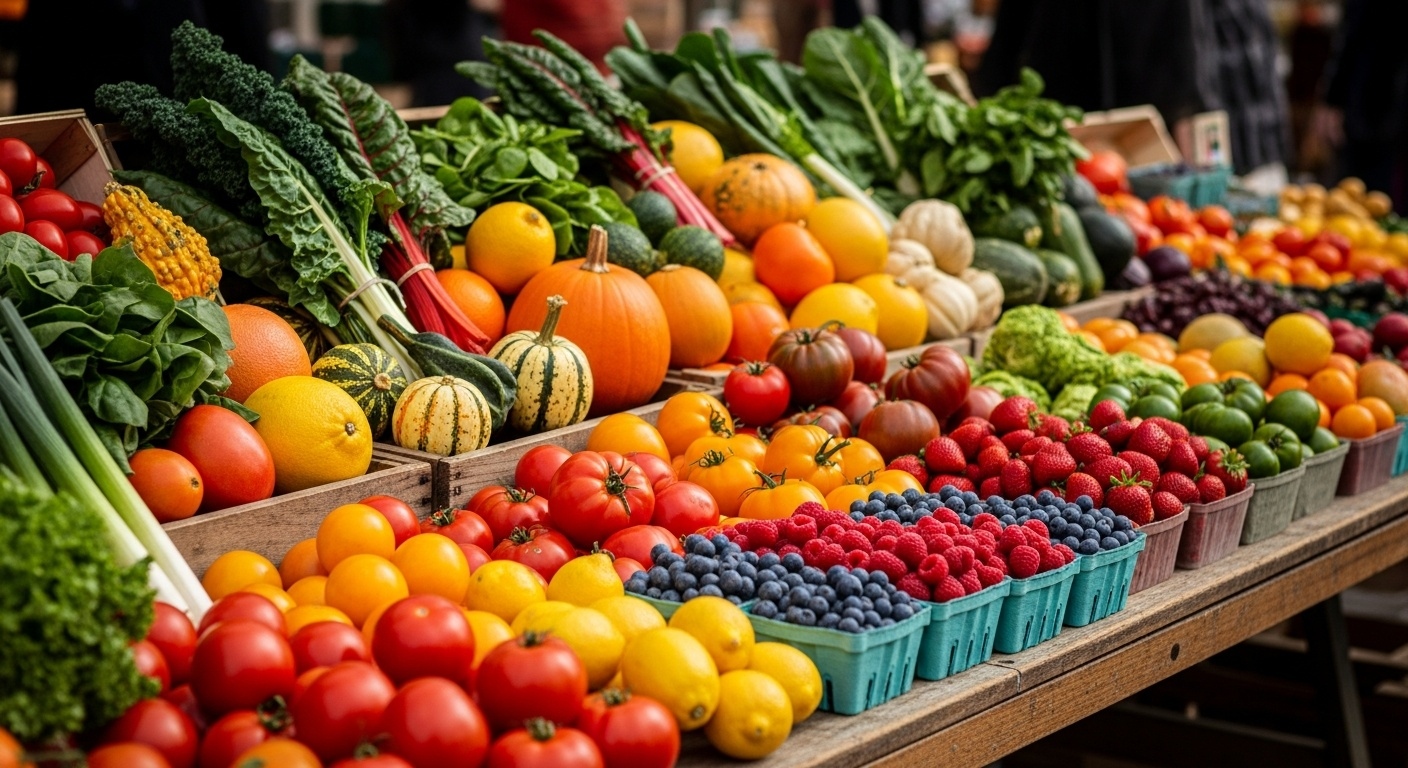
Farmers markets often offer fruits and vegetables harvested at peak ripeness, making them ideal for immediate use. Grocery stores provide more variety but may carry produce picked earlier for transport.
Seasonality also plays an important role. Strawberries taste sweeter in late spring and early summer. Apples reach peak flavor in autumn. Citrus fruits shine during winter months.
When possible, shop seasonally and locally. Not only will the produce taste better, but it often contains more nutrients and requires fewer preservatives.
Over time, these habits help you build a deeper connection with the ingredients you cook with.
The Joy of Mastering Ripeness
Learning how to recognize ripe fruits and vegetables is one of the most valuable skills a home cook can develop. It turns grocery shopping into a sensory experience and ensures that every meal begins with the best possible ingredients. With practice, you will begin to recognize subtle signals: the slight softness of a peach, the sweet fragrance of a pineapple, the glossy firmness of a bell pepper. These small details make the difference between average cooking and unforgettable flavor.
Choosing ripe produce is more than a practical skill. It is a celebration of nature’s timing, a reminder that food tastes best when it is allowed to mature fully. Once you master the art of ripeness, every trip to the market becomes an opportunity to bring home ingredients that are bursting with flavor, color, and life.