

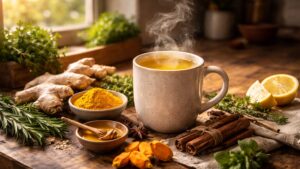
Anti-Inflammatory Herbs and Spices Explained
Chronic inflammation affects everything from joints to digestion. Discover how powerful herbs and spices like turmeric, ginger, and cinnamon fight inflammation naturally—plus enjoy a soothing golden elixir recipe to turn healing into a daily ritual.
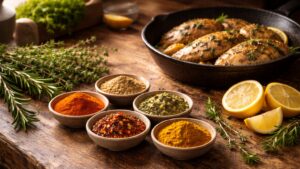
How Herbs and Spices Enhance Flavor Without Extra Salt
Salt isn’t the only way to create bold food. Learn how herbs and spices layer aroma, depth, and complexity into everyday dishes—no sodium required. With practical tips and flavorful recipes, this guide shows you how to transform meals using natural seasonings that excite your senses and support healthier cooking.
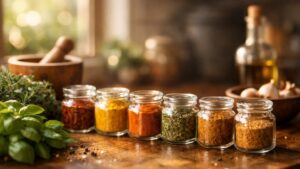
The Most Essential Herbs and Spices Every Kitchen Should Have
From smoky paprika to fragrant basil, the right herbs and spices turn simple meals into unforgettable dishes. This guide reveals the must-have seasonings every kitchen needs, how to use them, and a simple blend you can make at home. Unlock bold flavor, global inspiration, and confidence in every recipe you create.