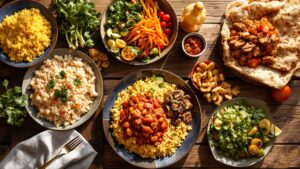
Rich, diverse, and deeply rooted in heritage, African Traditions explores the powerful flavors and time-honored techniques that define one of the world’s most influential culinary landscapes. Across North, West, East, Central, and Southern Africa, food is shaped by climate, community, and history—where grains, legumes, vegetables, spices, and slow-cooked stews form the heart of everyday meals. From aromatic tagines and fiery pepper sauces to comforting porridges and celebratory feasts, African cuisine tells stories of resilience, creativity, and connection. This collection goes beyond recipes to reveal the cultural rhythms behind the food. You’ll discover how communal cooking strengthens bonds, how spice blends and fermentation preserve both flavor and tradition, and how global trade and migration carried African ingredients and techniques across the world. Whether it’s the earthy warmth of ground nuts, the brightness of fresh greens, or the deep richness of long-simmered dishes, African Traditions invites you to cook with intention and respect for the past. These articles celebrate food as memory, ritual, and identity—meant to be shared, savored, and passed down through generations.
A: Begin with a simple stew plus a staple side (rice, plantain, or a porridge-style base).
A: Roast or char aromatics first, bloom spices in oil, then simmer—depth comes fast.
A: Focus on function: heat (chili), tang (citrus/vinegar), richness (nuts/oil), and aromatics.
A: Make heat adjustable—use mild peppers in the base and serve hot sauce on the side.
A: Simmer gently and stir; add peanut elements gradually and avoid hard boiling.
A: Rice, plantains, yams, couscous-style grains, or bread for scooping.
A: Blend peppers with aromatics, then balance with salt and acid; simmer briefly for cohesion.
A: Absolutely—lean into beans, lentils, greens, and nut-based sauces for satisfying richness.
A: Batch-cook a stew base and a starch; finish each meal with fresh herbs and acid.
A: Reheat gently and finish with citrus, salt, and a fresh garnish to revive brightness.

Traditional African Foods: A Complete Guide by Region
Explore the bold, diverse world of traditional African foods in this complete regional guide. From aromatic North African tagines to fiery West African jollof rice, tangy East African injera platters, and Southern African braai traditions, discover the ingredients, techniques, and cultural stories that make African cuisine one of the richest and most dynamic food traditions on earth.
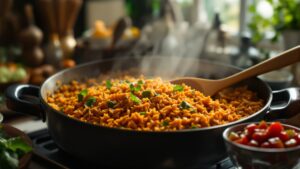
Jollof Rice: Origins, Variations, and Cultural Significance
Jollof rice is West Africa’s iconic one-pot celebration—tomato-rich, deeply seasoned, and proudly debated across borders. Explore its origins, the famous regional variations, and why it’s a cultural centerpiece at parties and family tables. Plus, discover an approachable jollof recipe that captures the dish’s signature color, aroma, and irresistible comfort.
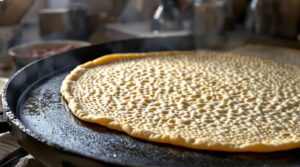
What Is Injera? The Heart of Ethiopian Cuisine
Injera is the soul of Ethiopian cuisine—a soft, tangy, fermented flatbread made from ancient teff grain. With its signature spongy texture and rich sour flavor, injera isn’t just bread—it’s the plate, the utensil, and the heart of every shared meal. Discover its history, fermentation secrets, cultural traditions, and how to make authentic injera at home.
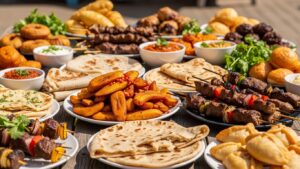
The Most Popular African Street Foods
From smoky suya to sweet mandazi, explore Africa’s most popular street foods and learn how to recreate these bold, flavorful dishes at home.
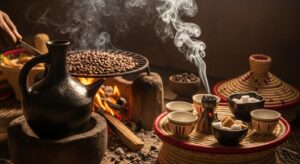
Ethiopian Food Culture and Coffee Ceremony Explained
Experience Ethiopian cuisine through injera, rich stews, and the iconic coffee ceremony—a flavorful journey rooted in tradition, community, and ritual.
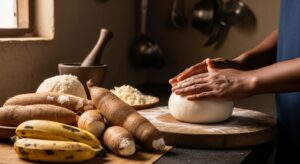
What Is Fufu? Origins, Types, and How It’s Made
Discover fufu, a beloved African staple crafted from cassava, yams, or plantains. This smooth, stretchy dish carries deep cultural roots, regional variations, and a unique way of eating. Explore its origins, textures, and simple preparation methods that bring this iconic comfort food from traditional kitchens to modern tables worldwide.
