A Flavorful Journey Through Markets, Culture, and Everyday Cuisine
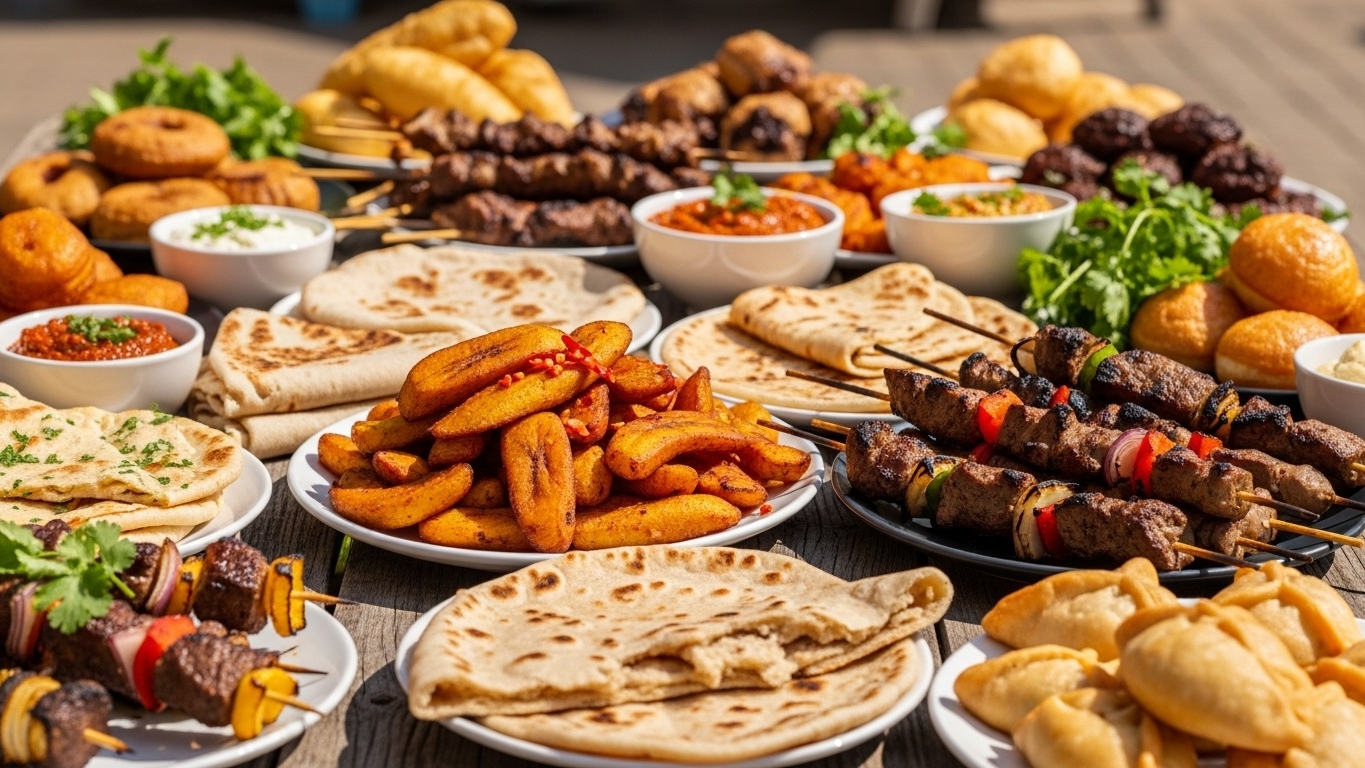
African street food is more than a quick bite—it is a living expression of culture, history, and community. Across bustling cities, roadside stalls, and open-air markets, vendors serve dishes that are deeply rooted in tradition yet constantly evolving with modern tastes. From the smoky aroma of grilled meats to the comforting texture of starchy staples, African street foods deliver bold flavors, vibrant colors, and unforgettable experiences. This guide explores some of the most popular African street foods across the continent, highlighting their origins, ingredients, and how they are made. Along the way, you will also find simple recipes that bring these iconic flavors into your own kitchen
A: It is a broad category of quick, flavorful foods sold in markets, roadside stands, and city streets across the African continent.
A: Many are boldly seasoned, but not all are very hot; some focus more on smoke, sweetness, aromatics, or savory depth.
A: Suya, akara, mandazi, or spiced fried plantains are great entry points because they are flavorful and approachable.
A: Both. Some are quick snacks, while others are hearty enough to serve as lunch or dinner.
A: Grilling is fast, efficient, and adds the smoky flavor that makes many street foods especially memorable.
A: Not always. Many recipes can start with pantry basics like onions, ginger, garlic, peppers, flour, beans, and simple spices.
A: Street food is usually faster, more casual, more portable, and closely tied to everyday local eating habits.
A: Yes. Dishes like akara, mandazi, fried plantains, bean-based snacks, and some stuffed breads fit well into vegetarian cooking.
A: Fresh vegetables, pepper sauces, tea, cold drinks, or simple starches all pair well depending on the dish.
A: It combines culture, convenience, bold flavor, and a strong sense of place in food that feels immediate and alive.
Why African Street Food Stands Out
African street food is defined by its accessibility, affordability, and authenticity. Unlike restaurant dining, street food connects people directly with local culinary traditions. Recipes are often passed down through generations, with each vendor adding their own twist.
The diversity of African street food reflects the continent’s vast geography and cultural richness. Coastal regions favor seafood and coconut-based dishes, while inland areas rely more on grains, meats, and root vegetables. Spices, herbs, and cooking techniques vary widely, but the emphasis on flavor and freshness remains constant.
Street food also plays a social role. Markets become gathering places where people eat, talk, and connect. Food is not just nourishment—it is a shared experience.
Suya: Nigeria’s Smoky Street Favorite
Suya is one of West Africa’s most beloved street foods, particularly in Nigeria. It consists of thinly sliced beef (or sometimes chicken) skewered and grilled over open flames. What makes suya special is its spice blend, known as yaji, which typically includes ground peanuts, chili pepper, ginger, garlic, and salt.
The meat is coated in the spice mixture before grilling, creating a smoky, slightly nutty crust that is both spicy and savory. Vendors often serve suya with sliced onions, tomatoes, and cabbage, adding freshness to balance the heat.
Simple Suya Recipe
To make suya at home, start by slicing beef into thin strips. Mix ground peanuts with paprika, cayenne pepper, garlic powder, ginger powder, and salt. Coat the meat thoroughly and thread onto skewers. Grill over high heat until slightly charred, turning occasionally. Serve with fresh vegetables for a complete experience.
Bunny Chow: South Africa’s Street Food Icon
Bunny chow originated in South Africa and is especially popular in Durban. It consists of a hollowed-out loaf of bread filled with curry—often chicken, lamb, or beans. The dish was created as a convenient way to serve curry without utensils, making it perfect for street food culture. The bread absorbs the rich, spiced sauce, creating a satisfying combination of textures. It is hearty, flavorful, and deeply comforting.
How to Make Bunny Chow
Prepare a thick curry using onions, garlic, ginger, tomatoes, and spices such as turmeric, cumin, and coriander. Add your choice of protein or beans and simmer until tender. Cut a loaf of bread in half, hollow out the center, and fill it generously with curry. Serve immediately.
Akara: Crispy Bean Fritters from West Africa
Akara is a popular breakfast and snack food across countries like Nigeria, Ghana, and Benin. These deep-fried bean cakes are made from peeled black-eyed peas blended with onions and spices.
The batter is whipped to create a light texture, then fried until golden brown. The result is crispy on the outside and soft on the inside.
Akara Recipe
Soak black-eyed peas and remove the skins. Blend with onions, chili peppers, and salt until smooth. Whip the mixture to incorporate air, then drop spoonfuls into hot oil. Fry until golden and serve warm.
Chapati and Rolex: Uganda’s Street Food Star
In Uganda, chapati is a staple flatbread, but it becomes something special when transformed into a “rolex.” This popular street food consists of a chapati rolled around a vegetable omelet.
The name “rolex” comes from “rolled eggs,” and the dish is loved for its simplicity and portability. Vendors prepare it fresh on griddles, combining eggs, onions, tomatoes, and cabbage before wrapping everything in warm chapati.
Shawarma: North Africa’s Urban Favorite
While shawarma has Middle Eastern roots, it has become a staple street food in North African countries like Egypt and Morocco. Thin slices of marinated meat are stacked on a vertical rotisserie and cooked slowly.
The meat is shaved off and wrapped in flatbread with vegetables, sauces, and sometimes fries. The result is a flavorful, satisfying meal that has gained global popularity.
Mandazi: East Africa’s Sweet Treat
Mandazi is a slightly sweet fried dough popular in countries like Kenya and Tanzania. Often compared to donuts, mandazi is less sugary and sometimes flavored with coconut milk or cardamom.
These golden pastries are commonly enjoyed with tea or coffee and are a staple in street markets.
Mandazi Recipe
Combine flour, sugar, coconut milk, yeast, and spices like cardamom. Knead into a soft dough and let it rise. Roll out, cut into triangles, and fry until golden brown. Serve warm for the best flavor.
Kelewele: Ghana’s Spicy Fried Plantains
Kelewele is a popular Ghanaian street snack made from ripe plantains seasoned with spices and fried until caramelized. The combination of sweetness and spice makes it irresistible.
Common seasonings include ginger, garlic, cayenne pepper, and salt. The plantains are cut into cubes and fried until crispy on the outside.
Brochettes: Grilled Skewers Across Africa
Brochettes are widely enjoyed across Central and East Africa, especially in countries like Rwanda and the Democratic Republic of Congo. These skewers can feature beef, goat, fish, or even vegetables.
Marinated and grilled over charcoal, brochettes are often served with sides like fries, plantains, or spicy sauces.
Fufu with Street Sauces
Fufu is a staple food made from cassava, yams, or plantains, pounded into a smooth, stretchy dough. While traditionally served at home, it also appears in street settings paired with soups and sauces.
Street vendors often serve smaller portions with flavorful soups like peanut stew or spicy tomato-based sauces. Eating fufu is a tactile experience, typically enjoyed by hand.
Zanzibari Pizza: A Unique Street Creation
Despite its name, Zanzibari pizza is nothing like traditional pizza. Found in Tanzania’s Zanzibar region, it consists of dough filled with ingredients like meat, vegetables, egg, and cheese, then folded and fried.
Sweet versions also exist, filled with bananas, chocolate, or custard. This versatility makes it a favorite among locals and tourists alike.
The Role of Spices and Ingredients
African street food relies heavily on bold spices and fresh ingredients. Common elements include chili peppers, garlic, ginger, onions, and regional spice blends. Peanuts, coconut, and palm oil are also widely used, adding richness and depth.
Grilling, frying, and stewing are the most common cooking methods, each contributing to the unique flavors of the dishes.
Bringing African Street Food Home
Recreating African street food at home is an exciting way to explore new flavors. Many recipes use simple ingredients and straightforward techniques, making them accessible even for beginners.
Start with dishes like suya or mandazi, which require minimal equipment. As you gain confidence, you can experiment with more complex recipes like bunny chow or fufu with soup.
The key is to focus on flavor—don’t be afraid to use spices generously and adjust to your taste.
A Culinary Adventure Worth Exploring
African street food offers a window into the continent’s rich cultural tapestry. Each dish tells a story of tradition, innovation, and community. Whether you are sampling suya in a bustling Nigerian market or enjoying mandazi with tea in East Africa, the experience is both delicious and meaningful.
As global interest in African cuisine continues to grow, these street foods are gaining recognition beyond their local origins. They are not just meals—they are experiences that connect people across cultures.