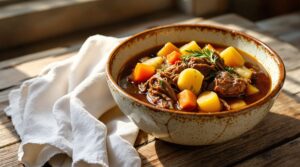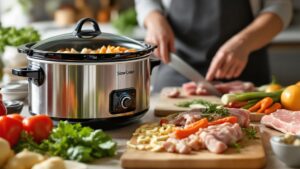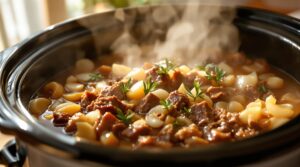
Welcome to Slow Cooking—where time does the hard work and your kitchen fills with the kind of aroma that makes everyone “just check” what’s for dinner. This category is all about low-and-slow confidence: tender meats that pull apart with a fork, beans that turn silky, sauces that deepen into something cozy and complex, and one-pot meals that feel like you planned ahead (even if you didn’t). Slow cooking isn’t just about convenience—it’s a technique that rewards patience with bigger flavor, better texture, and stress-free timing. Here you’ll find articles that teach the essentials: how to layer ingredients so nothing turns mushy, when to brown first for deeper taste, how to balance liquid, and how to finish bright so slow-cooked dishes taste lively—not flat. Whether you’re using a countertop slow cooker, Dutch oven, or a simmering pot on the stove, these guides help you build meals that are comforting, dependable, and secretly impressive. Set it, forget it, and come back to magic.
A: Not required, but it adds major flavor—do it when time allows.
A: Slow cookers trap moisture; reduce uncovered or start with less liquid next time.
A: It’s best to thaw first for food-safety and even cooking.
A: Dense veg can go early; softer veg (zucchini, peas) should go late.
A: Cut larger, add later, or use firmer varieties meant for long cooking.
A: Add near the end to prevent curdling or separating.
A: Meat should be fork-tender; use a thermometer for added confidence.
A: Usually acid (lemon/vinegar) or salt; adjust at the finish.
A: Yes—lean meats can dry out and veggies can turn mushy if held too long.
A: Cool quickly, refrigerate, and reheat gently; many slow-cooked dishes taste better next day.