

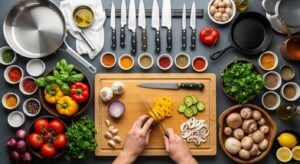
Essential Cooking Techniques Every Home Cook Should Know
Master essential cooking techniques like sautéing, roasting, braising, and grilling to transform everyday ingredients into flavorful, confident meals. This guide breaks down the skills every home cook needs, with practical tips and simple recipes that help you build confidence, improve results, and cook with creativity in any kitchen.

How to Read and Understand Any Recipe Like a Pro
Master the art of reading recipes like a professional. Learn how to decode ingredient lists, understand techniques, and spot hidden cues so you can cook with confidence, adapt dishes effortlessly, and turn any recipe into a success every time.
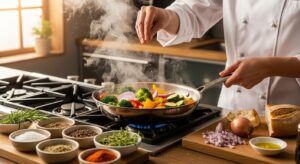
How to Season Food Properly (Salt, Pepper, and Beyond)
Discover fufu, a beloved African staple crafted from cassava, yams, or plantains. This smooth, stretchy dish carries deep cultural roots, regional variations, and a unique way of eating. Explore its origins, textures, and simple preparation methods that bring this iconic comfort food from traditional kitchens to modern tables worldwide.