Master the Skills That Turn Everyday Ingredients Into Exceptional Meals
Cooking is not just about following recipes—it’s about understanding techniques. Once you learn how to control heat, build flavor, and handle ingredients with confidence, you unlock the ability to cook almost anything. The most successful home cooks aren’t necessarily those with the most recipes memorized, but those who understand the core techniques that make dishes work.
This guide explores essential cooking techniques every home cook should know, along with practical insights and simple recipes that help bring each method to life. Whether you’re a beginner or refining your skills, mastering these techniques will elevate your cooking from routine to remarkable.
A: Start with sautéing and roasting since they apply to many everyday meals.
A: Monitor temperature closely and remove food slightly before it reaches final doneness.
A: It ensures even cooking and better browning results.
A: Brown ingredients, use aromatics, and layer seasoning gradually.
A: Use high-smoke-point oils for frying and neutral oils for general cooking.
A: The pan may not be hot enough or lacks sufficient oil.
A: Practice consistent cuts and keep your knife sharp.
A: Season throughout cooking, not just at the end.
A: Simmering is gentler and better for sauces, while boiling is more intense.
A: Focus on technique, balance flavors, and use fresh ingredients.
Sautéing: Fast, Flavorful, and Foundational
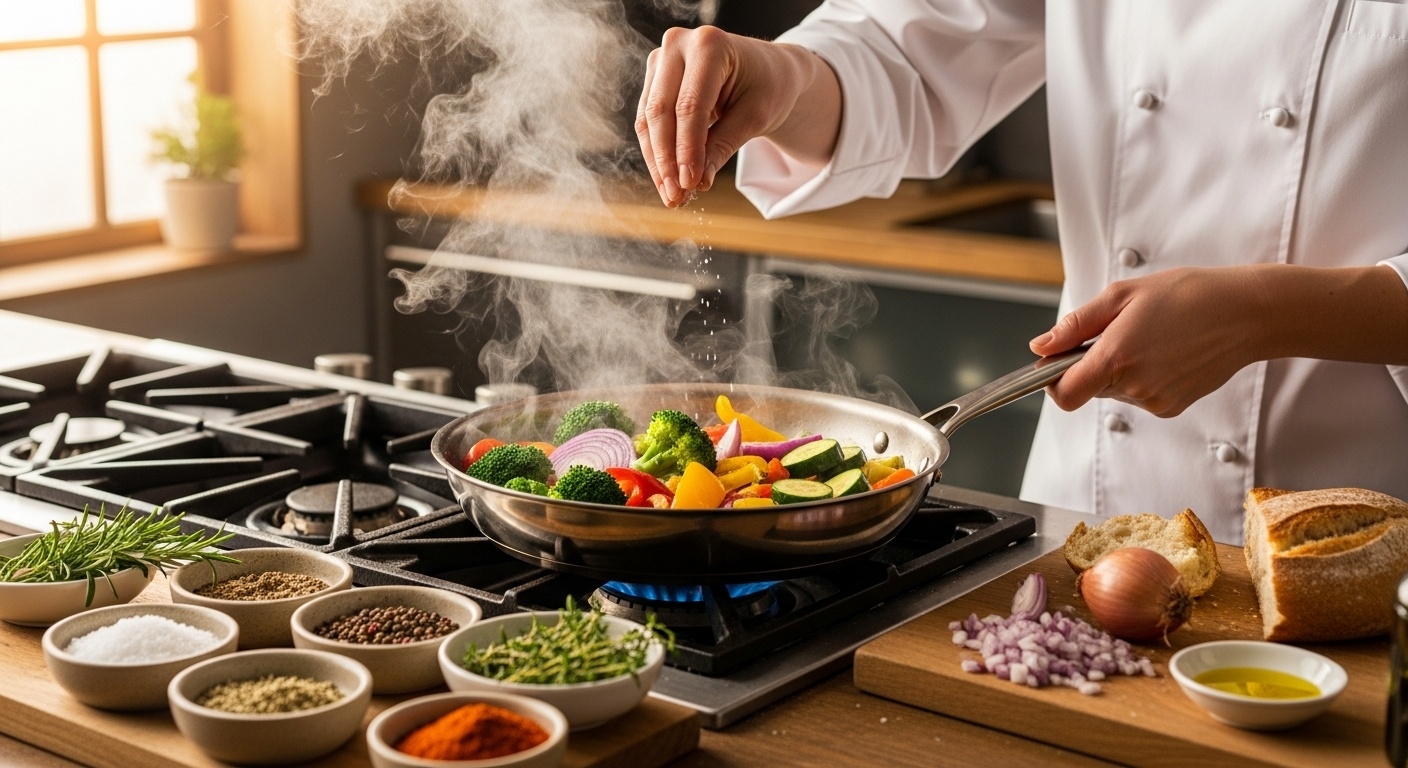
Sautéing is one of the most versatile and frequently used cooking techniques. It involves cooking food quickly in a small amount of oil or fat over medium to high heat. The goal is to create a lightly browned exterior while preserving the natural texture and flavor of the ingredients.
A properly heated pan is key. If the pan is too cool, food will steam instead of sear. If it’s too hot, it can burn before cooking through. Ingredients should be cut evenly to ensure consistent cooking.
Simple Garlic Butter Vegetables
Heat a skillet over medium-high heat and add butter and a splash of olive oil. Toss in chopped vegetables like zucchini, bell peppers, and green beans. Add minced garlic, salt, and pepper. Cook for 5–7 minutes, stirring occasionally, until tender with slight browning. Finish with a squeeze of lemon juice for brightness.
Roasting: Deep Flavor Through Dry Heat
Roasting uses high, dry heat—usually in an oven—to caramelize the exterior of foods while keeping the inside tender. It works beautifully for vegetables, meats, and even fruits.
The secret to great roasting is spacing. Overcrowding the pan traps moisture, preventing that rich, golden-brown finish. A hot oven, typically around 400–425°F, ensures proper caramelization.
Classic Roasted Potatoes
Cut potatoes into even chunks and toss with olive oil, salt, pepper, and rosemary. Spread them in a single layer on a baking sheet. Roast at 425°F for about 35–40 minutes, turning halfway through, until crispy outside and fluffy inside.
Boiling and Simmering: Gentle Control Over Heat
Boiling and simmering are foundational techniques for everything from pasta to soups. Boiling occurs at a high temperature with vigorous bubbling, while simmering is gentler, with small bubbles rising steadily.
Understanding when to use each is crucial. Pasta benefits from a rolling boil, while soups and sauces often require a simmer to develop flavor without overcooking ingredients.
Grilling: Smoky, Charred Perfection
Grilling brings a distinct smoky flavor that’s difficult to replicate with other techniques. Whether using an outdoor grill or a stovetop grill pan, the principle remains the same: high heat and direct contact.
Preheating the grill is essential, as is lightly oiling the food to prevent sticking. Let food develop a crust before turning it to achieve those iconic grill marks.
Simple Grilled Chicken Marinade
Combine olive oil, lemon juice, garlic, paprika, salt, and pepper. Marinate chicken for at least 30 minutes. Grill over medium-high heat until fully cooked, turning once. The result is juicy, flavorful chicken with a slightly charred exterior.
Baking: Precision Meets Creativity
Baking relies on precise measurements and controlled conditions. Unlike other techniques, baking is more of a science, where ratios and timing significantly impact the outcome.
Understanding how ingredients like flour, eggs, and leavening agents interact helps ensure consistent results. Even small adjustments can change texture, moisture, and structure.
Braising: Transforming Tough Cuts Into Tender Meals
Braising combines searing and slow cooking in liquid. It’s ideal for tougher cuts of meat that require time to become tender.
The process begins by browning the meat, then cooking it slowly in a covered pot with liquid such as broth or wine. Over time, the meat becomes incredibly tender while absorbing rich flavors.
Easy Braised Chicken
Sear chicken thighs in a pot until golden. Remove and sauté onions, garlic, and carrots. Add broth and herbs, return the chicken, cover, and cook on low heat for about 40 minutes. The result is deeply flavorful and comforting.
Frying: Crisp Texture and Bold Flavor
Frying creates a crispy exterior while sealing in moisture. It can be shallow or deep, depending on how much oil is used.
Temperature control is critical. If the oil is too cool, food absorbs excess oil and becomes greasy. If too hot, it burns quickly. A steady medium-high heat usually works best.
Steaming: Clean, Healthy Cooking
Steaming uses hot vapor to cook food gently, preserving nutrients and natural flavors. It’s especially effective for vegetables, fish, and dumplings.
Because steaming doesn’t rely on oil, it’s a healthier option that still delivers great texture when done properly.
Knife Skills: The Foundation of Efficiency
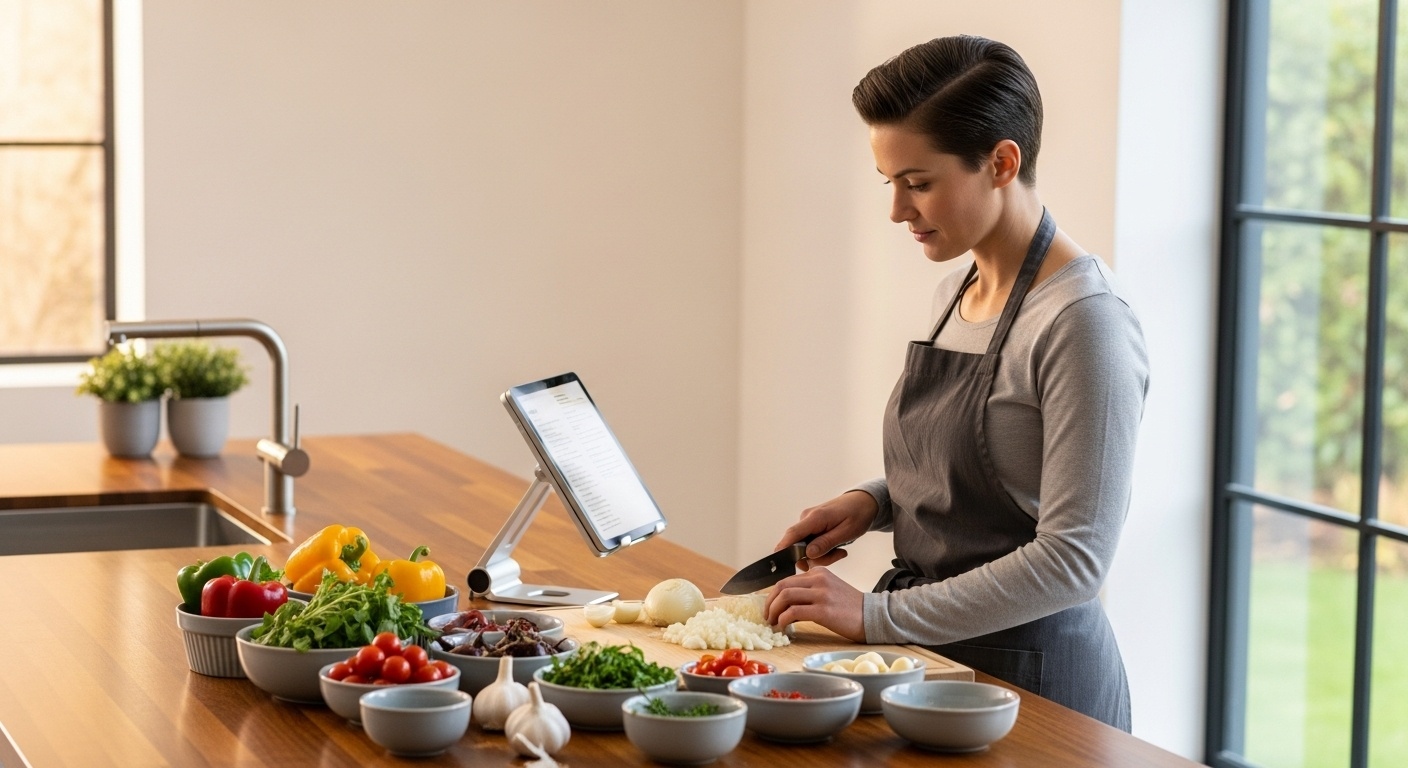
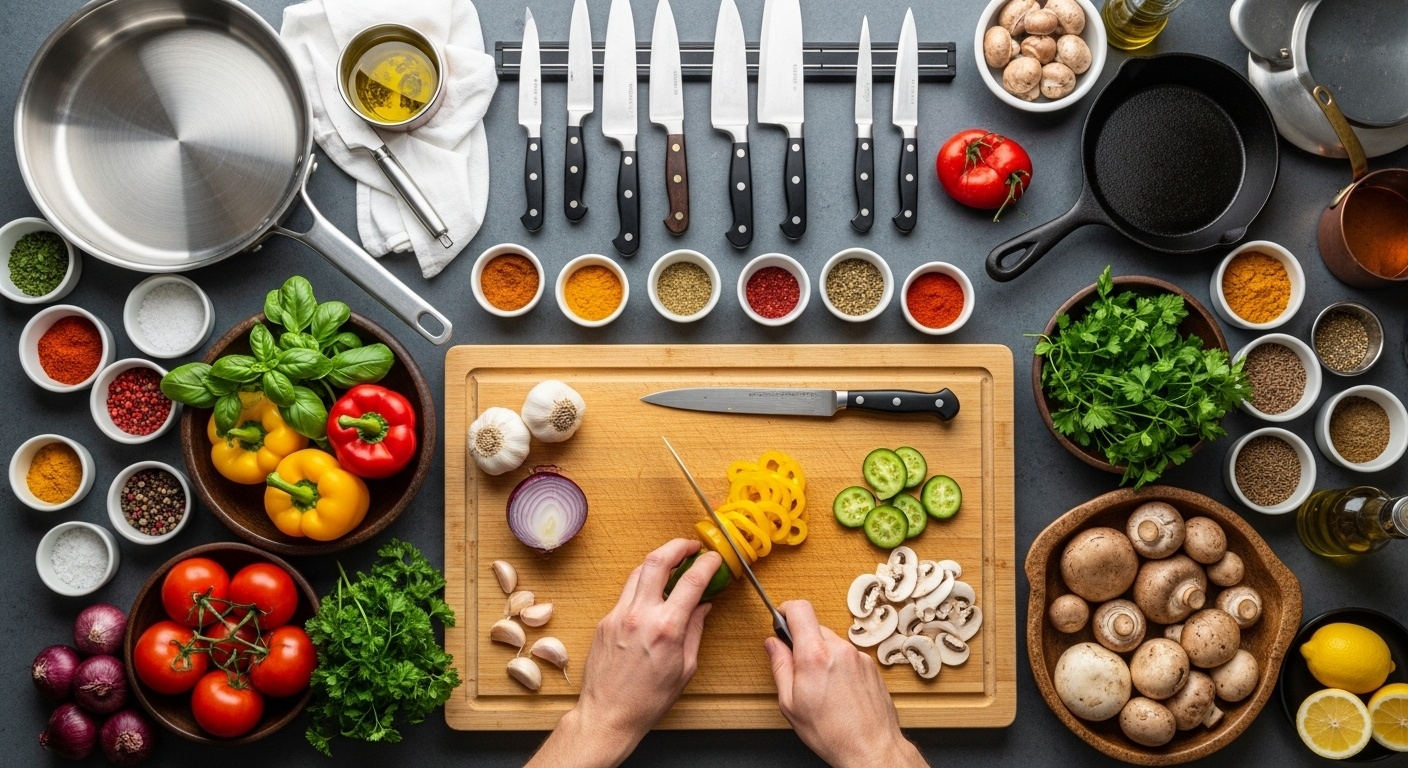
Good knife skills are essential for both safety and efficiency. Learning how to properly hold a knife, maintain sharpness, and cut ingredients evenly improves cooking results dramatically.
Consistent cuts ensure even cooking, while proper technique reduces preparation time and minimizes waste.
Seasoning: The Art of Flavor Balance
Seasoning is more than just adding salt. It involves balancing flavors—salt, acid, fat, and heat—to create depth and harmony in a dish.
Tasting as you cook is essential. Small adjustments can make the difference between a flat dish and a vibrant one.
Building Flavor Layers
Great cooking often comes down to layering flavors. This might involve sautéing aromatics first, adding spices at the right moment, and finishing with fresh herbs or acid.
Each step builds complexity, transforming simple ingredients into something memorable.
Timing and Temperature Control
Understanding timing and temperature separates average cooking from exceptional cooking. Knowing when to raise or lower heat, when to rest meat, or when to pull food from the oven ensures optimal results.
Cooking is dynamic, and learning to adjust based on what you see, smell, and hear is a skill developed over time.
Bringing It All Together
The beauty of cooking lies in combining techniques. A single dish might involve sautéing vegetables, simmering a sauce, and finishing with roasting or baking.
As you practice, these techniques become second nature. You’ll start to cook intuitively, adapting recipes, experimenting with flavors, and creating your own dishes.
The Confidence to Create
Mastering essential cooking techniques gives you confidence. Instead of relying strictly on recipes, you begin to understand the “why” behind each step. This knowledge allows you to improvise, adjust, and create meals that reflect your personal taste.
Cooking becomes less about following instructions and more about exploration. With each technique you master, your kitchen transforms into a place of creativity and possibility.