Mastering Flavor from the First Pinch to the Final Finish
Seasoning is the invisible art that transforms good cooking into unforgettable food. It is not simply about adding salt or grinding pepper—it is about understanding how flavor builds, evolves, and ultimately harmonizes on the plate. When done correctly, seasoning elevates every ingredient, enhances natural taste, and creates depth that lingers long after the last bite. Whether you are cooking a simple weeknight dinner or crafting an elaborate meal, mastering seasoning is one of the most valuable skills you can develop in the kitchen.
A: Season in stages—at the start, during cooking, and again at the end if needed.
A: It may need acid, fat, herbs, sweetness, or more browning rather than more salt alone.
A: Yes. Freshly ground pepper usually has stronger aroma, sharper flavor, and better complexity.
A: Add small amounts gradually, taste often, and remember that liquids reduce and intensify saltiness.
A: Try lemon juice, vinegar, fresh herbs, or a small amount of something sharp like mustard.
A: Not exactly. Vegetables often benefit from salt, acid, and herbs, while meats may also need deeper seasoning time.
A: Old spices lose potency, and some need heat or fat to fully release their flavor.
A: It is a final touch added right before serving, such as flaky salt, citrus, fresh herbs, or chili oil.
A: Sometimes—dilute the dish, add unsalted ingredients, or balance it with acid, fat, or sweetness.
A: Taste repeatedly as you cook, because seasoning is easier to build than to undo.
What Does It Mean to Season Food?
Seasoning is the process of enhancing or balancing the natural flavors of ingredients. While many people think of salt as the primary seasoning agent, it is only one piece of a much larger puzzle. True seasoning involves a thoughtful combination of salt, fat, acid, heat, aromatics, herbs, spices, and even texture.
At its core, seasoning is about balance. A well-seasoned dish does not taste salty, spicy, or sour—it tastes complete. Each element plays a role, supporting the others without overpowering them. This is why experienced cooks often say that seasoning is not something you add at the end; it is something you build throughout the cooking process.
The Foundation: Understanding Salt
Salt is the most essential seasoning tool in any kitchen. It enhances natural flavors, reduces bitterness, and can even bring out sweetness in certain foods. When used correctly, salt makes ingredients taste more like themselves.
Different types of salt serve different purposes. Fine table salt dissolves quickly and is often used in baking, while kosher salt is preferred for cooking due to its larger crystals and ease of control. Finishing salts, such as flaky sea salt, are added at the end to provide texture and bursts of flavor.
Timing is just as important as quantity. Salting food early allows it to penetrate and season from within, especially when working with proteins or vegetables. Salting at the end, on the other hand, provides a sharper, more immediate flavor impact.
Pepper and Heat: Building Complexity
Pepper is often paired with salt, but it serves a different role. While salt enhances, pepper adds depth and subtle heat. Freshly ground black pepper has a complexity that pre-ground varieties simply cannot match, offering floral, spicy, and slightly woody notes.
Beyond black pepper, there is a world of heat to explore. Chili flakes, cayenne, smoked paprika, and fresh peppers each bring unique characteristics. Heat is not just about intensity—it is about flavor. A smoky chili adds depth, while a fresh chili can brighten a dish with sharp, vibrant heat.
Understanding how to layer heat is key. Adding it early can mellow its intensity, while finishing with a touch of spice can create a lively, lingering kick.
The Role of Acid: Brightness and Balance
Acid is one of the most overlooked elements in seasoning, yet it is often the key to transforming a dish from flat to vibrant. Ingredients like lemon juice, vinegar, tomatoes, and even yogurt add brightness that balances richness and enhances flavor.
A squeeze of lemon over roasted vegetables or a splash of vinegar in a stew can instantly elevate the dish. Acid works by cutting through heaviness and sharpening the overall flavor profile.
The best cooks use acid strategically, often adding it at the end of cooking to preserve its brightness. This final touch can make the difference between a dish that feels complete and one that falls just short.
Fat: The Flavor Carrier
Fat is not just about richness—it is a crucial component of seasoning. It carries flavor, adds mouthfeel, and helps distribute spices evenly throughout a dish. Butter, olive oil, coconut milk, and animal fats each bring their own unique characteristics.
Cooking with fat allows flavors to bloom. For example, sautéing garlic in oil releases its aroma and softens its sharpness, creating a more rounded flavor. Similarly, spices often become more fragrant and complex when heated in fat.
Balancing fat with salt and acid is essential. Too much fat without contrast can feel heavy, while the right combination creates a satisfying and well-rounded dish.
Herbs and Spices: Layers of Flavor
Herbs and spices are where seasoning becomes truly creative. Fresh herbs like parsley, cilantro, and basil add brightness and freshness, while dried herbs provide deeper, more concentrated flavors.
Spices, on the other hand, offer warmth, complexity, and character. Cumin, coriander, cinnamon, turmeric, and paprika each bring unique notes that can define a dish.
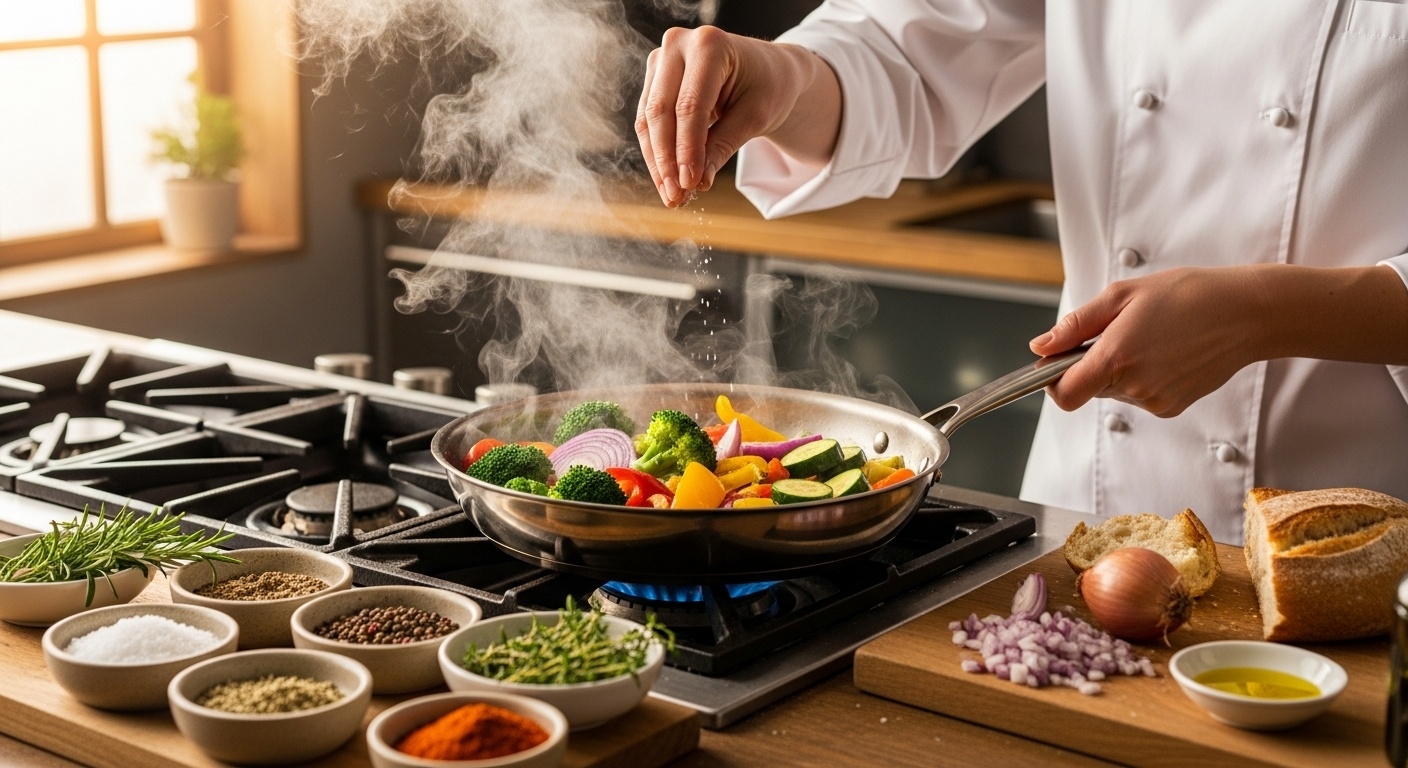
The key to using herbs and spices effectively is timing. Dried spices often benefit from being cooked early to release their flavors, while fresh herbs are best added at the end to preserve their vibrancy.
Seasoning in Stages: Building Flavor Gradually
One of the most important principles of seasoning is layering. Rather than adding everything at once, seasoning should be built gradually throughout the cooking process.
Start by seasoning the base ingredients. As you add components, continue to taste and adjust. Each stage of cooking is an opportunity to refine the flavor.
This approach allows for greater control and prevents over-seasoning. It also creates depth, as each layer contributes to the final result.
A Simple Recipe: Perfectly Seasoned Roasted Vegetables
To understand seasoning in action, consider a simple dish like roasted vegetables. Begin with a mix of vegetables such as carrots, potatoes, and bell peppers. Toss them with olive oil, ensuring each piece is lightly coated.
Season generously with kosher salt and freshly ground black pepper. Add a pinch of smoked paprika for warmth and a touch of garlic for depth.
Roast in a hot oven until the vegetables are caramelized and tender. Once they come out, finish with a squeeze of fresh lemon juice and a sprinkle of chopped parsley.
The result is a dish that is balanced, vibrant, and deeply flavorful—proof that proper seasoning can transform even the simplest ingredients.
Taste as You Go: The Golden Rule
Perhaps the most important habit in seasoning is tasting your food throughout the cooking process. Flavor changes as ingredients cook, reduce, and combine.
By tasting frequently, you can adjust seasoning in real time, ensuring that the final dish is balanced and satisfying. This practice also helps you develop intuition, allowing you to understand how different elements interact.
Common Seasoning Mistakes
Even experienced cooks can make mistakes when it comes to seasoning. One of the most common is under-seasoning, which often results in bland food. Many people are hesitant to use enough salt, but when used properly, it enhances rather than overwhelms.
Another mistake is adding all seasoning at the end. This approach can create a one-dimensional flavor instead of the layered complexity that comes from seasoning in stages.
Over-seasoning is also a risk, particularly with salt or strong spices. The best way to avoid this is to add gradually and taste often.
Beyond the Basics: Advanced Seasoning Techniques
As you become more comfortable with seasoning, you can explore more advanced techniques. Brining, for example, allows salt to penetrate deeply into proteins, resulting in juicier and more flavorful meat.
Marinating combines acid, fat, and spices to infuse ingredients with flavor before cooking. Dry rubs create a flavorful crust on meats, while compound butters add richness and complexity.
Finishing touches, such as a drizzle of high-quality olive oil or a sprinkle of flaky salt, can elevate a dish just before serving.
Seasoning Across Cuisines
Different cuisines approach seasoning in unique ways, reflecting their ingredients and traditions. Mediterranean cooking often emphasizes olive oil, herbs, and citrus, while Asian cuisines balance salty, sweet, sour, and umami elements.
Understanding these patterns can help you expand your seasoning skills and experiment with new flavors. It also highlights the universal importance of balance, regardless of the cuisine.
Why Seasoning Matters
Seasoning is what makes food memorable. It is the difference between a dish that is simply edible and one that is truly enjoyable. It allows ingredients to shine, enhances their natural qualities, and creates a cohesive flavor experience.
When you master seasoning, you gain confidence in the kitchen. You can adapt recipes, improvise, and create dishes that reflect your own taste and style.
Final Thoughts
Learning how to season food properly is a journey, not a destination. It requires practice, attention, and a willingness to experiment. But the rewards are immense.
With a deeper understanding of salt, pepper, acid, fat, and flavor layering, you can transform your cooking and bring out the best in every ingredient. Whether you are preparing a simple meal or an elaborate feast, proper seasoning is the key to making your food truly exceptional.