Master the Language of Cooking and Turn Instructions Into Instinct
Cooking is often described as an art, but reading a recipe is a science—and a surprisingly nuanced one. Many home cooks assume that recipes are straightforward sets of instructions, but in reality, they are condensed blueprints packed with timing cues, technical signals, and hidden assumptions. Learning how to read and truly understand a recipe is the difference between simply following steps and confidently creating great food. When you approach a recipe like a professional, you begin to see more than just ingredients and instructions. You recognize patterns, anticipate outcomes, and make adjustments with ease. Whether you are tackling a simple weeknight dinner or an ambitious multi-course meal, mastering this skill transforms your cooking from reactive to intentional.
A: Not always—understanding the structure allows flexibility and adjustments.
A: It helps you plan timing, prep, and avoid mistakes mid-cooking.
A: Use visual, smell, and texture cues along with timing.
A: Preparing and organizing all ingredients before cooking begins.
A: Yes, but match their function such as fat, acid, or texture.
A: It reflects the sequence of use during cooking.
A: Adjust salt, acid, or seasoning gradually to enhance flavor.
A: No, they are guidelines influenced by equipment and conditions.
A: Practice regularly and focus on understanding techniques.
A: Confidence, awareness, and the ability to interpret and adapt recipes.
The Anatomy of a Recipe
Every recipe follows a general structure, but understanding how each part functions is essential. At the top, you will usually find the title, which often hints at the method, key ingredients, or cultural origin of the dish. A well-written title can tell you whether you are roasting, braising, baking, or sautéing before you even read further.
Next comes the ingredient list. This is not just a shopping guide—it is a carefully ordered system. Ingredients are typically listed in the order they are used, and the way they are written matters. “1 cup chopped onions” is very different from “1 cup onions, chopped,” because the preparation step happens at a different stage.
Then come the instructions, where timing, sequence, and technique are layered together. Professional cooks don’t just read this section—they interpret it. They understand why steps are written in a certain order and how each action affects the final dish.
Finally, additional notes such as cooking time, serving size, and tips provide context. These details help you plan your workflow and manage expectations.
Reading Before You Cook: The Golden Rule
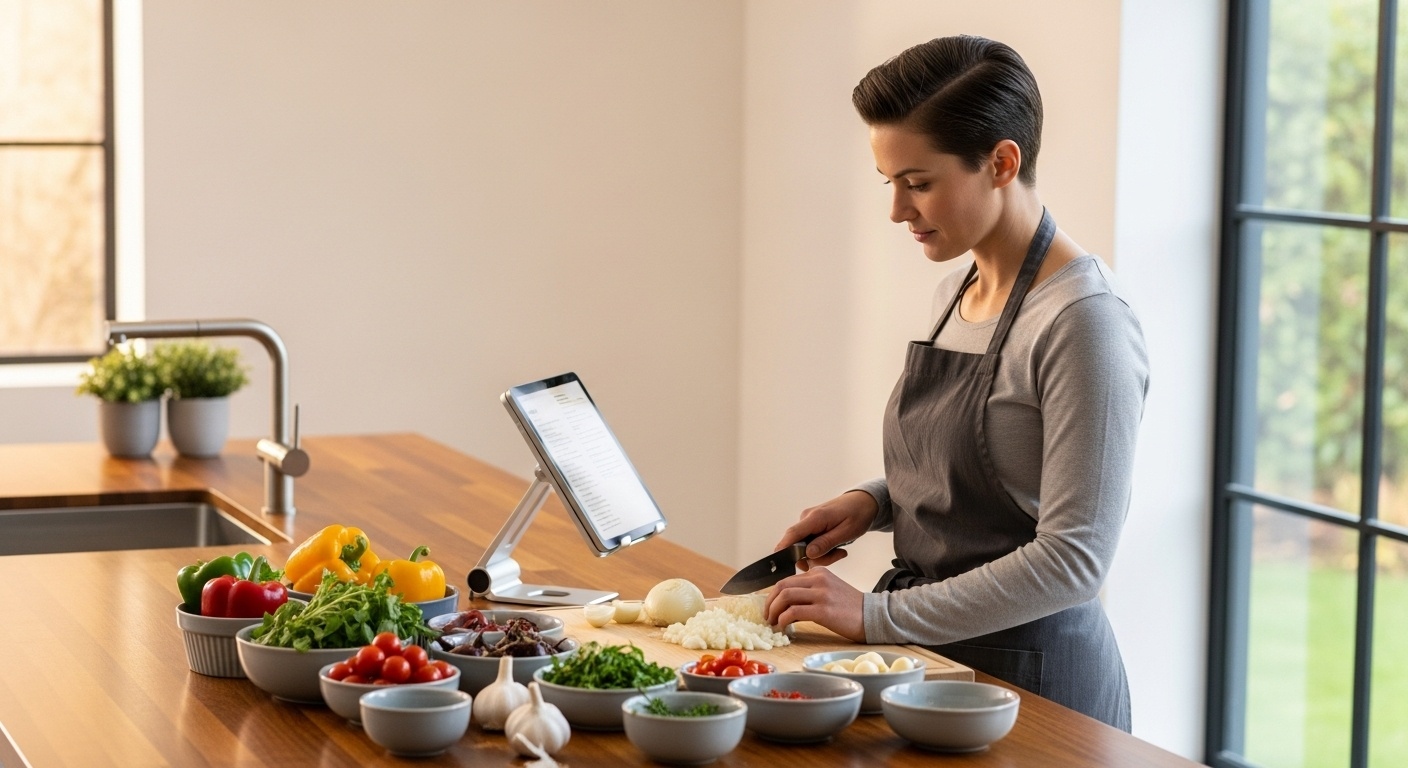
One of the most important habits in professional kitchens is reading the entire recipe before starting. This simple step prevents mistakes, saves time, and allows you to visualize the process.
When you read a recipe from start to finish, you begin to see how the steps connect. You notice where ingredients are reused, when resting times occur, and how long each stage will take. This mental map helps you stay organized and reduces stress while cooking.
It also allows you to spot potential challenges. If a recipe calls for marinating overnight or requires a special tool, you can plan ahead rather than scrambling mid-process.
Understanding Ingredient Language
Ingredients are written with precision, and small differences in wording can change the outcome of a dish. Learning to decode this language is essential for cooking success.
When a recipe says “2 tablespoons butter, melted,” it means you measure the butter first and then melt it. If it says “2 tablespoons melted butter,” you melt the butter before measuring. This distinction affects accuracy, especially in baking.
Descriptions such as “packed,” “leveled,” or “heaping” also matter. A packed cup of brown sugar contains significantly more sugar than a loosely filled one. These details may seem minor, but they can dramatically impact texture and flavor.
Temperature cues are equally important. Ingredients listed as “room temperature” are meant to blend more easily, creating smoother batters or emulsions.
Decoding Cooking Techniques
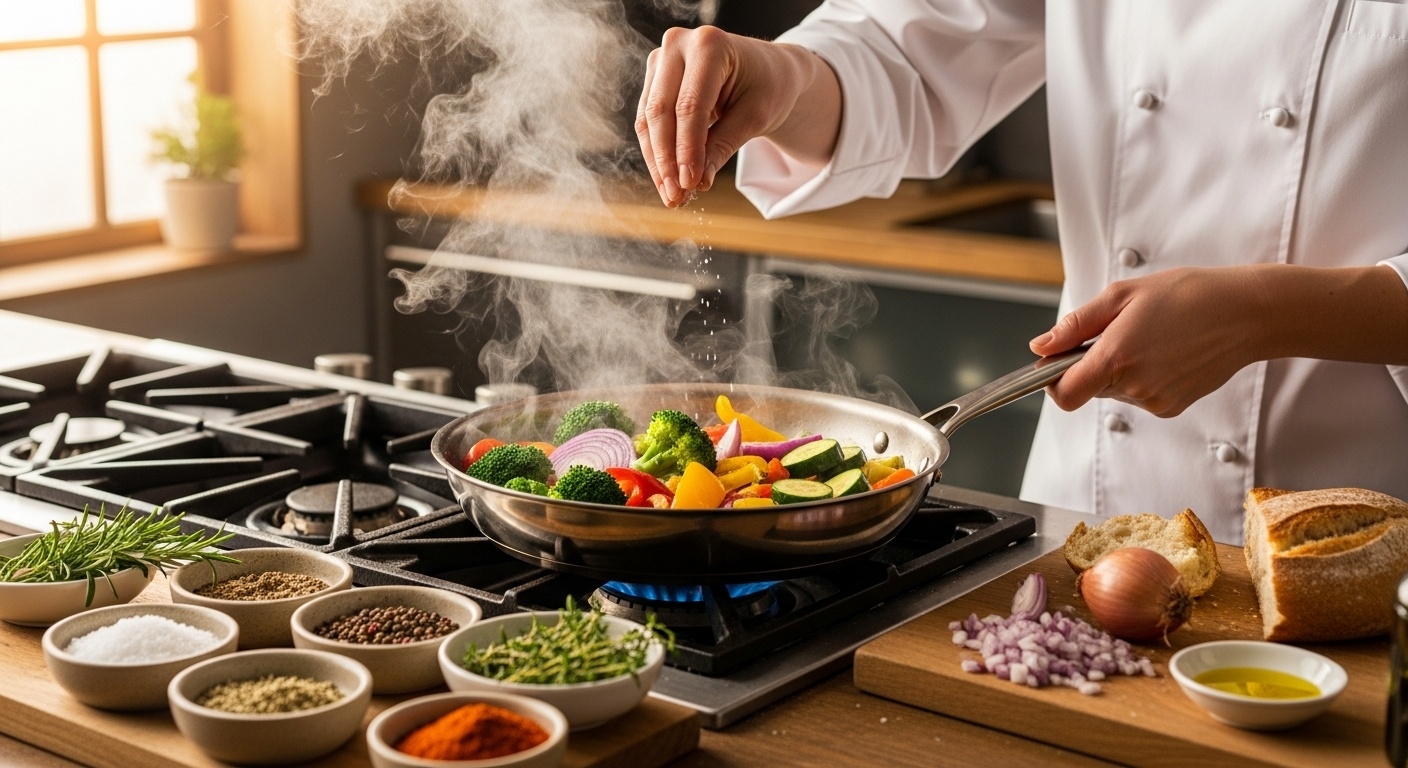
Recipes often assume a certain level of familiarity with cooking techniques. Words like sauté, simmer, fold, or deglaze carry specific meanings that influence how a dish develops.
Sautéing, for example, involves cooking food quickly over relatively high heat with a small amount of fat. Simmering is gentler, allowing flavors to meld without aggressive boiling. Folding is a delicate technique used to preserve air in mixtures, often in baking.
Understanding these terms allows you to execute recipes more accurately. It also helps you adapt when needed, because you know the purpose behind each action.
Timing Is Everything
Timing in recipes is rarely exact. When a recipe says “cook for 10 minutes,” it is offering a guideline, not a strict rule. Factors such as stove strength, pan material, and ingredient size can all affect cooking time.
Professional cooks rely on visual and sensory cues rather than the clock alone. They look for golden browning, listen for changes in sound, and smell when flavors begin to develop.
Learning to trust these cues will make you a more confident cook. Instead of worrying about exact minutes, you will focus on what the food is telling you.
A Simple Recipe Example: Garlic Butter Chicken
To see how reading a recipe like a pro works in practice, consider a simple garlic butter chicken dish.
Start by reading the ingredient list carefully. You might see chicken breasts, garlic, butter, olive oil, salt, pepper, and fresh herbs. Notice how the garlic is prepared—minced garlic cooks differently than sliced garlic.
As you move to the instructions, you might find that the chicken is seasoned first, then seared in a hot pan. This step creates a flavorful crust. The garlic is added later to prevent burning, and the butter is introduced at the end to create a rich sauce.
By understanding why each step is written the way it is, you can adjust confidently. If the chicken is browning too quickly, you lower the heat. If the sauce needs brightness, you add a squeeze of lemon.
This is the difference between following a recipe and understanding it.
Mise en Place: Thinking Like a Chef
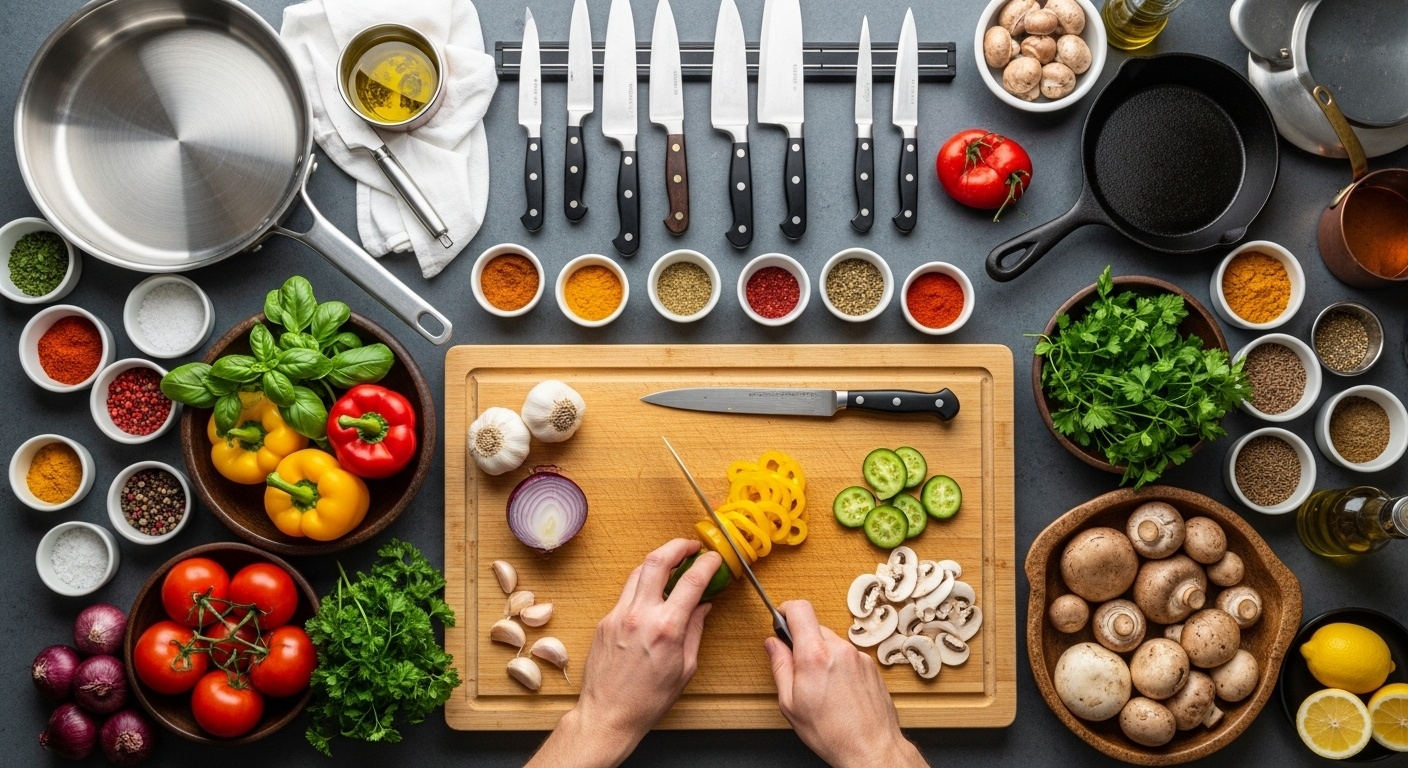
“Mise en place” is a French term that means “everything in its place.” It refers to the practice of preparing and organizing ingredients before cooking begins.
When you read a recipe like a professional, you automatically think in terms of mise en place. You chop vegetables, measure spices, and set out tools in advance.
This preparation makes the cooking process smoother and more enjoyable. It also reduces the risk of mistakes, because you are not rushing to prepare ingredients while something else is cooking.
Recognizing Patterns Across Recipes
As you gain experience, you will begin to notice patterns. Many recipes follow similar structures, even if the ingredients differ.
For example, countless dishes start with sautéing onions and garlic as a flavor base. Sauces often follow a pattern of fat, aromatics, liquid, and seasoning. Baking recipes frequently rely on specific ratios of flour, fat, sugar, and eggs.
Recognizing these patterns allows you to predict what will happen next in a recipe. It also empowers you to experiment, because you understand the underlying framework.
Adjusting Recipes With Confidence
One of the greatest benefits of understanding recipes is the ability to adapt them. You can substitute ingredients, adjust seasoning, or modify techniques based on your preferences or what you have available.
If a recipe calls for heavy cream, you might use a lighter alternative while maintaining richness. If you prefer more heat, you can increase spices gradually.
The key is to understand the role each ingredient plays. Once you know why something is included, you can make informed changes without compromising the dish.
Avoiding Common Recipe Mistakes
Many cooking mistakes come from misreading or rushing through a recipe. Skipping steps, misinterpreting measurements, or ignoring preparation details can lead to disappointing results.
Another common issue is not paying attention to order. Adding ingredients too early or too late can affect texture and flavor. For example, adding garlic too soon may cause it to burn, creating bitterness.
Taking the time to read carefully and understand each step helps you avoid these pitfalls.
Building Your Cooking Intuition
As you continue to read and cook from recipes, you will develop intuition. You will begin to anticipate how flavors combine, how textures change, and how techniques influence outcomes.
This intuition allows you to move beyond strict instructions. You become more flexible, creative, and confident in the kitchen.
Eventually, recipes become guides rather than rules. You use them as a starting point, adapting and refining as you go.
From Recipe Reader to Recipe Creator
Understanding recipes at a deeper level opens the door to creating your own. When you know how ingredients interact and how techniques shape flavor, you can design dishes from scratch.
You might start with a familiar framework, such as a basic pasta or stir-fry, and then build on it with your own variations. Over time, you develop a personal style that reflects your tastes and experiences.
This is the ultimate goal of learning to read recipes like a pro: not just to follow instructions, but to cook with confidence and creativity.
Cooking With Clarity and Confidence
Reading a recipe is more than a preliminary step—it is a skill that shapes the entire cooking experience. By learning to interpret ingredient lists, understand techniques, and recognize patterns, you transform recipes from static instructions into dynamic tools.
With practice, patience, and curiosity, you will find that cooking becomes less about following directions and more about understanding the process. And once you reach that point, every recipe becomes an opportunity to learn, adapt, and create something truly memorable.