How Plant-Based Eating Can Naturally Support Heart Health and Help Lower Blood Pressure
High blood pressure, often called the “silent condition,” affects millions of people worldwide and can quietly increase the risk of heart disease, stroke, and other serious health concerns. While medication is sometimes necessary, lifestyle choices—especially diet—play a powerful role in prevention and management. A vegetarian diet has emerged as one of the most effective nutritional strategies for supporting healthy blood pressure levels. By focusing on fruits, vegetables, whole grains, legumes, nuts, and seeds, this way of eating naturally reduces sodium intake while increasing essential nutrients such as potassium, magnesium, and fiber. But not all vegetarian diets are created equal. The real benefit comes from understanding which foods support cardiovascular health and how to prepare them in ways that maximize flavor without relying on excess salt or processed ingredients. This guide explores how a vegetarian diet can help manage high blood pressure, highlights key foods to include, and offers simple, satisfying recipes that make heart-healthy eating both practical and enjoyable.
A: It can support blood pressure goals, especially when it emphasizes whole foods, lower sodium, and plenty of potassium-rich ingredients.
A: Leafy greens, beans, lentils, oats, fruits, sweet potatoes, seeds, and whole grains are all strong choices.
A: Usually the goal is reducing excess sodium, not necessarily removing every trace of salt from every meal.
A: Yes, especially low-sodium or no-salt-added varieties, and rinsing them can help reduce sodium further.
A: Some can be convenient, but many are high in sodium, so labels matter.
A: Use herbs, spices, citrus, garlic, onion, vinegar, roasting, and texture contrasts to build flavor.
A: A bowl with quinoa, lentils, roasted vegetables, avocado, and a lemon-herb dressing is a great example.
A: Yes, many fruits provide potassium, fiber, and natural sweetness that fit well into a heart-supportive diet.
A: Not always, because heavily processed vegetarian foods can still be high in sodium and low in overall nutritional quality.
A: Focus on simple, whole vegetarian foods, keep sodium reasonable, and build meals around flavor-rich ingredients you will actually enjoy.
Understanding High Blood Pressure and Diet
Blood pressure measures the force of blood against the walls of arteries. When this pressure remains elevated over time, it can strain the heart and damage blood vessels. Diet has a direct impact on blood pressure. Sodium intake, in particular, plays a major role. Diets high in processed foods often contain excessive salt, which can contribute to fluid retention and increased blood pressure.
On the other hand, diets rich in plant-based foods provide nutrients that help relax blood vessels, balance fluid levels, and support overall cardiovascular function. A vegetarian diet often aligns closely with the principles of heart-healthy eating plans because it emphasizes whole foods and limits processed items.
Why a Vegetarian Diet Supports Heart Health
One of the biggest advantages of a vegetarian diet is its natural focus on nutrient-dense foods. Fruits and vegetables are rich in potassium, which helps counteract the effects of sodium and supports healthy blood pressure levels.
Whole grains and legumes provide fiber, which can improve cholesterol levels and support heart health. Nuts and seeds contribute healthy fats that help reduce inflammation and promote vascular function.
Plant-based diets are also typically lower in saturated fat, which is associated with improved cardiovascular outcomes. By replacing processed and animal-based foods with whole plant ingredients, many people experience improvements in blood pressure, energy levels, and overall well-being.
The Power of Potassium, Magnesium, and Fiber
Certain nutrients play a particularly important role in managing blood pressure.
- Potassium helps regulate fluid balance in the body and reduces the effects of sodium. Foods such as bananas, sweet potatoes, spinach, beans, and avocados are excellent sources.
- Magnesium supports muscle relaxation, including the muscles in blood vessel walls. Whole grains, leafy greens, nuts, and seeds are rich in magnesium.
- Fiber contributes to better heart health by improving cholesterol levels and supporting healthy digestion. It also helps maintain stable blood sugar levels, which can indirectly support blood pressure control.
Together, these nutrients create a powerful combination that supports cardiovascular health naturally.
Reducing Sodium Without Sacrificing Flavor
One of the most important steps in managing high blood pressure is reducing sodium intake. However, this does not mean food has to be bland or boring.
Herbs, spices, citrus, garlic, and vinegar can add depth and brightness to meals without relying on salt. Roasting vegetables enhances their natural sweetness, while sautéing with olive oil and aromatics builds rich flavor.
Cooking from scratch allows for better control over sodium levels compared to packaged or processed foods. Simple swaps, such as using fresh herbs instead of salty seasonings or choosing low-sodium versions of pantry staples, can make a significant difference over time.
Building a Heart-Healthy Vegetarian Plate
A balanced vegetarian meal for blood pressure management includes a variety of colorful, whole foods.
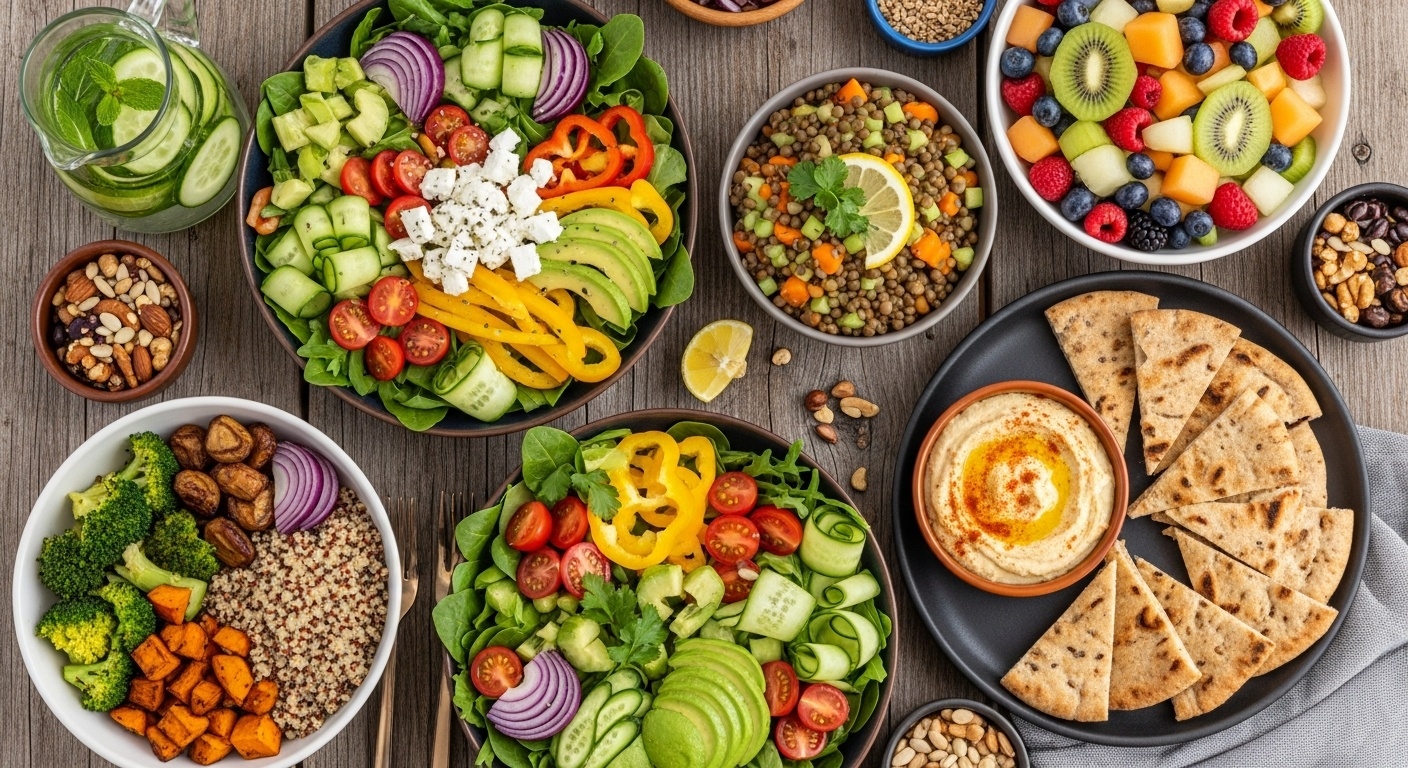
Vegetables should take center stage, providing a wide range of vitamins, minerals, and antioxidants. Whole grains such as quinoa, brown rice, and oats add fiber and sustained energy.
Legumes, including lentils, chickpeas, and black beans, offer plant-based protein and additional fiber. Healthy fats from nuts, seeds, and olive oil help support heart health.
By combining these elements, meals become both nourishing and satisfying.
Simple Recipe: Heart-Healthy Vegetable and Lentil Bowl
A nourishing and flavorful meal can be created using simple, whole ingredients.
Start by cooking lentils until tender. In a separate pan, sauté garlic, onions, and a mix of vegetables such as spinach, carrots, and bell peppers in olive oil.
Season with herbs like cumin, turmeric, and black pepper. Combine the lentils with the vegetables and serve over brown rice or quinoa.
Finish with a squeeze of fresh lemon juice and a sprinkle of chopped parsley.
This dish is rich in fiber, potassium, and plant-based protein, making it an excellent choice for supporting healthy blood pressure.
Another Recipe: Creamy Avocado and Chickpea Salad
For a refreshing option, mash ripe avocado with lemon juice and a touch of olive oil. Fold in cooked chickpeas, diced cucumbers, tomatoes, and fresh herbs. This salad is creamy without the need for heavy dressings and provides healthy fats, fiber, and essential nutrients. Serve it on whole-grain toast, in wraps, or as a side dish.
The Role of Whole Foods vs Processed Vegetarian Options
While vegetarian diets can be highly beneficial, it is important to focus on whole foods rather than heavily processed alternatives.
Some vegetarian products, such as packaged meat substitutes or ready-made meals, can be high in sodium and additives. These may counteract the benefits of a plant-based diet.
Whole, minimally processed foods provide the most nutritional value and support long-term health.
Reading labels and choosing fresh ingredients whenever possible can help maintain a heart-healthy approach.
Lifestyle Factors That Complement a Vegetarian Diet
Diet is just one piece of the puzzle when it comes to managing blood pressure.
Regular physical activity, adequate hydration, and stress management all contribute to cardiovascular health. Even simple activities like walking, stretching, or yoga can have positive effects.
Sleep quality is another important factor. Consistent, restful sleep supports overall health and helps regulate blood pressure.
Combining a balanced vegetarian diet with healthy lifestyle habits creates a powerful strategy for long-term wellness.
Making the Transition to a Vegetarian Lifestyle
Transitioning to a vegetarian diet does not have to happen overnight. Gradual changes often lead to more sustainable habits. Start by incorporating more plant-based meals into your week. Replace one or two meat-based dishes with vegetarian options and explore new recipes.
Experimenting with different cuisines can make the process exciting. Many global dishes naturally highlight plant-based ingredients and offer bold flavors. Over time, these small changes can lead to lasting improvements in health and well-being.
Final Thoughts: A Sustainable Path to Better Health
A vegetarian diet offers a natural, effective way to support healthy blood pressure levels while enjoying flavorful and satisfying meals. By focusing on whole foods, reducing sodium, and incorporating nutrient-rich ingredients, it is possible to create a diet that supports both heart health and overall vitality. Rather than feeling restrictive, a vegetarian approach opens the door to a wide variety of fresh, colorful, and delicious foods. With thoughtful planning and simple recipes, managing high blood pressure can become a rewarding and empowering journey toward better health.