Plant-Based Nutrition Strategies for Balance, Strength, and Everyday Vitality
A well-planned vegetarian diet can be one of the most powerful tools for supporting women’s health. From hormonal balance to sustained energy and optimal iron levels, plant-based eating offers a wide spectrum of nutrients that can fuel the body in a natural and sustainable way. Yet, women also face unique nutritional considerations at different life stages, including menstruation, pregnancy, and menopause. Understanding how to meet these needs within a vegetarian framework is key to thriving. This guide explores how a vegetarian diet supports hormones, improves energy levels, and helps maintain healthy iron levels. It also offers practical strategies and recipes designed to help women feel energized, balanced, and nourished every day.
A: Yes, a balanced vegetarian diet with enough protein, healthy fats, fiber, and key micronutrients can support hormone health.
A: Lentils, beans, tofu, pumpkin seeds, fortified cereals, spinach, quinoa, and dried fruit are common options.
A: Pair iron-rich foods with vitamin C sources like citrus, strawberries, tomatoes, or bell peppers.
A: Fatigue can be linked to low iron, low B12, low protein, under-eating, or unbalanced meals.
A: Many do better when they intentionally include protein at each meal rather than hoping it adds up by accident.
A: Spinach can help, but it works best as part of a broader iron-rich eating pattern with multiple food sources.
A: Yes, B12 is important for energy and nerve function, so fortified foods or supplements are often worth discussing.
A: Oatmeal with seeds and fruit, eggs with whole grain toast, or Greek yogurt with nuts and berries can work well.
A: Yes, especially when meals include complex carbs, protein, healthy fats, and enough total calories.
A: Build each meal around a protein source, an iron-rich food, colorful produce, and a smart source of healthy fat.
Why a Vegetarian Diet Can Benefit Women
A vegetarian diet centered around whole foods—vegetables, fruits, legumes, whole grains, nuts, and seeds—can provide an abundance of vitamins, minerals, and antioxidants. These nutrients play an essential role in reducing inflammation, stabilizing blood sugar, and supporting overall wellness.
For women, this approach to eating can be especially beneficial. Fiber-rich foods help regulate digestion and promote a healthy gut microbiome, which is closely linked to hormone regulation. Plant-based diets are also often rich in phytonutrients, which may support estrogen balance and overall endocrine function. Additionally, many vegetarian diets are naturally lower in saturated fat, which can support heart health—a critical consideration for women as they age.
Understanding Hormones and Nutrition
Hormones act as the body’s internal communication system, influencing everything from mood and metabolism to reproductive health and sleep cycles. For women, maintaining hormonal balance is essential for feeling physically and emotionally stable.
Nutrition plays a direct role in hormone production and regulation. Healthy fats, protein, fiber, and micronutrients all contribute to this delicate balance.
Plant-based diets can support hormones in several ways. Foods like flaxseeds, soy, and legumes contain compounds known as phytoestrogens, which may help modulate estrogen levels. Leafy greens and cruciferous vegetables such as broccoli and kale support the liver’s natural detoxification processes, helping the body process excess hormones effectively.
Balanced meals that combine carbohydrates, protein, and fats also help regulate blood sugar levels. Stable blood sugar is critical for maintaining hormonal equilibrium and avoiding energy crashes.
Iron Needs for Women on a Vegetarian Diet
Iron is one of the most important nutrients for women, particularly during reproductive years. Women lose iron through menstruation, which increases the risk of deficiency.
Vegetarian diets provide non-heme iron, which is found in plant foods such as lentils, chickpeas, tofu, spinach, quinoa, pumpkin seeds, and fortified cereals. While non-heme iron is not absorbed as easily as the iron found in animal products, proper food combinations can significantly improve absorption.
Pairing iron-rich foods with vitamin C sources is one of the most effective strategies. For example, adding lemon juice to lentils or pairing spinach with bell peppers can boost iron uptake. It is also helpful to avoid consuming tea or coffee alongside iron-rich meals, as they can inhibit absorption.
Boosting Energy Through Plant-Based Eating
Energy levels are influenced by a combination of macronutrients and micronutrients. A well-balanced vegetarian diet can provide steady, sustained energy when meals are properly structured.
Complex carbohydrates such as whole grains, oats, and brown rice release energy slowly, preventing spikes and crashes. Protein from beans, lentils, tofu, and dairy helps maintain muscle and stabilize blood sugar. Healthy fats from nuts, seeds, and avocados contribute to satiety and long-lasting fuel.
Iron and vitamin B12 also play a critical role in energy production. While iron can be obtained from plant foods, vitamin B12 is typically found in fortified foods or supplements for vegetarians.
When these nutrients are balanced, the result is improved focus, stamina, and overall vitality.
Key Nutrients Women Should Prioritize
A vegetarian diet can meet all nutritional needs with thoughtful planning. Some nutrients require special attention to ensure optimal intake.
- Iron remains a top priority, particularly for women with heavy menstrual cycles. Calcium is essential for bone health and can be found in dairy products, fortified plant milks, leafy greens, and tofu.
- Vitamin D supports calcium absorption and immune health, while omega-3 fatty acids contribute to brain function and hormone balance. Sources such as chia seeds, flaxseeds, and walnuts are valuable additions to a vegetarian diet.
- Protein is another essential component. Combining a variety of plant-based proteins throughout the day helps ensure all essential amino acids are consumed.
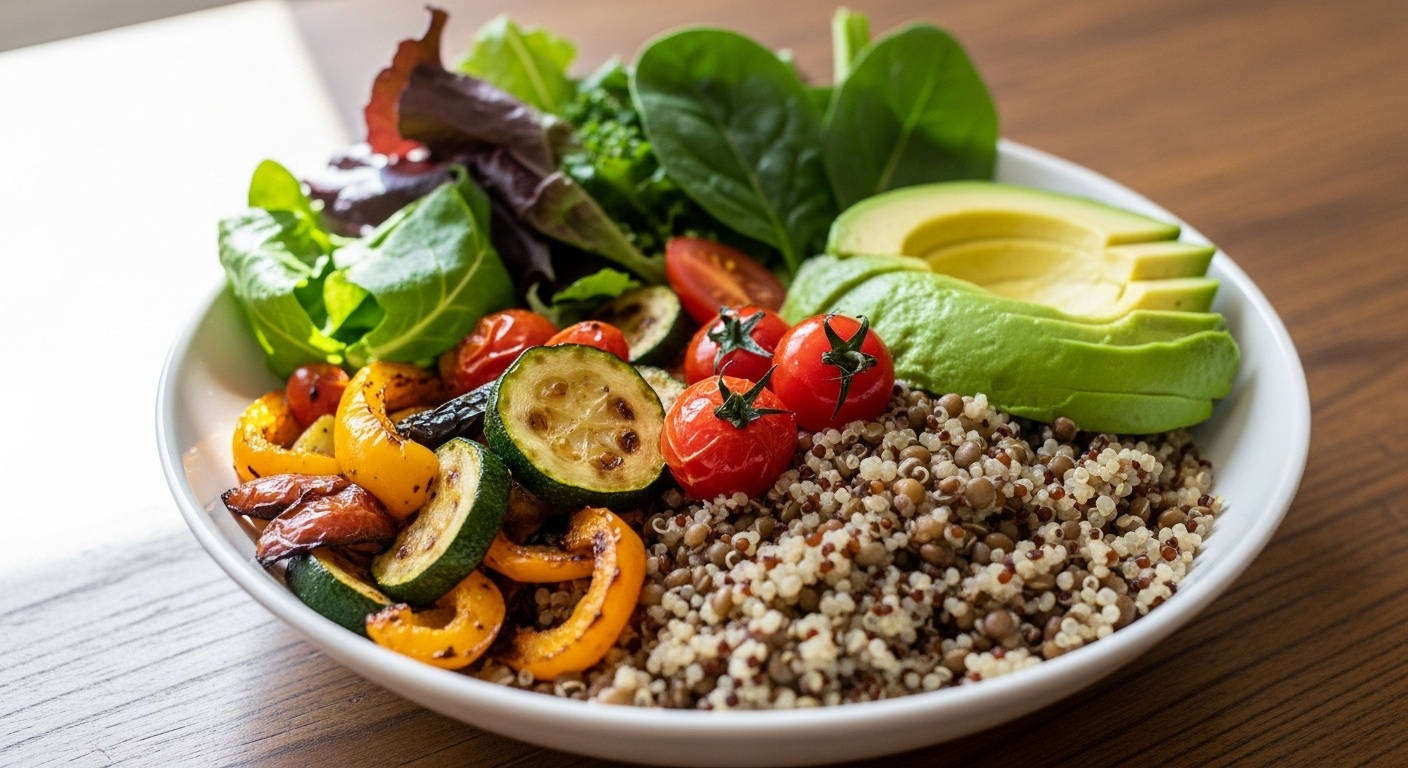
Recipe: Iron-Rich Lentil and Spinach Power Bowl
This nourishing recipe is designed to support iron levels, energy, and overall health.
Cook green or brown lentils until tender. In a separate pan, sauté garlic, onions, and fresh spinach in olive oil. Combine the lentils and spinach, then add cooked quinoa for extra protein. Drizzle with a dressing made from lemon juice, tahini, and a touch of maple syrup. Top with pumpkin seeds and sliced avocado.
This meal combines iron-rich ingredients with vitamin C for better absorption, along with healthy fats and protein for sustained energy.
Supporting Hormones Through Everyday Meals
Consistency is key when it comes to supporting hormonal balance. Eating regular meals with a balance of nutrients helps prevent blood sugar fluctuations that can disrupt hormones.
- Incorporating a variety of colorful vegetables ensures a wide range of vitamins and antioxidants. Including healthy fats at each meal supports hormone production, while adequate protein helps maintain lean muscle and metabolic health.
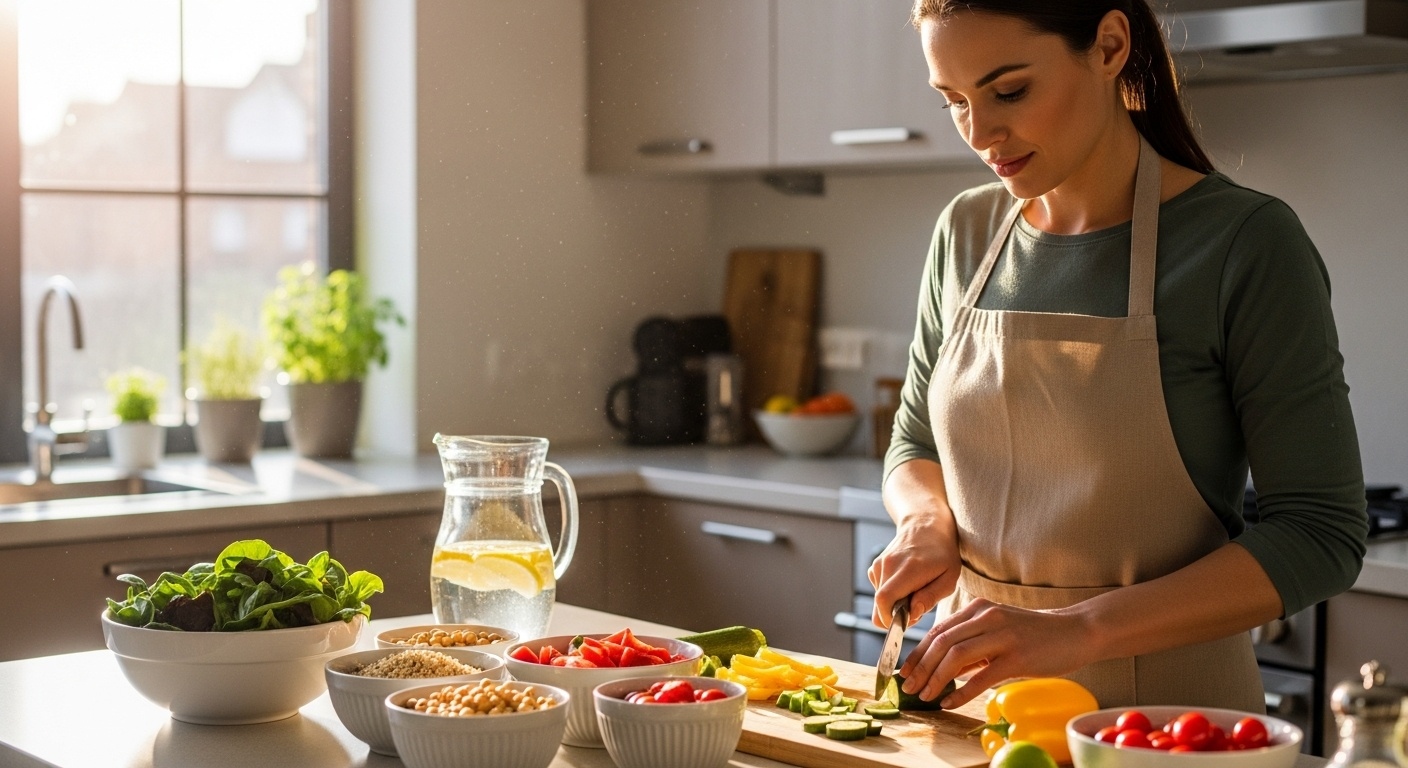
- Hydration also plays a role. Drinking enough water supports digestion, detoxification, and overall energy levels.
- Sleep, stress management, and physical activity all interact with nutrition to influence hormonal health. A holistic approach yields the best results.
Vegetarian Diets Across Life Stages
Women’s nutritional needs evolve over time, and a vegetarian diet can adapt to these changes.
During adolescence, growth and development require increased protein, calcium, and iron. In reproductive years, iron intake becomes especially important. Pregnancy increases the need for folate, iron, and protein.
During menopause, hormonal shifts may affect bone density and metabolism. Calcium, vitamin D, and phytonutrient-rich foods become particularly valuable.
A flexible vegetarian diet that incorporates a variety of whole foods can support women through each of these life stages.
Common Challenges and How to Overcome Them
While vegetarian diets offer many benefits, they can present challenges if not carefully planned.
- Iron deficiency is one of the most common concerns. Regularly including iron-rich foods and pairing them with vitamin C can help address this issue.
- Another challenge is ensuring adequate protein intake. Including a variety of legumes, dairy, tofu, and grains throughout the day helps maintain balance.
- Vitamin B12 is another nutrient that requires attention. Fortified foods or supplements are often necessary for those following a vegetarian diet.
With awareness and planning, these challenges can be easily managed.
Final Thoughts
A vegetarian diet can be a powerful foundation for women’s health when it is thoughtfully designed. By focusing on nutrient-rich whole foods, women can support hormonal balance, maintain healthy iron levels, and enjoy steady, lasting energy.
The key lies in balance, variety, and consistency. Incorporating iron-rich foods, pairing nutrients strategically, and prioritizing whole, plant-based ingredients creates a diet that is both nourishing and sustainable.
Whether you are new to vegetarian eating or looking to refine your approach, understanding how nutrition impacts hormones and energy can help you feel your best every day.