A Guide to Essential Nutrients, Smart Food Pairings, and Building a Balanced Plant-Based Diet
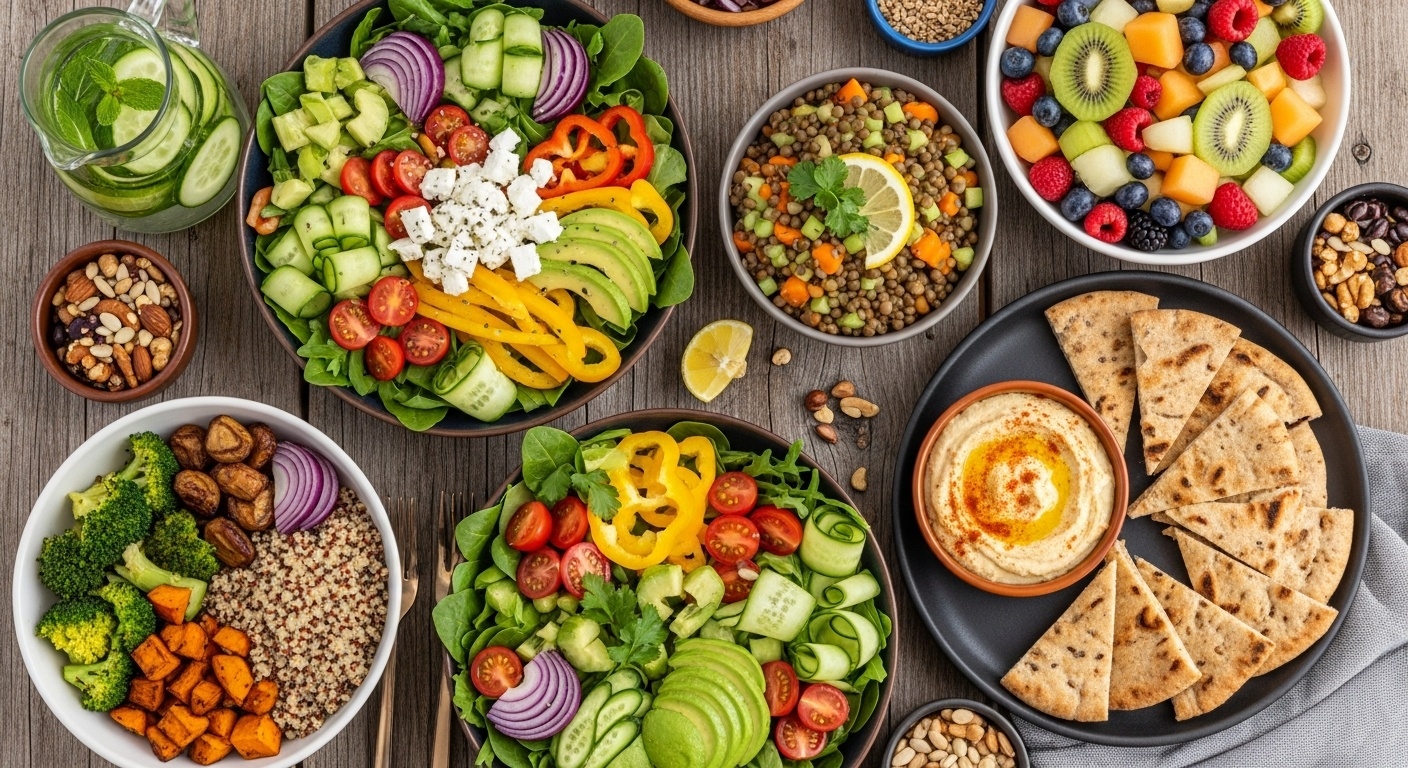
A vegetarian diet can be vibrant, nourishing, and deeply satisfying. From colorful vegetables and hearty grains to protein-rich legumes and dairy-based favorites, plant-forward eating offers both health benefits and culinary creativity. Yet, like any dietary pattern, vegetarian eating requires thoughtful planning to ensure nutritional balance. While many people transition to vegetarianism for health, environmental, or ethical reasons, they sometimes encounter unexpected challenges—particularly around key nutrients that are more abundant or more easily absorbed from animal-based foods. The good news is that nearly all of these nutrients can be obtained through vegetarian-friendly sources when approached with knowledge and intention. This guide explores the most common nutrient deficiencies on a vegetarian diet and provides practical, food-focused solutions. Along the way, you’ll discover simple cooking strategies and a delicious recipe designed to help you build a balanced, energizing vegetarian lifestyle.
A: Yes, by eating a variety of beans, grains, nuts, seeds, and dairy or eggs if included.
A: Vitamin B12 is the most common concern and often requires fortified foods or supplements.
A: Pair iron-rich foods with vitamin C sources like citrus or peppers.
A: Often for B12 and sometimes vitamin D, depending on diet and lifestyle.
A: Yes, through fortified plant milks, tofu, almonds, and certain greens.
A: Include flaxseeds, chia seeds, walnuts, or consider algae-based supplements.
A: Some are, like quinoa and soy, but variety ensures full amino acid coverage.
A: Periodic blood tests can help monitor key nutrients.
A: Yes, with careful planning to ensure all nutrient needs are met.
A: Eat a wide variety of whole foods and include fortified options where needed.
Why Nutrient Gaps Can Happen on a Vegetarian Diet
Vegetarian diets eliminate meat, poultry, and fish, which are naturally rich in several essential nutrients. While plant foods contain many of these nutrients, they are sometimes present in different forms that the body absorbs less efficiently. For example, iron from plant foods is non-heme iron, which is not as easily absorbed as the heme iron found in meat. In addition, certain nutrients—like vitamin B12—are found almost exclusively in animal products. Without careful planning, vegetarians may unintentionally consume lower amounts of these nutrients over time. However, this does not mean a vegetarian diet is inherently deficient. Instead, it highlights the importance of variety, pairing foods strategically, and understanding how cooking methods can improve nutrient absorption.
Vitamin B12: The Essential Nutrient to Watch
Vitamin B12 is one of the most important nutrients for vegetarians to monitor. It plays a critical role in nerve function, red blood cell formation, and DNA synthesis. Because B12 is primarily found in animal products, vegetarians—especially vegans—are at higher risk of deficiency.
Symptoms of low B12 can include fatigue, weakness, and neurological issues if left unaddressed. Fortunately, there are effective ways to maintain adequate levels.
Fortified foods are one of the most accessible sources of B12. Many plant-based milks, breakfast cereals, and nutritional yeast products are enriched with this vitamin. For those who include dairy and eggs in their diet, these foods can also contribute to intake, though often not in sufficient amounts alone.
In many cases, a B12 supplement is recommended to ensure consistent and reliable intake. When combined with fortified foods, this approach can fully meet the body’s needs.
Iron: Boosting Absorption the Smart Way
Iron is another nutrient that deserves attention on a vegetarian diet. It is essential for oxygen transport in the blood and overall energy levels. While plant foods such as lentils, beans, tofu, spinach, and fortified cereals contain iron, it is in the non-heme form.
The key to optimizing iron intake is not just what you eat, but how you combine foods. Vitamin C dramatically enhances the absorption of non-heme iron. Pairing iron-rich foods with vitamin C sources such as citrus fruits, bell peppers, tomatoes, or strawberries can significantly improve how much iron your body absorbs.
Cooking techniques can also help. For example, using cast iron cookware can slightly increase the iron content of certain dishes. Soaking, sprouting, or fermenting legumes and grains may also improve mineral availability.
Protein: Building Strong Foundations
Protein is often the first concern people raise when discussing vegetarian diets. However, with a well-planned approach, meeting protein needs is entirely achievable.
Unlike animal proteins, many plant proteins are incomplete, meaning they lack one or more essential amino acids. The solution lies in variety. By consuming a range of protein sources—such as beans, lentils, chickpeas, tofu, tempeh, dairy, eggs, nuts, and seeds—you can ensure your body receives all the essential amino acids it needs.
Classic combinations like rice and beans or hummus and whole-grain bread naturally complement each other. Over the course of a day, these combinations provide complete protein coverage without requiring strict pairing at every meal.
Omega-3 Fatty Acids: Supporting Brain and Heart Health
Omega-3 fatty acids are important for brain function, heart health, and reducing inflammation. While fatty fish are a well-known source, vegetarians can obtain omega-3s from plant-based foods.
Flaxseeds, chia seeds, walnuts, and hemp seeds are excellent sources of alpha-linolenic acid (ALA), a type of omega-3. While the body can convert ALA into the more active forms (EPA and DHA), the conversion rate is relatively low.
To support optimal intake, vegetarians can include these foods regularly in their diet. Ground flaxseed added to oatmeal, chia seeds in smoothies, and walnuts in salads are simple and effective ways to boost omega-3 intake. Some people also choose algae-based supplements, which provide DHA directly.
Calcium and Vitamin D: Strengthening Bones the Vegetarian Way
Calcium and vitamin D work together to support strong bones and teeth. While dairy products are a familiar source of calcium, vegetarians who limit or avoid dairy can still meet their needs through other foods.
Calcium-rich plant foods include fortified plant milks, tofu made with calcium sulfate, almonds, sesame seeds, and leafy greens such as kale and bok choy. However, not all greens are equal; some contain compounds that reduce calcium absorption.
Vitamin D is more challenging because it is found in relatively few foods. Sunlight exposure helps the body produce vitamin D, but this may not be sufficient depending on location, season, and lifestyle. Fortified foods and supplements are often necessary to maintain optimal levels.
Zinc and Iodine: The Quiet Essentials
Zinc plays a role in immune function, wound healing, and metabolism. Plant-based sources include whole grains, legumes, nuts, and seeds. However, compounds in these foods can inhibit zinc absorption.
Soaking, sprouting, and fermenting foods can help improve zinc bioavailability. Including a variety of these foods throughout the day supports adequate intake.
Iodine is essential for thyroid function and is commonly obtained from iodized salt and seafood. Vegetarians can meet their iodine needs by using iodized salt or incorporating small amounts of sea vegetables, though care should be taken to avoid excessive intake.
A Simple Nutrient-Rich Recipe: Power Lentil and Spinach Bowl
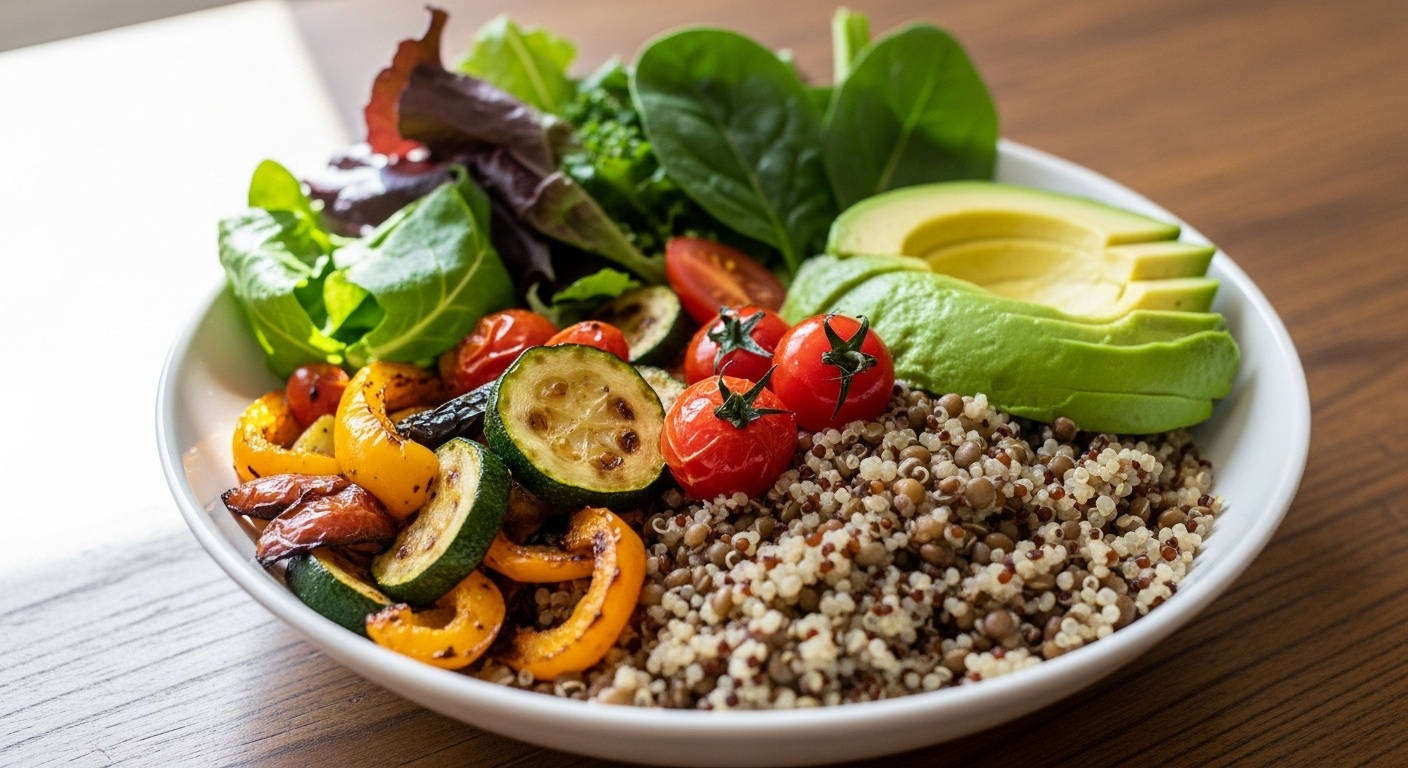
One of the best ways to address multiple nutrient needs at once is through thoughtfully designed meals. A lentil and spinach bowl offers a perfect example of how vegetarian ingredients can work together to deliver iron, protein, fiber, and more.
Start by cooking lentils until tender. In a separate pan, sauté garlic, onions, and chopped spinach in olive oil until wilted. Combine the lentils and spinach, then add diced tomatoes for a boost of vitamin C, which enhances iron absorption.
Serve the mixture over brown rice or quinoa for additional protein and fiber. Top with a sprinkle of toasted seeds or a dollop of yogurt for extra richness.
This dish is simple, adaptable, and packed with nutrients, making it an ideal staple for anyone looking to strengthen their vegetarian diet.
Smart Strategies for Long-Term Success
Maintaining a balanced vegetarian diet is less about restriction and more about awareness. Planning meals that include a variety of food groups ensures a broader spectrum of nutrients.
Paying attention to food pairings can make a significant difference. Combining iron-rich foods with vitamin C, incorporating healthy fats for nutrient absorption, and including fortified foods where needed all contribute to better outcomes.
Listening to your body is also essential. Regular check-ups and occasional blood tests can help identify any developing deficiencies early, allowing for timely adjustments.
The Joy of a Well-Balanced Vegetarian Lifestyle
A vegetarian diet, when thoughtfully planned, can be one of the most nourishing and sustainable ways to eat. It encourages creativity in the kitchen, supports overall health, and aligns with a variety of personal values.
Rather than focusing on what is missing, successful vegetarian eating is about embracing abundance—colorful produce, diverse grains, rich legumes, and innovative recipes that bring everything together.
By understanding common nutrient gaps and how to address them, you can enjoy the full benefits of vegetarian living without compromise. With the right knowledge and a few practical strategies, your plate can be both exciting and complete.