Exploring Authentic African Cuisine from North Africa to the Cape
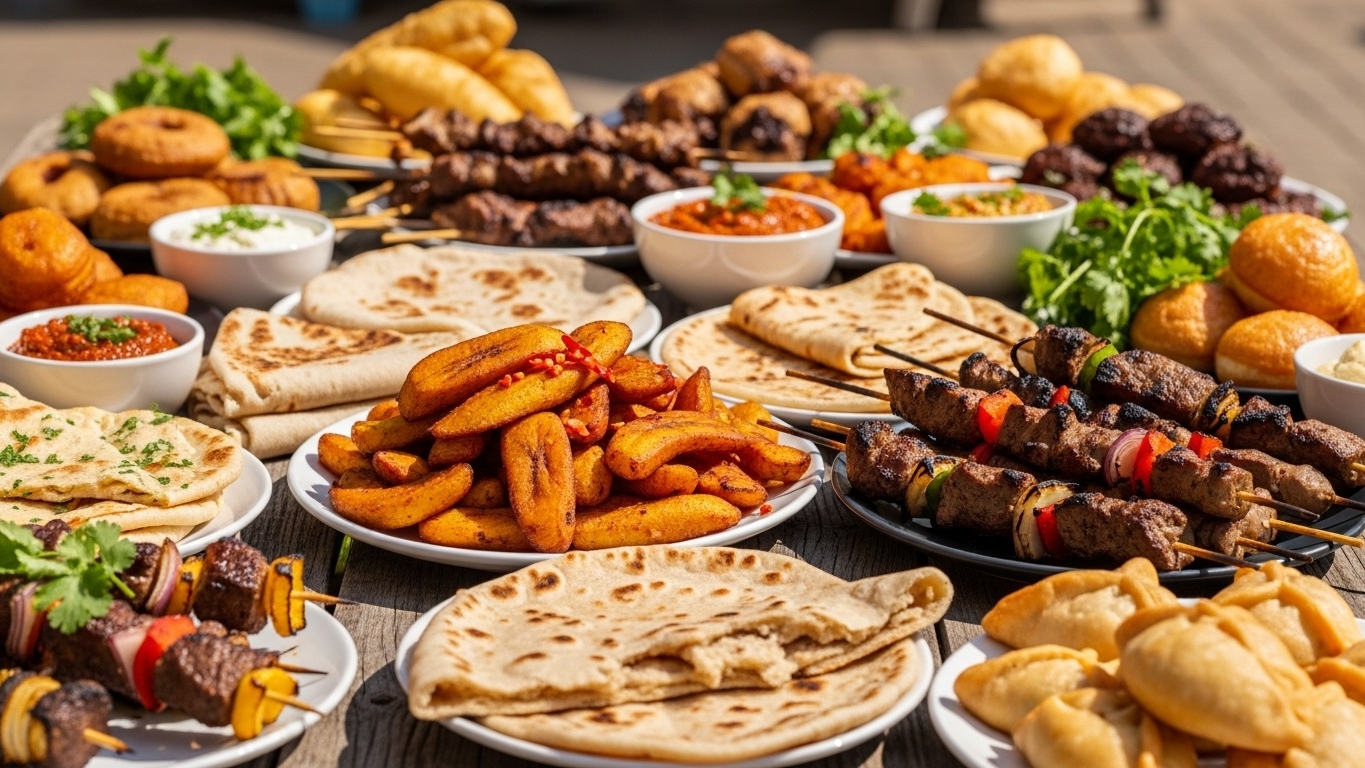
African cuisine is not a single culinary tradition but a vibrant mosaic shaped by geography, climate, trade routes, migration, and centuries of cultural exchange. From the fragrant tagines of North Africa to the spicy stews of West Africa, the injera platters of the Horn, and the braai culture of Southern Africa, traditional African foods reflect both deep history and everyday resilience. This complete guide to traditional African foods by region explores the ingredients, cooking techniques, staple dishes, and flavor foundations that define the continent’s diverse culinary identity. Whether you are searching for authentic recipes, exploring global cuisines, or building a deeper understanding of African food culture, this regional journey reveals how tradition, flavor, and community intersect at the table.
A: Pick one region and master a staple + stew combo (like jollof + grilled chicken, or injera + lentil stew).
A: Not always—onions, tomatoes, chilies, and good technique go far; add signature spices as you explore.
A: Use a neutral oil; you’ll lose some signature flavor, but the dish will still be delicious.
A: Use milder peppers, remove seeds, and rely on aromatics and warm spices for depth.
A: No—many dishes are aromatic or savory rather than hot, especially in parts of North and Southern Africa.
A: A simple groundnut stew, quick peri-peri-style chicken, or a tomato-pepper rice dish are great starts.
A: Cook onions longer, toast spices, simmer your base until it darkens, and add a smoky element if traditional.
A: Yes—use lentils, beans, mushrooms, or roasted vegetables and build umami with smoked spices or tomato depth.
A: Rice, couscous, flatbreads, fufu, or maize porridge depending on the region you’re exploring.
A: Cool quickly, refrigerate, reheat gently, and refresh with citrus, herbs, or a touch of heat to brighten.
North Africa: Aromatics, Grains, and Slow Simmered Depth
North African cuisine is influenced by Arab, Berber, Mediterranean, and Ottoman traditions. Countries such as Morocco, Tunisia, Algeria, Libya, and Egypt share a love of fragrant spices, preserved ingredients, and slow cooking techniques.
Couscous is one of the region’s most iconic staples. Steamed semolina grains are typically served with vegetables, chickpeas, and tender lamb or chicken in a richly spiced broth.
- In Morocco, tagines—named after the conical clay cooking vessel—feature slow-simmered meats with preserved lemons, olives, apricots, or almonds.
- Tunisia’s cuisine leans fiery, with harissa chili paste adding bold heat to stews and grilled seafood.
- Egypt’s beloved koshari combines rice, lentils, pasta, chickpeas, tomato sauce, and crispy onions into a hearty street food dish.
Across the region, bread is central, often used to scoop stews and salads rather than as a side dish. Spice blends such as ras el hanout layer cinnamon, cumin, coriander, ginger, turmeric, and cardamom into dishes that are both aromatic and complex. Olive oil, dates, figs, and almonds frequently appear, reflecting Mediterranean agricultural roots.
West Africa: Bold Spice, Root Crops, and Communal Stews
West African cuisine is known for its deep flavors, vibrant heat, and emphasis on communal meals. Countries such as Nigeria, Ghana, Senegal, Ivory Coast, and Mali showcase hearty dishes built around grains, root vegetables, and richly spiced sauces.
Jollof rice stands as one of the most celebrated dishes in the region. Cooked in a tomato-pepper base with onions and spices, it is often served with grilled chicken, fried plantains, or fish. Each country has its own variation, and friendly rivalries about the “best” version are common.
Fufu, made by pounding cassava, yam, or plantain into a smooth dough-like consistency, is paired with soups such as egusi (melon seed stew), groundnut (peanut) soup, or okra soup. These stews often include beef, goat, fish, or smoked meats, building deep umami layers.
Palm oil is a foundational ingredient, lending rich color and flavor to many dishes. Scotch bonnet peppers add significant heat, balanced by the earthiness of leafy greens and legumes.
Street foods are equally important. Suya, a spiced grilled meat skewer coated in ground peanut and chili spice, is a popular snack across Nigeria and beyond. West African cuisine celebrates boldness, texture, and shared dining experiences.
East Africa: Fermentation, Grains, and Coastal Influence
East African cuisine reflects agricultural diversity and strong Indian Ocean trade connections. Ethiopia, Eritrea, Kenya, Tanzania, and Somalia each bring unique flavors while sharing staple grains and stews.
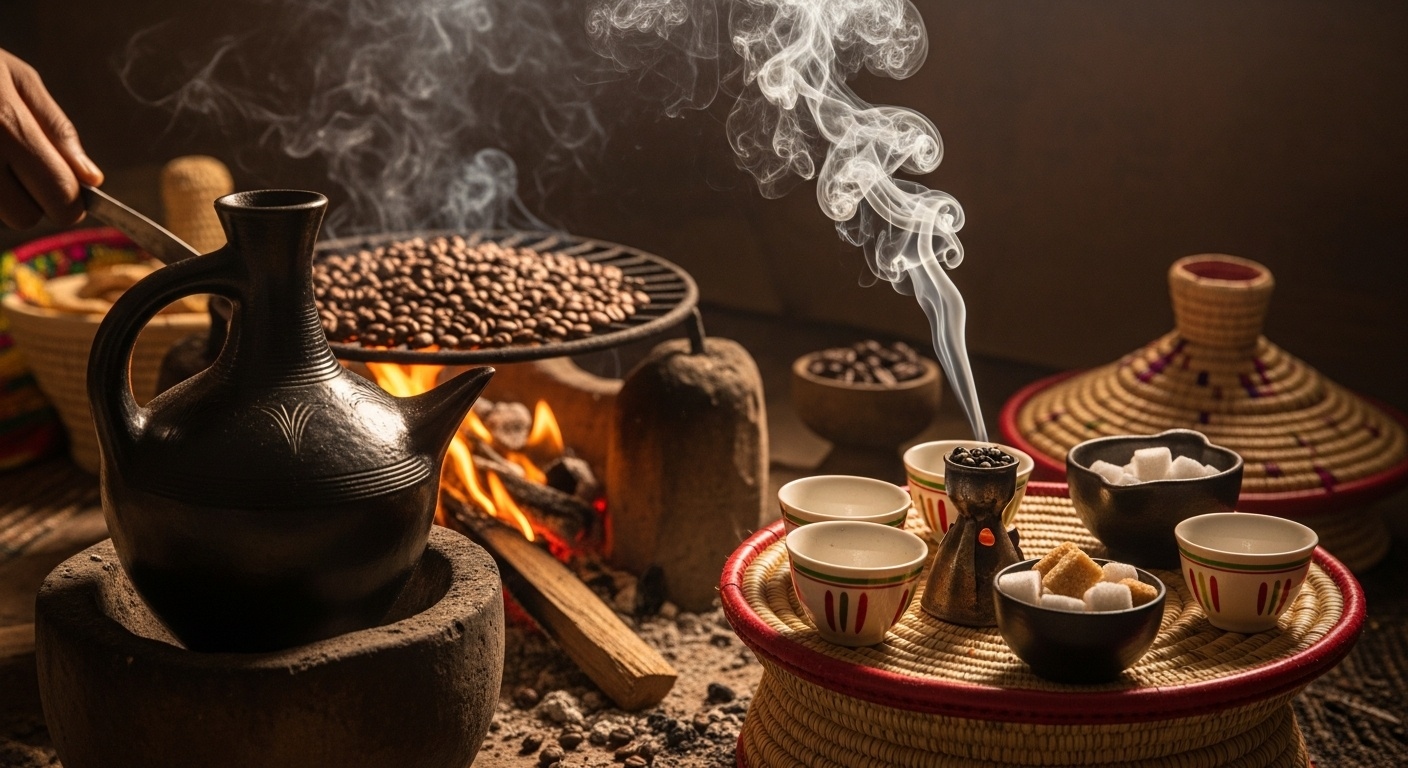
Ethiopian cuisine centers on injera, a sourdough flatbread made from teff flour. Injera serves as both plate and utensil, with various stews known as wats placed on top. Doro wat, a slow-cooked chicken stew rich with berbere spice and clarified butter, stands among the region’s most iconic dishes.
Berbere spice blends chili, garlic, ginger, fenugreek, and warm spices into a complex, layered seasoning. Lentil dishes such as misir wat offer plant-based depth, while collard greens and cabbage are common sides.
Along the Swahili Coast, coconut milk and seafood dominate. Tanzanian and Kenyan coastal dishes often include fragrant rice cooked with spices, grilled fish, and curries influenced by Indian traders. Pilau rice and chapati bread are widely enjoyed.
Fermentation plays a key role not only in injera but also in traditional beverages. East African cuisine blends spice, tang, and subtle sweetness into meals that are both nourishing and deeply rooted in tradition.
Central Africa: Cassava, River Fish, and Forest Ingredients
Central African cuisine reflects the region’s lush landscapes and reliance on forest and river resources. Countries such as the Democratic Republic of Congo, Cameroon, and Gabon feature cassava as a primary staple.
Cassava is used to produce fufu, boiled tubers, and fermented flour dishes. In many areas, cassava leaves are cooked into stews with palm oil, garlic, and ground peanuts, creating earthy, hearty meals.
River fish is abundant and often grilled or stewed. Peanut-based sauces are common, adding protein and richness. Plantains appear frequently, either boiled, fried, or mashed.
Central African cooking emphasizes resourcefulness, seasonal ingredients, and preservation techniques. Meals are typically simple yet satisfying, built around staples that sustain communities.
Southern Africa: Grilling Traditions and Colonial Fusion
Southern African cuisine blends indigenous foodways with European and Asian influences. South Africa, Zimbabwe, Zambia, Botswana, and Namibia share a tradition of maize-based staples and outdoor cooking.
Pap, a maize porridge similar to polenta, is a central starch. It is often paired with chakalaka, a spicy vegetable relish, or slow-cooked meat stews.
In South Africa, braai culture represents more than grilling—it is a social ritual. Grilled meats such as boerewors sausage, lamb chops, and chicken are cooked over open flames, accompanied by salads and bread.
Cape Malay cuisine, influenced by Southeast Asian immigrants, introduces dishes like bobotie, a spiced minced meat bake topped with custard. Peri-peri chicken, flavored with chili and citrus, reflects Portuguese influence from neighboring Mozambique.
Southern African cuisine showcases cultural blending while honoring indigenous staples like sorghum and millet.
Key Ingredients Across African Cuisine
While Africa’s regions are distinct, certain ingredients recur across borders. Millet, sorghum, maize, cassava, yams, and plantains provide foundational carbohydrates. Legumes such as lentils, cowpeas, and peanuts supply protein.
Spices range from mild and aromatic in North Africa to boldly spicy in West Africa. Fresh herbs, leafy greens, and root vegetables ground dishes in local agriculture.
Cooking methods often include stewing, grilling, fermenting, and slow simmering. Meals are frequently communal, emphasizing shared platters and hospitality.
Sample Recipe: Classic West African Groundnut Stew
Groundnut stew is a comforting West African dish rich with peanut flavor and warming spices.
Begin by sautéing chopped onions in palm oil. Add garlic, ginger, and chili peppers, cooking until fragrant. Stir in tomato paste and crushed tomatoes, allowing them to caramelize slightly.
Add chicken pieces and enough stock to cover. Simmer until tender. Stir in natural peanut butter and allow the stew to thicken. Add leafy greens near the end and adjust seasoning with salt.
Serve over rice or alongside fufu. The result is creamy, savory, slightly spicy, and deeply satisfying.
The Cultural Importance of Traditional African Foods
Traditional African foods are inseparable from community, celebration, and identity. Meals mark weddings, harvests, religious holidays, and family gatherings. Food preparation is often collective, with recipes passed down orally. Techniques such as pounding fufu or preparing spice blends become cultural rituals. Across the continent, hospitality is central. Sharing food signifies welcome, respect, and unity.
African Cuisine in the Global Spotlight
Today, African cuisine is gaining international recognition. Chefs worldwide are exploring regional African ingredients and techniques. Dishes once considered niche are now featured in fine dining establishments.
This renewed global interest highlights the sophistication and diversity of African culinary traditions.
A Continent of Flavor
Traditional African foods cannot be reduced to a single narrative. Each region offers distinct flavors shaped by geography and history. From the aromatic stews of Morocco to the fiery rice dishes of Ghana and the fermented breads of Ethiopia, African cuisine tells stories of resilience, creativity, and connection. Exploring traditional African foods by region is more than a culinary journey—it is an exploration of culture, heritage, and the power of shared meals.