The Science, the Kitchen Confusion, and Why It Matters for How We Eat
Walk through any grocery store and you’ll find fruits and vegetables grouped together as nutritional heroes, praised for color, freshness, and health benefits. Yet despite how often we use the terms, the question still lingers: what is the real difference between fruits and vegetables? The answer isn’t as simple as sweet versus savory, or raw versus cooked. In fact, the distinction depends entirely on whether you’re looking through the lens of botany, nutrition, culinary tradition, or everyday language—and those perspectives don’t always agree. Understanding the difference between fruits and vegetables isn’t just trivia. It affects how we cook, how we shop, how we plan meals, and how we think about nutrition. From tomatoes and cucumbers to squash and peppers, many foods we casually call vegetables are actually fruits by scientific definition. At the same time, some ingredients we treat like fruit in the kitchen are botanically vegetables. This overlap is not a mistake—it’s a reflection of how food, culture, and science intersect. This guide unpacks the real difference between fruits and vegetables, explains why the confusion exists, and shows why it matters far less than most people think.
A: Both are essential and offer different nutrients.
A: Culinary tradition overrides botanical rules.
A: Yes, carrots and zucchini are classic examples.
A: Generally yes, but it’s natural sugar.
A: Both offer benefits depending on the nutrient.
A: Yes, they retain most nutrients.
A: Yes, color indicates different phytonutrients.
A: Aim for variety rather than strict counts.
A: No, they complement each other.
A: Depends on type, ripeness, and humidity.
The Botanical Definition: Where Science Draws the Line
From a botanical standpoint, the difference between fruits and vegetables is precise and non-negotiable.
A fruit is the mature ovary of a flowering plant, formed after fertilization and containing seeds. Its biological purpose is reproduction. Apples, oranges, berries, tomatoes, cucumbers, avocados, peppers, pumpkins, and squash all qualify as fruits because they develop from flowers and carry seeds inside.
Vegetables, botanically speaking, are edible plant parts that are not directly involved in reproduction. This category includes roots like carrots and beets, stems like celery and asparagus, leaves like spinach and lettuce, bulbs like onions and garlic, and flowers like broccoli and cauliflower. Botanists do not technically use the term “vegetable” as a scientific classification—it’s a culinary and agricultural term rather than a biological one.
This is where the first layer of confusion begins. Science recognizes fruits clearly, but vegetables are essentially a catch-all for edible plant parts that are not fruits. From this perspective, fruits are a subset of edible plants, while vegetables are a broad category defined by exclusion rather than structure.
Culinary Classification: How the Kitchen Rewrites the Rules
Step out of the lab and into the kitchen, and the definitions change immediately. Culinary classification is based not on plant anatomy, but on flavor, texture, and how ingredients are used in cooking.
- Fruits are typically sweet or tart, often eaten raw or used in desserts, beverages, and light dishes.
- Vegetables are usually savory, cooked, and used in main dishes, sides, soups, and sauces.
This is why tomatoes are treated as vegetables in pasta sauce, salsa, and salads, despite being fruits botanically. Their acidity and savory compatibility place them firmly in the vegetable category in most cuisines. The same is true for eggplants, zucchini, cucumbers, and peppers. They behave like vegetables in cooking, even if science says otherwise.
On the flip side, rhubarb is botanically a vegetable because it’s a stalk, yet it’s treated like a fruit in pies and desserts due to its tart flavor and pairing with sugar. Culinary logic prioritizes how ingredients taste and function, not how they grow.
Cooks have always classified foods based on what makes sense on the plate. This practical approach explains why recipes, menus, and cultural traditions often ignore botanical definitions entirely.
Nutrition: Where Fruits and Vegetables Overlap
From a nutritional standpoint, fruits and vegetables have far more in common than they have differences. Both are rich in vitamins, minerals, fiber, antioxidants, and phytonutrients that support overall health. This is why dietary guidelines often group them together and encourage people to eat more of both.
That said, general trends do exist.:
- Fruits often contain higher levels of natural sugars and vitamin C, making them excellent for quick energy and immune support.
- Vegetables tend to be higher in fiber, minerals, and certain micronutrients, especially leafy greens and cruciferous vegetables.
- Root vegetables provide complex carbohydrates, while colorful fruits offer potent antioxidants.
These are patterns, not rules.
- Avocados are fruits but contain healthy fats rather than sugar.
- Tomatoes are fruits rich in lycopene, an antioxidant often associated with vegetables.
- Sweet potatoes are vegetables but have a sweetness comparable to many fruits.
Nutrition science reinforces an important truth: the health value of produce has more to do with variety, color, and preparation than whether something is technically a fruit or a vegetable.
The Legal and Cultural Gray Area
The confusion between fruits and vegetables isn’t limited to science and cooking—it has even reached the courts. In 1893, the U.S. Supreme Court ruled that tomatoes should be classified as vegetables for the purpose of import tariffs. The decision wasn’t based on botany, but on common usage. Tomatoes were served with dinner, not dessert, and therefore counted as vegetables in everyday life.
This ruling highlights a recurring theme: cultural perception often outweighs scientific accuracy when it comes to food classification. Language, habit, and tradition shape how we categorize what we eat. Over time, these habits become so ingrained that questioning them feels strange, even when science says otherwise.
Different cultures draw these lines differently as well. Some cuisines freely blur the boundaries between fruits and vegetables, using sweet ingredients in savory dishes and vice versa. Mango in salads, pineapple in stir-fries, and apple in savory sauces are common examples of culinary traditions that ignore rigid classifications altogether.
Flavor, Texture, and Cooking Methods
One of the most practical ways to understand the difference between fruits and vegetables is to think about how they behave when cooked.
- Fruits often soften quickly, release juice, and caramelize due to their sugar content.
- Vegetables may soften, but many also retain structure, develop savory depth, and change texture dramatically when roasted or sautéed.
These characteristics influence how ingredients are paired and prepared.
- Fruits often add brightness, acidity, or sweetness to balance rich or salty dishes.
- Vegetables provide bulk, texture, and savory foundation.
When you understand these roles, you can use fruits and vegetables more creatively without worrying about strict labels.
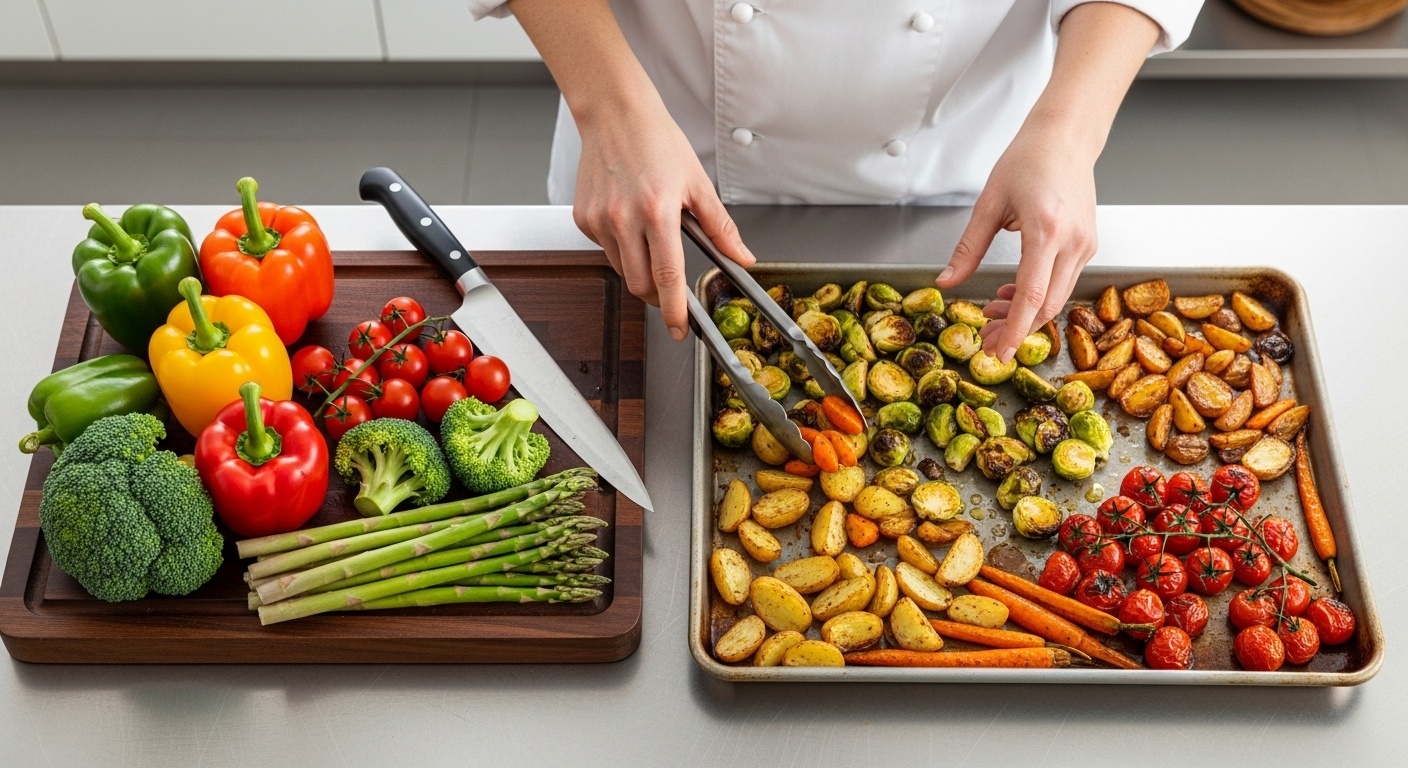
Roasting, for example, can make vegetables taste sweeter by concentrating natural sugars, while grilling fruit can bring out smoky, savory notes. Cooking transforms flavor so completely that the original classification becomes less relevant than the final taste.
Seeds, Sweetness, and the Myth of Simplicity
A common myth is that fruits have seeds and vegetables do not, or that fruits are sweet while vegetables are savory. While seeds are a reliable botanical indicator, sweetness is not. Many fruits are not sweet at all, and many vegetables contain significant natural sugars.
Peppers, tomatoes, and avocados are fruits with little sweetness. Carrots, beets, and sweet potatoes are vegetables that can taste distinctly sweet. Sweetness depends on sugar content, ripeness, and preparation, not botanical category.
This misunderstanding persists because our brains like simple rules. Unfortunately, food rarely fits into neat boxes. Nature doesn’t organize itself according to grocery store signage, and human cuisine has evolved to adapt ingredients in creative ways.
Why the Difference Matters (and Why It Often Doesn’t)
So does it actually matter whether something is a fruit or a vegetable? In most cases, no. For cooking, what matters is flavor, texture, and how an ingredient behaves with heat, seasoning, and other foods. For nutrition, what matters is eating a diverse range of whole plant foods. For shopping and meal planning, clarity can be helpful, but rigid definitions rarely improve outcomes.
Where the distinction can matter is in education, agriculture, and science, where precise language helps explain plant biology and growth. It can also matter in specific dietary contexts, such as managing sugar intake or understanding carbohydrate sources. Even then, the focus should be on the food itself, not the label. The real takeaway is that fruits and vegetables are complementary, not opposing categories. They work together to create balanced meals, vibrant flavors, and nutrient-rich diets.
Blurring the Line in Everyday Cooking
Modern cooking increasingly celebrates the gray area between fruits and vegetables.
- Savory dishes feature fruit-based salsas, chutneys, and sauces.
- Desserts incorporate vegetables like carrots, zucchini, and pumpkin.
- Smoothies blend leafy greens with berries.
- Salads combine citrus, nuts, and vegetables in a single bowl.
These combinations succeed because they respect flavor balance rather than classification. Sweet offsets salty. Acid cuts richness. Texture creates interest. When cooks focus on these principles, the fruit-versus-vegetable debate becomes irrelevant. Understanding the origins of ingredients gives you knowledge, but trusting your palate gives you freedom.
The Bigger Picture: Variety Over Labels
Health experts consistently emphasize one principle above all others: eat a wide variety of plant foods. Different colors signal different nutrients. Different textures encourage diverse cooking methods. Different flavors keep meals interesting and sustainable long-term.
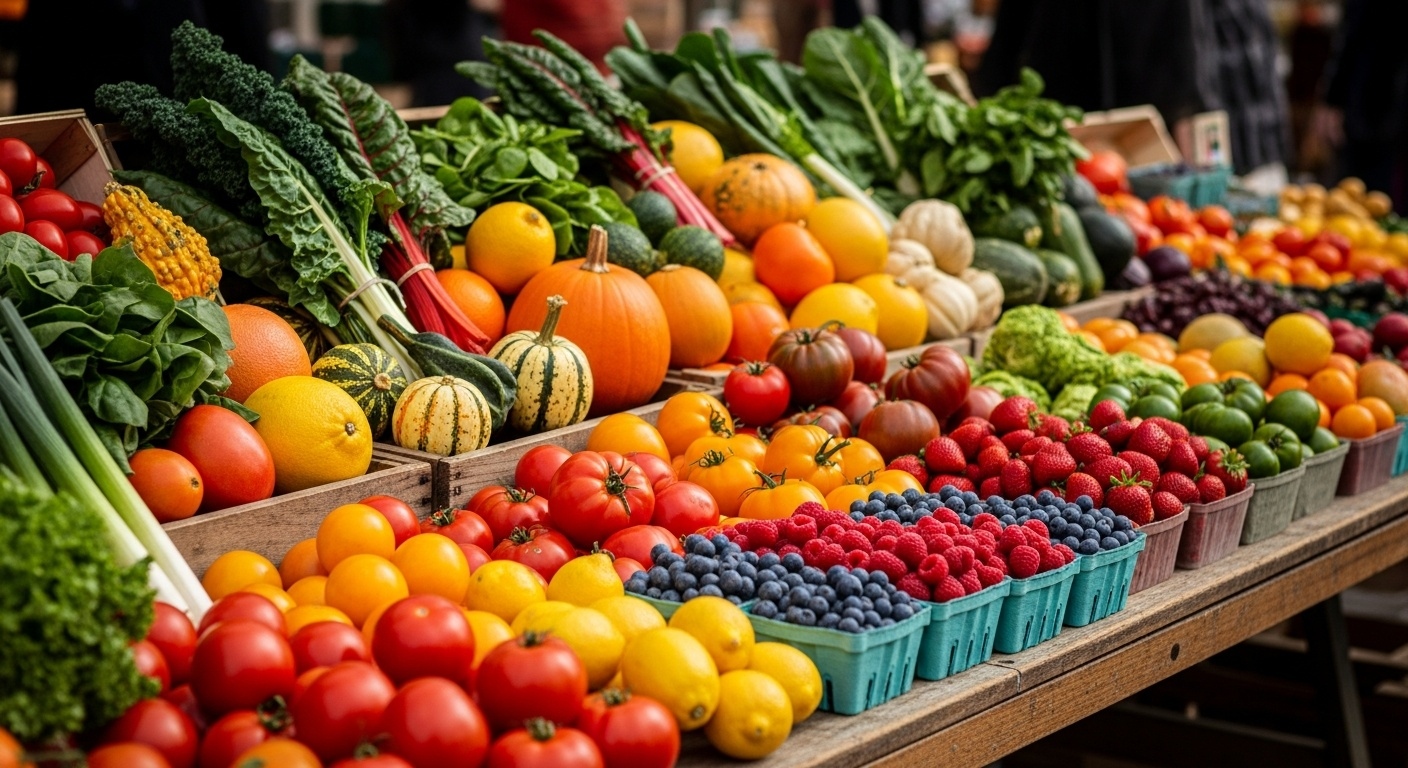
Whether something is technically a fruit or a vegetable matters far less than whether it’s fresh, minimally processed, and eaten regularly. A plate filled with colorful produce—leafy greens, bright berries, deep orange roots, vibrant peppers—is nutritionally powerful regardless of classification.
The fruit and vegetable aisle isn’t divided by science; it’s organized for convenience. Real nutrition happens when you look beyond labels and focus on diversity.
The Real Difference Explained
The real difference between fruits and vegetables depends on who you ask. Botanists define fruits by their role in plant reproduction. Cooks define fruits and vegetables by flavor and usage. Nutritionists focus on nutrients rather than names. Cultures define them through tradition, habit, and history. None of these perspectives are wrong—they simply answer different questions.
Instead of asking whether a tomato is a fruit or a vegetable, a more useful question is how it tastes, how it cooks, and how it fits into your meal. When you understand that food exists at the intersection of science, culture, and creativity, the confusion fades and curiosity takes its place. Fruits and vegetables are not rivals competing for a label. They are partners on the plate, each bringing something essential to the table. And when you stop worrying about what to call them, you’re free to enjoy them for what they are: some of the most versatile, nourishing, and delicious foods we have.