A Colorful, Flavor-Forward Guide to Eating for a Calmer Body
Inflammation is one of those words that gets tossed around so often it can start to feel vague—like a storm cloud that might be anywhere. But your body knows exactly what inflammation is. It’s the swelling around a sprained ankle. It’s the fever that helps you fight a virus. In that short-term form, inflammation is protective and brilliant—your immune system’s emergency response team showing up with flashing lights and a plan. The problem is when the alarms don’t shut off. Chronic, low-grade inflammation can simmer quietly in the background, nudging the body toward fatigue, achy joints, brain fog, digestive discomfort, and other issues that can make daily life feel heavier than it should. While no single food “cures” inflammation, what you eat can absolutely influence the balance—either feeding the fire or helping cool things down. That’s where fruits and vegetables shine. They’re loaded with fiber, water, vitamins, minerals, and a dazzling range of plant compounds—polyphenols, carotenoids, anthocyanins, and sulfur-containing compounds—that help support the body’s natural defenses. Think of them as edible calm: bright, crunchy, juicy, and quietly powerful. And the best part? This isn’t about bland food or strict rules. It’s about building meals that taste amazing and leave you feeling better afterward. This guide walks you through standout fruits and vegetables known for supporting a lower-inflammation lifestyle, why they matter, and easy ways to bring them into your everyday meals. Consider it your produce aisle game plan—built for real life, real cravings, and real results over time.
A: No—raw and cooked both count, and roasting can make veggies easier to eat.
A: Yes—frozen produce is convenient and often excellent quality.
A: A handful of greens plus berries is a strong, easy baseline.
A: Roast with olive oil and salt, then finish with lemon or vinegar.
A: Skip them—choose other colorful produce and focus on what feels good.
A: More is generally better, but start with consistency and build gradually.
A: Not necessarily—whole foods bring fiber and compounds supplements don’t replicate.
A: Yes—fiber-rich options like sweet potatoes pair well with produce.
A: Roast a tray of veggies, wash greens, and keep berries ready to grab.
A: It’s supportive nutrition—talk with a clinician for condition-specific guidance.
What “Anti-Inflammatory” Really Means on Your Plate
In food terms, “anti-inflammatory” doesn’t mean a single ingredient flips a switch and makes inflammation disappear. It means the overall pattern of eating supports healthier inflammatory signaling. Many fruits and vegetables help by supplying antioxidants that reduce oxidative stress, fiber that supports a healthier gut microbiome, and nutrients that support immune balance. Some also contain plant compounds that influence pathways involved in inflammatory processes.
A helpful mental model is this: inflammation and oxidative stress often travel together like troublemakers. If oxidative stress is high, inflammation tends to follow. Fruits and vegetables fight on multiple fronts—hydration, fiber, micronutrients, and phytochemicals—making them a foundational strategy rather than a trendy add-on.
Berries: Tiny Fruits With Big “Calm” Energy
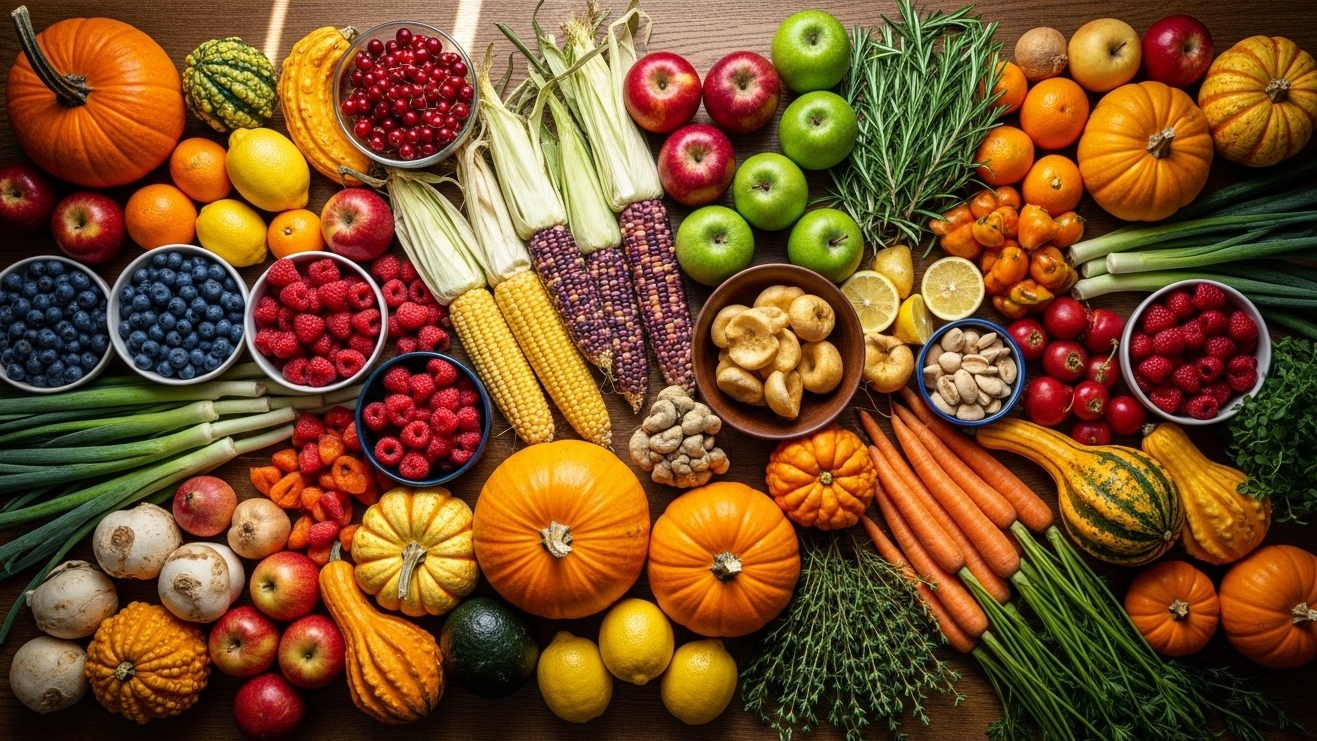
If inflammation had an arch-nemesis in the produce department, berries would be leading the charge. Blueberries, strawberries, raspberries, blackberries, and cherries are packed with anthocyanins—pigments that give them their deep red, purple, and blue colors. These compounds are studied for their antioxidant and inflammation-supporting properties, and they come bundled with fiber and vitamin C.
Berries are also incredibly easy to use:
- Toss them into oatmeal
- Swirl them into yogurt
- Blend them into smoothies
- Scatter them over salads with nuts and a simple vinaigrette.
Frozen berries are just as valuable and often more affordable, making them a year-round staple. If you want a quick habit with high payoff, start your day with a cup of berries in some form and watch how effortlessly your meals become more nutrient-dense.
Cherries deserve a special mention because they’re often linked with recovery and post-exercise soreness support in everyday wellness conversations. Whether fresh, frozen, or lightly cooked into a warm topping, cherries bring a rich flavor that feels indulgent while still being produce-forward.
Leafy Greens: The Daily “Reset Button” for Meals
Leafy greens are like the quiet overachievers of the anti-inflammatory world. Spinach, kale, arugula, Swiss chard, collards, and romaine are rich in vitamins, minerals, and plant compounds that support overall health. Many greens offer vitamin K, folate, and carotenoids, and they contribute fiber without adding heaviness.
What makes leafy greens especially powerful is how adaptable they are. They can be the base of a salad, blended into smoothies, stirred into soups, or sautéed with garlic and olive oil in minutes. Even small upgrades count. Add a handful of spinach to scrambled eggs. Tuck arugula into sandwiches. Stir chopped kale into pasta near the end so it softens but stays vibrant.
If you’re not a “salad person,” don’t force it. Think of greens as an ingredient, not a lifestyle. Warm greens often feel more comforting and less bitter—especially when paired with fat and acid, like olive oil and lemon.
Cruciferous Vegetables: Broccoli, Brussels Sprouts, and the Sulfur Squad
Cruciferous vegetables like broccoli, cauliflower, Brussels sprouts, cabbage, and bok choy bring a distinct advantage: sulfur-containing compounds that have been studied for their role in supporting the body’s detoxification systems and cellular health. Their flavor can be bold, but that’s a strength at the holiday table and in everyday dinners—it holds its own.
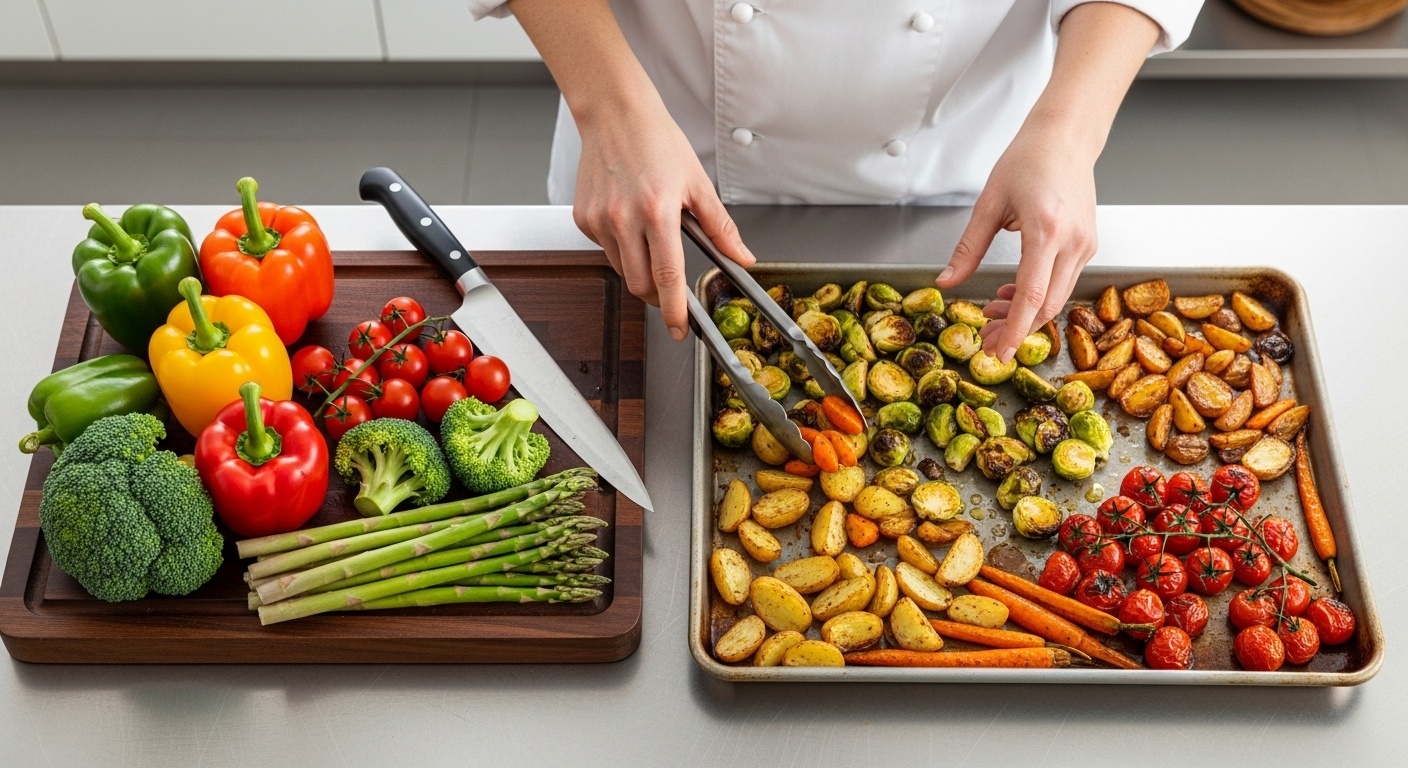
Roasting is the gateway method here. Brussels sprouts roasted until caramelized, broccoli crisped at the edges, cauliflower browned and nutty—these transformations turn skeptics into fans. Add a squeeze of lemon or a splash of vinegar after cooking, and you get a bright finish that makes the flavors pop. Cabbage is especially underrated. It’s affordable, crunchy, and versatile. Shred it into slaws, sauté it with onions, or use it as a base for quick stir-fries. It’s also one of the easiest ways to add volume and fiber to meals without needing complicated prep.
Tomatoes: A Juicy Source of Bright Flavor and Lycopene
Tomatoes bring more than acidity and sweetness—they deliver lycopene, a carotenoid associated with antioxidant activity. Cooked tomato products like tomato sauce, paste, and slow-simmered soups can be particularly useful because lycopene becomes more available with cooking. Pairing tomato-based dishes with healthy fats like olive oil also supports absorption.
Tomatoes are also a secret weapon for making healthy meals feel satisfying. A pot of veggie-rich marinara can anchor a week of dinners. Tomato soup becomes a full meal when blended with roasted red peppers and served with a protein-rich side. Fresh tomatoes bring that crisp brightness to bowls, salads, and wraps.
If tomatoes bother your stomach, that’s okay—everyone’s body has its quirks. The anti-inflammatory produce world is wide, and you can build a powerful plate without forcing any one food.
Bell Peppers: Crunchy, Sweet, and Loaded With Vitamin C
Bell peppers—especially red, orange, and yellow—are like edible confetti that actually does something. They’re rich in vitamin C and other antioxidants, and their natural sweetness makes healthy meals more craveable. They also bring a juicy crunch that helps replace processed snack textures in a way that feels satisfying rather than restrictive.
Slice peppers for dipping, roast them for sandwiches and bowls, stir them into fajitas, or sauté them with onions as a base for countless meals. If your goal is to “eat more vegetables” without feeling like you’re eating more vegetables, peppers are a friendly place to start.
Sweet Potatoes: Comfort Food That Works With Your Body
Sweet potatoes are one of the most comforting anti-inflammatory-friendly carbs you can put on a plate. They’re rich in fiber and carotenoids and bring a naturally sweet, creamy texture that pairs beautifully with both savory and spicy flavors. They also hold up well in meal prep. Roast them in wedges, mash them with olive oil, slice and bake them into rounds, or cube them into bowls with greens and a protein. Sweet potatoes make healthy eating feel cozy—like a warm sweater for your dinner.
Beets: The Bold Root With a Whole-Lot-of-Color
Beets are dramatic in the best way. Their deep ruby color hints at the powerful pigments inside, and they bring a sweet earthiness that transforms salads and grain bowls into something you actually want to eat. Beets also contain nitrates and antioxidants that get a lot of attention for supporting circulation and overall wellness.
If you don’t love beets, try roasting them until tender and pairing with citrus and goat cheese. Or buy pre-cooked beets for convenience. Even a little goes a long way in a salad with arugula and walnuts.
Garlic and Onions: Flavor Builders With Benefits
Garlic and onions are in so many dishes that it’s easy to forget they’re vegetables with a nutritional story. They contain sulfur compounds that have been studied for a variety of health-supporting roles, and they’re also culinary magic. They make vegetables taste better. They make soups taste deeper. They turn a simple skillet into something that smells like a real meal is happening. If you want your anti-inflammatory eating to feel effortless, rely on these two. Start dinners with onions. Finish sauces with garlic. Roast whole cloves until sweet and spreadable. The more flavorful your meals are, the more consistent your habits become.
Citrus Fruits: Brightness, Vitamin C, and a Fresh Finish
Oranges, grapefruit, lemons, and limes bring vitamin C and a bright zing that’s especially useful when meals feel heavy. Citrus also encourages you to use acid in cooking—one of the simplest ways to elevate flavor while supporting balance on the plate.
Use lemon juice to finish roasted vegetables. Add orange segments to salads. Zest citrus into yogurt or dressings. Even a quick squeeze over fish, beans, or greens can make the whole meal feel lighter and more vibrant.
Pineapple and Papaya: Tropical Enzymes and Sweet Satisfaction
Pineapple and papaya often get mentioned in inflammation conversations because they contain enzymes (like bromelain in pineapple and papain in papaya) that have a long history in food culture and wellness. Whether or not you’re focused on the enzyme angle, these fruits provide hydration, fiber, and a sweet finish that can replace processed desserts more easily than you might expect. Try pineapple in salsa with cilantro and lime, or papaya blended into smoothies with ginger and yogurt. Their flavors are bold, sunny, and surprisingly versatile.
Ginger’s Best Friends: Pairing Produce for Maximum Flavor
While ginger isn’t a fruit or vegetable category star in the same way, it pairs so naturally with many of them—berries, citrus, leafy greens, pineapple, and carrots—that it’s worth mentioning as a flavor strategy. When you make produce taste exciting, you eat more of it. That matters.
A smoothie with berries, spinach, lemon, and ginger tastes like a bright, clean reset. Roasted carrots finished with orange zest and a little ginger feel festive. These pairings are where “healthy” starts to feel like “I’d choose this anyway.”
How to Build a Lower-Inflammation Plate Without Overthinking It
The easiest way to eat more inflammation-supporting produce is to focus on color and repetition. You don’t need a complicated list. Pick two or three “daily” produce items you enjoy—like berries, spinach, and peppers—and keep them stocked. Add a few “rotation” items each week—like Brussels sprouts, beets, or citrus—so meals stay interesting. Also, remember that preparation is everything. Many people think they dislike vegetables when they really dislike under-seasoned vegetables. Use salt appropriately. Use olive oil. Use lemon. Roast things until they taste rich. Make the food taste so good you forget it’s “healthy.”