Exploring the Science, Flavor, and Culinary Magic of Cheese Aging
Cheese is one of the most fascinating foods in the culinary world. Made from milk, cultures, and time, it can transform into an extraordinary range of textures and flavors—from soft and delicate to sharp, nutty, and deeply complex. Among the many ways cheeses are categorized, one of the most important distinctions is between fresh cheese and aged cheese. Fresh cheeses are typically soft, mild, and creamy, meant to be enjoyed shortly after they are made. Aged cheeses, on the other hand, undergo a slow maturation process that changes their flavor, aroma, texture, and even nutritional profile. Time plays a critical role in shaping what cheese ultimately becomes. Understanding the difference between fresh and aged cheese can help home cooks, food enthusiasts, and professional chefs make better choices in the kitchen. It also opens the door to new culinary experiences—from delicate salads topped with creamy cheese to rich pasta dishes layered with complex aged varieties. In this guide, we will explore how cheese is made, what distinguishes fresh cheese from aged cheese, how aging affects flavor and texture, and how to cook with both styles. Along the way, we’ll also look at a few delicious recipes that highlight the unique strengths of each type.
A: Fresh cheese is consumed shortly after production, while aged cheese matures over time to develop stronger flavor and firmer texture.
A: Aging allows enzymes and bacteria to break down fats and proteins, intensifying flavor.
A: Semi-aged cheeses like cheddar, Gruyère, and mozzarella tend to melt beautifully.
A: Most home cooks should purchase aged cheeses from professionals because controlled environments are required.
A: These crystals are natural amino acid formations created during the aging process.
A: Salads, pasta fillings, dips, and desserts often showcase fresh cheeses.
A: Pasta, soups, gratins, and roasted dishes gain depth from aged varieties.
A: Wrap cheese loosely in paper or breathable wrap and store it in the refrigerator’s cheese drawer.
A: Aged cheeses often have more concentrated protein and calcium but can also contain more sodium.
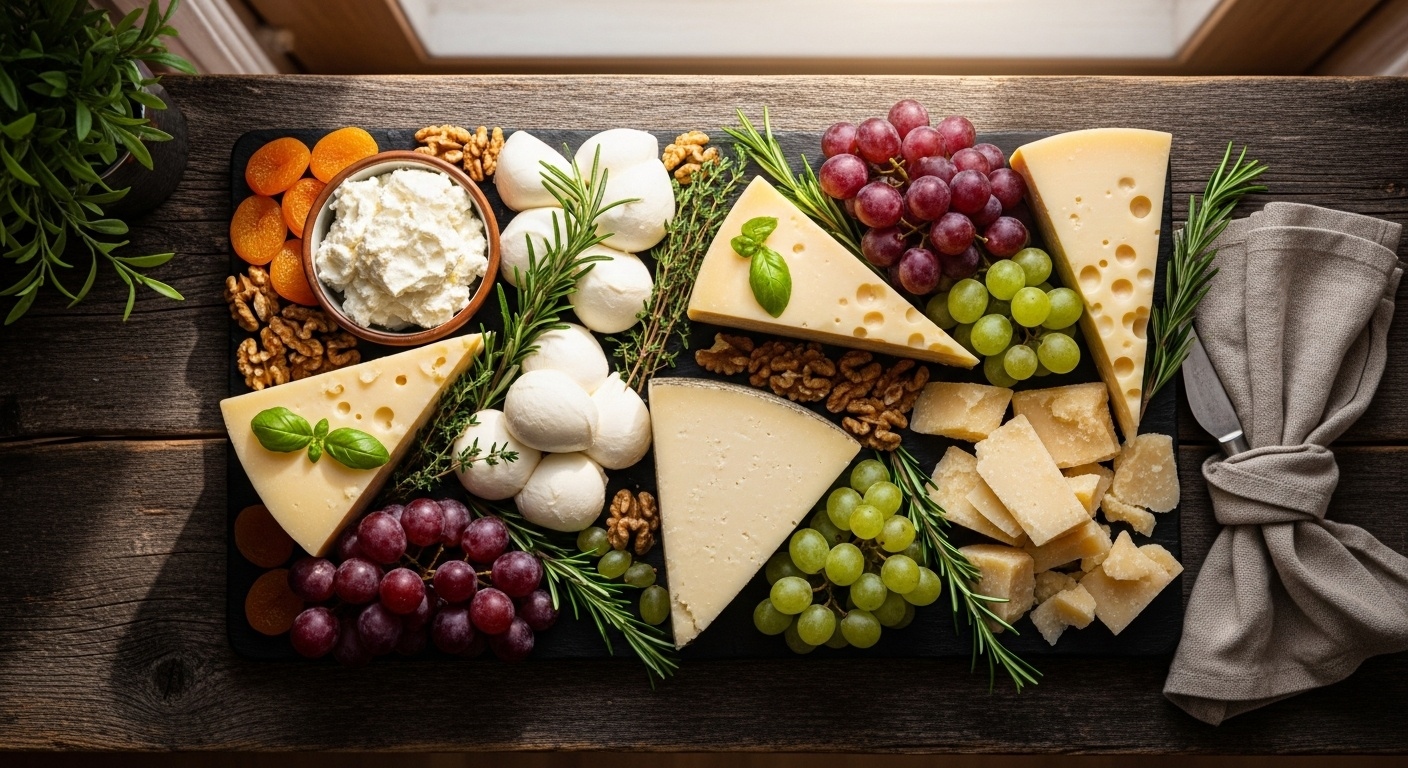
A: Yes, combining creamy fresh cheeses with sharp aged cheeses creates excellent flavor contrast on cheese boards.
What Is Fresh Cheese?
Fresh cheese is exactly what its name suggests—cheese that has not been aged. After milk is curdled and separated into curds and whey, fresh cheese is typically drained and sometimes lightly salted. The process ends there, without the extended maturation that defines aged cheeses.
Because fresh cheeses do not undergo aging, they retain a high moisture content and a soft texture. Their flavor tends to be mild, creamy, and slightly tangy, reflecting the natural taste of the milk used to make them.
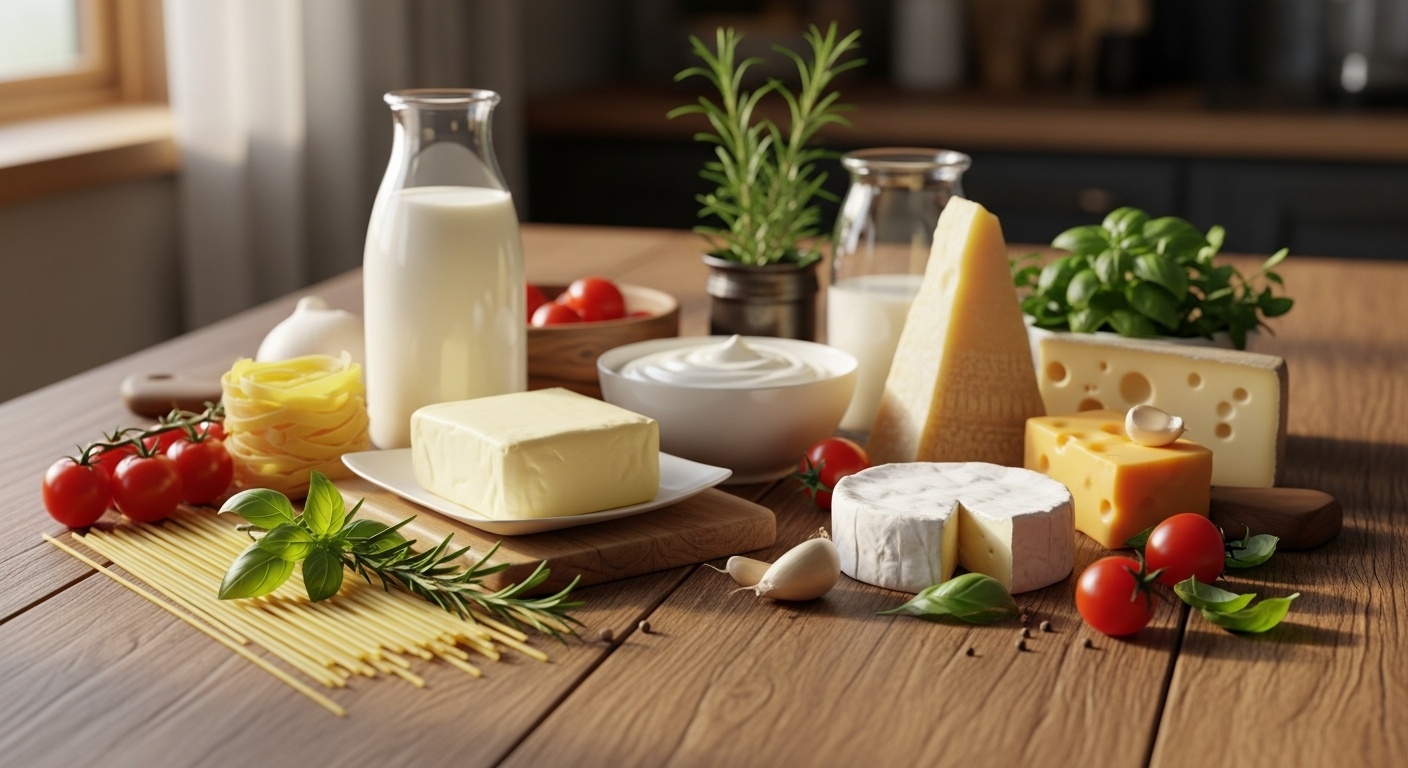
Some of the most well-known fresh cheeses include mozzarella, ricotta, cottage cheese, cream cheese, mascarpone, and queso fresco. These cheeses are often bright, delicate, and versatile, making them ideal for both savory and sweet dishes.
Fresh cheese also tends to be spreadable or easily crumbled, which makes it especially popular for salads, dips, desserts, and simple appetizers.
What Is Aged Cheese?
Aged cheese, sometimes called ripened cheese, undergoes a maturation process that can last anywhere from a few weeks to several years. During this time, enzymes and beneficial bacteria break down proteins and fats within the cheese.
This slow transformation dramatically changes the cheese’s flavor, aroma, and structure. Moisture gradually evaporates, creating a firmer texture and more concentrated taste.
Examples of aged cheeses include cheddar, Parmesan, Gouda, Gruyère, Manchego, and Swiss-style cheeses. Some varieties are aged for months, while others mature for several years.
The aging environment—temperature, humidity, and air flow—plays a critical role in shaping the final result. Cheese caves or climate-controlled aging rooms allow cheesemakers to guide this transformation carefully.
As cheese ages, its flavors deepen and become more complex. Nutty, earthy, caramel-like, and even slightly fruity notes can develop over time.
How Cheese Is Made: The Shared Beginning
Both fresh and aged cheeses begin with the same basic process. Milk is combined with starter cultures and rennet, which cause the proteins in the milk to coagulate and form curds.
These curds are then cut, stirred, and separated from the liquid whey. The curds can be cooked, pressed, or salted depending on the style of cheese being produced.
At this stage, cheesemakers decide whether the cheese will be sold fresh or aged. Fresh cheeses are packaged and consumed quickly. Cheeses intended for aging are shaped, salted, and placed in controlled environments to mature.
The remarkable diversity of cheese comes from small variations in this process—different types of milk, cultures, temperatures, and aging techniques.
Flavor Differences Between Fresh and Aged Cheese
One of the most noticeable differences between fresh and aged cheese is flavor intensity.
Fresh cheeses tend to taste light and milky. Their flavor often emphasizes creaminess and gentle acidity rather than strong savory notes. This makes them ideal for dishes where subtlety and balance are important.
Aged cheeses, by contrast, often have deeper and more concentrated flavors. As proteins break down into amino acids, savory notes develop. Fats transform into aromatic compounds that contribute to nutty, buttery, or even caramelized flavors.
Long-aged cheeses can also develop tiny crunchy crystals, which add texture and signal advanced maturation.
For many cheese lovers, the complexity of aged cheese is what makes it so exciting. Each bite reveals layers of flavor that continue to evolve as the cheese matures.
Texture Differences
Texture is another key distinction between fresh and aged cheese.
- Fresh cheeses usually have a soft, moist consistency. Some are spreadable, while others are creamy or slightly crumbly. Their high moisture content makes them feel light and delicate on the palate.
- Aged cheeses gradually become firmer as they lose moisture during maturation. This process concentrates both flavor and texture.
- Young aged cheeses may still be semi-soft or elastic, while long-aged varieties become dense and crumbly. Hard cheeses like Parmesan can even be grated into fine shavings.
This range of textures allows aged cheeses to perform beautifully in cooking, particularly when melted, grated, or shaved over dishes.
Cooking With Fresh Cheese
Fresh cheeses bring creaminess and brightness to many recipes. Because they melt differently from aged cheeses, they often create smooth textures rather than stretchy or crispy results.
Ricotta, for example, is widely used in lasagna, stuffed pasta, and baked dishes. Its soft texture blends beautifully with herbs, vegetables, and sauces.
Mozzarella, another fresh cheese, melts smoothly and creates the classic stretchy texture seen in pizza.
Recipe: Fresh Ricotta and Lemon Pasta
- Cook your favorite pasta until al dente.
- In a bowl, mix fresh ricotta with lemon zest, olive oil, grated garlic, salt, and black pepper.
- Toss the hot pasta with the ricotta mixture, adding a splash of pasta water to create a silky sauce. Finish with fresh basil and grated Parmesan.
The result is a light, creamy pasta dish that highlights the delicate flavor of fresh cheese.
Cooking With Aged Cheese
Aged cheeses are powerful flavor enhancers in cooking. Their concentrated taste means even small amounts can transform a dish.
- Parmesan, for example, adds depth to pasta, risotto, soups, and roasted vegetables.
- Cheddar brings richness to casseroles, sauces, and grilled sandwiches.
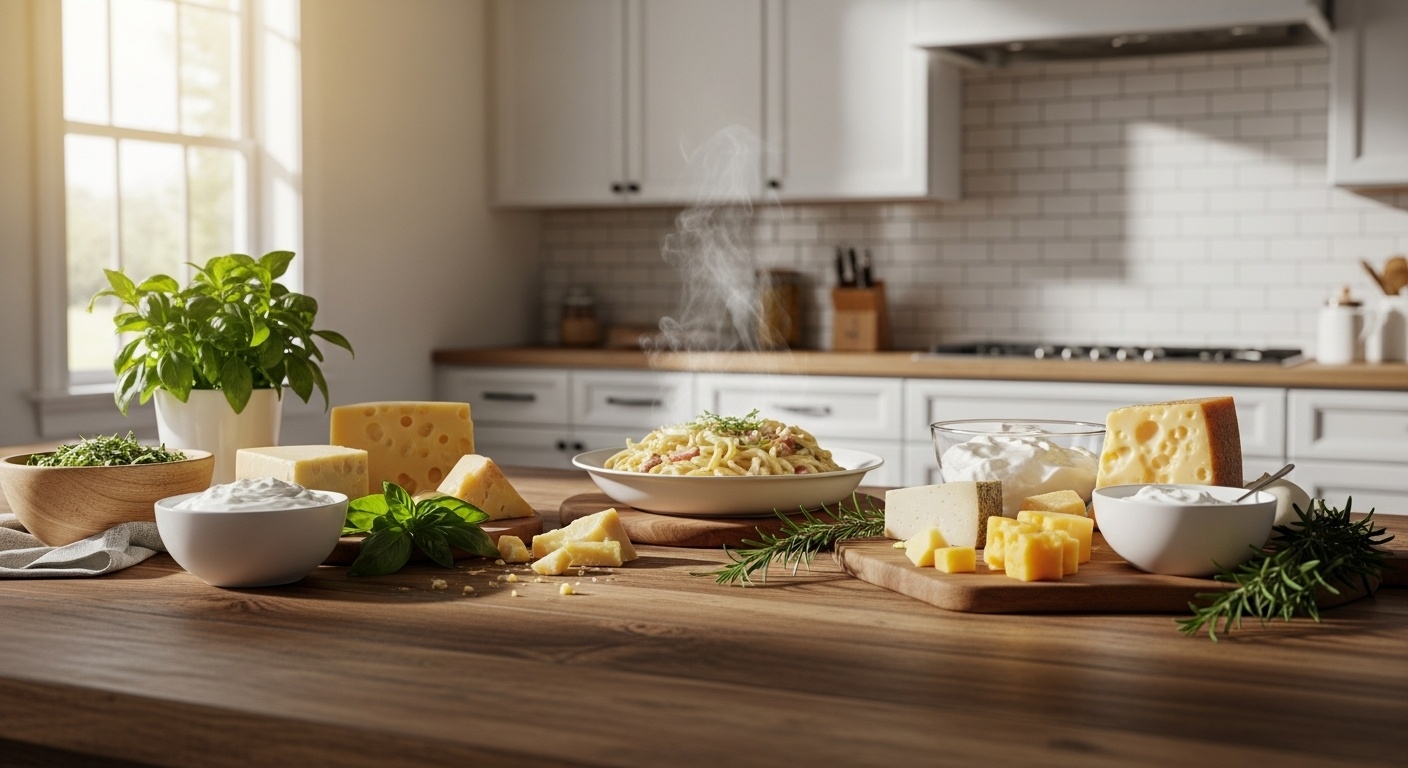
Because aged cheeses melt differently, they often create golden crusts and rich, savory sauces.
Recipe: Classic Cheddar and Caramelized Onion Grilled Sandwich
- Slice onions thinly and cook them slowly in butter until deeply caramelized.
- Spread butter on slices of crusty bread and layer with sharp aged cheddar and the sweet onions.
- Grill the sandwich in a skillet until the bread is crisp and the cheese melts into a rich, gooey center.
The bold flavor of aged cheddar contrasts beautifully with the sweetness of caramelized onions.
Nutritional Differences
Fresh and aged cheeses also differ nutritionally. Fresh cheeses often contain more moisture and sometimes slightly fewer calories per ounce. They may also have lower sodium levels depending on how they are made.
Aged cheeses typically have more concentrated nutrients because water has evaporated during the aging process. This means higher protein and calcium levels per serving. However, aging can also increase sodium content due to salting and preservation methods. For many people, enjoying a variety of cheeses in moderation offers both flavor and nutritional benefits.
The Role of Aging in Flavor Development
The aging process is where cheese truly becomes an art form.
During maturation, natural enzymes break down proteins into amino acids and fats into aromatic compounds. This process is called proteolysis and lipolysis, and it is responsible for the development of complex cheese flavors.
Different cheeses age for different lengths of time. Some cheddar cheeses mature for six months, while others may age for two years or more. Parmesan is traditionally aged for at least 12 months and sometimes up to 36 months.
Environmental factors also influence aging. Temperature, humidity, and airflow determine how quickly a cheese loses moisture and how its microbial cultures develop.
In many traditional cheese-making regions, caves or underground aging rooms provide the perfect natural environment for this process.
Pairing Fresh and Aged Cheeses
Fresh and aged cheeses shine in different culinary contexts.
- Fresh cheeses pair beautifully with bright ingredients such as herbs, tomatoes, citrus, and delicate vegetables. Their mild flavor complements light dishes like salads, appetizers, and desserts.
- Aged cheeses pair well with bold ingredients such as cured meats, roasted vegetables, nuts, and hearty breads. Their strong flavor can stand up to robust dishes.
Cheese boards often feature both types to create contrast. A creamy fresh cheese may sit beside a firm aged wedge, offering a range of flavors and textures in one tasting experience.
Choosing the Right Cheese for Your Dish
Understanding the difference between fresh and aged cheese can make cooking easier and more creative.
- Fresh cheeses are excellent when you want creaminess, softness, or mild flavor. They work well in spreads, dips, fillings, and delicate dishes.
- Aged cheeses are best when you want intensity and depth. Grated or melted aged cheeses can enhance sauces, soups, pasta, and roasted dishes.
By experimenting with both types, cooks can discover how cheese transforms everyday meals.
Final Thoughts
Cheese is one of the most versatile and beloved foods in the world, and the difference between fresh and aged cheese reveals just how much time can transform a simple ingredient. Fresh cheeses offer lightness, creaminess, and delicate flavors that brighten dishes. Aged cheeses provide depth, complexity, and powerful savory notes developed through careful maturation. Both styles bring unique qualities to the kitchen, and learning how to use them opens up countless culinary possibilities. Whether you’re enjoying a creamy spoonful of ricotta, melting fresh mozzarella on pizza, or shaving aged Parmesan over pasta, each bite tells the story of milk, craftsmanship, and time.