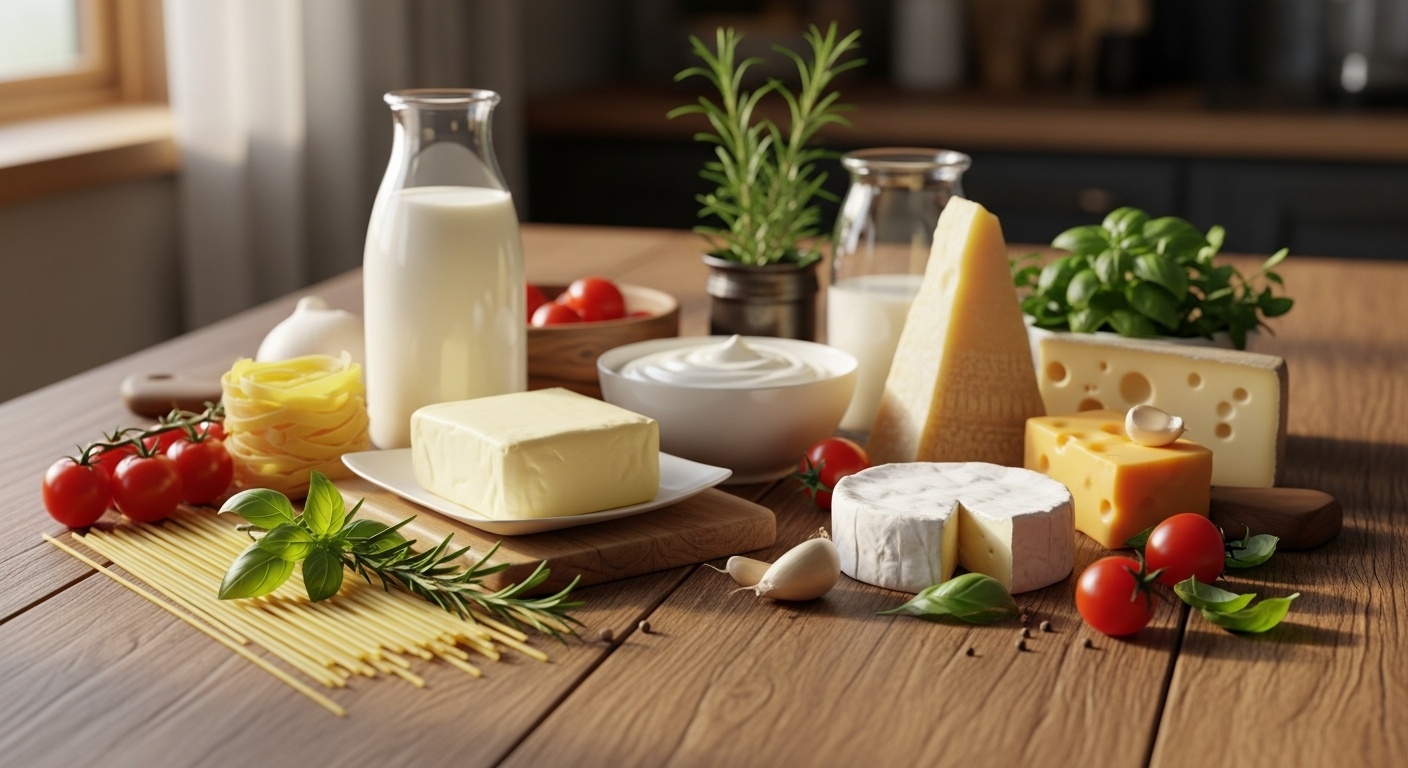
Essential Dairy Ingredients That Transform Simple Meals Into Rich, Flavorful Comfort Food
Dairy has been at the heart of home cooking for centuries. From creamy sauces and buttery pastries to melted cheese topping a bubbling casserole, dairy products add richness, texture, and depth to countless everyday dishes. While modern kitchens offer an endless array of ingredients from around the world, milk, butter, yogurt, cream, and cheese remain some of the most dependable and versatile staples in any pantry or refrigerator. Understanding how different dairy products behave in cooking can dramatically improve the quality of your meals. Some cheeses melt beautifully into sauces while others provide salty bursts of flavor. Certain dairy ingredients enrich soups and baked goods, while others brighten dishes with tangy complexity. For home cooks, choosing the right dairy products can make cooking easier, more flavorful, and more satisfying. This guide explores the best dairy and cheese options for everyday cooking, explains how they work in the kitchen, and includes simple recipes that showcase their versatility. Whether you are preparing a comforting weeknight dinner, baking fresh bread, or creating a quick breakfast, the right dairy ingredients can elevate ordinary meals into something memorable.
A: Cheddar is one of the easiest all-purpose choices because it works in sandwiches, casseroles, eggs, pasta, and sauces.
A: Mozzarella, Monterey Jack, and cheddar are common favorites for smooth melting and easy use.
A: Usually yes, because it provides a richer texture and more satisfying flavor in many recipes.
A: Use cream when you want a thicker, richer result in soups, sauces, and decadent pasta dishes.
A: Yes, especially Greek yogurt, which works well in dips, toppings, and creamy sauces.
A: Parmesan is excellent for finishing, while mozzarella, ricotta, and cheddar work well in baked pasta dishes.
A: Use moderate heat, stir steadily, and add cheese gradually instead of overheating it.
A: Milk, butter, cream or yogurt, and a few dependable cheeses like cheddar, mozzarella, and Parmesan.
A: Yes, cream cheese, ricotta, and goat cheese are excellent for adding creaminess and gentle tang.
A: Keep a small range of versatile dairy staples on hand and match each one to the texture and flavor your dish needs.
Milk: The Foundation of Creamy Cooking
Milk is one of the most fundamental ingredients in everyday cooking. Its mild flavor and smooth texture allow it to blend seamlessly into both savory and sweet recipes. From soups and sauces to pancakes and custards, milk forms the base for many classic dishes.
- Whole milk is often the most versatile option for cooking. Its balanced fat content provides richness while still remaining light enough for daily use. It works beautifully in creamy soups, mashed potatoes, and pasta sauces.
- Lower-fat milks such as two percent or skim milk can still be used in cooking, though they tend to produce slightly thinner textures. When making rich sauces or baked desserts, whole milk usually provides the most satisfying results.
- Milk also plays a crucial role in baking. It helps hydrate flour, activate leavening agents, and create tender textures in cakes, muffins, and breads.
Beyond its functional role, milk carries subtle sweetness that balances savory ingredients like garlic, onions, and herbs.
Butter: The Flavor Builder
Few ingredients transform food as dramatically as butter. With its rich aroma and smooth texture, butter is one of the most important dairy products in everyday cooking.
- Butter serves multiple purposes in the kitchen. It can sauté vegetables, enrich sauces, tenderize baked goods, and add depth to countless recipes. When heated, butter releases complex flavors that enhance everything from scrambled eggs to roasted vegetables.
- Salted butter is commonly used for finishing dishes and spreading on bread, while unsalted butter is preferred for baking and precise cooking. Using unsalted butter allows cooks to control the amount of salt in a recipe.
- Brown butter is another powerful culinary technique. When butter is gently cooked until the milk solids turn golden, it develops a nutty, caramelized flavor that adds remarkable complexity to pasta dishes, sauces, and baked goods.
Even a small amount of butter can elevate the simplest ingredients.
Cream: Richness and Texture
Cream is often the secret behind luxurious restaurant-style dishes. With its higher fat content, cream adds smoothness, body, and richness to sauces, soups, and desserts.
- Heavy cream is the most versatile variety for cooking because it resists curdling and thickens beautifully when heated. It can transform a simple pan sauce into something silky and indulgent.
- Cream is also widely used in soups such as tomato bisque, potato soup, and creamy mushroom soup. Just a splash of cream can soften acidity and add velvety texture.
In desserts, cream plays an equally important role. Whipped cream, custards, ice creams, and chocolate ganache all rely on cream for structure and richness. While cream is richer than milk, it is often used in small quantities to add depth and balance.
Yogurt: Tangy and Versatile
Yogurt has become an increasingly popular ingredient in modern cooking, thanks to its versatility and health benefits. Its tangy flavor adds brightness to dishes while its creamy texture enhances sauces, dressings, and marinades.
Greek yogurt is especially useful in the kitchen because of its thick consistency and higher protein content. It can replace sour cream in many recipes while offering a slightly lighter taste.
In savory dishes, yogurt is often used as a base for sauces and dips. It pairs beautifully with garlic, herbs, lemon, and olive oil.
Yogurt also works wonderfully in marinades. The natural acidity helps tenderize meats while infusing them with flavor.
In baking, yogurt adds moisture and subtle tang to cakes and quick breads, creating tender textures and balanced flavors.
The Everyday Cheeses Every Kitchen Should Have
Cheese is one of the most exciting dairy ingredients because of its diversity. Hundreds of varieties exist around the world, each with unique textures, flavors, and melting properties.
For everyday cooking, a few reliable cheeses can cover a wide range of recipes.
- Cheddar is one of the most versatile cheeses available. Its sharp flavor and smooth melting ability make it ideal for grilled cheese sandwiches, casseroles, mac and cheese, and omelets.
- Mozzarella is prized for its excellent melting properties. It creates the stretchy texture that makes pizza so satisfying and also works well in baked pasta dishes and sandwiches.
- Parmesan offers a completely different experience. Instead of melting into gooey layers, Parmesan adds salty depth and umami flavor. Grated Parmesan enhances pasta, soups, roasted vegetables, and salads.
- Monterey Jack and Colby cheeses provide mild flavors and smooth melts that work well in tacos, quesadillas, and baked dishes.
Keeping a few versatile cheeses on hand allows home cooks to add instant flavor to many meals.
Soft Cheeses That Add Creaminess
Soft cheeses bring luxurious textures and gentle flavors to everyday dishes.
- Cream cheese is perhaps the most familiar. It creates smooth sauces, rich spreads, and creamy frostings. In savory cooking, it can be blended into pasta sauces or used to thicken soups.
- Ricotta cheese is another excellent everyday ingredient. Its light, fluffy texture works beautifully in lasagna, stuffed pasta, and baked dishes. Ricotta also shines in desserts and breakfast recipes such as pancakes and toast toppings.
- Goat cheese offers a distinctive tangy flavor that pairs well with salads, roasted vegetables, and pasta dishes. It melts slightly but retains its shape, creating pockets of creamy flavor.
These cheeses add richness without overwhelming other ingredients.
Hard Cheeses That Build Flavor
Hard cheeses often serve as finishing ingredients rather than melting centers. Their intense flavors make them powerful seasoning tools in the kitchen.
Parmesan, Pecorino Romano, and aged Asiago all deliver bold, salty notes that enhance savory dishes. Even a small amount grated over pasta or vegetables can dramatically elevate flavor.
These cheeses also dissolve beautifully into sauces, adding complexity and thickness.
The rinds of aged cheeses can even be simmered in soups and sauces to infuse deep umami flavor.
A Simple Everyday Recipe: Creamy Garlic Parmesan Pasta
One of the easiest ways to showcase the power of dairy in cooking is through a simple pasta dish.
Begin by cooking your favorite pasta until tender. While the pasta cooks, melt butter in a skillet and gently sauté minced garlic until fragrant. Add a splash of cream and allow it to simmer briefly. Stir in freshly grated Parmesan cheese and season with salt and pepper.
Toss the cooked pasta into the sauce and finish with chopped parsley and additional Parmesan. The result is a comforting, restaurant-worthy meal created from a few everyday dairy ingredients.
Another Quick Recipe: Creamy Yogurt Herb Sauce
This versatile sauce works beautifully with roasted vegetables, grilled meats, and grain bowls.
In a bowl, combine thick Greek yogurt, fresh lemon juice, minced garlic, chopped parsley, and olive oil. Season with salt and pepper.
The sauce is bright, creamy, and refreshing, proving that dairy does not always need to be heavy to add richness.
How to Store Dairy and Cheese for Freshness
Proper storage is essential for maintaining the flavor and quality of dairy products.
Milk and cream should be kept in the coldest part of the refrigerator and sealed tightly after each use.
Cheese should be wrapped in breathable materials such as wax paper or parchment paper rather than airtight plastic. This allows the cheese to maintain proper moisture levels.
Hard cheeses typically last longer than soft cheeses because of their lower moisture content.
Keeping dairy organized in the refrigerator helps prevent spoilage and ensures ingredients remain ready for everyday cooking.
Choosing Quality Dairy Products
The quality of dairy products can significantly affect the taste of your cooking.
Many cooks prefer dairy from grass-fed cows because it often has richer flavor and deeper color. Fresh cheeses and high-quality butter can noticeably improve the outcome of simple recipes.
Local dairy products are often fresher and may offer unique regional flavors.
While premium ingredients are wonderful, even basic dairy products can produce excellent results when used thoughtfully.
Final Thoughts: Building Flavor With Dairy
Dairy and cheese are among the most powerful ingredients available to home cooks. Their ability to add creaminess, richness, and flavor makes them essential for everyday meals. Milk forms the base of comforting soups and sauces. Butter builds deep flavor. Cream adds luxurious texture. Yogurt brings brightness and balance. Cheese transforms simple dishes into satisfying favorites.
By keeping a small collection of versatile dairy products in your kitchen, you can prepare a wide range of delicious meals with ease. Whether melting cheese over pasta, stirring cream into a soup, or spreading butter on warm bread, dairy remains one of the most reliable ways to bring warmth and comfort to everyday cooking.