From Creamy to Crumbly: A Guide to Choosing the Perfect Cheese
Cheese is one of the most beloved foods in the world, yet it can feel surprisingly mysterious. Walk into any grocery store or specialty shop and you’ll see dozens—sometimes hundreds—of varieties, each with its own aroma, texture, and personality. While the names can sound complex, most cheeses fall into four simple texture families: fresh, soft, semi-soft, and hard. Understanding these categories instantly gives you a practical “cheese map” that helps you choose the right cheese for every recipe, snack board, or cozy night in. This guide breaks down each type in a clear, flavorful way. You’ll learn how each cheese is made, what it tastes like, how to use it, and how to build simple, delicious recipes around it. Whether you’re planning a dinner party, leveling up your cooking, or just want to know why mozzarella melts differently than Parmesan, this is your complete, kitchen-friendly introduction to cheese.
A: It’s mostly moisture + aging: fresh (no age), soft (light age), semi-soft (moderate), hard (long age).
A: Semi-soft cheeses like gouda, havarti, fontina, and Jack melt smooth and reliable.
A: Heat was too high/fast; use lower heat, add cheese gradually, and stabilize with starch if needed.
A: Fresh and soft: feta-style crumbles, goat cheese, and fresh mozzarella add creamy contrast.
A: About 20–30 minutes for best flavor and texture (less for very soft cheeses in warm rooms).
A: Wrap in parchment/wax paper, then loosely in plastic; store in the crisper for steadier humidity.
A: Usually yes—swap by texture first, then adjust salt and intensity to taste.
A: A semi-soft melter (fontina/gouda) + a hard grater (Parmesan-style) covers most cooking.
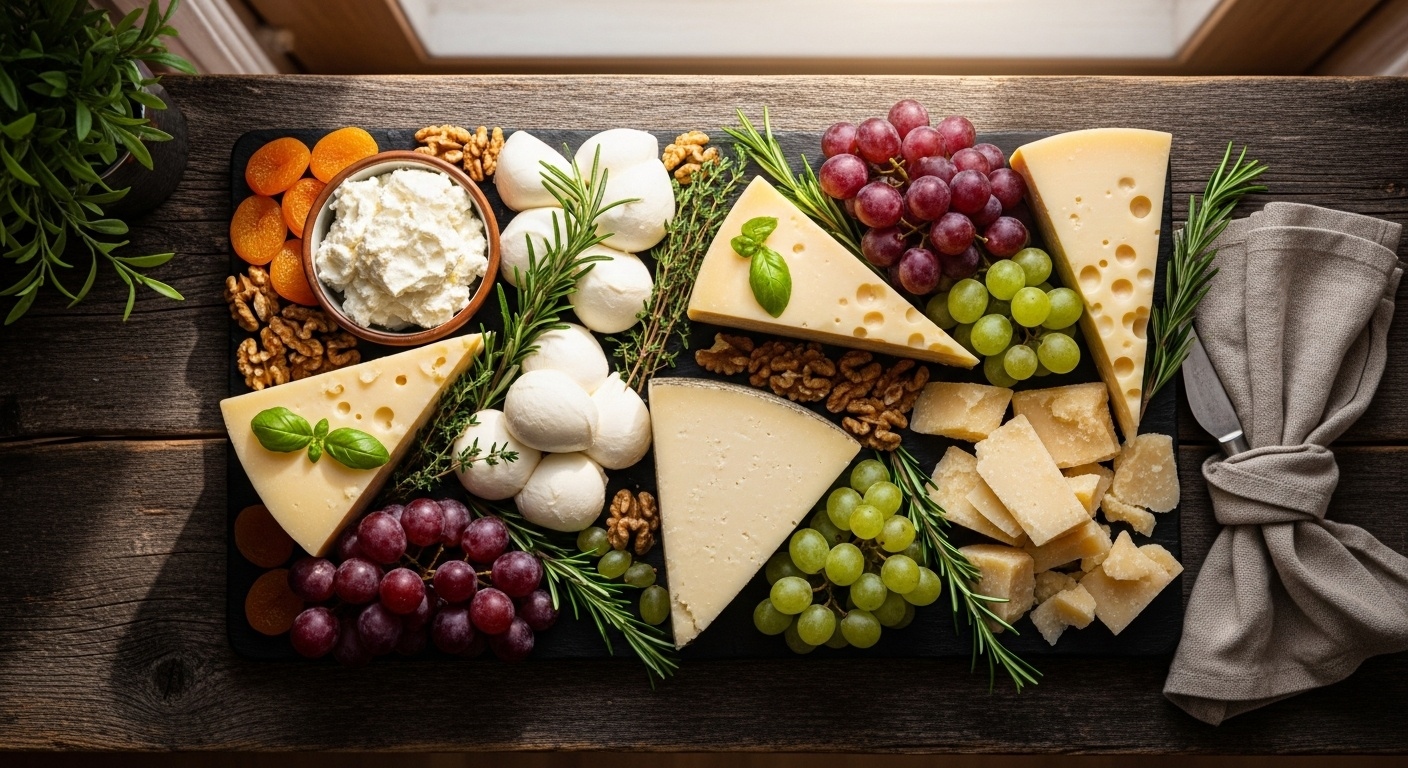
A: One cheese from each category + a fruit + a crunchy item + something tangy (pickles/mustard).
A: Not required—use a thin sharp knife for soft cheeses and a sturdy knife for hard cheeses; wipe between cuts.
Why Cheese Texture Matters More Than the Name
Cheese texture is not random—it’s the direct result of moisture, aging, and how the curds are treated. The more moisture a cheese holds, the softer it is. The more time it spends aging, the firmer, saltier, and more complex it becomes. This single principle explains why ricotta is fluffy, brie is silky, gouda is supple, and cheddar is dense and crumbly. Knowing a cheese’s texture tells you how it will behave when sliced, melted, baked, or paired with other foods. It also explains why certain cheeses shine in salads while others are best grated over pasta or melted into sauces. Once you understand these four families, choosing cheese becomes intuitive rather than intimidating.
Fresh Cheese: Bright, Light, and Pure
Fresh cheeses are the youngest members of the cheese world. They are not aged, which means they retain a high amount of moisture and a clean, milky flavor. Their texture is usually soft and spreadable or gently crumbly, and their taste is mild, slightly tangy, and refreshing.
Popular fresh cheeses include mozzarella, ricotta, cottage cheese, queso fresco, mascarpone, and farmer’s cheese. These cheeses are made by curdling milk and draining the whey, but they skip the long aging process that creates sharpness or firmness.
Because of their delicate nature, fresh cheeses shine in simple dishes where their creamy texture can stand out. They are perfect for salads, pastas, flatbreads, and desserts. Fresh mozzarella, for example, melts into a silky stretch on pizza, while ricotta adds richness to lasagna and baked pasta. Mascarpone brings a luxurious softness to desserts like tiramisu.
Simple Recipe: Fresh Mozzarella Tomato Skillet
Slice fresh mozzarella and ripe tomatoes, layer them in a small oven-safe skillet, drizzle with olive oil, sprinkle with salt and pepper, and bake until warm and bubbly. Finish with basil and serve with crusty bread for a fast, elegant appetizer.
Soft Cheese: Creamy, Luxurious, and Aromatic
Soft cheeses are lightly aged, which gives them more flavor than fresh cheese while keeping a high moisture content. They are known for their creamy interiors and often have a delicate rind. The flavor ranges from buttery and mild to earthy and mushroom-like, depending on the style.
Brie, Camembert, chèvre (goat cheese), and soft bloomy-rind cheeses belong to this category. These cheeses feel rich on the palate and are often the stars of cheese boards and baked appetizers. Soft cheeses melt beautifully and become silky when warmed. Baked brie with fruit or honey is a classic crowd-pleaser, while chèvre adds tang and creaminess to salads, pasta, and roasted vegetables.
Simple Recipe: Baked Brie with Honey and Walnuts
Place a small wheel of brie in a baking dish, drizzle with honey, sprinkle with chopped walnuts, and bake until soft and gooey. Serve warm with crackers or sliced apples for a restaurant-worthy appetizer.
Semi-Soft Cheese: Balanced, Versatile, and Crowd-Friendly
Semi-soft cheeses strike a perfect balance between moisture and structure. They are aged longer than soft cheeses, which gives them deeper flavor while keeping a supple, sliceable texture. These cheeses melt smoothly and are ideal for cooking.
Common semi-soft cheeses include gouda, havarti, Monterey Jack, fontina, muenster, and young cheddar. Their flavors range from mild and buttery to slightly nutty or tangy, making them incredibly versatile.
Semi-soft cheeses are the backbone of grilled cheese sandwiches, casseroles, quesadillas, and creamy sauces. They provide both stretch and flavor without overpowering a dish.
Simple Recipe: Golden Gouda Grilled Cheese
Butter two slices of bread, fill with sliced gouda, and grill until golden and melty. Serve with tomato soup for a comforting classic.
Hard Cheese: Bold, Savory, and Intensely Flavorful
Hard cheeses are aged the longest and contain the least moisture. This makes them firm, crumbly, and packed with savory flavor. Aging transforms milk into deep, nutty, salty notes that linger on the palate.
Parmesan, pecorino, aged cheddar, gruyère, asiago, and manchego fall into this category. These cheeses are perfect for grating, shaving, or slicing into thin pieces. Hard cheeses excel as finishing touches. A sprinkle of Parmesan can transform pasta, while aged cheddar adds sharpness to baked dishes. Their concentrated flavor means a little goes a long way.
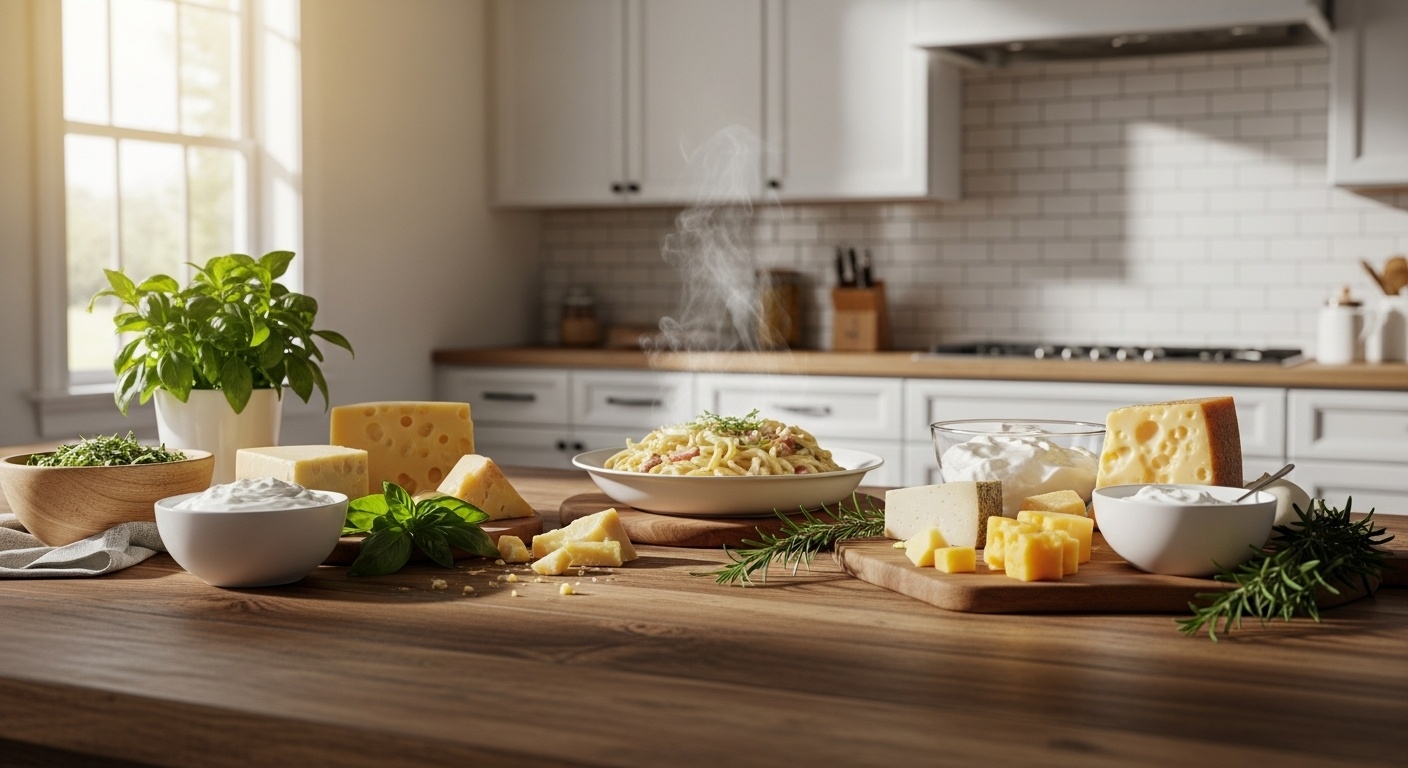
Simple Recipe: Parmesan Garlic Pasta
Toss hot pasta with olive oil, garlic, and freshly grated Parmesan. Add black pepper and a splash of pasta water for a silky, savory finish.
How to Choose the Right Cheese for Any Dish
When choosing cheese, think first about texture. Fresh cheeses brighten salads and light meals. Soft cheeses add richness and elegance. Semi-soft cheeses melt into comfort food favorites. Hard cheeses deliver bold flavor and structure.
- For melting, reach for semi-soft and soft cheeses.
- For crumbling and finishing, choose hard or fresh styles.
- For spreading and baking, soft cheeses are your best friend.
Cheese Storage Tips
Cheese should be wrapped in parchment or wax paper and then loosely in plastic. This allows it to breathe without drying out. Store it in the refrigerator’s crisper drawer or cheese compartment to maintain humidity and flavor.
Bringing It All Together
Cheese is more than an ingredient—it’s a culinary language. When you understand the four main cheese textures—fresh, soft, semi-soft, and hard—you gain confidence in the kitchen and creativity on your plate. From creamy appetizers to bold pasta dishes, each cheese type brings something unique to the table. With this simple framework, you’ll never feel lost in the cheese aisle again. You’ll know exactly what to choose, how to use it, and how to transform it into something unforgettable.