Smarter Swaps, Better Balance, and Meals That Keep You Energized
Carbohydrates are one of the most misunderstood parts of healthy eating. Some people see them as fuel, others see them as something to avoid, and many people simply feel confused by the mixed messages. The truth is that carbs are not automatically “bad,” but they do have the most direct effect on blood sugar because sugars and starches break down into glucose during digestion. Fiber, however, behaves differently because the body does not digest it the same way, so it does not raise blood sugar like other carbohydrates. When you eat a meal with bread, pasta, rice, cereal, fruit, beans, potatoes, desserts, or sweetened drinks, your body breaks down many of those carbohydrates into glucose. That glucose enters the bloodstream, where insulin helps move it into cells for energy. The speed and size of the blood sugar rise depend on the type of carbohydrate, the portion size, the amount of fiber, and what else you eat with it. This is why a bowl of sugary cereal may affect your body differently than a bowl of oatmeal with nuts and berries. Both contain carbs, but one digests quickly while the other brings fiber, fat, protein, and slower-burning energy.
A: Sugars and starches usually do, but fiber-rich carbs tend to digest more slowly.
A: Not usually; many people do better by choosing higher-fiber carbs and balancing portions.
A: Beans, lentils, vegetables, berries, oats, quinoa, and whole grains are often smarter options.
A: Pair carbs with protein, healthy fat, and fiber to create a more balanced meal.
A: Whole fruit can fit well, especially when paired with protein or fat; juice is usually less filling.
A: Try Greek yogurt with berries, eggs with vegetables, or oats with nuts and chia seeds.
A: Cauliflower rice, lentils, beans, quinoa, or brown rice mixed with vegetables are useful swaps.
A: Use a smaller portion and add protein, vegetables, olive oil, and a high-fiber side.
A: No, herbs, spices, citrus, sauces, roasted vegetables, and flavorful proteins keep meals exciting.
A: If you have diabetes, prediabetes, or medication needs, work with a healthcare professional.
Not All Carbs Act the Same
Carbohydrates generally include sugars, starches, and fiber. Sugars and starches raise blood sugar, while fiber supports fullness and does not cause the same spike because it is not absorbed and broken down like other carbs.
Refined carbs tend to digest quickly. White bread, pastries, sugary drinks, candy, and many packaged snack foods can raise blood sugar faster because they often contain less fiber and fewer nutrients. Less processed carbs, such as beans, lentils, vegetables, fruit, and whole grains, tend to come with fiber, vitamins, minerals, and plant compounds that make them more satisfying. Harvard’s Nutrition Source notes that the healthiest carbohydrate sources include minimally processed whole grains, vegetables, fruits, and beans, while less healthy sources include white bread, pastries, sodas, and highly refined foods.
The goal is not always to remove every carb. A more realistic goal is to choose better carbs, build balanced plates, and avoid letting refined starches or added sugars dominate the meal.
Why Blood Sugar Spikes Happen
A blood sugar spike happens when glucose rises quickly after eating. This is most common after meals or snacks rich in refined starches or added sugars, especially when eaten alone. A large soda, a sweet pastry, or a plate of white pasta without protein or vegetables may digest quickly and leave you feeling hungry again soon after.
The glycemic index ranks carbohydrate foods based on how quickly and how much they raise blood sugar after eating. High-glycemic foods tend to digest faster, while low-glycemic foods are digested more slowly and create a more gradual rise. Still, real meals are more complex than a single number. Portion size, cooking method, ripeness, fiber, protein, fat, and your individual body all matter.
This is why “what to eat instead” should not be about punishment. It should be about building meals that slow digestion, taste good, and help you feel steady.
The Power of Fiber
Fiber is one of the most important tools for blood sugar balance. It helps slow digestion, supports fullness, and can make meals feel more satisfying. The CDC explains that fiber does not cause a blood sugar spike the way other carbohydrates can, and it can help with blood sugar control and weight management.
Good sources of fiber include beans, lentils, vegetables, berries, apples, pears, oats, barley, chia seeds, flaxseed, nuts, and whole grains. The American Diabetes Association references the Dietary Guidelines recommendation of at least 14 grams of fiber per 1,000 calories.
A simple way to improve a meal is to add fiber before removing everything else. Add beans to a salad, chia seeds to yogurt, vegetables to eggs, berries to oatmeal, or lentils to soup. Small changes can make familiar meals more balanced.
Protein and Fat Help Slow the Ride
Carbs eaten alone often hit the bloodstream faster than carbs eaten with protein, fat, and fiber. A slice of toast by itself may not be as steadying as toast topped with avocado and eggs. Fruit alone may digest faster than fruit paired with Greek yogurt or nut butter.
Protein sources such as eggs, chicken, fish, tofu, turkey, beans, lentils, cottage cheese, and Greek yogurt help make meals more filling. Healthy fats from avocado, olive oil, nuts, seeds, and salmon can also slow digestion and improve satisfaction. This does not mean every meal needs to be complicated. It means a balanced plate usually works better than a carb-heavy plate.
The Plate Method for Easier Meal Building
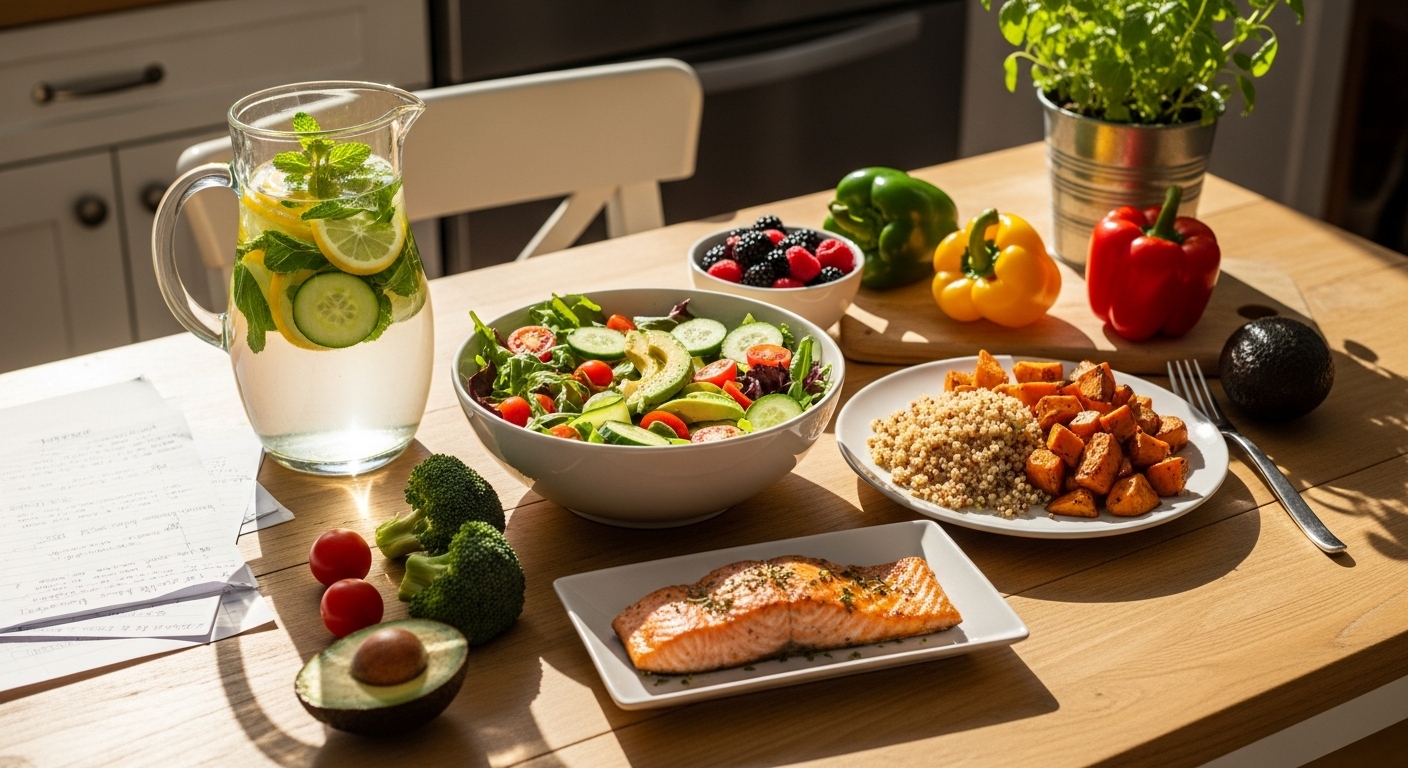
One of the simplest ways to build blood-sugar-friendly meals is the plate method. The CDC recommends filling half of a 9-inch plate with nonstarchy vegetables, one quarter with lean protein, and one quarter with carb foods.
This approach is easy because it does not require complicated counting. A dinner plate might include roasted broccoli and salad on half the plate, grilled chicken on one quarter, and a small serving of brown rice or beans on the final quarter. Another version might include sautéed peppers and zucchini, salmon, and roasted sweet potato.
The plate method also helps answer the question “What should I eat instead?” Instead of replacing carbs with nothing, replace oversized refined carb portions with vegetables, protein, and smaller servings of higher-fiber carbohydrates.
Smart Swaps for Common High-Carb Meals
If breakfast usually means a bagel or sugary cereal, try Greek yogurt with berries, chia seeds, and walnuts. If you love toast, choose whole-grain toast and pair it with eggs or nut butter. If pancakes are a weekend favorite, make them smaller and serve with berries and protein instead of syrup alone.
For lunch, swap a large white-bread sandwich and chips for a salad bowl with grilled chicken, beans, avocado, and a small scoop of quinoa. If you want a wrap, choose a higher-fiber tortilla and fill it generously with vegetables and protein.
For dinner, replace a large plate of pasta with a smaller portion tossed with vegetables, lean protein, and olive oil. Try zucchini noodles mixed with whole-grain pasta, cauliflower rice blended with brown rice, or lettuce cups filled with seasoned turkey, tofu, or beans.
The best swaps are the ones you will actually enjoy. Food should still feel delicious.
What to Eat Instead of Refined Carbs
Instead of white bread, choose whole-grain bread with visible seeds or fiber-rich wraps. Instead of white rice, try lentils, beans, quinoa, barley, cauliflower rice, or a smaller portion of brown rice mixed with vegetables. Instead of sugary cereal, try oats, chia pudding, or eggs with vegetables.
Instead of candy or cookies as a daily snack, try berries with Greek yogurt, apple slices with peanut butter, cottage cheese with cinnamon, or a handful of nuts with fruit. Instead of sweetened drinks, choose water, sparkling water, unsweetened tea, or infused water with citrus and herbs.
The point is not perfection. It is momentum. Each swap can reduce the speed of blood sugar rise while adding nutrients and fullness.
Recipe: Blood Sugar-Friendly Power Bowl
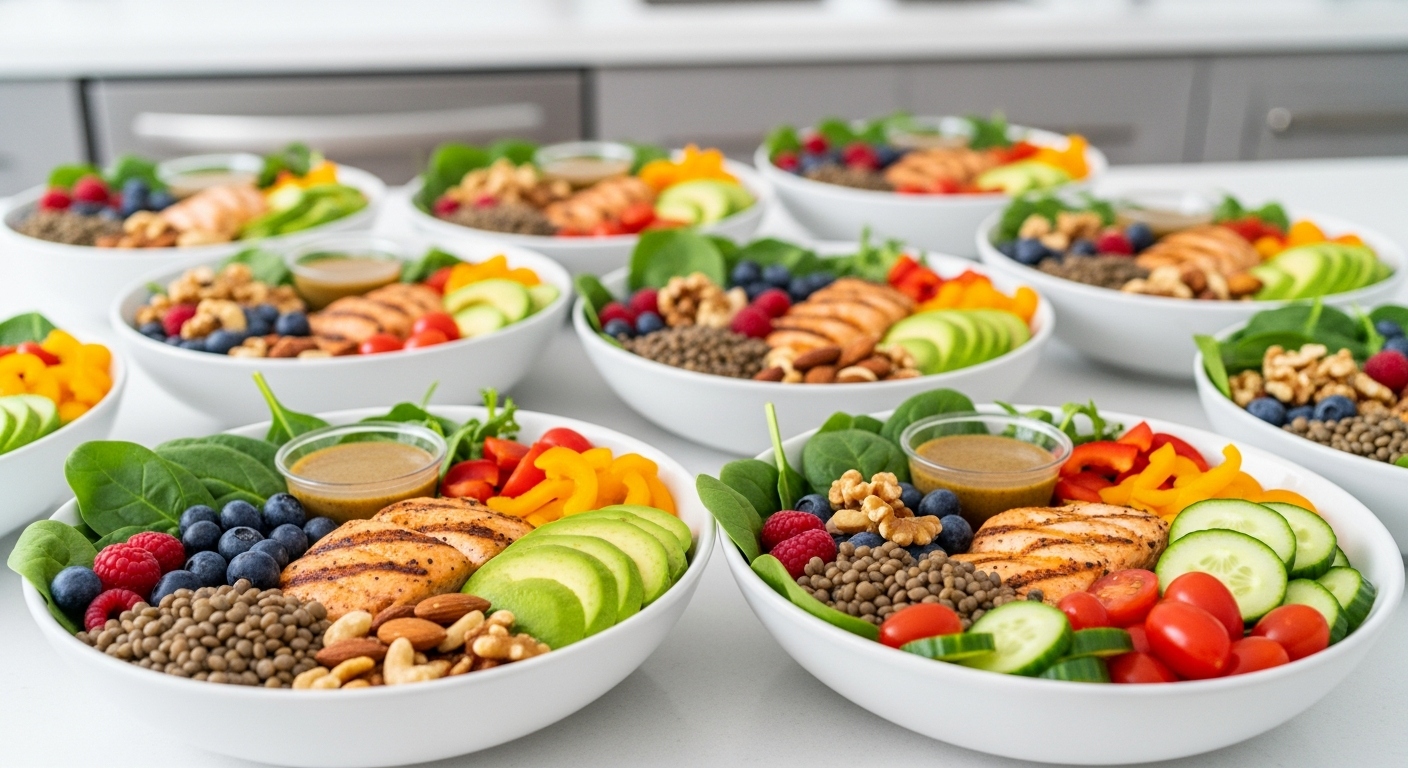
A balanced power bowl is one of the easiest meals to customize. Start with a base of leafy greens or roasted nonstarchy vegetables. Add grilled chicken, tofu, salmon, turkey, or beans. Include a modest portion of quinoa, lentils, chickpeas, or roasted sweet potato. Finish with avocado, pumpkin seeds, herbs, and a lemon-olive oil dressing.
For a simple version, combine two cups of spinach, half a cup of lentils, grilled chicken or tofu, roasted broccoli, cucumber, cherry tomatoes, and one tablespoon of olive oil mixed with lemon juice and Dijon mustard. This bowl works because it combines fiber, protein, healthy fat, and a controlled portion of carbs.
Recipe: No-Sugar-Added Berry Chia Yogurt Cup
For a sweet snack or breakfast, stir chia seeds into plain Greek yogurt and let the mixture sit for at least 10 minutes. Add berries, cinnamon, and chopped nuts. The yogurt provides protein, the chia seeds add fiber and texture, and the berries bring natural sweetness without the same impact as many refined desserts. This is a great alternative to pastries, sweetened yogurt cups, or sugary breakfast bars. It feels creamy and satisfying while supporting steadier energy.
Recipe: Cauliflower Rice Taco Skillet
For a lower-carb dinner that still feels hearty, cook ground turkey, lean beef, or crumbled tofu with taco seasoning, bell peppers, onions, and cauliflower rice. Stir in black beans if you want a higher-fiber carb, then top with avocado, salsa, cilantro, and a squeeze of lime.
This meal captures the comfort of taco night while reducing reliance on tortillas, chips, or white rice. It can also be served in lettuce cups, over greens, or with one small whole-grain tortilla on the side.
How to Read Labels for Better Choices
Nutrition labels can help you compare foods, especially packaged bread, cereal, snack bars, yogurt, and sauces. The American Diabetes Association recommends looking at total carbohydrates on labels, not just sugar, because starches also affect blood sugar. Fiber matters too. A food with more fiber often digests more slowly and keeps you fuller. Watch for added sugars in drinks, cereals, sauces, flavored yogurts, and packaged snacks. A “healthy-looking” package does not always mean the food is blood-sugar-friendly.
What About Fruit?
Fruit contains natural sugar, but it also provides fiber, water, vitamins, and antioxidants. Whole fruit is usually a better choice than fruit juice because juice removes much of the fiber and is easier to consume quickly.
Berries, apples, pears, oranges, peaches, and kiwi can all fit into a balanced eating pattern. Pair fruit with protein or fat for a steadier snack. Try berries with Greek yogurt, apple slices with almond butter, or orange segments with cottage cheese.
What About Pasta, Rice, and Potatoes?
Pasta, rice, and potatoes do not have to disappear forever, but portion and pairing matter. A huge bowl of white pasta may spike blood sugar quickly, while a smaller portion of whole-grain pasta with vegetables, chicken, and olive oil is more balanced. Potatoes can be paired with protein and nonstarchy vegetables. Rice can be mixed with cauliflower rice or swapped for beans, lentils, quinoa, or barley. Cooking and cooling some starches may increase resistant starch, but the overall meal still matters most.
The Emotional Side of Carb Choices
Many people feel guilty about carbs, especially if they are trying to manage blood sugar. But guilt is not a meal plan. A better approach is curiosity. Notice how different foods make you feel. Notice which breakfasts keep you energized and which ones leave you hungry. Notice whether adding protein changes your afternoon cravings.
Food is personal, cultural, social, and emotional. A sustainable blood-sugar-friendly diet should leave room for enjoyment, tradition, and flexibility.
When to Get Personalized Guidance
Blood sugar responses vary from person to person. People with diabetes, prediabetes, insulin resistance, pregnancy-related blood sugar concerns, or medication use should work with a qualified healthcare professional or registered dietitian for personalized guidance. This article is educational and should not replace medical advice.
Final Thoughts
Carbs affect blood sugar because many of them break down into glucose, but the story does not end there. The type of carb, amount of fiber, portion size, and meal balance all shape the result. Instead of fearing carbs, focus on choosing better ones and pairing them wisely. Eat more vegetables, beans, lentils, berries, nuts, seeds, lean proteins, and minimally processed whole foods. Reduce sugary drinks, refined grains, and oversized portions of low-fiber starches. Build plates that are colorful, satisfying, and steady. The best blood-sugar-friendly eating plan is not bland or restrictive. It is flavorful, balanced, practical, and built around foods that help you feel good long after the meal is over.