Food as a Daily Tool for Better Blood Sugar
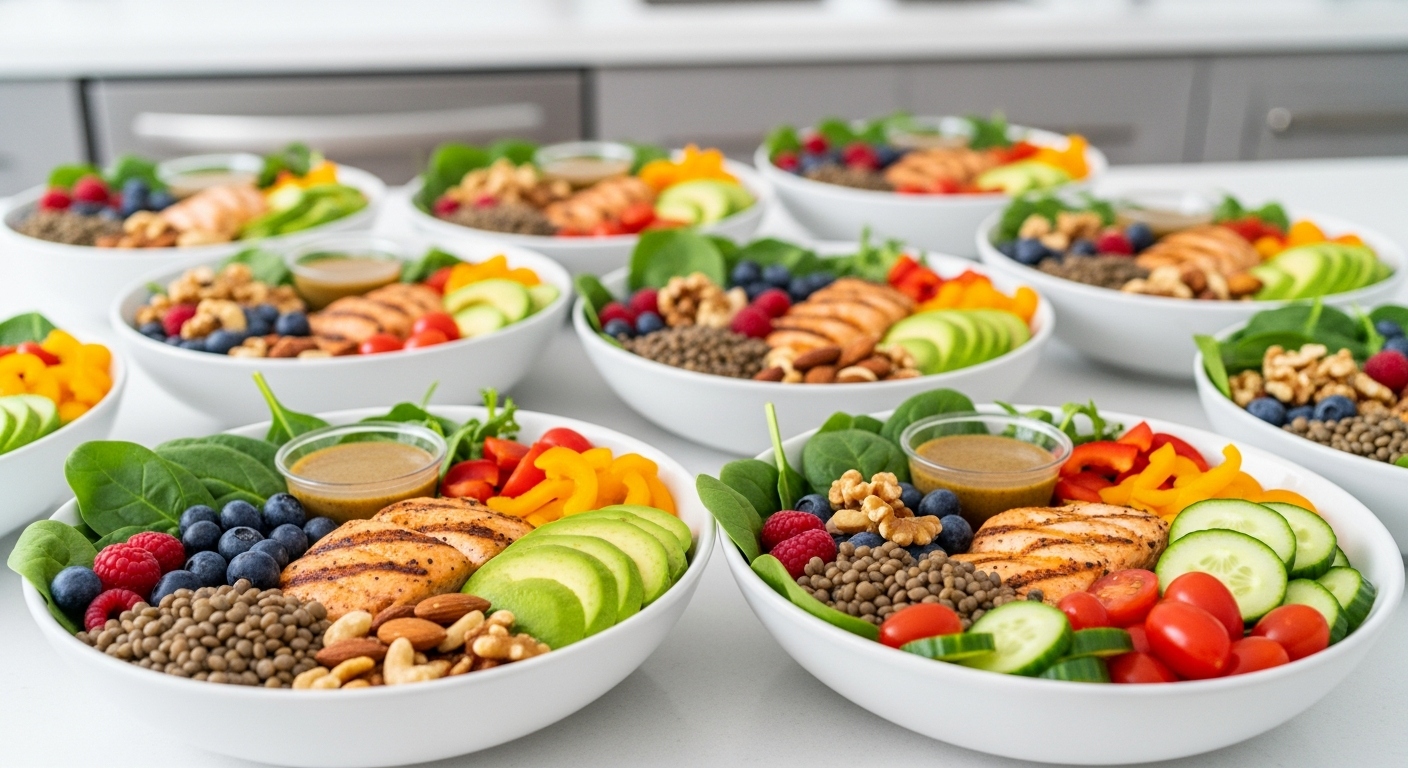
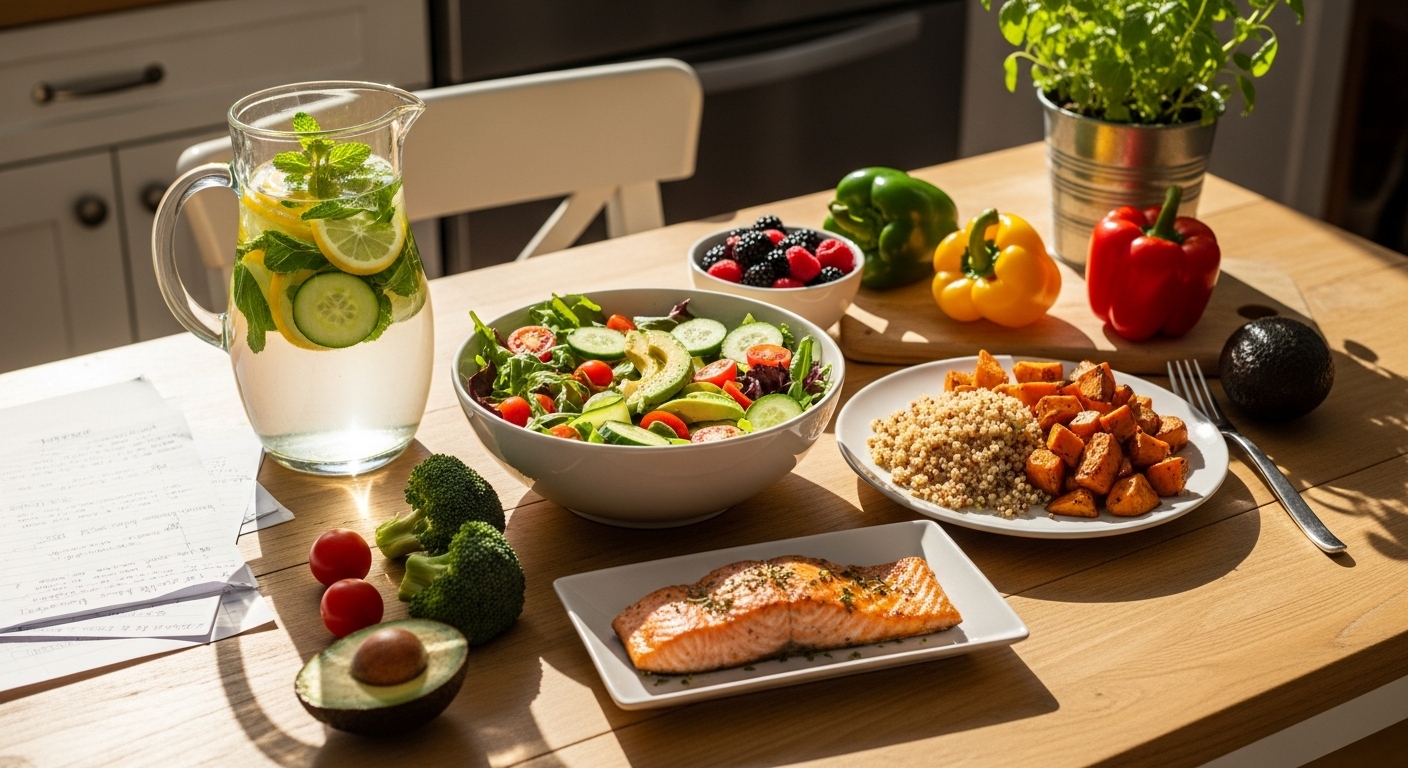
Food does far more than satisfy hunger. Every meal sends signals throughout the body, influencing energy, hormones, metabolism, and blood sugar levels. For millions of people looking to support healthy glucose levels—whether managing prediabetes, insulin resistance, type 2 diabetes risk, or simply seeking better metabolic health—the kitchen can become one of the most powerful places for change. Learning how to lower blood sugar naturally with food is not about extreme diets, cutting out every carbohydrate, or living with constant restriction. Instead, it is about understanding how different foods interact with your body and making strategic choices that support steady energy, improved insulin sensitivity, and long-term wellness. The good news is that many of the most effective blood sugar-friendly foods are delicious, widely available, and surprisingly versatile. From fiber-rich vegetables and protein-packed meals to healthy fats, herbs, spices, and thoughtfully balanced recipes, nature offers countless ways to help your body work smarter. This guide explores the science behind blood sugar, the foods that can help support healthier glucose levels, and practical recipes that make balanced eating feel exciting rather than limiting.
A: Food choices can support healthier blood sugar patterns, especially meals rich in fiber, protein, and healthy fats.
A: Many people do well starting with vegetables and protein before eating starchy carbohydrates.
A: No. Choose smarter carbs like beans, lentils, berries, oats, quinoa, and vegetables in balanced portions.
A: Greek yogurt with chia seeds and berries, eggs with vegetables, or steel-cut oats with nuts are strong options.
A: Try apple slices with nut butter, hummus with vegetables, boiled eggs, nuts, or cottage cheese.
A: Whole fruit can fit well, especially berries, apples, pears, and citrus paired with protein or fat.
A: Water, sparkling water, unsweetened tea, and infused water are better choices than sugary beverages.
A: Yes—lentil, bean, vegetable, and lean protein soups can be filling and fiber-rich.
A: Use cinnamon, citrus, garlic, herbs, vinegar, roasted vegetables, and savory spices.
A: Yes. Anyone managing diabetes, medications, or glucose concerns should work with a qualified healthcare professional.
Understanding Blood Sugar and Why It Matters
Blood sugar, also called glucose, is your body’s primary energy source. After you eat, carbohydrates are broken down into glucose and released into the bloodstream. In response, your pancreas releases insulin, a hormone that helps move glucose from the blood into your cells where it can be used for energy.
When this system works efficiently, energy remains stable and your body functions smoothly. But when glucose levels rise too quickly or remain elevated for extended periods, the body can become less responsive to insulin. Over time, this may contribute to insulin resistance, metabolic dysfunction, or type 2 diabetes.
High blood sugar may also affect energy, mood, concentration, sleep quality, inflammation, cardiovascular health, and long-term wellness. The encouraging part is that food choices can significantly influence this process.
The Power of Fiber: Nature’s Blood Sugar Regulator
Fiber is one of the most valuable nutrients for supporting balanced blood sugar. Unlike simple carbohydrates, fiber slows digestion and reduces how quickly glucose enters the bloodstream. This creates a steadier energy curve instead of dramatic spikes followed by crashes.
Foods rich in fiber include leafy greens, broccoli, cauliflower, berries, lentils, beans, chia seeds, flaxseeds, oats, avocados, and whole grains.
Soluble fiber is especially helpful because it forms a gel-like substance during digestion, slowing glucose absorption even further.
A breakfast of steel-cut oats topped with chia seeds, berries, and walnuts creates a completely different metabolic response than a sugary pastry or refined cereal.
Over time, consistently choosing fiber-rich foods may support improved insulin sensitivity and more stable blood sugar patterns.
Protein: The Secret to More Stable Energy
Protein plays a major role in blood sugar management because it slows gastric emptying and helps reduce the speed at which carbohydrates affect glucose levels. Protein also supports muscle maintenance, and muscle tissue plays a key role in glucose metabolism.
Excellent protein choices include eggs, fish, chicken, turkey, Greek yogurt, tofu, tempeh, beans, lentils, nuts, seeds, and cottage cheese.
Adding protein to every meal can dramatically change how your body responds. For example, eating an apple alone may create a different glucose response than pairing that apple with almond butter or Greek yogurt.
Protein creates balance. It turns snacks into sustained energy and meals into powerful metabolic tools.
Healthy Fats and Blood Sugar Support
Healthy fats slow digestion and create greater satiety, which can help prevent overeating and reduce sudden blood sugar swings.
Foods rich in beneficial fats include avocados, olives, olive oil, nuts, seeds, fatty fish, and nut butters.
A salad drizzled with extra-virgin olive oil, topped with salmon, pumpkin seeds, and avocado becomes more than a meal—it becomes a blood sugar-supporting strategy.
These fats may also support heart health, which is especially important for people focused on metabolic wellness.
The Best Vegetables for Blood Sugar Balance
Non-starchy vegetables are nutritional powerhouses. They deliver fiber, antioxidants, vitamins, minerals, and volume with relatively few carbohydrates.
Some of the most effective choices include spinach, kale, broccoli, Brussels sprouts, zucchini, asparagus, cabbage, mushrooms, green beans, cucumbers, and peppers.
These vegetables help create meals that feel abundant without overwhelming the bloodstream with glucose.
Roasted vegetables, stir-fries, soups, salads, and grain bowls make them easy to enjoy year-round.
Cinnamon, Vinegar, and Other Flavorful Helpers
Some natural ingredients may support healthier glucose responses when used as part of an overall balanced diet.
- Cinnamon has been studied for its potential role in insulin sensitivity.
- Apple cider vinegar may help reduce the post-meal glucose response in some individuals.
- Turmeric, ginger, garlic, fenugreek, and certain herbs are also being studied for their metabolic benefits.
These ingredients are not magic solutions, but they can become flavorful additions to blood sugar-conscious meals. A sprinkle of cinnamon on oatmeal or a vinegar-based dressing on a salad adds flavor while supporting smarter eating.
Why Refined Carbohydrates Create Challenges
Not all carbohydrates affect the body equally.
- Refined carbohydrates—such as white bread, pastries, sugary drinks, candy, sweetened cereals, and processed snacks—are digested quickly and can create rapid glucose spikes.
- These spikes are often followed by crashes, hunger, cravings, and energy dips.
- Whole-food carbohydrates behave differently.
- Sweet potatoes, quinoa, steel-cut oats, beans, lentils, berries, and intact whole grains offer fiber and nutrients that slow digestion.
Choosing whole-food carbohydrates does not mean giving up comfort foods. It means upgrading them.
Recipe One: Mediterranean Blood Sugar Bowl
This colorful bowl combines fiber, protein, healthy fats, and vibrant flavor.
- Cook one cup of quinoa according to package directions.
- Roast broccoli, zucchini, cherry tomatoes, and red onions with olive oil until tender.
- Grill a portion of chicken breast or prepare chickpeas for a plant-based version.
- Layer quinoa into a bowl, add vegetables, protein, sliced avocado, cucumber, and a handful of spinach.
- Finish with a dressing made from olive oil, lemon juice, garlic, and herbs.
This meal delivers balanced nutrition while feeling fresh, satisfying, and restaurant-worthy.
Recipe Two: Cinnamon Berry Chia Breakfast Jar
This breakfast supports stable morning energy.
- Combine Greek yogurt, chia seeds, cinnamon, vanilla extract, and unsweetened almond milk.
- Layer with fresh berries and crushed walnuts.
- Allow it to chill overnight.
The result is creamy, naturally sweet, rich in protein, fiber, and healthy fats.
It tastes indulgent while supporting a steady start to the day.
Recipe Three: Hearty Lentil Vegetable Soup
Soups can be excellent for blood sugar support.
- Sauté onions, garlic, celery, and carrots in olive oil.
- Add lentils, diced tomatoes, spinach, vegetable broth, and herbs.
- Simmer until tender.
This soup delivers fiber, plant protein, hydration, and comforting flavor in every spoonful.
Meal Timing Matters Too
What you eat matters. When you eat matters too.
Large late-night meals may create different metabolic responses than balanced daytime meals. Many people benefit from consistent meal timing, balanced portions, and avoiding long periods of extreme hunger followed by overeating.
Starting the day with protein and fiber instead of sugar often sets a more stable tone. Evening meals built around vegetables, protein, and healthy fats may support better overnight glucose regulation.
Hydration and Blood Sugar
Water plays an overlooked role in metabolic health.
Proper hydration helps support circulation, kidney function, digestion, and overall glucose regulation.
Sugary beverages can quickly raise blood sugar, while water, sparkling water, unsweetened tea, and herbal infusions offer better alternatives.
Adding citrus, cucumber, mint, or berries makes hydration feel more enjoyable.
Small Changes That Create Big Results
You do not need to transform your entire diet overnight.
- Small, sustainable changes often create the greatest long-term success.
- Adding vegetables to lunch.
- Replacing sugary cereal with protein-rich breakfasts.
- Swapping white rice for quinoa.
- Pairing fruit with nuts.
- Cooking more meals at home.
These simple adjustments can compound over time.
Your Kitchen Can Become Your Greatest Wellness Tool
Learning how to lower blood sugar naturally with food is not about perfection—it is about consistency. Each meal becomes an opportunity to support your body, stabilize energy, reduce crashes, and build long-term health. By focusing on fiber, protein, healthy fats, whole-food carbohydrates, hydration, and balanced recipes, you create an eating style that feels satisfying, sustainable, and deeply nourishing. Sometimes the most powerful medicine begins not in a bottle—but on a plate.