Big Flavor, Balanced Plates: Family Dinners Designed for Steadier Blood Sugar (Without “Diet Food” Vibes)
Quick note: This article is for general education and family meal inspiration—not medical advice. People with diabetes have different needs based on meds, activity, and goals. For personalized guidance, a clinician or registered dietitian is best.
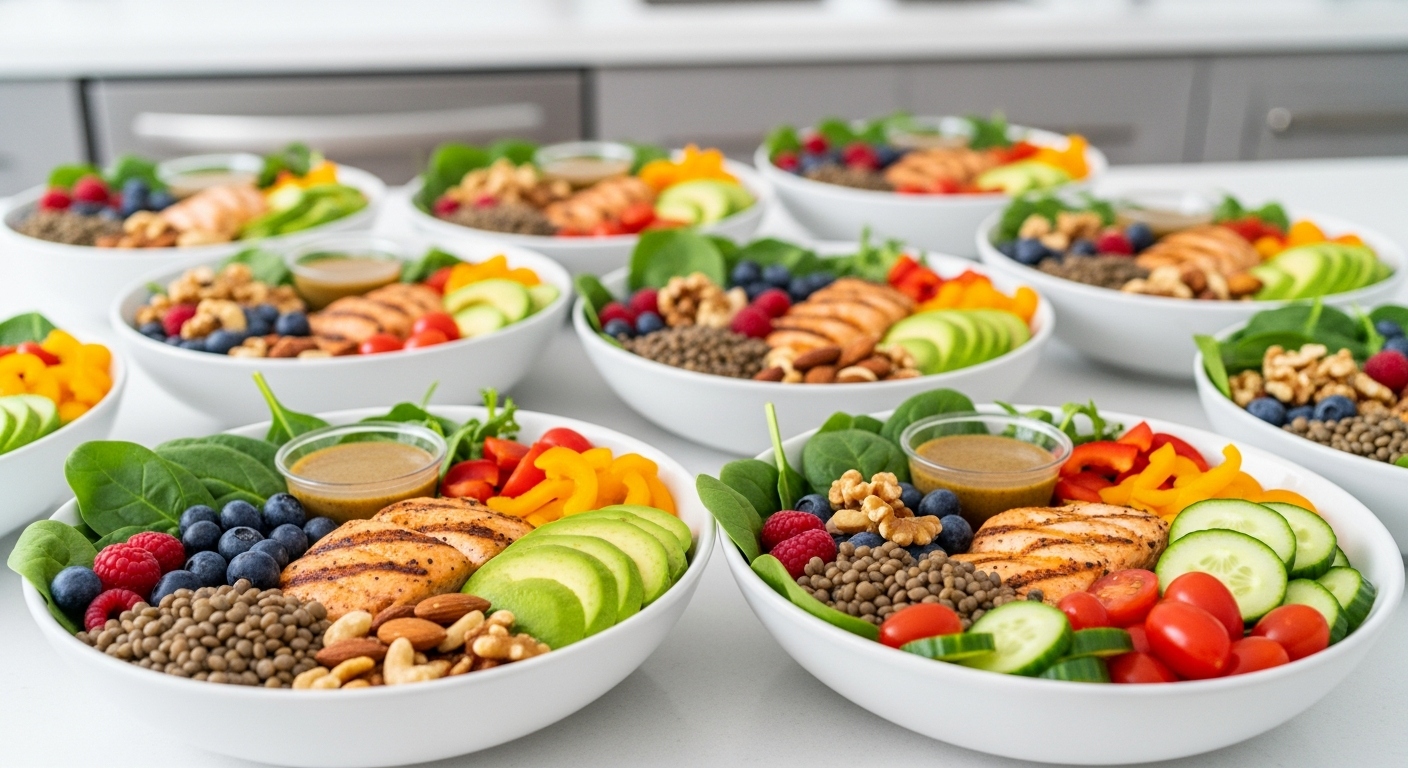
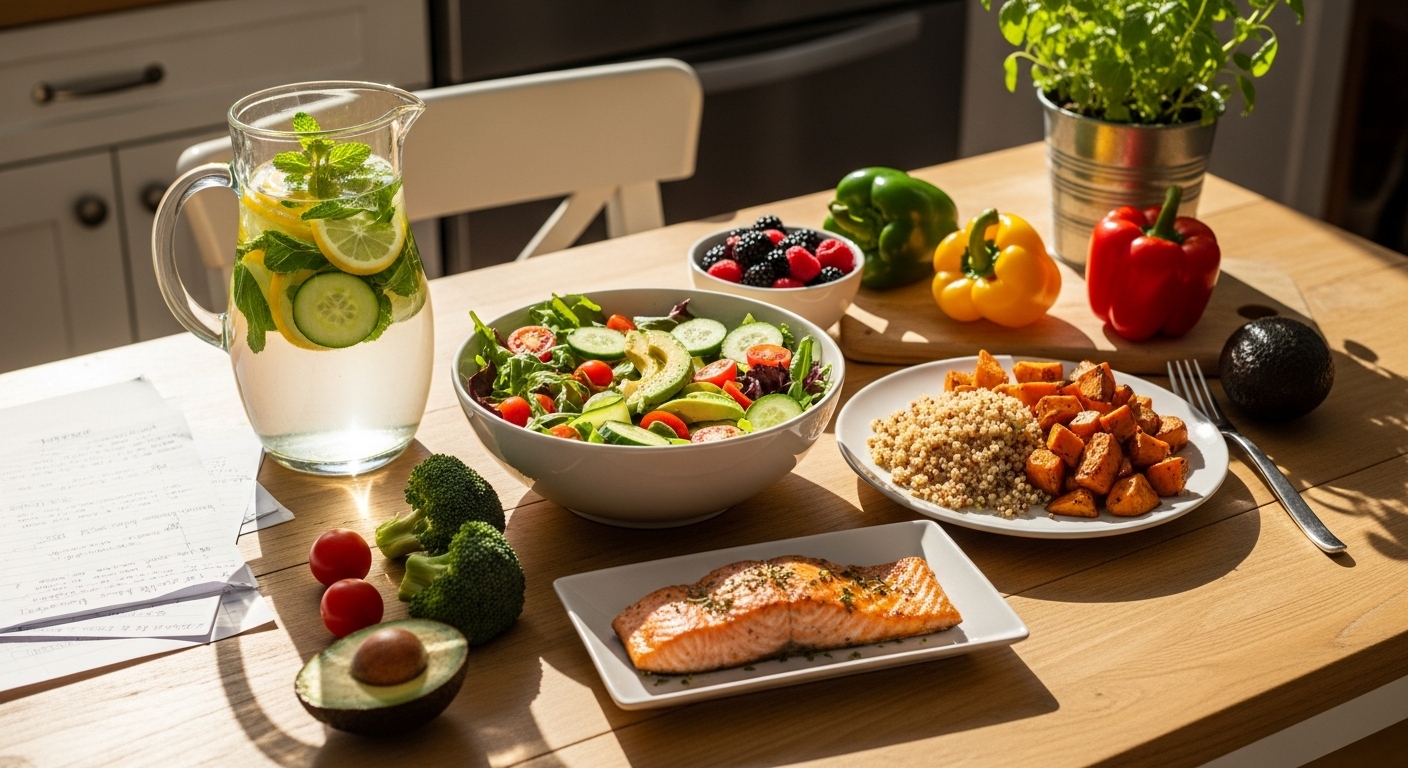
“Diabetic-friendly” shouldn’t mean a sad plate, a separate meal for one person, or a dinner table full of math. It should mean food that tastes like real comfort—just built on smarter structure. The truth is, the most family-friendly diabetes dinners are the ones everyone already likes: tacos, pasta nights, sheet-pan chicken, big salads, stir-fries, chili, burgers, bowls, and cozy soups. The difference is in the choices behind the scenes—how you balance carbs, add fiber, include protein, and bring bold flavor without leaning on sugar-heavy sauces or huge starch portions. A simple framework used by major diabetes education resources is the “plate method”: fill half your plate with non-starchy vegetables, one quarter with protein, and one quarter with carbohydrate foods (preferably higher-fiber options). This approach is powerful because it doesn’t require perfection. It gives you a visual guide that works for weeknights, restaurants, and picky eaters—especially when you focus on meals that feel satisfying and “normal.” This guide will show you how to build diabetic-friendly family dinners that don’t taste like compromise. You’ll get practical principles, flavor tricks, and a lineup of dinner ideas that feel craveable—because the best plan is the one your family actually wants to eat again.
A: Not usually—many plans focus on portioning carbs and choosing higher-fiber options.
A: The plate method: half non-starchy veg, quarter protein, quarter carb foods.
A: Do “build-your-own” meals like tacos, bowls, and burger nights with veggies front and center.
A: Often yes—beans provide carbs plus fiber and protein, which can be helpful in balanced meals.
A: Added sugars in BBQ/teriyaki; try vinegar/citrus-based or yogurt-based sauces instead.
A: Use a smaller portion of pasta, add protein, and load the plate with vegetables and salad.
A: Sheet-pan chicken + roasted veggies with a small side of whole grains.
A: Consider fruit with a protein (berries + yogurt/nuts) and keep portions modest.
A: Not always—check total carbs and portion size, not just the sugar line.
A: It depends on medications and your care plan; some people use the plate method instead.
What “Diabetic-Friendly” Really Means at the Dinner Table
Diabetic-friendly dinners are less about banning specific foods and more about managing how carbs hit the bloodstream. Many meal-planning guidelines emphasize consistent, balanced meals and using tools like carb counting and the plate method to make choices easier. In real life, that usually means building a plate where carbs are present but not overwhelming, and where they’re supported by protein, fiber, and healthy fats. It also means choosing carbs that do more for you—like beans, lentils, whole grains, and starchy vegetables in reasonable portions—rather than refined carbs that disappear fast. The goal isn’t to erase carbs; it’s to make them behave.
The Family Dinner Formula That Works (Even on Busy Nights)
Start with the plate method as your “default setting.” Half the plate goes to non-starchy vegetables—think leafy greens, broccoli, peppers, cauliflower, green beans, cucumbers, zucchini. This is where you get volume, crunch, color, and satisfaction without a big carb spike.
Then add protein: chicken, turkey, fish, lean beef, eggs, tofu, tempeh, or beans and lentils. Protein helps the meal feel steady and filling. Finally, add a carbohydrate portion—one quarter of the plate—ideally higher-fiber carbs like brown rice, whole grains, beans, or starchy vegetables. If someone uses insulin, carb counting may be part of the routine; if not, the plate method may be enough structure for many people.
That’s the blueprint. Now let’s make it delicious.
Flavor First: How to Make Healthy Dinners Taste “Big”
The fastest way to make diabetic-friendly food family-friendly is to stop describing it as “healthy” and start treating it like cuisine. Build flavor with caramelization, acid, and umami. Roast vegetables hot so they brown and sweeten naturally. Use garlic, onions, citrus, vinegar, herbs, and spice blends to make the kitchen smell like something special. Be especially aware of sauces. Many store-bought sauces hide a lot of added sugar. You don’t need bland food—you need smarter sauces: salsa, chimichurri, yogurt-herb sauce, tahini-lemon drizzle, pesto, garlic-lime dressing, or a quick pan sauce built from broth, herbs, and a little mustard. The more flavor you build from spices and aromatics, the less you’ll rely on sweeteners.
Diabetic-Friendly Dinner Ideas Everyone Will Actually Want
Taco Night, Upgraded: Build-Your-Own Bowls and Lettuce-Wrap Tacos
Taco night is a diabetes-friendly dinner superstar because it’s naturally modular.
- Make a protein like seasoned turkey, chicken, shrimp, tofu, or black beans.
- Set out toppings: shredded lettuce, pico de gallo, sautéed peppers and onions, avocado, cilantro, and a tangy yogurt-lime sauce.
- Keep tortillas available, but also offer lettuce wraps or bowl-style bases.
The plate method becomes effortless: load vegetables, add protein, then choose a carb portion—corn tortillas, a small scoop of brown rice, or beans.
Sheet-Pan Chicken and Rainbow Veg With a Crispy Edge
One sheet pan can feed a family and keep blood sugar steadier when it’s built right.
- Roast chicken thighs or breasts with broccoli, red onion, bell peppers, and zucchini.
- Toss everything in olive oil, garlic, smoked paprika, and lemon.
Serve with a controlled portion of a carb like quinoa or roasted sweet potato wedges. The vegetables do the heavy lifting here—big volume, big satisfaction.
“Pasta Night” Without the Spike: Veg-Forward, Protein-Supported
Pasta doesn’t have to disappear from a diabetes-friendly home—it just needs a makeover.
- Choose a smaller portion of whole-grain pasta and make the sauce the star.
- A turkey-and-mushroom marinara, or a veggie-packed tomato sauce with spinach and roasted peppers.
- Add a side salad and a protein boost (chicken, shrimp, tofu, or white beans stirred into the sauce).
The trick is making the plate mostly vegetables and protein, with pasta playing the supporting role.
Stir-Fry That Tastes Like Takeout (But Feels Better After)
Stir-fries are ideal because they’re built on vegetables and protein.
- Sauté chicken, shrimp, tofu, or lean beef with broccoli, snap peas, mushrooms, and peppers.
- Use a sauce made from low-sodium soy sauce, garlic, ginger, rice vinegar, and a small amount of sesame oil.
- If you want sweetness, use a little fruit (pineapple chunks) or a tiny amount of a low-calorie sweetener rather than pouring in sugar.
Serve over cauliflower rice or a measured portion of brown rice.
Cozy Chili That’s Thick, Hearty, and Family-Proof
Chili is one of the most forgiving diabetic-friendly dinners because beans add fiber and protein, and it’s easy to make the bowl vegetable-forward.
- Build it with lean turkey or extra beans, plus bell peppers, onions, and tomatoes.
- Serve with a big crunchy salad and toppings like avocado and a sprinkle of cheese.
If cornbread is a must, serve a smaller piece and make sure the rest of the plate follows the plate method.
Salmon + Crunchy Slaw + Roasted Veg = Restaurant-Level at Home
A baked salmon dinner can feel fancy and still be weeknight-simple. Roast Brussels sprouts or green beans until crisp. Make a slaw with cabbage, lime juice, and a yogurt-based dressing. Add a small serving of quinoa or roasted sweet potato. This meal hits the plate method naturally and feels like something you’d order out.
Burger Night, Reimagined: Lettuce-Wrapped Burgers and Loaded Sides
Keep burger night fun by shifting the “wow” to toppings and sides.
- Make turkey burgers or lean beef patties; serve buns optionally, but make lettuce-wrap burgers the default.
- Add toppings like grilled onions, tomatoes, pickles, and mustard.
Then serve sides that bring crunch and color: roasted cauliflower “fries,” a big salad, or a vinegar-based slaw.
Smart Carb Choices Without Carb Fear
Carbs matter because they have the biggest effect on blood glucose, and many diabetes resources point to carb awareness and consistency as helpful tools. But the goal isn’t to fear carbs—it’s to choose them well and portion them wisely. Think of carbs as an ingredient you place intentionally: beans, lentils, sweet potatoes, brown rice, whole grains, fruit, and dairy (if used) can all fit in a balanced plan. The more you pair carbs with vegetables and protein, the more stable the meal tends to feel.
Make It Kid-Friendly Without Making It Sugar-Heavy
Kids often resist “health messaging,” but they love control and familiarity. Build “choose-your-own” dinners: taco bars, burger bars, bowl bars, and salad-plus-protein assemblies. Keep sauces on the side. Offer two vegetables—one raw and crunchy, one cooked and warm. Let kids pick one starch option, but portion it like a side rather than a mountain.
And lean on texture. Crisp roasted broccoli wins hearts. Crunchy slaw makes meals exciting. A yogurt dip makes veggies feel like a snack.
The Takeaway: The Best Diabetic-Friendly Dinner Is a Family Dinner
The most sustainable diabetic-friendly dinners aren’t separate meals. They’re meals that happen to be balanced. Use the plate method as your anchor—half non-starchy vegetables, one quarter protein, one quarter carbs—and build flavor like you’re cooking for guests. When dinner feels abundant and delicious, it stops being “a diet” and becomes simply… dinner. The kind your whole family looks forward to.