Diabetic-Friendly Foods for Heart Health: Smart Meals That Balance Blood Sugar and Protect the Heart
Eating well with diabetes isn’t about giving up flavor, comfort, or the joy of food. In fact, some of the most satisfying meals you can make are also the ones that best support blood sugar control and heart health. When chosen thoughtfully, foods that stabilize glucose levels often reduce inflammation, improve cholesterol, and protect the cardiovascular system at the same time. That overlap is powerful—and it’s where diabetic-friendly cooking truly shines. This approach to food focuses less on restriction and more on balance. Instead of cutting out entire food groups, diabetic-friendly heart-healthy meals emphasize whole ingredients, steady energy release, and cooking methods that enhance nutrition without excess sugar, salt, or unhealthy fats. The result is food that feels abundant, comforting, and sustainable. At its core, diabetic-friendly heart-healthy eating is about building meals that work with the body rather than against it. From fiber-rich vegetables and healthy fats to smart carbohydrates and lean proteins, every component plays a role. When combined properly, they create meals that are deeply satisfying while quietly supporting long-term wellness.
A: No—choose high-fiber carbs and pair them with protein and healthy fats.
A: Olive oil, avocado, nuts, seeds, and fatty fish are excellent choices.
A: Increase non-starchy vegetables and add lean protein plus healthy fats.
A: Whole fruit is usually fine—berries are especially popular due to fiber and antioxidants.
A: Protein + roasted vegetables + a small portion of whole grains or beans.
A: Use garlic, herbs, citrus, vinegar, and spice blends instead of extra salt.
A: Nuts, Greek yogurt, veggies with hummus, or a hard-boiled egg.
A: No—plant omega-3s (chia/flax/walnuts) help too, but fish is a strong option.
A: Yes—choose homemade or low-sugar options and use portion-aware amounts.
A: Overcomplicating it—pick a few balanced meals and repeat them reliably.
Why Diabetes and Heart Health Are Closely Linked
Diabetes and heart disease are strongly connected, both biologically and nutritionally. Elevated blood sugar over time can damage blood vessels and increase inflammation, raising the risk of high blood pressure, atherosclerosis, and cardiovascular events. Because of this, people managing diabetes are often encouraged to think about heart health at the same time—even if no heart condition has been diagnosed. The good news is that food choices can influence both systems simultaneously. Meals that prevent rapid blood sugar spikes also tend to lower oxidative stress and support healthy cholesterol levels. Diets rich in fiber, unsaturated fats, and antioxidants have been shown to improve insulin sensitivity while protecting the heart. Rather than treating diabetes and heart health as separate dietary concerns, modern nutrition recognizes that the same eating patterns often benefit both. This makes meal planning simpler and far more practical for everyday life.
What Makes a Food Diabetic-Friendly and Heart-Healthy
Diabetic-friendly foods are not defined by what they exclude, but by how they behave in the body. These foods digest more slowly, produce gentler glucose responses, and support metabolic balance. When heart health is added to the equation, the focus expands to include cholesterol management, blood pressure support, and inflammation reduction.
Whole foods form the foundation. Vegetables, legumes, whole grains, lean proteins, nuts, seeds, and healthy oils provide nutrients in their most effective form. Highly processed foods, even those marketed as “diabetic,” often lack fiber and introduce additives that undermine metabolic health.
Another defining factor is how foods are combined. Pairing carbohydrates with protein and fat slows digestion and helps prevent glucose spikes. A slice of whole-grain bread behaves very differently when eaten alone than when paired with avocado and grilled fish. This principle makes meal design just as important as ingredient selection.
Fiber-Rich Vegetables as the Base of Every Meal
Non-starchy vegetables are among the most valuable foods for both diabetes management and heart health. They provide volume, texture, and nutrients with minimal impact on blood sugar. Leafy greens, broccoli, cauliflower, zucchini, peppers, tomatoes, and cruciferous vegetables offer fiber, antioxidants, and minerals that support vascular health.
Fiber slows carbohydrate absorption and helps regulate cholesterol levels. Soluble fiber, in particular, plays a role in lowering LDL cholesterol and improving insulin sensitivity. When vegetables form the largest portion of the plate, meals naturally become more balanced and filling. Cooking vegetables properly enhances both flavor and digestibility. Roasting brings out natural sweetness, sautéing adds richness without sugar, and steaming preserves delicate nutrients. Well-prepared vegetables are not a side note—they are the heart of diabetic-friendly meals.
Smart Carbohydrates That Support Blood Sugar Stability
Carbohydrates are often misunderstood in diabetic nutrition, but they are not the enemy. The key is choosing carbohydrates that digest slowly and provide fiber along with energy. Whole grains, legumes, vegetables, and certain fruits offer carbohydrates in a form the body can manage more effectively.
Foods like lentils, chickpeas, oats, quinoa, barley, and beans release glucose gradually and contribute to satiety. These carbohydrates also support heart health by improving cholesterol profiles and feeding beneficial gut bacteria.
Portion size matters, but so does context. When carbohydrates are eaten alongside protein and healthy fat, their impact on blood sugar is significantly reduced. This makes meals feel complete rather than restrictive.
Healthy Fats That Protect the Heart
Fat plays a crucial role in diabetic-friendly heart-healthy eating. Unsaturated fats help improve cholesterol levels, reduce inflammation, and slow digestion—making them especially valuable for blood sugar control. Extra-virgin olive oil, avocados, nuts, seeds, and fatty fish are all central players.
Omega-3 fatty acids, found in salmon, sardines, chia seeds, flaxseed, and walnuts, are particularly beneficial. They support triglyceride reduction and improve arterial function. Including these fats regularly, rather than occasionally, provides long-term cardiovascular benefits. The goal is not low-fat eating, but smart fat selection. Replacing refined oils and trans fats with whole, natural fat sources improves both flavor and metabolic outcomes.
Protein Choices That Balance Meals
Protein helps stabilize blood sugar by slowing digestion and promoting satiety. It also supports muscle health, which plays an important role in glucose regulation. Lean animal proteins and plant-based proteins both have a place in diabetic-friendly eating.
Fish offers a unique advantage, providing both protein and heart-protective fats. Poultry, eggs, tofu, tempeh, and legumes contribute variety and flexibility. Plant-based proteins, in particular, bring additional fiber and phytonutrients that support cardiovascular health.
Balancing protein throughout the day—rather than concentrating it in one meal—helps maintain steady energy and prevents large glucose swings.
Flavor Without Sugar: Seasoning the Right Way
One of the biggest misconceptions about diabetic-friendly food is that it lacks flavor. In reality, removing excess sugar opens the door to more nuanced and satisfying tastes. Herbs, spices, citrus, vinegar, garlic, onions, and aromatics create depth without destabilizing blood sugar.
Acid plays a particularly important role. Lemon juice, balsamic vinegar, apple cider vinegar, and wine reductions brighten dishes and can even reduce post-meal glucose responses. Spices like cinnamon, turmeric, cumin, and paprika add warmth and complexity while offering antioxidant benefits. Flavorful food encourages consistency. When meals taste good, healthy eating becomes enjoyable rather than forced.
Cooking Techniques That Support Heart Health
How food is prepared influences its impact on both blood sugar and cardiovascular health. Gentle cooking methods preserve nutrients and reduce the formation of inflammatory compounds. Baking, roasting, steaming, poaching, and light sautéing are ideal techniques.
Deep frying and high-heat processing introduce oxidized fats and excess calories, working against heart health goals. Simple adjustments—like roasting instead of frying or using olive oil instead of refined oils—can significantly improve nutritional quality without sacrificing satisfaction.
Cooking at home also provides control over ingredients, portion sizes, and seasoning, making it easier to maintain consistent habits.
Real-World Diabetic-Friendly Meal Ideas
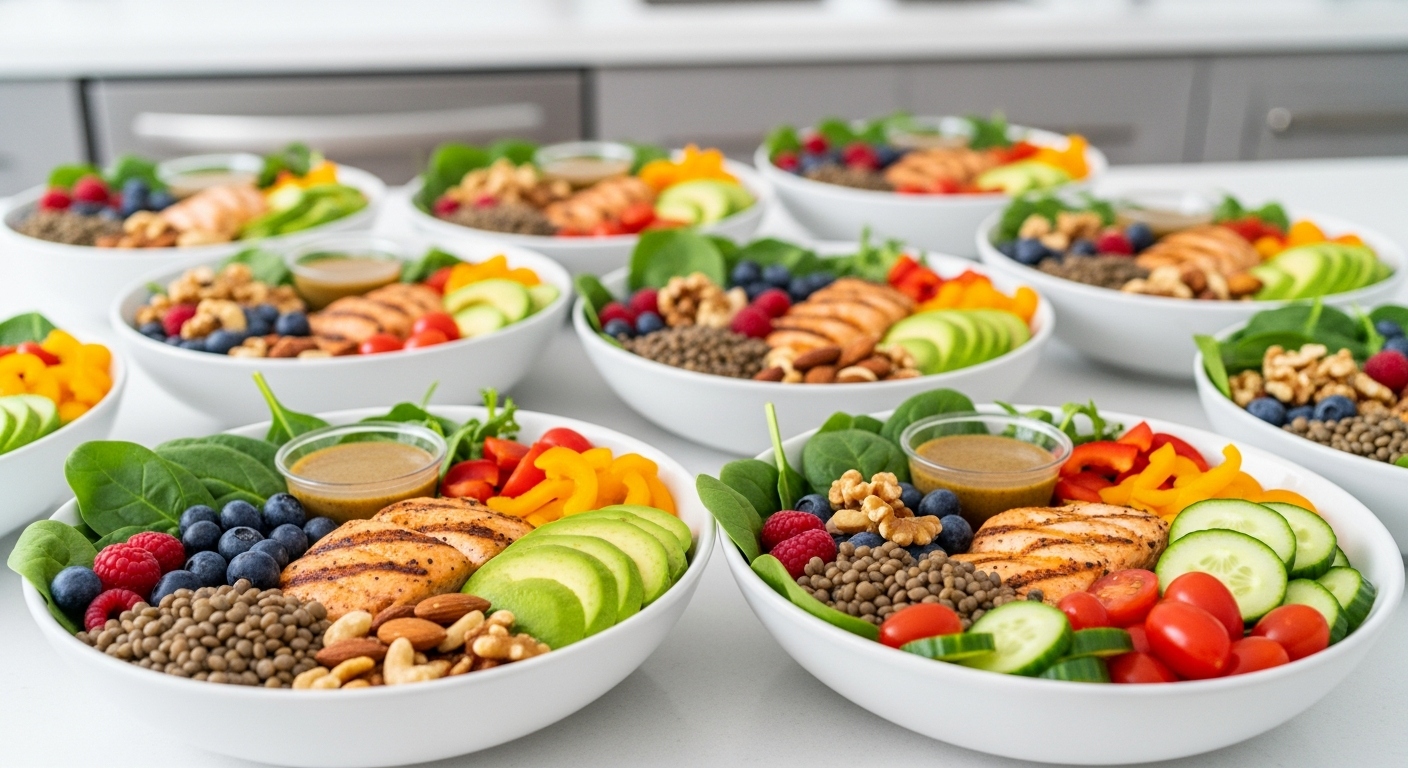
Diabetic-friendly foods for heart health naturally lend themselves to practical, repeatable meals. Grilled salmon with roasted vegetables and quinoa offers protein, fiber, and omega-3 fats in one plate. Lentil and vegetable stews provide comfort and slow-digesting carbohydrates. Greek-style bowls with olive oil, chickpeas, leafy greens, and herbs deliver bold flavor with metabolic balance.
Breakfasts can be just as supportive. Oatmeal with nuts and berries, vegetable omelets with avocado, or chia pudding made with unsweetened milk alternatives create steady energy without sugar crashes. These meals aren’t special-occasion food—they are everyday recipes designed to support long-term health.
Making Diabetic-Friendly Heart-Healthy Eating Sustainable
Sustainability is the most important ingredient of all. A diet that feels overly restrictive or complicated is unlikely to last. Diabetic-friendly heart-healthy eating works best when it becomes a flexible framework rather than a rigid rule set.
Planning ahead, stocking a supportive pantry, and rotating a few reliable meals reduce decision fatigue. Allowing room for enjoyment—while staying mindful of balance—helps prevent burnout.
Progress is built on patterns, not perfection. Each supportive meal contributes to better blood sugar control, improved heart health, and a more positive relationship with food.
A Long-Term Approach That Nourishes the Whole Body
Diabetic-friendly foods for heart health are not a temporary solution or a short-term diet. They represent a way of eating that respects the body’s need for balance, nourishment, and pleasure. By focusing on whole foods, thoughtful combinations, and satisfying flavors, meals become tools for care rather than sources of stress.
When food supports both blood sugar and cardiovascular health, it does more than manage symptoms—it builds resilience. Over time, these choices add up, creating steadier energy, improved markers, and a deeper sense of confidence around eating. Healthy food doesn’t have to feel clinical. With the right ingredients and approach, it can feel like home.