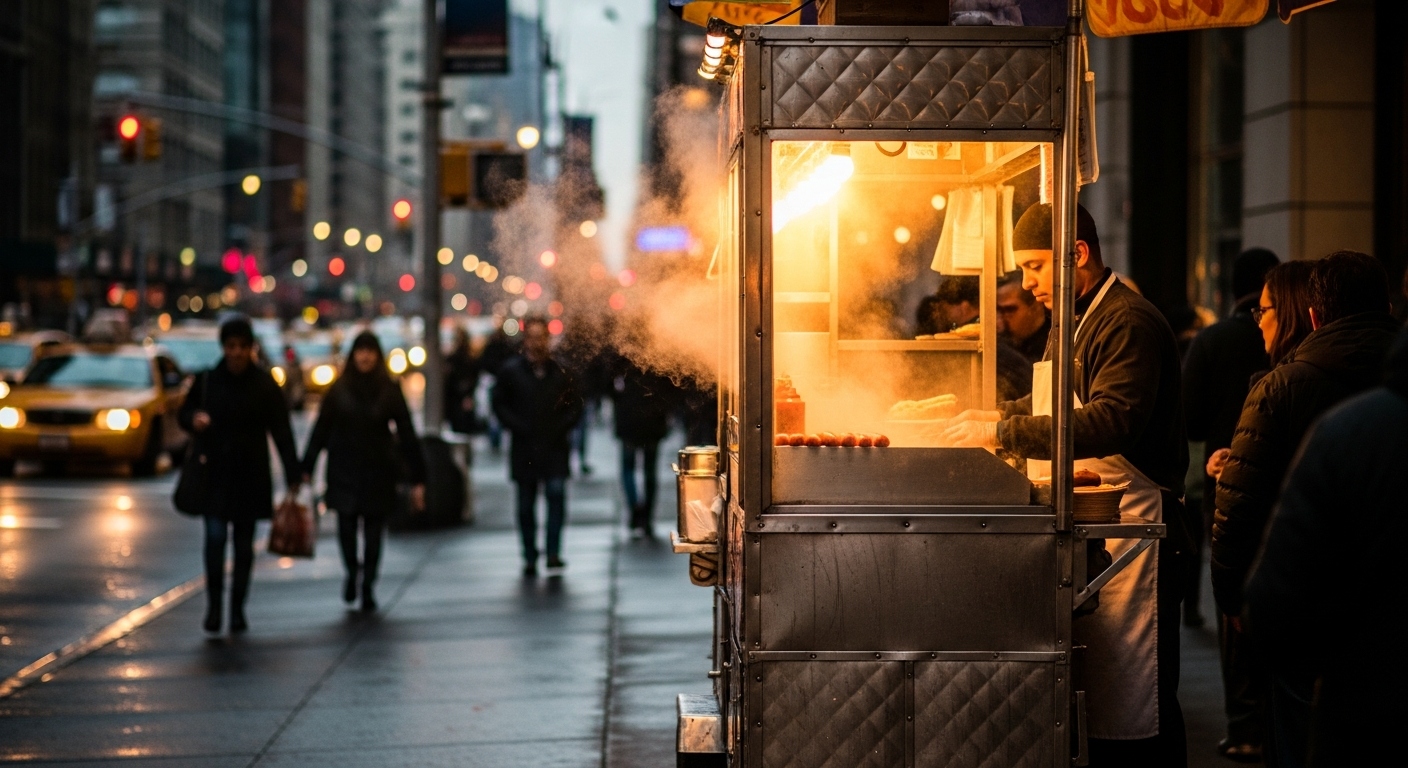
From Sidewalk Stalls to Global Phenomenon—How Street Food Shapes Taste, Culture, and Community
Street food is more than a quick bite grabbed on the go—it is a living, breathing expression of culture, history, and human connection. Found in bustling city corners, vibrant night markets, and roadside stalls across the world, street food tells stories that stretch far beyond the plate. It reflects migration, tradition, innovation, and survival, all wrapped into dishes that are often simple, affordable, and deeply satisfying. In today’s fast-paced world, street food has evolved from a necessity for the working class into a celebrated culinary experience embraced by travelers, chefs, and food enthusiasts alike. Its global impact continues to grow, influencing restaurant menus, inspiring culinary trends, and redefining what it means to eat well.
A: Street food is ready-to-eat food sold by vendors in public spaces, often from carts, stalls, markets, or small stands.
A: It is affordable, flavorful, convenient, and often closely tied to local culture.
A: Not exactly—street food is quick, but many dishes require skilled preparation, long marinades, slow cooking, or handmade components.
A: High heat, fresh toppings, bold sauces, spice, texture, and vendor specialization all help create memorable flavor.
A: Yes—start with simple dishes like tacos, skewers, fried rice, wraps, dumplings, or loaded flatbreads.
A: Flatbreads, rice, noodles, beans, grilled meats, fresh herbs, pickles, sauces, spices, and seasonal vegetables are common.
A: It shows what people eat daily, how communities gather, and how history shapes flavor.
A: Yes—street food supports small businesses, creates jobs, and makes affordable meals available to many people.
A: Create a build-your-own station with warm fillings, fresh toppings, sauces, and easy handheld serving pieces.
A: Use contrast: hot and cool, crisp and soft, spicy and creamy, rich and acidic.
Defining Street Food: More Than Convenience
At its core, street food refers to ready-to-eat meals or snacks prepared and sold by vendors in public spaces. These foods are typically cooked on-site or assembled quickly, designed to be eaten immediately without the need for formal dining.
But reducing street food to convenience misses its true significance. Street food is deeply rooted in local identity. Each dish reflects the ingredients available in a region, the traditions passed down through generations, and the ingenuity of cooks who have mastered the art of flavor in compact spaces.
Whether it’s a sizzling skewer of meat, a paper cone filled with fried snacks, or a steaming bowl of noodles, street food delivers bold, memorable flavors that capture the essence of a place.
A Brief History of Street Food
Street food has existed for thousands of years, dating back to ancient civilizations. In Ancient Rome, street vendors sold bread, olives, and wine to citizens who lacked access to kitchens. Similarly, in ancient China, bustling markets offered noodles, dumplings, and soups to travelers and laborers.
During the Middle Ages, street food became even more essential in growing cities. Many people lived in small dwellings without cooking facilities, relying on vendors for daily meals. These early vendors laid the foundation for the street food culture we see today.
As trade routes expanded, so did the exchange of ingredients and cooking techniques. Spices traveled across continents, and recipes evolved as cultures blended. Street food became a melting pot of flavors, influenced by colonization, migration, and commerce.
In modern times, street food has transformed from a necessity into a culinary attraction. Cities like Bangkok, Mexico City, and Istanbul are now renowned for their street food scenes, drawing visitors eager to experience authentic local cuisine.
Cultural Identity on a Plate
Street food is one of the most authentic ways to experience a culture. Unlike fine dining, which often adapts dishes for broader appeal, street food remains closely tied to its roots. Vendors often prepare recipes that have been passed down through families, preserving traditional techniques and flavors.
In many cultures, street food is a social experience. People gather around stalls, share meals, and connect with others. The act of eating becomes communal, breaking down barriers between strangers.
Street food also reflects cultural rituals and celebrations. Certain dishes are tied to festivals, holidays, or seasonal events, adding another layer of meaning to the food itself.
The Global Street Food Landscape
Across the world, street food varies widely in flavor, presentation, and preparation, yet it shares a common spirit of accessibility and creativity.
In Southeast Asia, street food markets are vibrant and fast-paced, offering everything from grilled meats to noodle soups cooked to order. In Latin America, street vendors serve tacos, empanadas, and grilled corn bursting with flavor. In the Middle East, flatbreads, kebabs, and falafel dominate the streets, while in Europe, markets feature sausages, pastries, and regional specialties.
Each region brings its own identity to street food, shaped by climate, agriculture, and cultural influences. Despite these differences, the universal appeal of street food lies in its ability to deliver bold flavors quickly and affordably.
The Economics of Street Food
Street food plays a vital role in local economies. For many vendors, it represents a path to entrepreneurship with relatively low startup costs. A small cart or stall can become a thriving business, supporting families and contributing to the community.
Street food also provides affordable meals for consumers, making it an essential part of urban life. In many cities, it offers a reliable source of nourishment for workers, students, and travelers.
As street food gains popularity, it also influences the broader food industry. Chefs often draw inspiration from street vendors, incorporating bold flavors and informal dining concepts into their restaurants.
From Street to Mainstream: Culinary Influence
In recent years, street food has moved from the margins to the spotlight. Food festivals, television shows, and social media have elevated street food to global fame. What was once considered humble or informal is now celebrated as innovative and authentic.
Many modern restaurants are inspired by street food, offering dishes that capture its essence while adding refined techniques. This fusion of street and fine dining has created a new culinary landscape where tradition meets innovation.
Street food’s influence extends beyond restaurants. It shapes food trends, inspires home cooks, and introduces people to new flavors and cuisines.
The Art of Flavor: Why Street Food Tastes So Good
Street food is known for its bold, intense flavors. This is no accident. Vendors often rely on techniques that maximize taste, such as grilling over open flames, frying for crisp textures, and layering spices for complexity.
Because street food is prepared in small batches, it is often fresher than mass-produced meals. Ingredients are used quickly, ensuring vibrant flavors and textures.
Another key factor is specialization. Many street vendors focus on a single dish or a small menu, allowing them to perfect their craft. This dedication results in dishes that are consistently delicious and memorable.
A Taste of the Streets at Home: Simple Street Food Recipes
Bringing street food into your own kitchen is easier than you might think. With a few ingredients and simple techniques, you can recreate the flavors of the streets.
One classic example is a street-style grilled chicken wrap. Marinate chicken in a mixture of garlic, lemon juice, olive oil, and spices like paprika and cumin. Grill until charred and juicy, then slice and wrap in flatbread with fresh vegetables and a tangy yogurt sauce.
Another favorite is crispy street-style fried rice. Use day-old rice for the best texture. Stir-fry with garlic, vegetables, soy sauce, and scrambled eggs, finishing with green onions and a splash of sesame oil.
For something sweet, try a simple fried dough dessert. Mix a basic dough, fry in hot oil until golden, and dust with sugar or drizzle with honey. These treats capture the indulgent spirit of street food desserts found worldwide.
Street Food and Sustainability
Street food can also play a role in sustainability. Many vendors use local, seasonal ingredients, reducing the environmental impact of transportation. Small-scale operations often produce less waste compared to large restaurants.
However, challenges remain. Issues such as food safety, waste management, and regulation must be addressed to ensure the long-term sustainability of street food culture.
Cities around the world are working to support vendors through better infrastructure, training, and policies, recognizing the value of street food as both a cultural and economic asset.
The Future of Street Food
The future of street food is bright and dynamic. As cities grow and cultures continue to intersect, street food will evolve, incorporating new ingredients, techniques, and influences.
Technology is also playing a role, with vendors using social media to attract customers and share their stories. Food delivery apps are bringing street food to new audiences, expanding its reach beyond physical locations.
Despite these changes, the essence of street food remains the same: simple, flavorful, and deeply connected to the people who create and enjoy it.
A Global Language of Flavor
Street food is more than a category of cuisine—it is a global language of flavor that connects people across cultures and continents. It tells stories of history, resilience, and creativity, all through the simple act of sharing a meal.
Whether enjoyed on a bustling street corner or recreated at home, street food invites us to explore the world one bite at a time. It reminds us that great food doesn’t have to be complicated or expensive—it just has to be made with passion and authenticity.