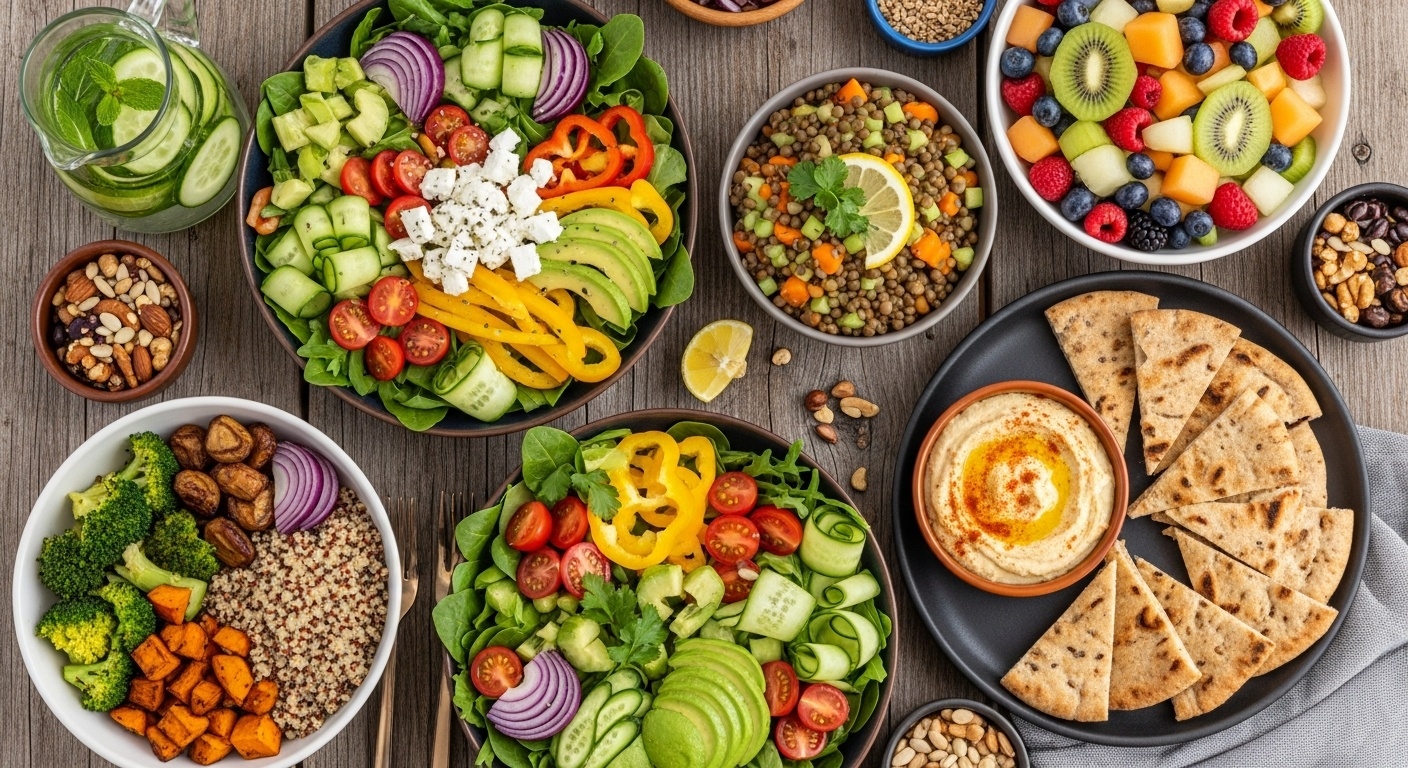
A 30-Day Reset That Starts in the Kitchen
What if the most powerful health transformation you could make in one month didn’t come from a gym membership, supplements, or extreme cleanses—but from what’s on your plate? The vegetarian diet has quietly become one of the most studied, widely adopted, and sustainable eating patterns in the world. Yet for many people, the idea of removing meat—even temporarily—can feel overwhelming or unrealistic. This 30-day vegetarian challenge isn’t about perfection or restriction. It’s about curiosity. It’s about watching your body shift in subtle and surprising ways as it adjusts to a plant-forward lifestyle. From digestion and energy to mood, skin, sleep, and metabolic health, your body responds quickly when whole foods replace heavily processed meals. Within a few weeks, many people experience measurable changes that feel almost too good to be true. This guide explores what actually happens inside your body—week by week—when you commit to 30 days of vegetarian eating. You’ll learn how your digestive system recalibrates, how inflammation decreases, how energy stabilizes, and how cravings change. Along the way, you’ll also discover how simple, flavorful vegetarian recipes make the transition not only manageable, but deeply enjoyable.
A: Yes—include a protein anchor each meal (beans/lentils/tofu/eggs/Greek yogurt) and you’ll be fine.
A: Fiber rises fast. Increase gradually, hydrate well, and include cooked veggies and soups early on.
A: Hummus wrap with greens + veggies, or Greek yogurt bowl with fruit, oats, and nuts (if dairy fits).
A: Add fat + protein + fiber together (e.g., beans + rice + avocado + salsa).
A: It depends—B12 is the main one to watch; fortified foods can help. Consider checking with a clinician for your needs.
A: Lentil chili, veggie lasagna, mushroom stroganoff, or a loaded baked potato with beans and toppings.
A: Prep components (grains, roasted veg, beans) and rotate sauces to change the flavor direction daily.
A: Yes—prioritize whole-food carbs (oats, potatoes, brown rice) and pair them with protein and fats.
A: Chickpea stir-fry, tofu scramble, lentil soup, or veggie fried rice using frozen vegetables.
A: Choose cuisines with easy veg options (Mediterranean, Indian, Thai), and add a side of beans or tofu for protein.
Why a 30-Day Vegetarian Diet Works So Well
A month is long enough for your body to reset but short enough to feel achievable. Most physiological systems—your gut microbiome, insulin sensitivity, lipid levels, hydration status, and even skin cell turnover—can begin to change within four weeks. This makes 30 days the perfect window to witness real transformation without long-term pressure.
When you remove meat and focus on vegetables, fruits, legumes, whole grains, nuts, and seeds, you naturally reduce saturated fat, sodium, and preservatives. At the same time, you increase fiber, antioxidants, phytonutrients, and plant proteins. This creates a ripple effect across nearly every system in your body, improving internal efficiency while lowering stress on your organs.
Instead of simply eliminating meat, the goal is to crowd your plate with colorful, whole foods that fuel your body and excite your taste buds. Many people find that once they experience how good they feel, they continue eating this way well beyond the initial challenge.
Week 1: The Adjustment Phase
The first week is when your body realizes something has changed. Digestive systems often react first. As fiber intake increases, your gut begins adapting to a higher volume of plant material. You may feel temporarily bloated or notice changes in bowel habits, which is completely normal. This is your microbiome reorganizing itself around new fuel sources.
Energy levels may fluctuate during this period as your body shifts away from heavy animal proteins and fats. Some people feel lighter almost immediately, while others experience brief fatigue as their metabolism recalibrates. Cravings for salty, savory foods or meat-based dishes can appear, but they tend to pass quickly once your body begins recognizing new sources of satisfaction.
Hydration becomes especially important during this phase. Whole foods contain more water than processed meals, but fiber also requires adequate fluids to move smoothly through the digestive tract. Drinking enough water helps minimize discomfort and speeds up the adaptation process.
Week 2: Digestion, Energy, and Mental Clarity Improve
By the second week, many people begin to notice consistent improvements in digestion. Bloating decreases, bowel movements become more regular, and stomach discomfort often fades. Fiber feeds beneficial gut bacteria, which produce short-chain fatty acids that support immune health and reduce inflammation.
Energy levels start to stabilize as your blood sugar becomes more balanced. Instead of sharp spikes and crashes, meals made from whole grains, vegetables, and legumes release glucose slowly, keeping you fueled for longer periods. This often results in fewer cravings and less reliance on caffeine.
Mental clarity is another common benefit. As inflammation decreases and nutrient intake increases, many people report improved focus and mood. Magnesium, folate, and B vitamins from leafy greens and legumes support brain health, while antioxidants help protect against oxidative stress.
Week 3: Skin, Sleep, and Inflammation Shift
By the third week, changes become visible as well as internal. Skin often looks brighter and more hydrated, thanks to increased intake of vitamin C, vitamin E, beta-carotene, and healthy fats from plant sources. These nutrients support collagen production and reduce inflammatory skin conditions.
Sleep quality may improve as well. A plant-forward diet is naturally lower in heavy fats that can disrupt digestion at night. Additionally, complex carbohydrates help the body produce serotonin, which converts to melatonin, supporting more restful sleep.
Joint stiffness and chronic aches often decrease as inflammatory foods are replaced with anti-inflammatory plants. Many people notice that they feel lighter, more mobile, and less sore—even without changing their exercise routine.
Week 4: Metabolism, Weight, and Heart Health Benefits
The final week is where results feel undeniable. Many people experience natural weight loss without calorie counting, simply because plant-based foods are lower in energy density and higher in fiber. This allows you to eat satisfying portions while still reducing overall caloric intake.
Cholesterol levels often begin to improve as saturated fats from animal products are replaced with heart-healthy plant fats. Blood pressure may decrease as sodium intake drops and potassium intake rises from fruits and vegetables.
Your metabolism becomes more efficient at processing carbohydrates, and insulin sensitivity improves. This can help stabilize blood sugar and reduce the risk of metabolic disorders over time.
The Role of Simple Vegetarian Recipes in Long-Term Success
One of the biggest misconceptions about vegetarian eating is that it’s boring or restrictive. In reality, it opens the door to bold flavors, global cuisines, and creative cooking techniques. The key is focusing on meals that feel indulgent while still nourishing your body. Dishes like roasted vegetable grain bowls, creamy lentil curries, chickpea stir-fries, and fresh herb pastas provide protein, fiber, and comfort in every bite. When meals are satisfying, you’re far more likely to stay consistent and enjoy the process.
A Lifestyle Shift, Not a Temporary Trend
After 30 days, most people no longer think in terms of “giving something up.” Instead, they recognize what they’ve gained: energy, clarity, vitality, and a stronger connection to their food. Whether you continue as a full vegetarian or adopt a more plant-forward lifestyle, the benefits extend far beyond the first month.
This isn’t about labels. It’s about discovering how powerful simple, intentional eating can be—and how quickly your body responds when you treat it well.