Traditional Middle Eastern Foods Everyone Should Try
The Middle East is home to one of the world’s oldest and most influential culinary traditions. For thousands of years, the region has served as a crossroads connecting Asia, Europe, and Africa, allowing ingredients, cooking techniques, and cultural influences to blend into a rich and diverse food heritage. From the bustling markets of Istanbul and the ancient streets of Jerusalem to the vibrant kitchens of Beirut and the desert traditions of Jordan, Middle Eastern cuisine tells a story of history, hospitality, and extraordinary flavor. What makes Middle Eastern food so special is its remarkable balance of simplicity and complexity. Fresh herbs, fragrant spices, wholesome grains, legumes, vegetables, and expertly prepared meats come together to create dishes that are both comforting and sophisticated. Many traditional recipes have been passed down through generations, preserving culinary techniques that have survived for centuries. Today, Middle Eastern cuisine enjoys global popularity, with dishes such as hummus, falafel, and shawarma appearing on menus around the world. Yet there is far more to discover beyond these familiar favorites. Traditional Middle Eastern foods offer an incredible journey through cultures, histories, and flavors that every food lover should experience. Whether you are planning a culinary adventure, expanding your cooking horizons, or simply searching for your next unforgettable meal, these traditional Middle Eastern foods deserve a place on your must-try list.
A: Hummus, falafel, shawarma, tabbouleh, baba ghanoush, kibbeh, kebabs, maqluba, mansaf, and baklava are great starting points.
A: Chickpeas, tahini, olive oil, yogurt, rice, bulgur, flatbread, lamb, chicken, eggplant, herbs, spices, dates, and nuts are common staples.
A: Chickpeas are affordable, filling, versatile, and central to hummus, falafel, stews, salads, and vegetarian meals.
A: Hummus, tabbouleh, fattoush, lentil soup, shawarma-style chicken, rice pilaf, and roasted eggplant dips are approachable.
A: Falafel, hummus, baba ghanoush, mujadara, tabbouleh, fattoush, labneh, stuffed vegetables, and lentil soup are excellent.
A: Mezze platters, hummus, falafel, kebabs, shawarma wraps, stuffed grape leaves, tabbouleh, pita, and baklava work well.
A: Use fresh herbs, good olive oil, real tahini, lemon, garlic, toasted spices, yogurt sauces, and traditional spice blends.
A: Baklava, knafeh, basbousa, ma’amoul, halva, qatayef, rice pudding, date cookies, and syrup-soaked pastries are classics.
A: Hummus is chickpea-based, baba ghanoush is roasted eggplant-based, and muhammara is a red pepper and walnut dip.
A: Start with mezze, learn key staples like chickpeas and flatbread, then try regional rice dishes, grilled meats, stews, and desserts.
Why Middle Eastern Cuisine Is So Beloved
Middle Eastern cuisine has earned worldwide admiration because it combines vibrant flavors with wholesome ingredients and strong cultural traditions. Meals are rarely viewed as mere nourishment. Instead, they serve as opportunities for connection, hospitality, and celebration.
Many traditional dishes emphasize fresh vegetables, olive oil, herbs, grains, legumes, and lean proteins. This focus on natural ingredients contributes to both flavor and nutritional value. At the same time, the cuisine offers remarkable variety, ranging from light salads and dips to hearty stews, grilled meats, and indulgent desserts.
Perhaps most importantly, Middle Eastern food reflects centuries of cultural exchange. Every dish tells a story, connecting modern diners to ancient civilizations and enduring traditions.
Hummus: The Creamy Classic Everyone Loves
No introduction to Middle Eastern cuisine would be complete without hummus. This smooth and creamy blend of chickpeas, tahini, olive oil, lemon juice, and garlic has become one of the most recognizable foods in the world.
Despite its simplicity, hummus offers remarkable depth of flavor. The nuttiness of tahini balances perfectly with the brightness of lemon and the richness of olive oil. Traditionally served with warm pita bread, fresh vegetables, or as part of a larger mezze spread, hummus exemplifies the Middle Eastern talent for transforming humble ingredients into something extraordinary.
Its versatility makes it equally suitable as an appetizer, snack, or side dish, and its enduring popularity shows no signs of slowing down.
Falafel: The Ultimate Street Food
Falafel is one of the Middle East’s most beloved street foods. These crispy, golden-brown balls or patties are made from chickpeas or fava beans blended with herbs, spices, and aromatics before being fried to perfection.
The contrast between the crunchy exterior and tender interior makes falafel incredibly satisfying. Often served inside pita bread with vegetables, pickles, and tahini sauce, it creates a complete meal that is both filling and flavorful.
Falafel’s widespread popularity stems from its affordability, portability, and delicious taste. It remains a staple of daily life throughout much of the Middle East and has become a favorite among vegetarians worldwide.
Shawarma: A Global Favorite
Shawarma has evolved from a regional specialty into one of the world’s most popular street foods. Thin slices of marinated meat are stacked on a vertical rotisserie and slowly roasted, creating layers of flavor and tenderness.
Traditionally made with lamb, beef, chicken, or turkey, shawarma is typically wrapped in flatbread and accompanied by garlic sauce, tahini, vegetables, and pickles.
The combination of smoky meat, fresh toppings, and flavorful sauces creates an unforgettable culinary experience. Its convenience and versatility have helped shawarma become one of the most recognizable Middle Eastern foods around the globe.
Baba Ganoush: The Magic of Roasted Eggplant
For those who appreciate smoky flavors, Baba Ganoush is an essential Middle Eastern dish. This creamy dip begins with roasted eggplant, which is blended with tahini, olive oil, garlic, and lemon juice.
The roasting process imparts a distinctive smokiness that sets Baba Ganoush apart from other spreads. Its silky texture and complex flavor profile make it a favorite addition to mezze platters.
Served with fresh bread or vegetables, Baba Ganoush demonstrates how Middle Eastern cuisine excels at elevating simple ingredients into memorable dishes.
Tabbouleh: Freshness on a Plate
Tabbouleh is one of the region’s most refreshing and vibrant salads. Traditionally made with finely chopped parsley, mint, tomatoes, bulgur wheat, lemon juice, and olive oil, it celebrates the freshness of herbs and vegetables.
Unlike many Western salads, tabbouleh places herbs at the center of the dish rather than using them as garnishes. This creates a bright, aromatic flavor that pairs beautifully with grilled meats, dips, and flatbreads.
Its refreshing nature makes it particularly popular during warm weather, although it is enjoyed year-round throughout the Middle East.
Kebabs: Grilled Perfection
Kebabs represent one of the oldest and most enduring culinary traditions in the Middle East. Variations exist across the region, but all share a commitment to expertly seasoned meat cooked over an open flame.
Whether prepared as skewered cubes of lamb, ground meat mixtures, or marinated chicken, kebabs deliver rich flavor and satisfying texture. The grilling process enhances the natural qualities of the meat while adding subtle smokiness.
Served with rice, bread, salads, or grilled vegetables, kebabs remain a centerpiece of Middle Eastern dining and an essential food experience.
Kibbeh: A Culinary Treasure
Kibbeh is often considered one of the most iconic dishes of the Levant, particularly in Lebanon and Syria. Made from bulgur wheat, finely ground meat, onions, and spices, kibbeh can be prepared in multiple ways.
Some versions are shaped into football-like croquettes and fried until crisp. Others are baked in layers or served raw in highly specialized preparations.
The dish requires skill and attention to detail, making it a source of culinary pride for many families. Its rich flavor and unique texture make it a standout among traditional Middle Eastern foods.
Dolma: Stuffed to Perfection
Dolma refers to vegetables stuffed with flavorful fillings of rice, herbs, spices, and often meat. Grape leaves are among the most famous wrappers, but peppers, zucchini, eggplants, and onions are also commonly used.
The preparation of dolma can be labor-intensive, often involving multiple family members working together. This collaborative process reflects the communal nature of Middle Eastern food traditions.
Each bite offers a balance of textures and flavors, making dolma a beloved dish across numerous countries and cultures.
Fattoush: A Celebration of Simplicity
Fattoush is a traditional salad that showcases the Middle Eastern ability to minimize waste while maximizing flavor. The dish combines fresh vegetables such as lettuce, tomatoes, cucumbers, and radishes with crispy pieces of toasted or fried pita bread.
A dressing made from olive oil, lemon juice, and sumac provides brightness and complexity. The crunchy bread adds texture, creating a satisfying contrast to the fresh vegetables.
Fattoush remains a staple of Lebanese and Levantine cuisine and demonstrates how simple ingredients can create extraordinary results.
Mansaf: Jordan’s National Dish
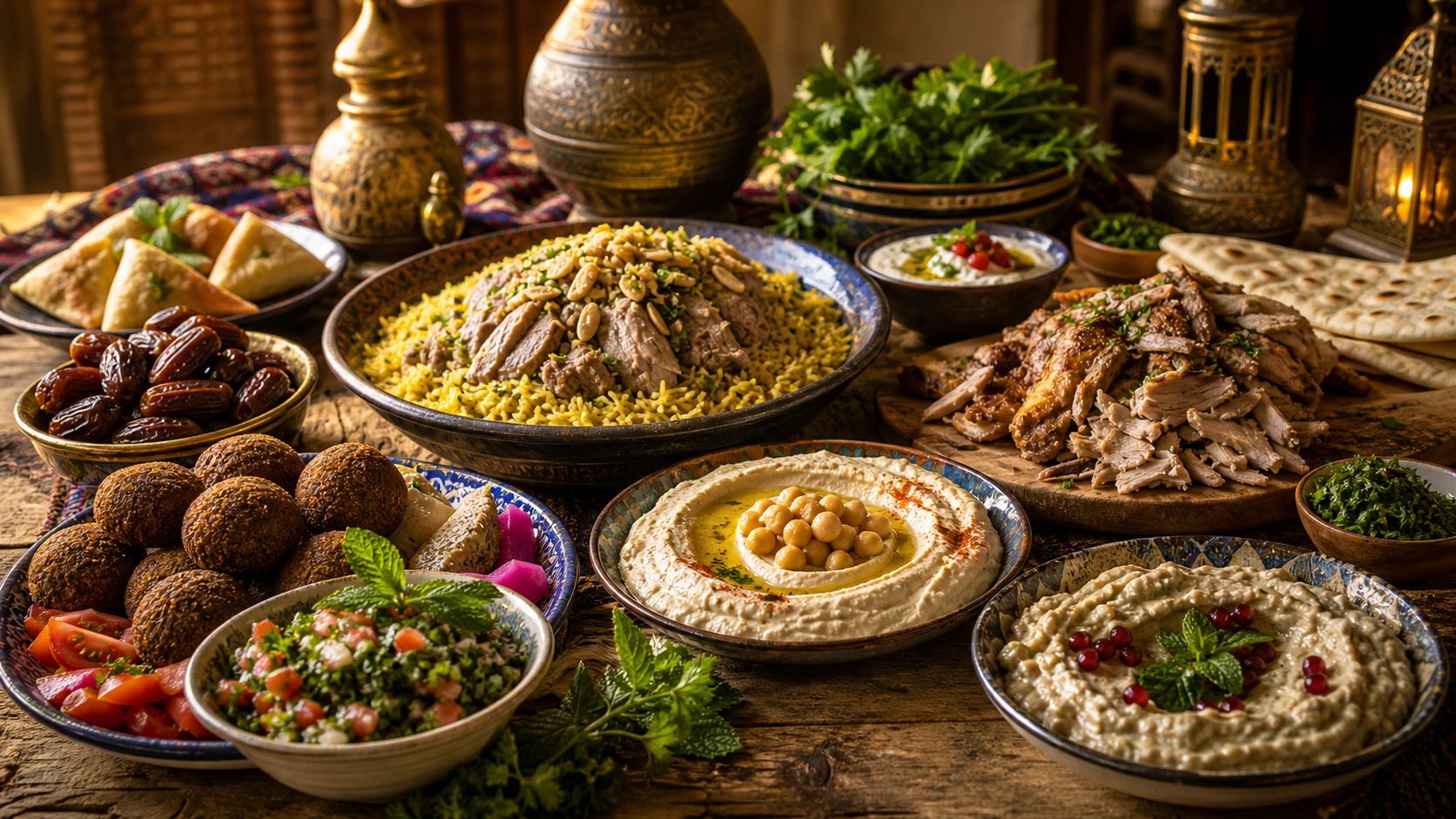
Mansaf occupies a special place in Jordanian culture. This celebratory dish consists of lamb cooked in a fermented yogurt sauce called jameed and served over rice.
Traditionally presented on large communal platters, mansaf embodies the values of hospitality, generosity, and togetherness that are central to Middle Eastern culture.
The rich, tangy flavor of the yogurt sauce distinguishes mansaf from other rice and meat dishes, creating a truly unique dining experience.
Mujadara: Comfort Food at Its Finest
Mujadara is one of the region’s most beloved comfort foods. Made from lentils, rice, and caramelized onions, it demonstrates how simple ingredients can create deeply satisfying meals.
The sweetness of the onions balances the earthy flavors of the lentils and rice, resulting in a dish that feels both nourishing and comforting.
Mujadara has been enjoyed throughout the Middle East for centuries and remains a popular choice for both everyday meals and special occasions.
Kofta: Flavorful and Versatile
Kofta refers to seasoned ground meat shaped into balls, patties, or skewers before being grilled, baked, or simmered in sauce. Various forms of kofta can be found throughout the Middle East, each reflecting local traditions and ingredients.
Common seasonings include parsley, onions, garlic, cumin, and coriander. The result is a flavorful and versatile dish that pairs beautifully with rice, bread, or vegetables.
Kofta’s widespread popularity highlights the region’s expertise in transforming simple ingredients into memorable meals.
Baklava: A Sweet Ending
Among Middle Eastern desserts, few are as famous as baklava. This rich pastry features layers of delicate dough filled with nuts and sweetened with syrup or honey.
The combination of crisp pastry, crunchy nuts, and sweet syrup creates an irresistible dessert that has been enjoyed for generations. Baklava often appears during holidays, celebrations, and special gatherings.
Its enduring popularity reflects the Middle East’s long tradition of exceptional pastry making.
Kunafa: The Dessert Everyone Should Try
Kunafa is another iconic Middle Eastern dessert that deserves international recognition. Made from shredded pastry, cheese, and sweet syrup, it offers a unique combination of textures and flavors.
The crispy exterior contrasts beautifully with the soft, melted filling, creating a dessert experience unlike any other. Variations exist across the region, but all share the same irresistible appeal.
For many visitors, tasting authentic kunafa becomes one of the highlights of exploring Middle Eastern cuisine.
The Importance of Mezze Culture
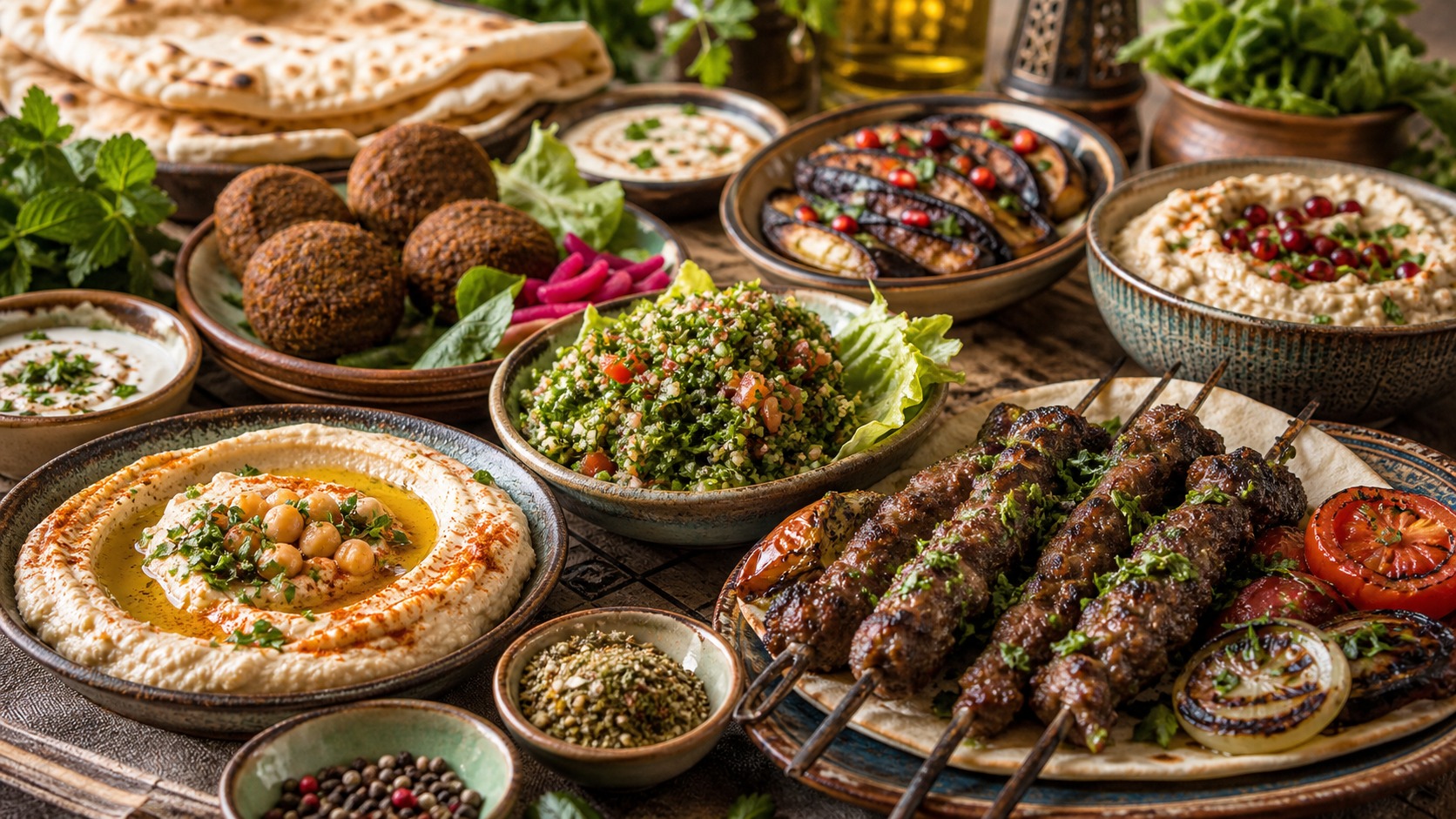
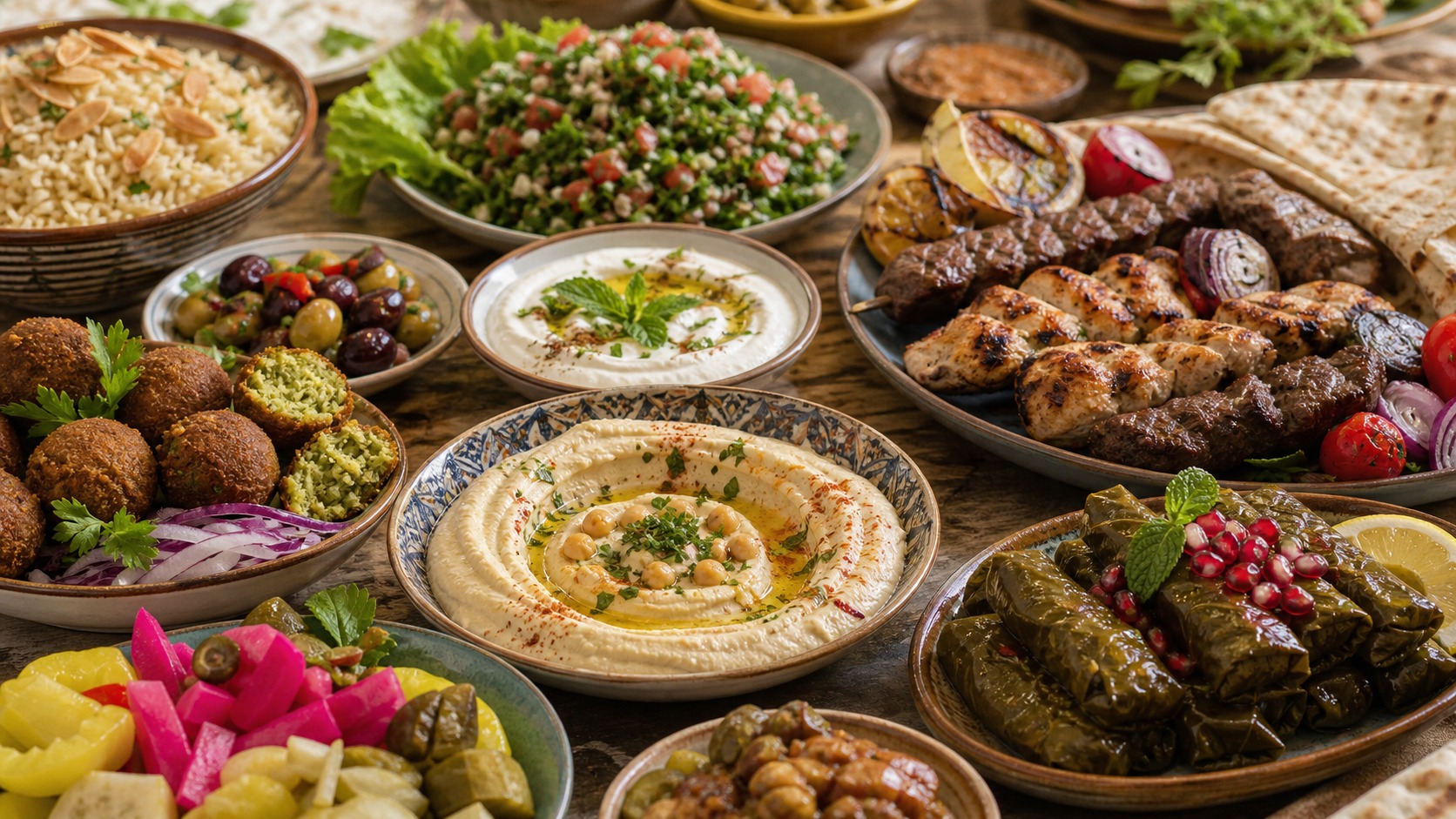
One of the defining characteristics of Middle Eastern dining is the tradition of mezze. Rather than focusing on a single dish, meals often begin with an assortment of small plates designed for sharing.
Hummus, baba ganoush, tabbouleh, dolma, olives, cheeses, and fresh bread may all appear together, encouraging conversation and communal enjoyment.
This approach transforms dining into a social experience rather than simply a meal. It reflects the region’s emphasis on hospitality and the importance of bringing people together around food.
The Role of Bread in Middle Eastern Cuisine
Bread occupies a central place in Middle Eastern culinary traditions. Pita, lavash, markook, and numerous other varieties serve as both food and utensil.
Fresh bread accompanies nearly every meal, used to scoop dips, wrap fillings, and complement grilled meats or stews. The ritual of sharing bread carries deep cultural significance and symbolizes hospitality throughout the region.
Its importance cannot be overstated, as bread remains one of the foundational elements of Middle Eastern dining.
Why Middle Eastern Food Continues to Captivate the World
Middle Eastern cuisine continues to gain popularity because it offers something for everyone. Meat lovers appreciate kebabs and shawarma, vegetarians enjoy falafel and hummus, and dessert enthusiasts delight in baklava and kunafa.
The cuisine’s emphasis on fresh ingredients, bold flavors, and communal dining resonates strongly with modern food trends. At the same time, its deep historical roots provide authenticity and cultural richness that many diners find compelling.
As more people discover the diversity of Middle Eastern cooking, appreciation for these traditional foods continues to grow.
Final Thoughts
Traditional Middle Eastern foods everyone should try represent far more than delicious recipes. They are expressions of history, culture, hospitality, and community that have endured for centuries. From the creamy richness of hummus and the satisfying crunch of falafel to the smoky flavors of baba ganoush and the sweet indulgence of baklava, each dish offers a unique window into one of the world’s most influential culinary traditions.
Exploring Middle Eastern cuisine is an invitation to experience the flavors, stories, and traditions that have shaped generations of cooks and diners. These foods continue to bring people together, preserve cultural heritage, and inspire culinary creativity around the world.
Whether you are enjoying a simple plate of hummus, sharing a mezze feast with friends, or savoring a piece of warm baklava, you are participating in a tradition that spans thousands of years. That timeless connection is what makes Middle Eastern cuisine so extraordinary and why these traditional foods deserve a place on every food lover’s bucket list.