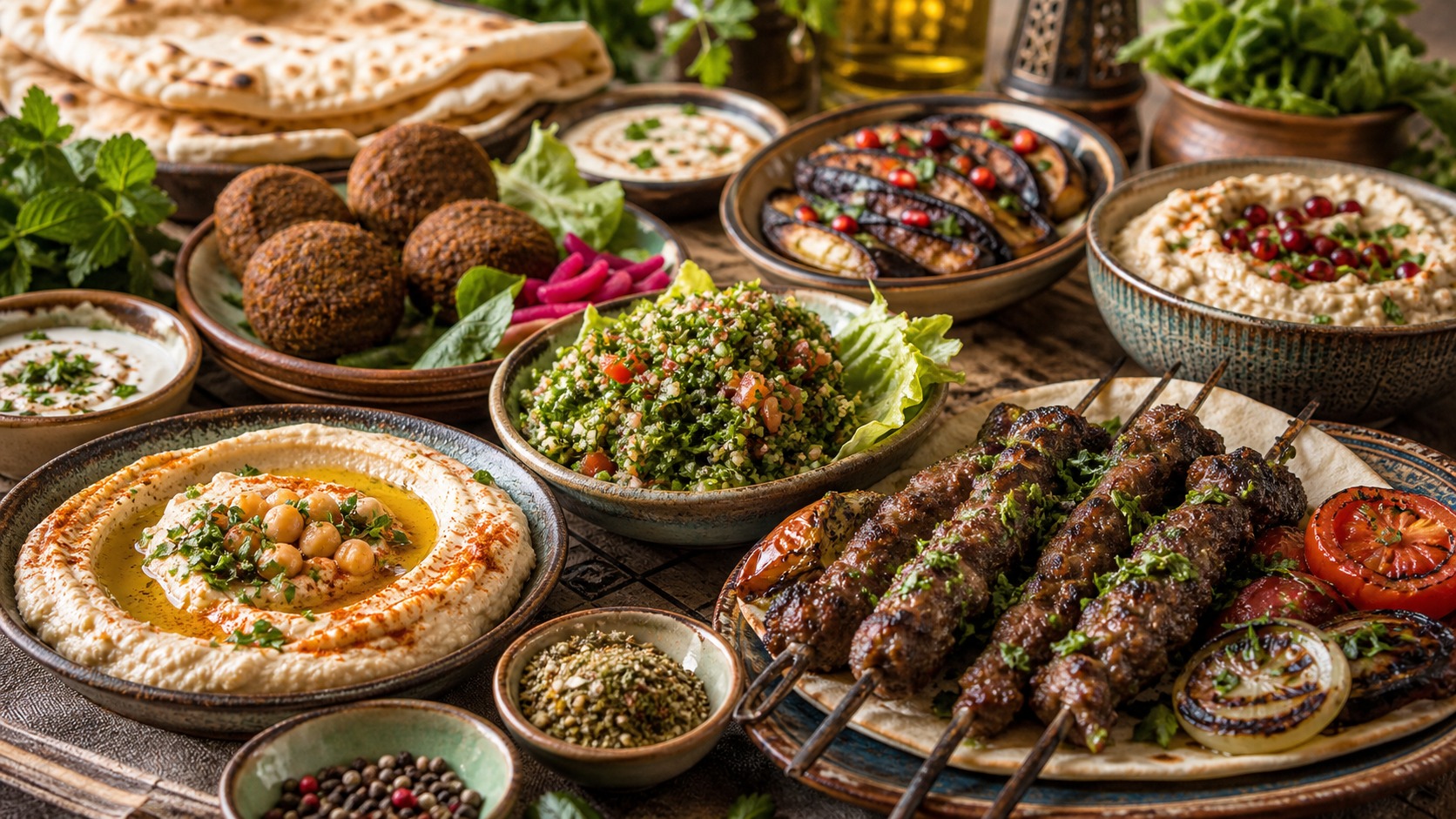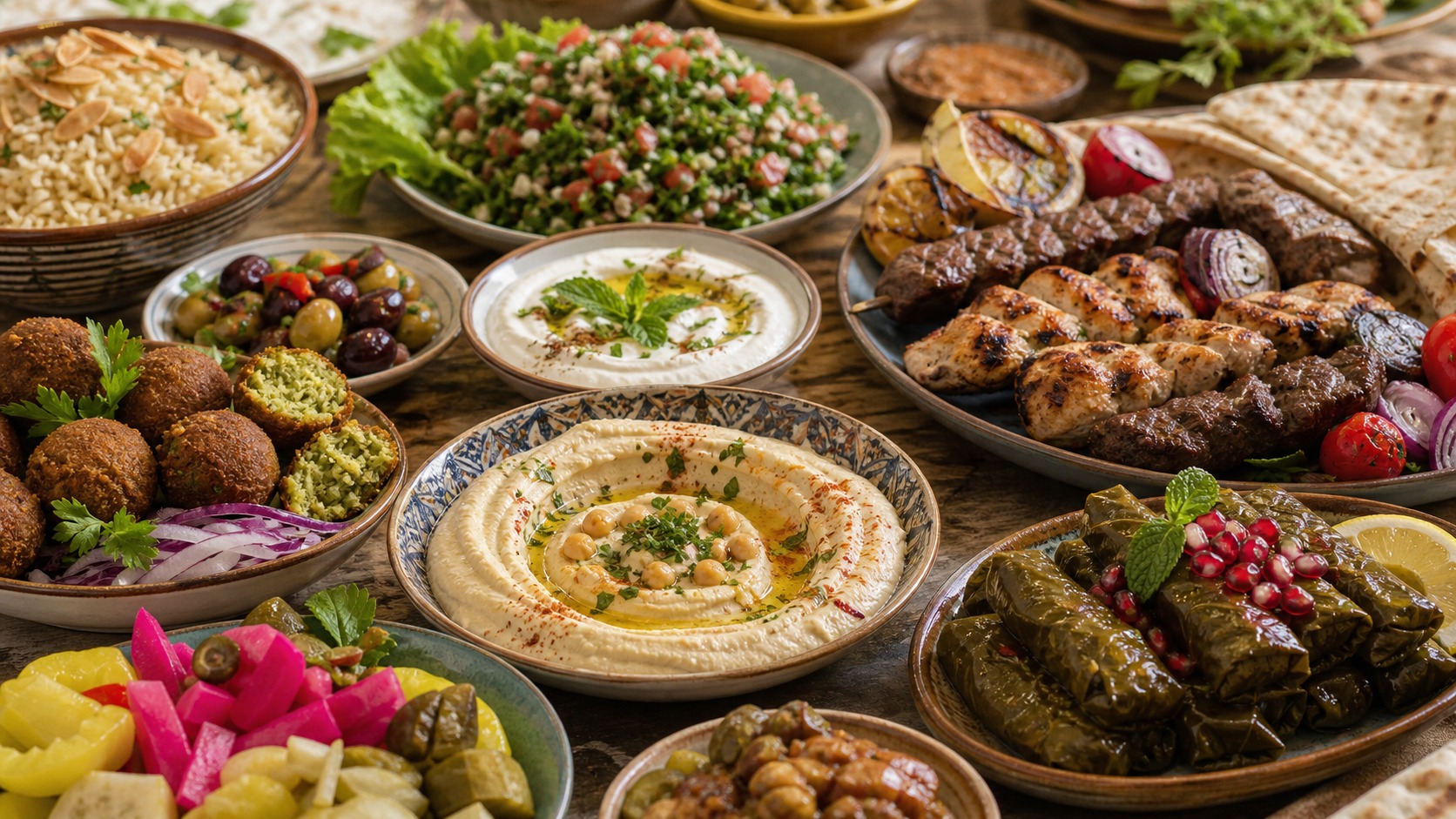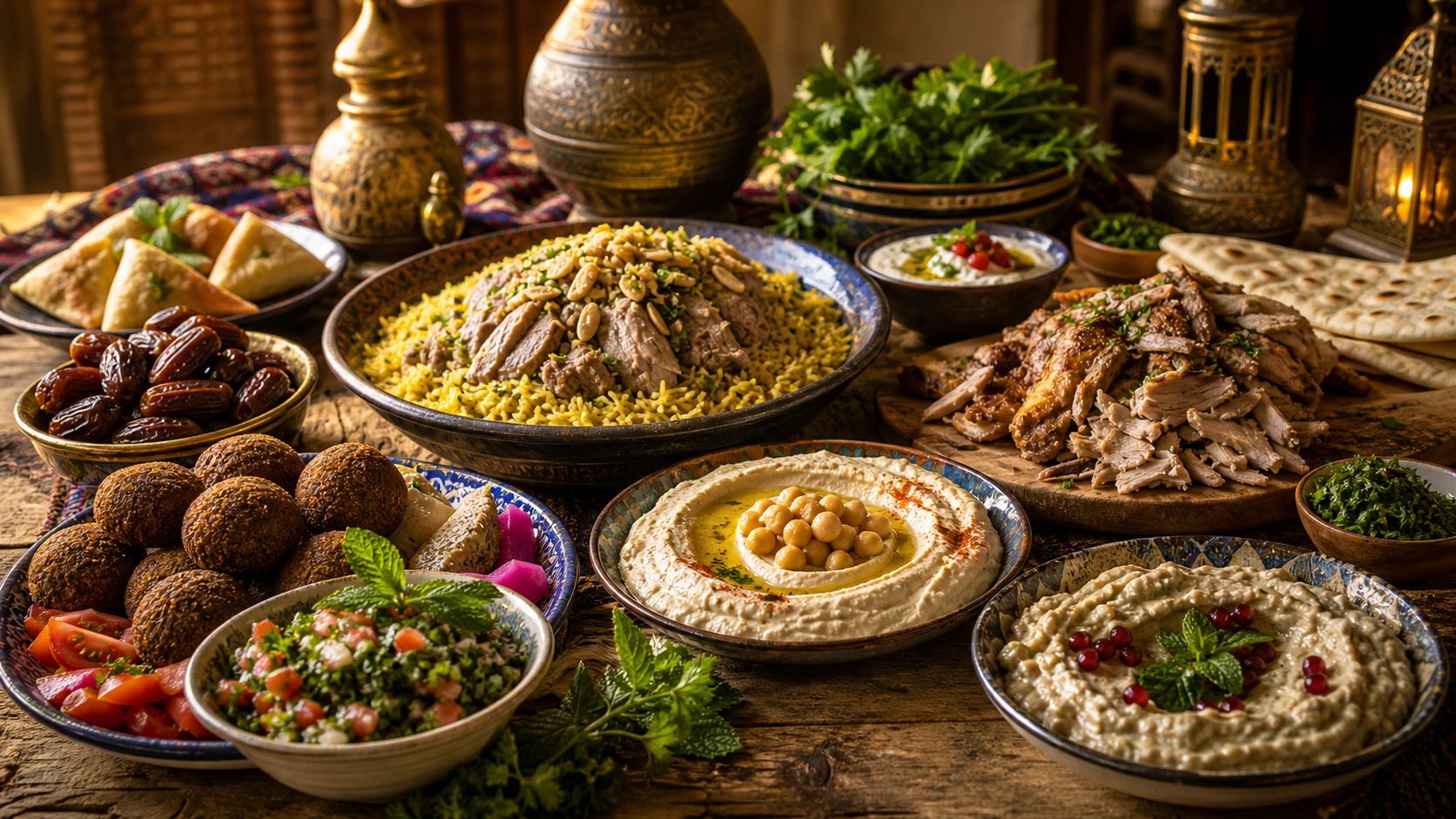
The Most Popular Middle Eastern Dishes and Their Origins
Middle Eastern cuisine is one of the oldest, richest, and most influential culinary traditions in the world. Spanning countries such as Lebanon, Turkey, Iran, Israel, Jordan, Syria, Iraq, Egypt, Saudi Arabia, and many others, the region’s food culture reflects thousands of years of history, trade, migration, and cultural exchange. Long before modern culinary trends emerged, Middle Eastern cooks were creating flavorful dishes that combined aromatic spices, fresh herbs, grains, legumes, meats, and vegetables into meals that continue to captivate food lovers across the globe. What makes Middle Eastern cuisine particularly fascinating is its deep connection to history. Many of the dishes enjoyed today have origins that stretch back centuries, and some can trace their roots to ancient civilizations such as Mesopotamia, Persia, Egypt, and the Levant. Trade routes that connected Asia, Europe, and Africa introduced new ingredients and culinary techniques, helping shape a cuisine that is both diverse and deeply interconnected. Today, Middle Eastern dishes are celebrated worldwide for their vibrant flavors, healthy ingredients, and remarkable versatility. From creamy hummus and smoky baba ganoush to savory shawarma and fragrant biryani, these foods have become beloved far beyond their countries of origin. This guide explores some of the most popular Middle Eastern dishes and the fascinating stories behind their origins, offering a deeper appreciation for one of the world’s greatest culinary traditions.
A: Hummus, falafel, shawarma, tabbouleh, kibbeh, baba ghanoush, kebabs, mansaf, kabsa, dolma, and baklava are major favorites.
A: Chickpeas, tahini, olive oil, yogurt, rice, bulgur, flatbread, lamb, chicken, eggplant, herbs, spices, dates, and nuts are common staples.
A: Chickpeas are affordable, filling, versatile, and central to hummus, falafel, stews, salads, and vegetarian meals.
A: Hummus, tabbouleh, fattoush, lentil soup, shawarma-style chicken, rice pilaf, and roasted eggplant dips are approachable.
A: Falafel, hummus, baba ghanoush, mujadara, tabbouleh, fattoush, labneh, stuffed vegetables, and lentil soup are excellent.
A: Mezze platters, hummus, falafel, kebabs, shawarma wraps, stuffed grape leaves, tabbouleh, pita, and baklava work well.
A: Use fresh herbs, good olive oil, real tahini, lemon, garlic, toasted spices, yogurt sauces, and traditional spice blends.
A: Baklava, knafeh, basbousa, ma’amoul, halva, qatayef, rice pudding, date cookies, and syrup-soaked pastries are classics.
A: Hummus is chickpea-based, baba ghanoush is roasted eggplant-based, and muhammara is a red pepper and walnut dip.
A: Start with mezze, learn key staples like chickpeas and flatbread, then try regional rice dishes, grilled meats, stews, and desserts.
The Historical Foundations of Middle Eastern Cuisine
To understand Middle Eastern food, it helps to understand the region’s extraordinary history. The Middle East is often called the cradle of civilization because some of the world’s earliest agricultural societies emerged there. Ancient peoples cultivated wheat, barley, lentils, chickpeas, dates, and numerous herbs thousands of years ago.
As civilizations grew, trade flourished. Merchants carried spices, fruits, grains, and cooking techniques across vast distances. The famous Silk Road and other trade routes helped transform the Middle East into a culinary crossroads where ingredients from Asia, Africa, and Europe converged.
Religious traditions also played a significant role in shaping regional cuisine. Dietary customs associated with Islam, Christianity, Judaism, and other faiths influenced cooking practices and food choices throughout the region.
The result is a culinary heritage that reflects thousands of years of cultural interaction and innovation.
Hummus: The Global Ambassador of Middle Eastern Cuisine
Few Middle Eastern dishes have achieved the international popularity of hummus. This creamy spread, made primarily from chickpeas, tahini, olive oil, lemon juice, and garlic, has become a staple in homes and restaurants around the world.
The exact origin of hummus remains a subject of friendly debate among several Middle Eastern countries. Historical records suggest that chickpea-based dishes were consumed throughout the region centuries ago, particularly in areas that now include Lebanon, Syria, Palestine, Jordan, and Egypt.
What makes hummus so enduring is its simplicity. A handful of wholesome ingredients combine to create a remarkably flavorful and versatile dish. It can be served as an appetizer, dip, side dish, or even a main component of a meal.
Its widespread popularity demonstrates how traditional Middle Eastern foods continue to resonate with modern tastes.
Falafel: Ancient Street Food with Timeless Appeal
Falafel has become one of the most recognizable vegetarian dishes in the world. These crispy fried balls or patties made from chickpeas or fava beans are packed with herbs, spices, and flavor.
The origins of falafel are often linked to Egypt, where versions made from fava beans were likely consumed by Coptic Christians as a meat-free food during religious fasting periods. Over time, the dish spread throughout the Middle East, evolving into numerous regional variations.
Today, falafel is commonly served in pita bread with vegetables, pickles, and tahini sauce. Its affordability, portability, and satisfying flavor have helped it remain one of the region’s most beloved street foods.
Whether enjoyed in Cairo, Beirut, Jerusalem, or beyond, falafel continues to symbolize the accessibility and creativity of Middle Eastern cuisine.
Shawarma: A Street Food Sensation
Shawarma is one of the Middle East’s most famous meat dishes and a favorite among street food enthusiasts worldwide. Thin slices of marinated meat are stacked on a vertical rotisserie and slowly roasted until tender and flavorful.
The dish is believed to have originated during the Ottoman Empire, where rotating spits allowed cooks to prepare large quantities of meat efficiently. The technique eventually spread throughout the region, inspiring various adaptations.
Traditionally, shawarma may be made from lamb, beef, chicken, or turkey and is often served in flatbread with vegetables, garlic sauce, tahini, or pickles.
Its combination of convenience, flavor, and versatility has made shawarma a global culinary icon.
Kebabs: Grilled Perfection Across the Region
Kebabs represent one of the oldest and most widespread culinary traditions in the Middle East. While countless regional variations exist, the basic concept remains the same: seasoned meat cooked over an open flame.
The origins of kebabs likely date back to ancient times when nomadic peoples grilled meat over campfires. Over centuries, different cultures developed their own versions, incorporating local spices, herbs, and cooking techniques.
Turkish shish kebabs, Persian koobideh, and various Levantine preparations each showcase unique approaches to grilling. Despite their differences, all share an emphasis on quality ingredients and expert preparation.
Kebabs remain a cornerstone of Middle Eastern dining and an essential culinary experience for visitors to the region.
Baba Ganoush: The Art of Eggplant
Baba Ganoush is a beloved Middle Eastern dip made from roasted eggplant, tahini, olive oil, lemon juice, and garlic. Its smoky flavor and creamy texture make it a popular companion to fresh bread and mezze platters.
The dish likely originated in the Levant, a region encompassing modern-day Lebanon, Syria, Jordan, and Palestine. Eggplants have been cultivated in the Middle East for centuries, making them a natural ingredient in traditional cooking.
Baba Ganoush demonstrates how Middle Eastern cuisine often transforms simple ingredients into complex and satisfying dishes.
Its popularity continues to grow among those seeking flavorful plant-based foods.
Tabbouleh: A Celebration of Freshness
Tabbouleh is one of the Middle East’s most refreshing and recognizable salads. Traditionally made with parsley, mint, tomatoes, bulgur wheat, olive oil, and lemon juice, it highlights the region’s emphasis on fresh herbs and vibrant flavors.
Originating in the mountains of Lebanon and Syria, tabbouleh reflects agricultural traditions centered around herbs, grains, and seasonal produce.
Unlike many Western salads, parsley serves as the primary ingredient rather than a garnish. This approach creates a bright, herbaceous dish that perfectly complements richer foods.
Tabbouleh remains a staple of Middle Eastern dining and a symbol of the region’s commitment to fresh ingredients.
Dolma: Stuffed Vegetables with Ancient Origins
Dolma refers to vegetables stuffed with rice, meat, herbs, and spices. Grape leaves, peppers, zucchini, eggplants, and onions are among the most common vessels for these flavorful fillings.
The word “dolma” comes from Turkish and means “stuffed,” reflecting the dish’s widespread popularity throughout territories once connected to the Ottoman Empire.
Various forms of stuffed vegetables have existed for centuries across the Middle East. Families often prepare dolma for celebrations, holidays, and special occasions, making it both a culinary and cultural tradition.
Its versatility and rich flavor have ensured its continued popularity across multiple countries.
Kibbeh: A Culinary Masterpiece
Kibbeh is often considered one of the national dishes of Lebanon and is highly respected throughout the Levant. Typically made from bulgur wheat, finely ground meat, onions, and spices, kibbeh can be baked, fried, grilled, or served raw.
Its origins are deeply rooted in Levantine cooking traditions, where grains and meat were combined to create nutritious and satisfying meals.
The preparation of kibbeh requires skill and attention to detail, making it a source of pride for many families. Different regions have developed unique variations, each showcasing local preferences and techniques.
For many food enthusiasts, tasting authentic kibbeh is an essential Middle Eastern culinary experience.
Mansaf: Jordan’s National Dish
Mansaf is widely regarded as Jordan’s national dish and plays a central role in celebrations, weddings, and important gatherings.
The dish consists of lamb cooked in a fermented yogurt sauce known as jameed, served over rice and topped with nuts. Traditionally eaten communally from a large platter, mansaf reflects values of hospitality and generosity.
Its origins are connected to Bedouin culture, where communal meals helped strengthen social bonds and demonstrate respect for guests.
Today, mansaf remains one of Jordan’s most cherished culinary traditions.
Biryani: A Fragrant Rice Dish with Regional Influence
Although often associated with South Asia, biryani has strong historical connections to Persian and Middle Eastern culinary traditions. The dish combines aromatic rice, spices, meat, and sometimes vegetables into a richly flavored meal.
Persian influences helped shape many rice-based dishes across the Middle East, and variations of biryani can be found throughout the region.
The careful layering of ingredients and complex spice blends reflect centuries of culinary refinement and cultural exchange.
Its enduring popularity demonstrates the far-reaching influence of Middle Eastern cooking traditions.
Baklava: The Sweet Taste of Tradition
No exploration of Middle Eastern cuisine would be complete without mentioning baklava. This iconic dessert features layers of delicate pastry filled with nuts and sweetened with syrup or honey.
The origins of baklava are often debated, with various cultures claiming a connection to its development. What is clear is that the dessert became highly refined during the Ottoman Empire and spread throughout the Middle East, the Balkans, and beyond.
The combination of crisp pastry, rich nuts, and sweet syrup creates a dessert that remains beloved centuries after its creation.
Baklava continues to symbolize celebration, hospitality, and indulgence across the region.
The Importance of Mezze Culture
One of the most distinctive aspects of Middle Eastern dining is the tradition of mezze. Similar to tapas or small plates, mezze consists of numerous dishes shared among diners.
Hummus, baba ganoush, tabbouleh, olives, cheeses, pickles, and various other specialties are served together, encouraging conversation and communal enjoyment.
Mezze reflects the region’s emphasis on hospitality and social connection. Meals are often viewed as opportunities to strengthen relationships and celebrate community.
This dining style remains an essential part of Middle Eastern food culture.
How Geography Shaped Middle Eastern Cuisine
The Middle East’s diverse geography has played a major role in shaping its culinary traditions. Fertile river valleys supported agriculture, while deserts encouraged resourcefulness and preservation techniques.
Coastal regions emphasized seafood, while inland communities relied on grains, legumes, and livestock. Trade routes introduced spices, fruits, and ingredients from distant lands, enriching local cuisines.
The resulting diversity helps explain why Middle Eastern food encompasses such a wide range of flavors and dishes.
Each region contributes unique specialties while remaining connected to broader culinary traditions.
Why Middle Eastern Food Continues to Gain Global Popularity
Middle Eastern cuisine has experienced remarkable international growth in recent decades. Restaurants specializing in hummus, shawarma, falafel, and kebabs can now be found in cities around the world.
Several factors contribute to this popularity. The cuisine emphasizes fresh ingredients, bold flavors, plant-based options, and communal dining experiences. Many dishes also align with contemporary interest in healthy eating and Mediterranean-inspired diets.
As people continue exploring global food cultures, Middle Eastern cuisine offers a compelling combination of history, flavor, and authenticity.
Final Thoughts
The most popular Middle Eastern dishes and their origins reveal a culinary tradition shaped by thousands of years of history, trade, migration, and cultural exchange. From the creamy simplicity of hummus and the crispy satisfaction of falafel to the smoky richness of baba ganoush and the fragrant complexity of biryani, each dish tells a story that extends far beyond the plate.
These foods have endured because they offer more than nourishment. They reflect hospitality, family traditions, regional pride, and a deep appreciation for quality ingredients. Their ability to bring people together around shared meals remains one of the defining characteristics of Middle Eastern culture.
Whether you are discovering Middle Eastern cuisine for the first time or deepening your appreciation for familiar favorites, exploring these iconic dishes provides a delicious journey through one of the world’s most influential and enduring culinary traditions. Every bite carries a piece of history, making Middle Eastern food not only satisfying but also profoundly meaningful.