Cooking With the Calendar Instead of Against It
Seasonal cooking and dining are less about strict rules and more about paying attention. The best meals often come from noticing what tastes good now, what the weather invites, how people want to gather, and how much energy the season asks from the cook. Spring wants freshness, summer wants ease and abundance, fall wants warmth and texture, and winter wants comfort and brightness. When your cooking follows those shifts, menus feel more natural, shopping becomes easier, and the table starts to feel connected to real life.
A: It means choosing ingredients, methods, and menus that fit the time of year and the way people want to eat.
A: No. Start with what is fresh, abundant, and good quality where you shop.
A: Use abundant produce, pantry staples, eggs, beans, grains, and small flavor accents.
A: Pick one peak ingredient, one staple, one hearty element, and one bright finish.
A: Add citrus, herbs, pickles, bitter greens, or crisp salads.
A: Choose flexible dishes like soups, tarts, grain salads, pasta, and roast chicken.
A: Yes. Platters, fruit bowls, pitchers, and simple serving pieces can be deeply seasonal.
A: Plan second uses, preserve small amounts, and cook perishables early.
A: Rice, pasta, beans, lentils, eggs, broth, vinegar, olive oil, nuts, and spices help fresh ingredients become meals.
A: Ingredients at their peak usually need less help because their flavor, texture, and aroma are stronger.
Why Seasonal Cooking Works
Seasonal cooking works because ingredients are usually better when they are closer to their natural peak. Tomatoes taste like tomatoes, peaches smell ripe, greens feel tender, squash roasts sweet, and citrus brings brightness when little else is growing locally. Better ingredients need less manipulation, which makes meals simpler and more satisfying.
It also helps with appetite. A heavy stew may be perfect in January and exhausting in July. A chilled salad may be refreshing in August and unsatisfying in February. Seasonal cooking listens to the body as much as the market.
Spring: Tender Food and Fresh Energy
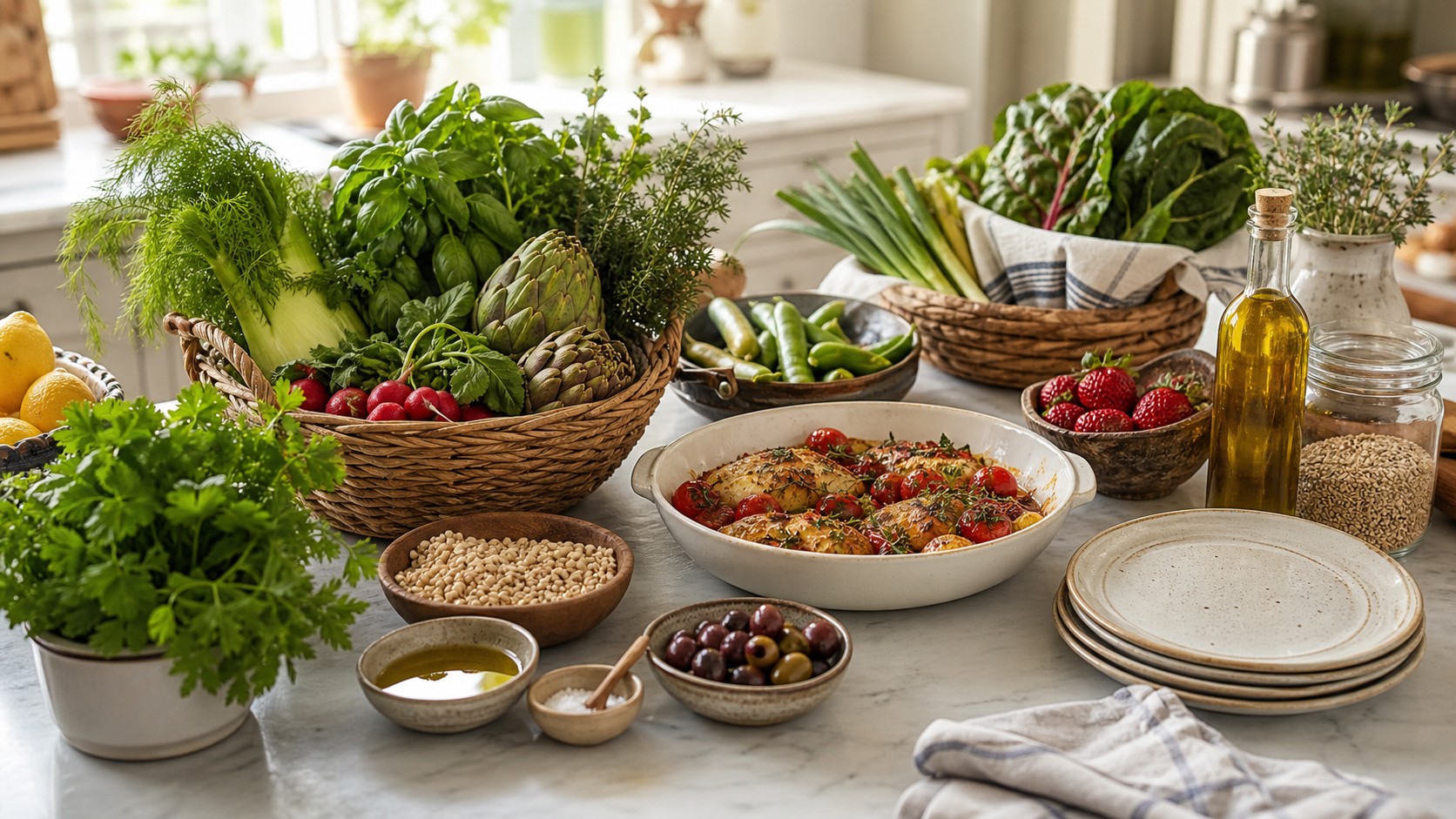
Spring cooking is about waking up the plate. Look for asparagus, peas, radishes, tender lettuces, herbs, eggs, leeks, strawberries, young carrots, and lemony flavors. Meals can be lighter without being skimpy: frittatas, herb pastas, roast chicken with greens, grain salads, fish with spring vegetables, and soups that feel bright rather than heavy. Spring dining often works best with flexible menus because weather can shift quickly. A warm soup with salad, or a room-temperature tart with greens, can handle a cool evening or a sunny afternoon. Keep sauces fresh and acidic, and let herbs do more work.
Summer: Abundance With Less Heat
Summer ingredients are generous: tomatoes, corn, zucchini, peppers, cucumbers, berries, peaches, melons, basil, eggplant, green beans, and stone fruit. The cooking can be minimal because flavor is already loud. Salads, grilled food, sandwiches, tacos, cold noodles, seafood, and platters make sense when the kitchen is warm.
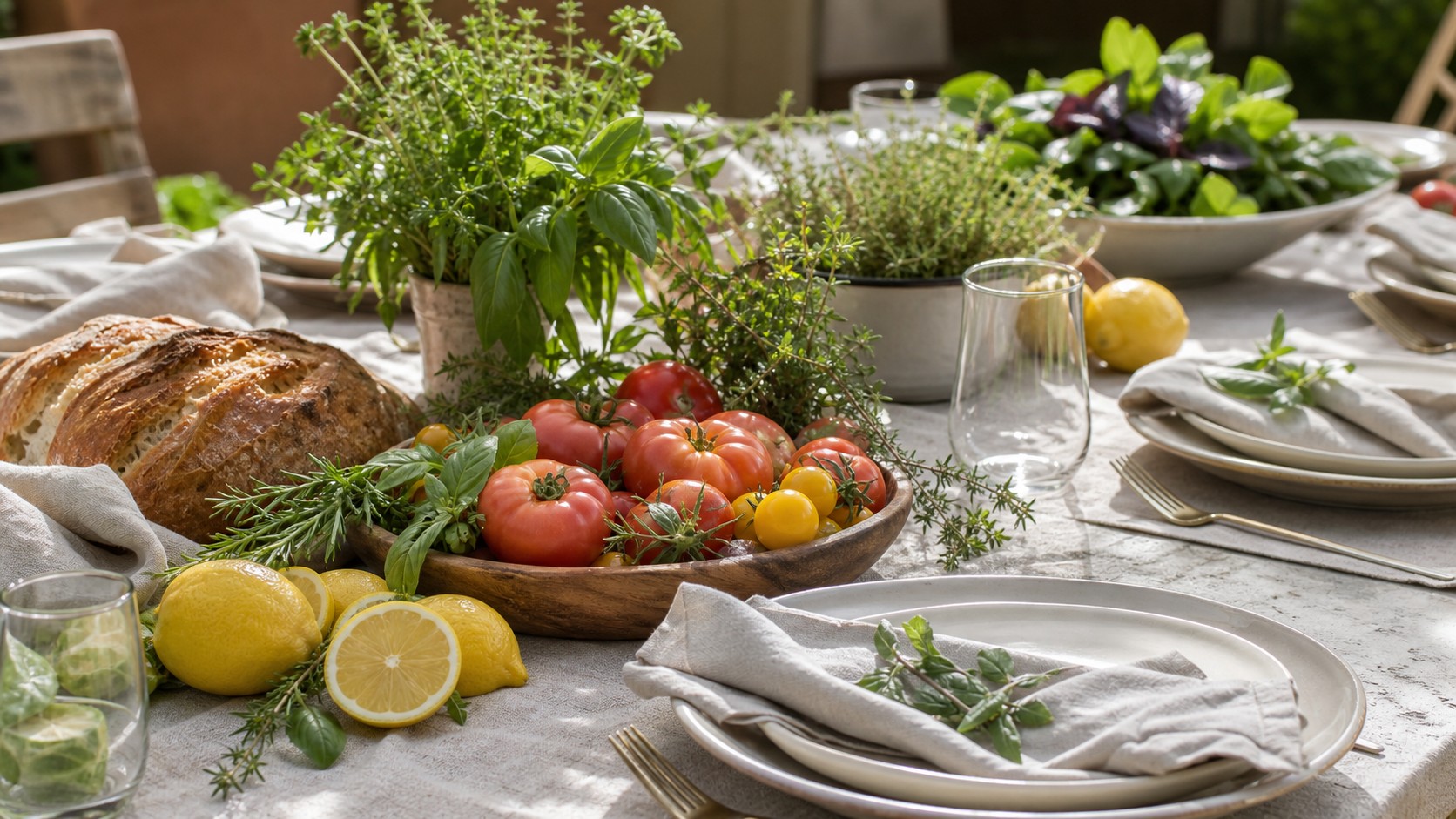
Summer dining is often casual. People want cold drinks, easy serving, and food that can move outside. Build meals around one cooked element and several fresh ones. Grilled chicken with tomato salad, corn, and bread can feel complete without a complicated side plan.
Fall: Roasting, Simmering, and Layering
Fall cooking brings back the oven. Squash, apples, pears, mushrooms, potatoes, sweet potatoes, cabbage, hardy greens, pork, beans, grains, and warm spices create meals with more depth. Roasting concentrates sweetness. Soups and braises begin to feel welcome. Salads become heartier with nuts, cheese, grains, and roasted vegetables. Fall dining is ideal for layered menus. A soup starter, roast main, sharp salad, and fruit dessert can feel abundant without being heavy. Use acidity to keep richness balanced: cider vinegar, mustard, pickles, apples, citrus, or herb sauces.
Winter: Comfort With Brightness
Winter cooking needs comfort, but it also needs contrast. Braises, stews, baked pasta, beans, roasted roots, soups, casseroles, and warm desserts feel right. Citrus, pomegranate, herbs, pickled vegetables, cabbage slaws, and bitter greens keep those meals from becoming dull.
Winter dining is about warmth and glow. Serve food in deep bowls, use candles or warm lighting, and choose menus that can hold if people arrive slowly. A pot of soup, bread, salad, and fruit dessert can be just as seasonal as a holiday feast.
Shop Seasonally Without Being Rigid
Seasonal shopping does not require perfection. Start with what looks best, then build the meal around it. If tomatoes are excellent, make them the point. If greens look tired but cauliflower looks beautiful, change the plan. A flexible list is more useful than a rigid recipe when you want seasonal flavor. Pantry staples help seasonal ingredients become dinner. Pasta, rice, beans, lentils, eggs, flour, broth, canned tomatoes, olive oil, vinegar, nuts, and spices give fresh produce somewhere to go. Seasonal cooking becomes easier when the pantry is steady.
Plan Menus by Weather and Occasion
The same season can hold different moods. A rainy summer night may want soup and grilled cheese with tomato salad. A sunny fall afternoon may want sandwiches, apples, and cider outside. Let weather and occasion adjust the menu. Seasonal cooking is responsive, not automatic.
For guests, choose food that matches the gathering. Brunch wants make-ahead dishes and bright fruit. Backyard dinners want platters and grilled food. Winter gatherings want warm dishes that do not collapse if serving runs late.
Use Preservation as a Seasonal Bridge
Freezing, pickling, drying, and storing help one season reach into another. Freeze berries, pesto, corn, or tomato sauce. Pickle onions, cucumbers, carrots, or jalapenos. Store apples, onions, potatoes, and squash properly. These small habits make later meals taste more vivid. Preservation does not need to be a huge canning project. A freezer bag of ripe fruit or a jar of quick pickles can change a weekday dinner months later.
Seasonal Dining Beyond the Plate
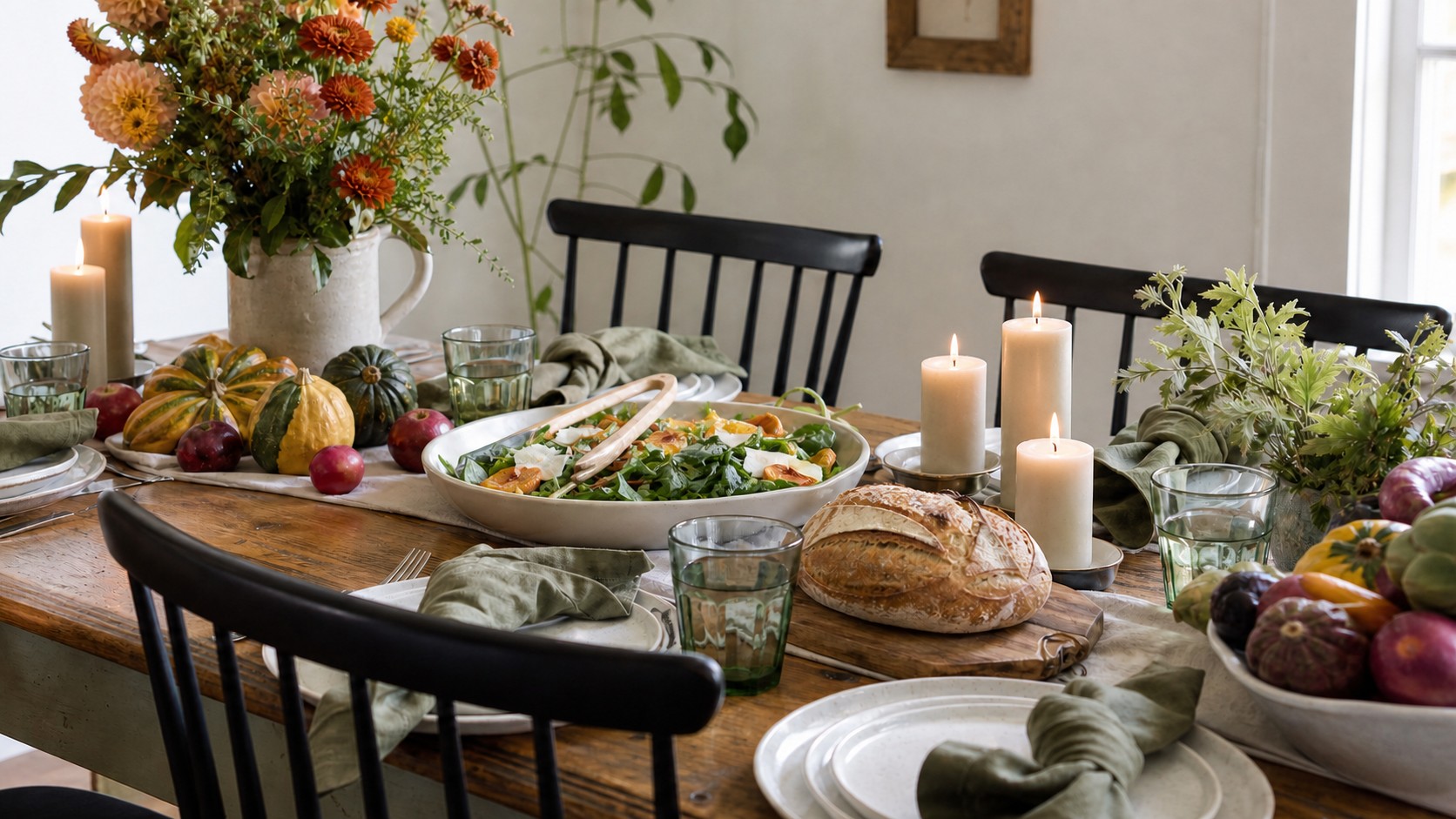
Dining includes the table, lighting, serving style, and pace. Spring meals may feel best with open windows and herbs on the table. Summer meals may need pitchers, platters, and shade. Fall meals can use warm colors and shared bowls. Winter meals benefit from candles, deep bowls, and a bright salad.
These details matter because they help the food feel like it belongs. Seasonal dining is not decoration pasted onto dinner; it is the whole experience supporting the meal.
Cooking Seasonally on a Budget
Seasonal food can be economical when you buy what is abundant and use it well. Summer zucchini, fall squash, winter cabbage, spring greens, beans, grains, eggs, and potatoes can stretch meals without feeling sparse. Let pricier ingredients act as accents: a little cheese, nuts, bacon, seafood, or herbs can flavor a larger dish. Reduce waste by planning second uses. Roast vegetables become grain bowls. Herbs become sauce. Fruit becomes breakfast or dessert. Bread becomes toast, crumbs, or panzanella. Seasonal cooking respects the ingredient by carrying it through the week.
The Year-Round Seasonal Formula
Choose one peak ingredient, one dependable staple, one protein or hearty element, and one bright finish. In spring, that might be asparagus, pasta, eggs, and lemon. In summer, tomatoes, bread, mozzarella, and basil. In fall, squash, farro, chicken, and cider vinaigrette. In winter, beans, greens, sausage, and citrus.
This formula keeps seasonal cooking from feeling complicated. You are not reinventing dinner every month. You are letting the year change the ingredients while the structure stays friendly.
Let the Season Teach the Menu
The more you cook this way, the more intuitive it becomes. You start to know when a salad needs herbs, when a stew needs acid, when fruit can be dessert, and when a simple platter is better than a complicated main. Seasonal cooking is a conversation with appetite, weather, and the market. Follow what tastes alive, keep the table practical, and let each season bring its own kind of pleasure.
Cook Once, Eat Seasonally Twice
Seasonal cooking becomes easier when one cooking session creates more than one meal. Roast extra spring asparagus for eggs the next morning. Grill more summer vegetables for sandwiches. Cook fall squash for soup and grain bowls. Make a winter pot of beans that can become toast, soup, pasta, or tacos. These second uses keep seasonal ingredients from becoming single-purpose purchases.
The trick is to store components separately when possible. Keep dressings, herbs, sauces, and crisp toppings apart until serving. That way leftovers feel fresh instead of tired. Seasonal cooking rewards a little continuity.
Balance Local Flavor With Real-Life Availability
It is lovely to shop farmers markets and roadside stands, but seasonal cooking should still work for people who rely on supermarkets. Use the best available version of the season. In winter, that may mean citrus, cabbage, roots, and frozen berries. In summer, it may mean grocery-store tomatoes when garden tomatoes are not possible. Good cooking is attentive, not precious. Frozen and canned ingredients can support seasonal meals too. Frozen peas make spring soups easier. Canned tomatoes carry summer flavor into colder months. Frozen corn, berries, and spinach can stretch produce when fresh options are expensive or inconsistent. The goal is better meals, not purity.
Choose Cooking Methods by Texture
Seasonal ingredients often tell you how they want to be cooked. Tender spring vegetables need quick heat or none at all. Summer produce often wants grilling, slicing, or raw preparation. Fall roots and squash like roasting because browning deepens sweetness. Winter greens, beans, and tougher vegetables often benefit from simmering, braising, or slow cooking.
When a seasonal dish disappoints, the method may be the issue. Watery zucchini needs high heat. Bitter greens may need fat and acid. Hard pears may need poaching or roasting. Mature carrots may need time. Texture is a guide to technique.
Let Sauces Carry the Seasons
Sauces are an easy way to make the same staples feel seasonal. Spring likes herb yogurt, lemon vinaigrette, and green sauces. Summer loves tomato salsa, basil pesto, peach relish, and cucumber yogurt. Fall welcomes mustard vinaigrette, apple chutney, mushroom gravy, and brown butter. Winter benefits from citrus dressing, horseradish cream, warm spices, and rich pan sauces. A sauce can connect leftovers, revive pantry meals, and give a simple plate a seasonal identity. Keep one seasonal sauce in the refrigerator and dinner decisions become easier.
Invite People Into the Season
Seasonal dining is more memorable when guests can see and taste what makes the meal timely. Put the tomato salad in the center. Serve cider with fall food. Bring citrus to the winter table. Offer herbs for people to tear over spring dishes. These small gestures make the season tangible.
Food becomes more interesting when people understand why it is on the table now. You do not need a speech. The ingredients can explain themselves when they are fresh, visible, and served with care.
Build Seasonal Confidence Slowly
You do not have to overhaul the way you cook in order to cook more seasonally. Start by changing one ingredient each week. Buy the fruit that smells best, the vegetable with the brightest color, or the herb that makes a simple dish feel alive. Cook it in a familiar format so the meal still feels comfortable. As confidence grows, patterns appear. You may notice that spring dinners need more herbs, summer meals need less oven time, fall food needs acid, and winter cooking needs brightness. Those lessons become more useful than any single recipe because they help you adjust every meal.
Use Seasonal Cooking to Simplify Choices
One hidden benefit of seasonal cooking is fewer decisions. Instead of asking what could possibly be for dinner, you ask what makes sense now. The season narrows the field in a helpful way. That focus can make shopping faster, menus clearer, and meals more satisfying.
It also makes repeat meals feel new. Pasta, soup, roast chicken, salad, tacos, and grain bowls can stay in rotation while the seasonal ingredients change around them. That is how seasonal cooking becomes a habit instead of a special project, and how ordinary dinners keep a sense of timing and place at home throughout the year ahead.