Nuts and Seeds Make Healthy Eating More Satisfying
Nuts and seeds are small ingredients with an outsized role in healthy cooking because they bring crunch, richness, plant-based nutrients, and staying power to everyday meals. Almonds, walnuts, pistachios, cashews, pecans, peanuts, pumpkin seeds, sunflower seeds, chia seeds, flaxseed, sesame seeds, and hemp seeds can support breakfasts, salads, snacks, grain bowls, baked goods, sauces, and vegetable dishes. The healthiest approach is not to treat them as magic foods, but to use them thoughtfully for flavor, texture, and nutrition.
A: They can be, when portions fit the rest of the diet and allergies are not an issue.
A: Hemp, chia, pumpkin, and sunflower seeds are all easy depending on the dish.
A: Ground flax is often more useful because it is easier for the body to access.
A: Yes, especially when they are not heavily sweetened or overly salted.
A: They may smell bitter, stale, oily, sharp, or paint-like.
A: Often yes, especially for crunch, toppings, and some sauces.
A: Walnuts, almonds, pecans, and pistachios all work with the right ingredients.
A: They can be useful when portions and ingredient lists are sensible.
A: Keep them sealed, cool, and fresh; ground flax often benefits from cold storage.
A: Yes, their fat, fiber, protein, and texture can make meals more satisfying.
Understand What Nuts and Seeds Contribute
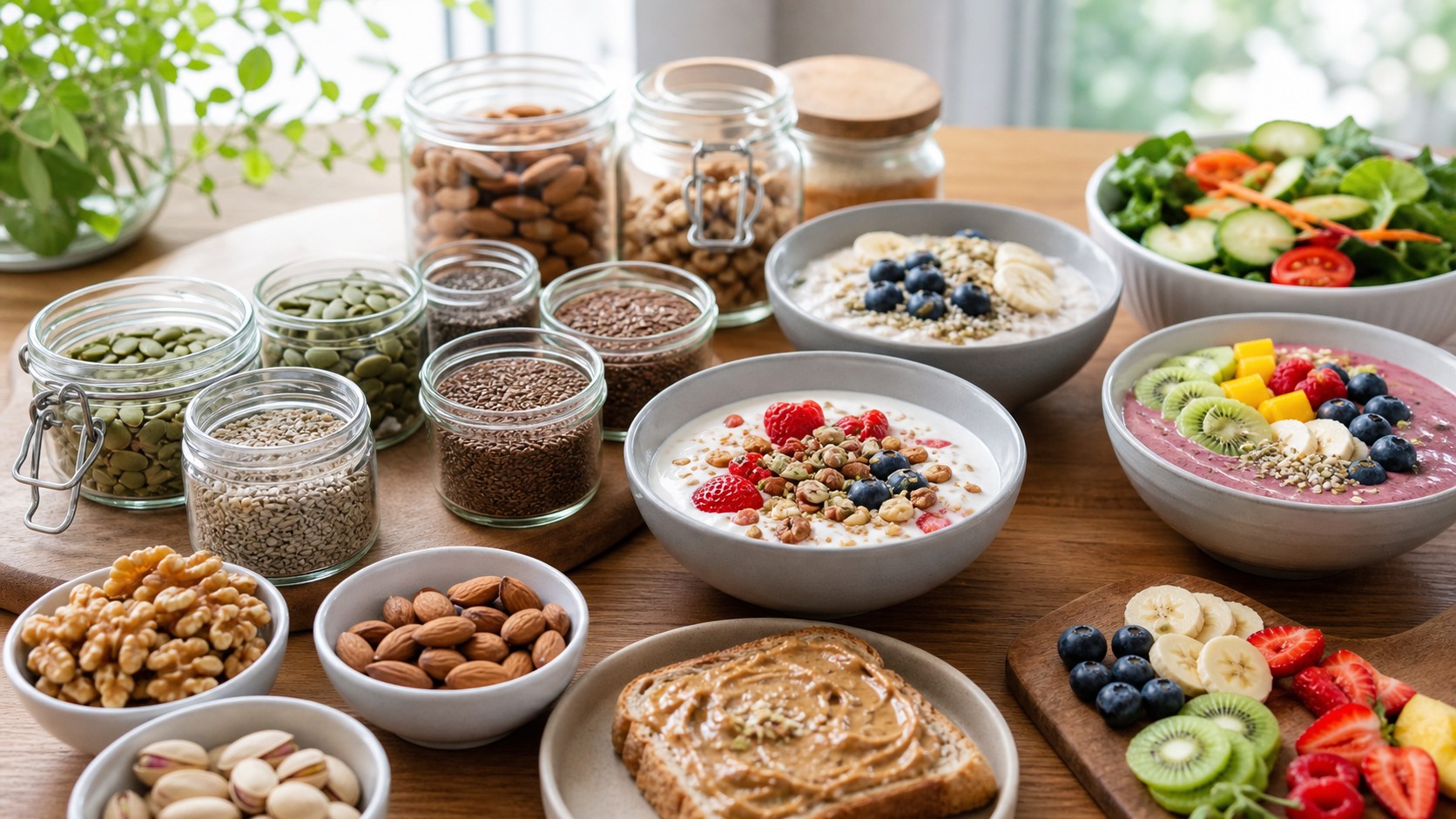
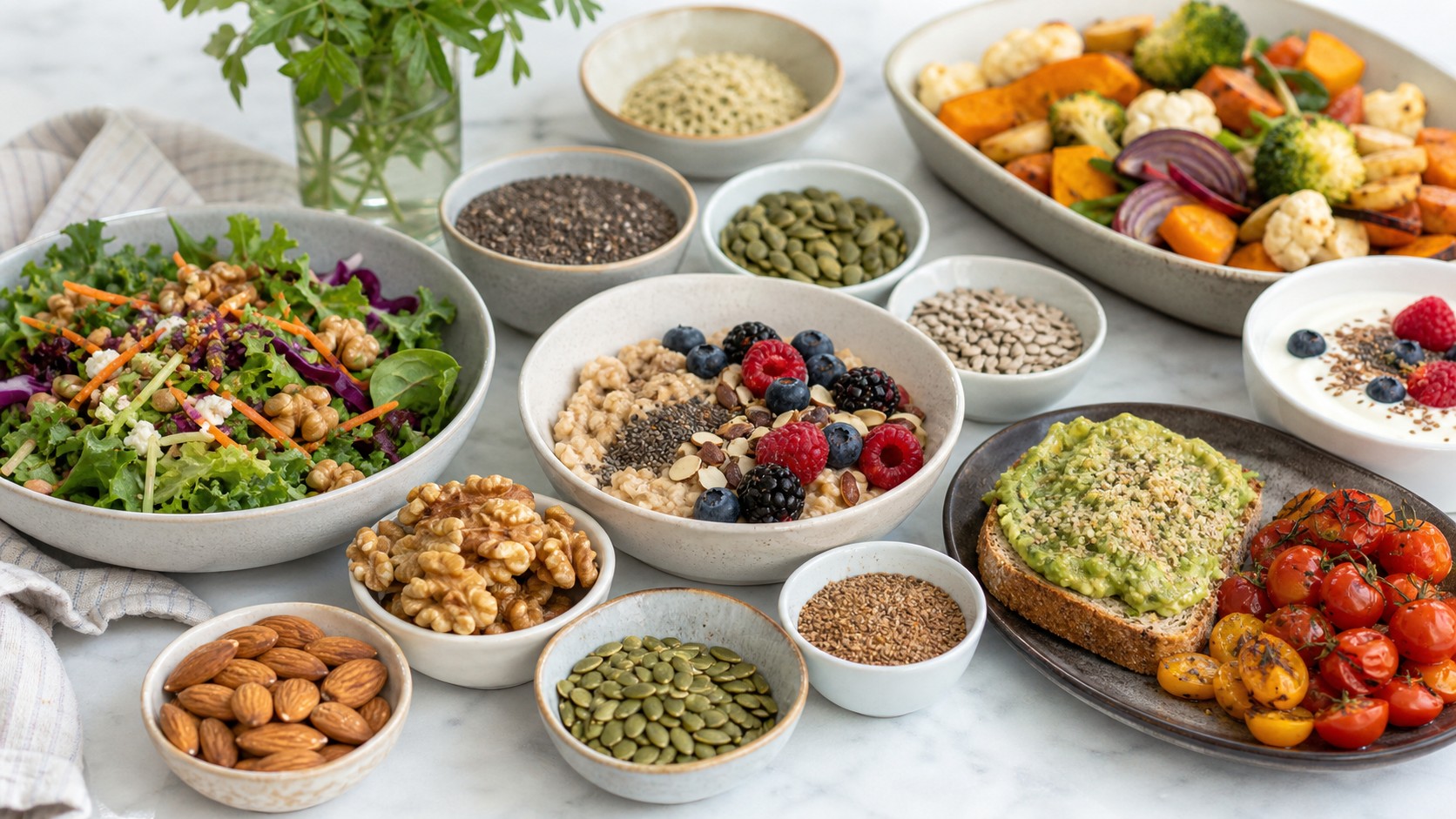
Nuts and seeds contain a mix of unsaturated fats, protein, fiber, minerals, and plant compounds that can make meals more satisfying. They help food feel complete because fat carries flavor, fiber slows the meal down, and crunch makes soft foods more interesting. A bowl of oatmeal with walnuts feels different from plain oatmeal. A salad with pumpkin seeds has more texture than greens alone. Yogurt with chia or almonds becomes more substantial. These ingredients help healthy meals feel less spare.
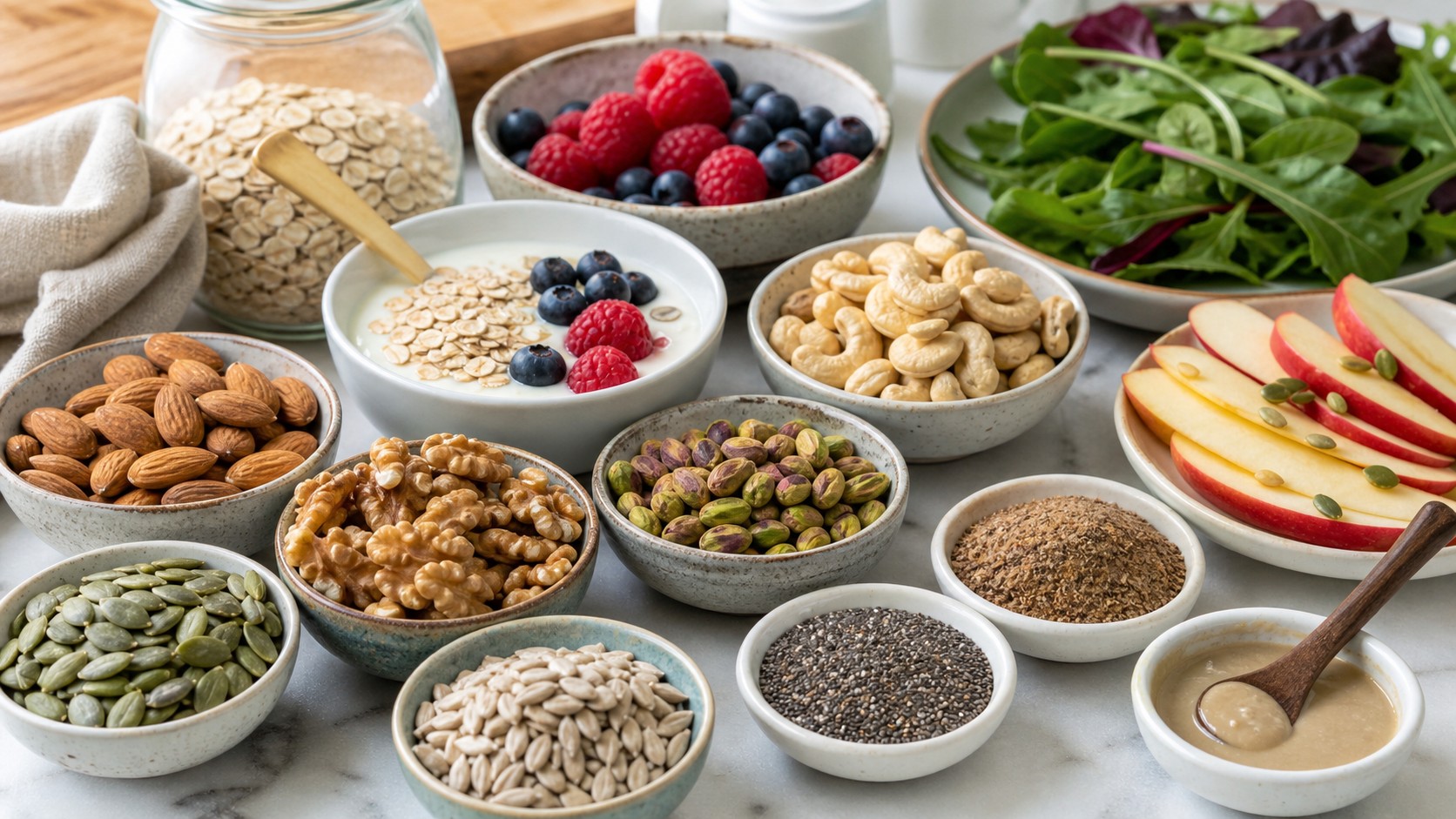
Different nuts and seeds have different strengths. Walnuts are often valued for their omega-3 fats. Almonds bring crunch, vitamin E, and versatility. Pistachios offer color and a snackable feel. Pumpkin seeds bring minerals and savory crunch. Sunflower seeds are practical and affordable. Chia and flax can thicken foods and add fiber, especially when ground or hydrated properly. Hemp seeds are soft, nutty, and easy to sprinkle. Variety matters because no single nut or seed does everything.
Better health comes from patterns, not from one topping. Nuts and seeds are most useful when they help you eat more whole foods, enjoy vegetables, build better breakfasts, choose satisfying snacks, and add texture without relying only on refined crunch. They are nutrient-dense, which means portions still matter. A small handful can improve a meal; a mindless bowl can quietly add more energy than expected.
It also helps to separate nutrition from expectation. Nuts and seeds will not make an unbalanced diet perfect, but they can make a balanced meal easier to enjoy. They are especially useful when they replace a less helpful topping or make a whole-food meal feel complete. A salad that becomes satisfying with pumpkin seeds is more likely to be eaten again. A breakfast that keeps you full because of walnuts or chia is more useful than one that leaves you searching for snacks an hour later. The benefit is practical before it is dramatic.
They also help bridge the gap between cooking for health and cooking for pleasure. Many healthy meals fail because they are too soft, too lean, or too plain. A small amount of toasted nuts or seeds can add the sensory contrast that makes vegetables, whole grains, and yogurt feel worth repeating. That is a real benefit because consistency depends on enjoyment.
Use Portions That Fit the Meal
Portion size depends on the role of the nut or seed. As a snack, a small handful of nuts can be satisfying because it brings fat, protein, and chew. As a topping, one or two tablespoons of seeds may be enough to add crunch to oatmeal, yogurt, salad, or soup. In baked goods, nut butters and ground nuts can change the richness and structure of the recipe. The goal is not tiny portions; it is intentional portions that match the meal.
Portions are easier to judge when the serving has a clear purpose. A snack portion should satisfy hunger. A topping portion should add texture. A sauce portion should carry flavor through the dish without making it heavy.
Pre-portioning can help if nuts are easy to overeat straight from the bag. Put a small amount in a bowl, add them to a recipe, or combine them with fruit or yogurt so they become part of the meal instead of endless snacking. Salted nuts can be useful, but they are easier to keep eating without noticing. Unsalted or lightly salted options give you more control, especially if the rest of the meal already includes salty ingredients.
Think about what the meal lacks before adding nuts or seeds. If breakfast is low in protein and texture, hemp seeds or almonds may help. If a salad is light and watery, walnuts or sunflower seeds can make it more satisfying. If a grain bowl tastes flat, toasted sesame seeds, pumpkin seeds, or a nut-based sauce can add depth. The best portion is the one that solves a specific meal problem.
Choose Raw, Roasted, Salted, or Ground Carefully
Raw nuts and seeds are useful when you want mild flavor or plan to toast them yourself. Toasting wakes up aroma and crunch, but it should be gentle because nuts and seeds can burn quickly. A few minutes in a dry skillet or oven can make almonds, walnuts, sesame seeds, pumpkin seeds, and sunflower seeds taste much more vivid. Let them cool before storing so trapped steam does not soften them.
Roasted nuts are convenient and flavorful, but check whether they are heavily salted, sweetened, or coated. Honey-roasted nuts, candied pecans, chocolate-covered almonds, and seasoned snack mixes can be delicious, but they are not the same as plain nuts in everyday cooking. Salted nuts may work beautifully in salads or trail mix, yet they can make sauces and baked goods harder to season accurately.
Ground forms have their own rules. Ground flax is more useful nutritionally than whole flax for many people because whole seeds can pass through without breaking down. Chia seeds thicken liquid and need time to hydrate. Nut flours and meals can add richness to baking but behave differently from wheat flour. Nut butters can be healthy ingredients, but their usefulness depends on the ingredient list, portion, and how they are used.
Texture should guide the form you choose. Whole almonds may be excellent for snacking but awkward in a delicate salad unless sliced. Chopped walnuts distribute better through oatmeal than large pieces. Tahini may help someone enjoy vegetables more than whole sesame seeds would. Ground flax can disappear into batter, while chia changes the texture on purpose. The same ingredient can feel completely different depending on whether it is whole, chopped, ground, blended, soaked, or toasted.
Use the form that lowers friction. If chopping nuts keeps you from using them, buy sliced almonds or chopped walnuts. If whole seeds fall to the bottom of a bowl, use ground or blended forms. If nut butter is easier than whole nuts during a busy week, use it where it makes sense. Healthy ingredients matter more when they are easy enough to reach for.
Store Them Like Fresh Ingredients
Nuts and seeds contain oils, and those oils can turn stale. Warmth, light, oxygen, and time all work against flavor. Store frequently used nuts in sealed containers in a cool, dark cabinet if you finish them quickly. Keep larger bags, delicate seeds, nut flours, and slow-moving specialty nuts in the refrigerator or freezer. Good storage protects both taste and value.
Smell before using. Fresh nuts should smell clean, sweet, roasted, or gently nutty depending on the type. Rancid nuts can smell bitter, oily, paint-like, stale, or sharp. Seeds can also go stale, especially ground flax, chia, hemp, and sesame. If they smell off, do not try to hide the flavor in granola or muffins. Because nuts and seeds are often used for their aroma, stale versions can spoil the whole dish.
Buy the amount that matches your pace. Bulk bins can be useful when turnover is high, but they are not always the freshest choice if the store moves slowly. Big bags save money only if you store them well and use them before quality fades. A smaller fresh bag used often is better than a forgotten bargain becoming bitter in the pantry.
Add Them to Meals With Purpose
Breakfast is one of the easiest places to use nuts and seeds. Add walnuts or almonds to oatmeal, chia to yogurt, hemp seeds to smoothies, flax to pancakes, or pumpkin seeds to breakfast bowls. These additions can make breakfast more filling and give soft foods better texture. The key is to pair them with foods you already enjoy, not force them into meals where they feel like health homework.
Lunch and dinner offer even more range. Toasted almonds can finish green beans. Sesame seeds can lift noodles or roasted broccoli. Pumpkin seeds can add crunch to soup, tacos, or grain bowls. Walnuts can deepen salads with apples, beets, or blue cheese. Cashews can blend into creamy sauces. Sunflower seeds can make simple salads more affordable and satisfying. Nuts and seeds work best when they add both flavor and a useful texture contrast.
They can also replace less useful crunch. Instead of croutons, try toasted seeds. Instead of a sugary snack, pair nuts with fruit. Instead of a heavy cream sauce, use a cashew or tahini-based sauce where the flavor fits. This does not mean every meal needs nuts or seeds. It means they are flexible tools when a meal needs richness, crunch, or staying power.
Savory cooking is where many people underuse them. Almonds can finish green beans, pistachios can brighten rice, sesame can make roasted broccoli more aromatic, and pumpkin seeds can make soup feel more complete. Walnuts can be chopped into grain salads, peanuts can anchor a noodle sauce, and sunflower seeds can stretch a simple lunch salad without much cost. Using nuts and seeds beyond snack time keeps the habit from becoming repetitive.
Sweet meals benefit from restraint too. A little pecan with baked fruit, chia in yogurt, or almond butter on toast can add enough richness without turning breakfast into dessert. When nuts and seeds are used for balance instead of decoration, they make ordinary meals feel fuller and more grounded.
Balance Benefits With Real-Life Needs
Nuts and seeds are healthy for many people, but they are not automatically right for every situation. Allergies matter. Digestive tolerance matters. Budget matters. Some people need to watch sodium, added sugar, or portion size. Others may need softer textures, ground forms, or seed-based options instead of whole nuts. A practical guide should leave room for real kitchens and real bodies.
If you are adding nuts and seeds for health, make the habit easy. Keep one daily nut, one useful seed, and one cooking-friendly option available. That might mean walnuts, chia, and sesame seeds. It might mean almonds, pumpkin seeds, and peanut butter. It might mean sunflower seeds and tahini if tree nuts are not an option. The best choices are the ones you can use consistently in meals that already make sense.
Better health is not built from isolated superfoods. It comes from meals that are satisfying enough to repeat. Nuts and seeds help because they make whole foods taste richer, crunchier, and more complete. Used with intention, they can support healthier eating without making food feel restrained.
Start with the meal that needs the most help. If breakfast is already strong, use nuts and seeds at lunch. If snacks are the weak spot, build a small fruit-and-nut routine. If vegetables feel plain, focus on toasted seeds and nut-based sauces. Better health habits are easier when the ingredient solves a real friction point.