The Best Daily Nuts and Seeds Are the Ones You Actually Use
The best nuts and seeds to add to your daily diet are not necessarily the rarest or most expensive. They are the ones that fit your meals, taste good, stay fresh, and make healthy eating easier to repeat. Walnuts, almonds, pistachios, peanuts, pumpkin seeds, sunflower seeds, chia, flax, hemp, and sesame can all earn a place. The goal is a practical rotation that adds crunch, richness, fiber, plant-based nutrients, and satisfaction without turning every meal into a project.
A: Choose one you enjoy and use easily, such as walnuts, almonds, pistachios, or peanuts.
A: Hemp, pumpkin, sunflower, chia, and ground flax are all practical choices.
A: Yes, a small portion can be satisfying, especially with fruit or yogurt.
A: Both can work; choose fresh options and watch added salt or sugar.
A: Sprinkle them on oatmeal, yogurt, smoothies, or toast.
A: They can be, especially when portions and ingredients are reasonable.
A: Serve them in a small bowl or add them directly to meals.
A: Yes, toasted seeds can add crunch to salads and soups.
A: Large bags, delicate nuts, ground flax, and nut flours often benefit from cold storage.
A: A few fresh options are better than many stale ones.
Start With a Small Daily Rotation
A daily nut-and-seed habit works best when it is simple. Choose one nut for snacking or toppings, one seed for easy sprinkling, and one ingredient that can become a sauce, spread, or breakfast booster. That might be almonds, hemp seeds, and peanut butter. It might be walnuts, chia, and tahini. It might be pistachios, pumpkin seeds, and ground flax. A small rotation is easier to keep fresh and easier to use than a shelf full of bags you forget about.
Variety still matters, but it does not have to happen every day. Use walnuts for a week, then almonds. Keep pumpkin seeds for salads, then switch to sunflower seeds. Add chia to yogurt some mornings and hemp seeds on others. A daily diet is built from repetition with enough change to keep meals interesting. Nuts and seeds are perfect for that because they can move from breakfast to lunch to snacks without much preparation.
The best rotation should match your appetite. If you need quick snacks, choose nuts that are easy to portion. If your breakfasts are soft, choose seeds that add texture. If salads are part of your routine, keep a crunchy seed or sliced almond nearby. If sauces make vegetables easier to eat, tahini, peanut butter, or cashews may be more useful than another snack nut.
A daily rotation also protects freshness. Instead of opening six bags at once, keep two or three active and store the rest cold. Finish the walnuts before buying pecans, or use the pumpkin seeds before opening sunflower seeds. This sounds small, but it keeps the habit enjoyable. Fresh nuts and seeds taste sweet, rich, and clean; stale ones make healthy eating feel like obligation.
Think of the rotation as a set of meal helpers. One ingredient should make breakfast better, one should make lunches easier, and one should handle snacks or quick dinners. That kind of planning keeps nuts and seeds connected to real eating instead of turning them into a vague wellness purchase.
Choose Nuts With Different Strengths
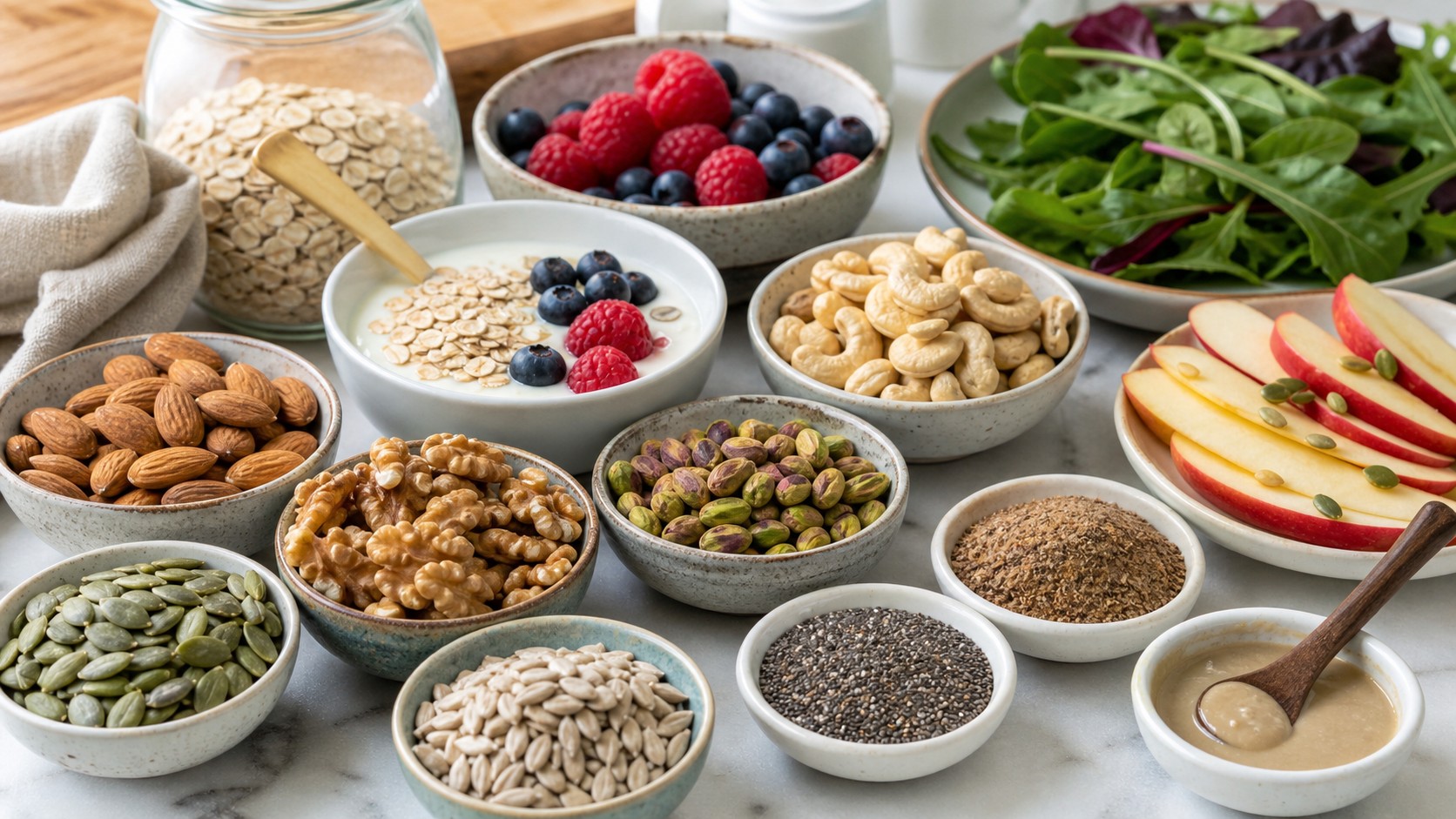
Walnuts are one of the best everyday nuts because they bring deep flavor and work in oatmeal, salads, baked goods, grain bowls, and snacks. Their slightly bitter edge is helpful with sweet fruit, roasted vegetables, blue cheese, maple, apples, pears, and beets. Almonds are another practical choice because they are crunchy, widely available, and easy to use sliced, chopped, whole, or as almond butter. They fit yogurt, oatmeal, salads, green beans, chicken salad, and snack plates.
Pistachios are useful when you want a nut that feels snackable and colorful without needing much else. They work with citrus, yogurt, rice dishes, roasted carrots, salads, and desserts. Peanuts are technically legumes, but in the kitchen they often act like nuts: affordable, protein-rich, and excellent in sauces, noodles, snacks, and stir-fries. Cashews are softer and creamier, which makes them useful for sauces, curries, trail mixes, and blending when soaked. Pecans bring sweetness and are especially good with oats, squash, sweet potatoes, apples, and salads.
Do not choose a nut only because it appears on a health list. Choose it because you can picture using it tomorrow. A bag of walnuts that makes breakfast better is more valuable than a specialty nut that sits unopened. A practical daily diet rewards ingredients that move easily through the week.
Choose Seeds for Convenience and Texture
Pumpkin seeds are one of the easiest seeds to use daily because they are large enough to feel crunchy and savory. Sprinkle them on soups, salads, grain bowls, tacos, roasted vegetables, yogurt, or oatmeal. Sunflower seeds are affordable and flexible, especially for salads, snack mixes, breads, and bowls. Sesame seeds are small but powerful when toasted, adding aroma to noodles, vegetables, rice, dressings, and sauces.
Chia seeds are useful when you want thickness. They can turn milk, yogurt, or fruit puree into pudding and can add texture to overnight oats. Flaxseed is usually best ground, then stirred into oatmeal, smoothies, pancakes, muffins, or yogurt. Hemp seeds are soft and nutty, easy to sprinkle over almost anything without changing texture too dramatically. These smaller seeds are less about crunch and more about daily ease.
Seeds can also be the better choice when nuts are not practical. They are often less expensive, easier to sprinkle, and useful for households with some tree-nut restrictions, though seed allergies still exist. A jar of sunflower seeds or pumpkin seeds can make salads and bowls more satisfying without needing chopping, soaking, or cooking.
Use seeds where their size is an advantage. Small seeds cling to yogurt, oatmeal, noodles, and dressings. Larger seeds, such as pumpkin and sunflower, give obvious crunch to soups and salads. Ground seeds can disappear into batters, while whole toasted seeds stay visible on vegetables. Once you notice those differences, seeds become more than a health sprinkle; they become texture tools.
Add Them Where Meals Already Happen
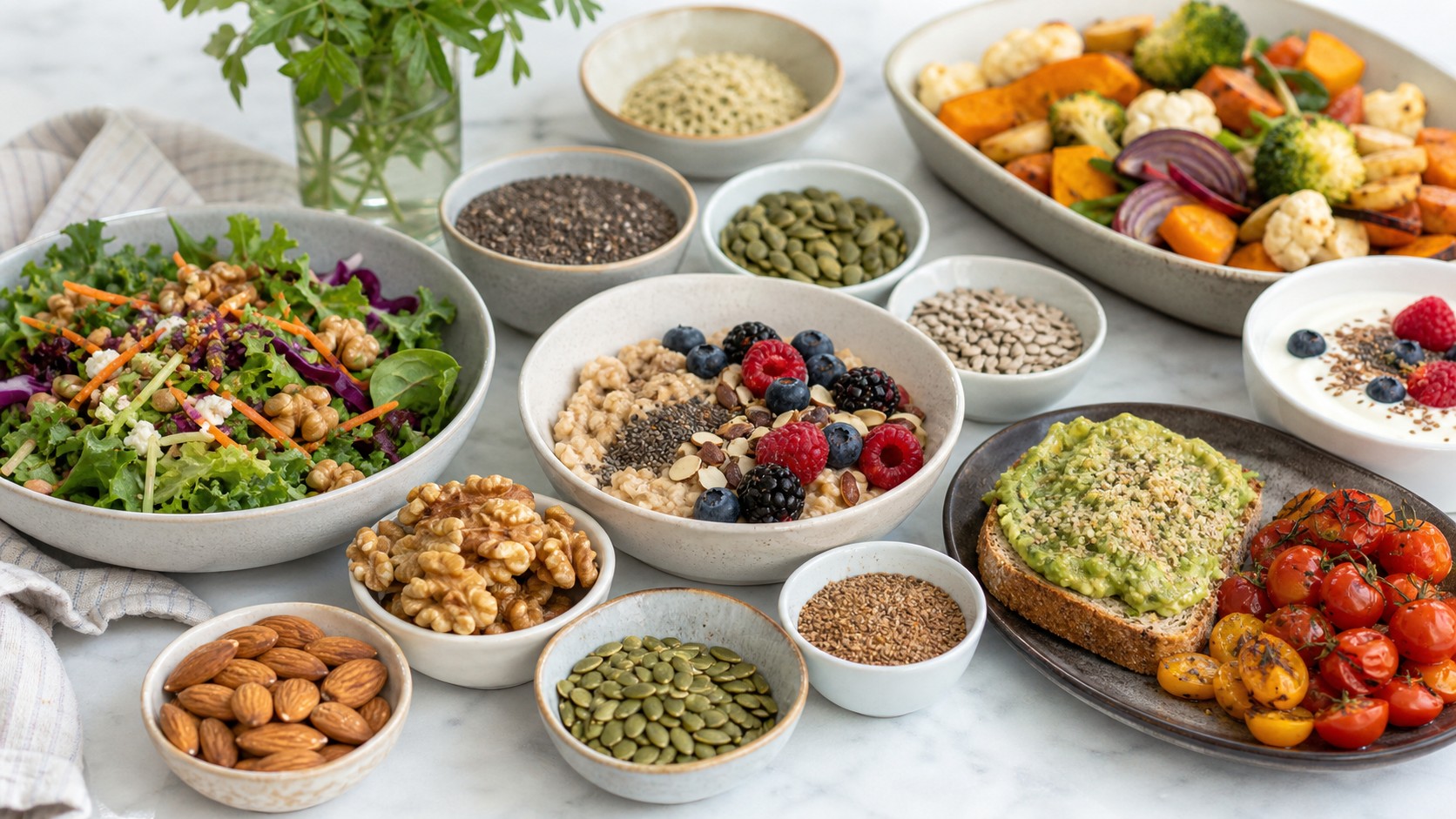
Breakfast is the easiest daily entry point. Add walnuts, almonds, chia, flax, or hemp to oatmeal. Sprinkle pumpkin seeds over yogurt with fruit. Stir ground flax into pancakes or muffins. Add peanut butter or almond butter to toast, smoothies, or apples. A breakfast that already exists is easier to improve than a brand-new routine you may not repeat.
Lunch can use nuts and seeds for texture. Add sunflower seeds to salads, sesame seeds to noodles, pistachios to grain bowls, almonds to chicken salad, or pumpkin seeds to soup. A small topping can make a packed lunch feel more complete because it adds crunch that survives better than many crisp vegetables. Keep toppings separate until serving if you want them to stay crisp.
Dinner can use nuts and seeds more like ingredients. Blend cashews into a sauce, whisk tahini into dressing, finish roasted carrots with pistachios, add peanuts to noodles, sprinkle sesame on broccoli, or use walnuts in a grain pilaf. Daily use does not mean eating them plain every day. It means letting them solve ordinary cooking problems: softness, blandness, thinness, or lack of satisfaction.
Keep the flavor direction clear. Peanuts and sesame can lean savory and bold. Pecans and walnuts can lean autumnal with squash, apples, and hearty greens. Almonds can be clean and crunchy in vegetable dishes. Pistachios can make simple food feel special with color and richness. Choosing the nut or seed for the meal’s mood keeps daily use from tasting like the same topping repeated everywhere.
A daily diet also benefits from placement. Add crunchy toppings after reheating food so they stay crisp. Stir softer seeds into yogurt or oats early enough to hydrate. Keep nuts separate from dressed salads until lunchtime. Put nut butter where it can melt or spread evenly instead of sitting in one heavy spoonful. Small handling choices make the same ingredient taste fresher and more deliberate.
That small attention keeps repeated ingredients from feeling tired or automatic.
Keep Portions Practical
Nuts and seeds are nutrient-dense, so portions should be deliberate. A small handful of nuts can be a satisfying snack. One or two tablespoons of seeds can be enough for a topping. Nut butters are useful, but spoonfuls can add up quickly when eaten straight from the jar. This does not make nuts and seeds something to fear. It simply means they work best when they are part of a meal rather than an endless background snack.
Pairing helps. Nuts with fruit, seeds with yogurt, nut butter with whole-grain toast, or pumpkin seeds on soup all create a beginning and end to the serving. If salted nuts are your favorite, use them where the salt improves the meal and balance the rest of the dish accordingly. If sweetened nuts are involved, treat them like a flavored ingredient rather than an everyday default.
Daily eating should feel sustainable. If measuring helps, measure. If a small bowl helps, use one. If buying single-serving packs helps with travel or work, they can be practical. The point is to make the habit easy enough to continue without turning food into arithmetic.
Build the portion around the rest of the plate. A hearty grain bowl may need only a spoonful of seeds because beans, vegetables, and dressing are already doing work. A light snack may need a fuller handful of nuts because there is less else involved. A smoothie may need measured nut butter because it disappears quickly into the drink. Let the meal context decide the amount, then adjust based on how you feel afterward.
Store Your Daily Staples So They Stay Fresh
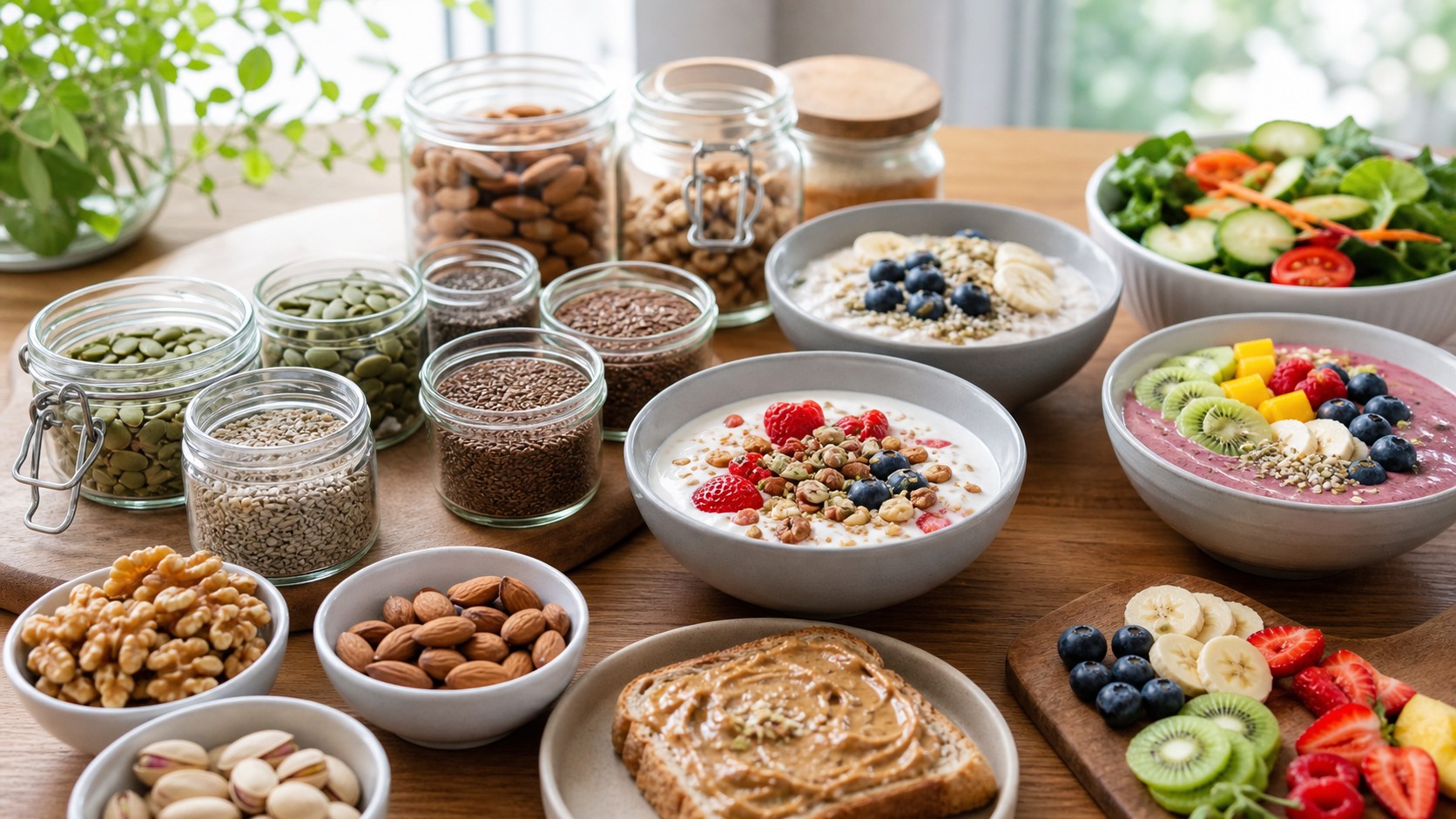
A daily habit depends on freshness. Keep the nuts and seeds you use often in sealed containers. Store larger bags, ground seeds, nut flours, and delicate oils in the refrigerator or freezer when needed. Label containers if you buy in bulk. Toast small amounts when you want extra aroma, then let them cool before storing. Fresh flavor makes the habit more enjoyable.
Smell nuts and seeds before adding them to food, especially if they have been open for a while. Rancid nuts can taste bitter, oily, stale, or paint-like. Ground flax and nut flours can fade faster than whole nuts. Sesame seeds can lose their aroma. If a topping smells tired, it will make the meal taste tired too. Better to keep fewer options fresh than many options fading.
When your daily choices are visible, fresh, and easy to use, nuts and seeds become natural additions. A jar of hemp seeds near breakfast, pumpkin seeds near salad supplies, and walnuts in the freezer can do more for your routine than a crowded pantry drawer. The best daily diet is supported by small systems that make good choices obvious.
Notice what you actually finish. If chia keeps disappearing into breakfast, keep it stocked. If a fancy nut sits untouched, buy it only for specific recipes. If sunflower seeds make every salad better, give them a permanent jar. Daily diet advice becomes useful when it adapts to your habits instead of asking you to perform someone else’s pantry.
Daily does not have to mean identical. Some days a spoonful of peanut butter is the useful choice; other days it is sesame on noodles, walnuts in oats, or pumpkin seeds on soup. The pattern matters more than forcing the same serving at the same time every day. Flexible repetition is what makes the habit last.
Keep the routine visible but not chaotic. A small tray, jar, or freezer bin for current staples can remind you what is open. That little bit of order helps you use the fresh bag first and keeps daily additions from turning into clutter.