
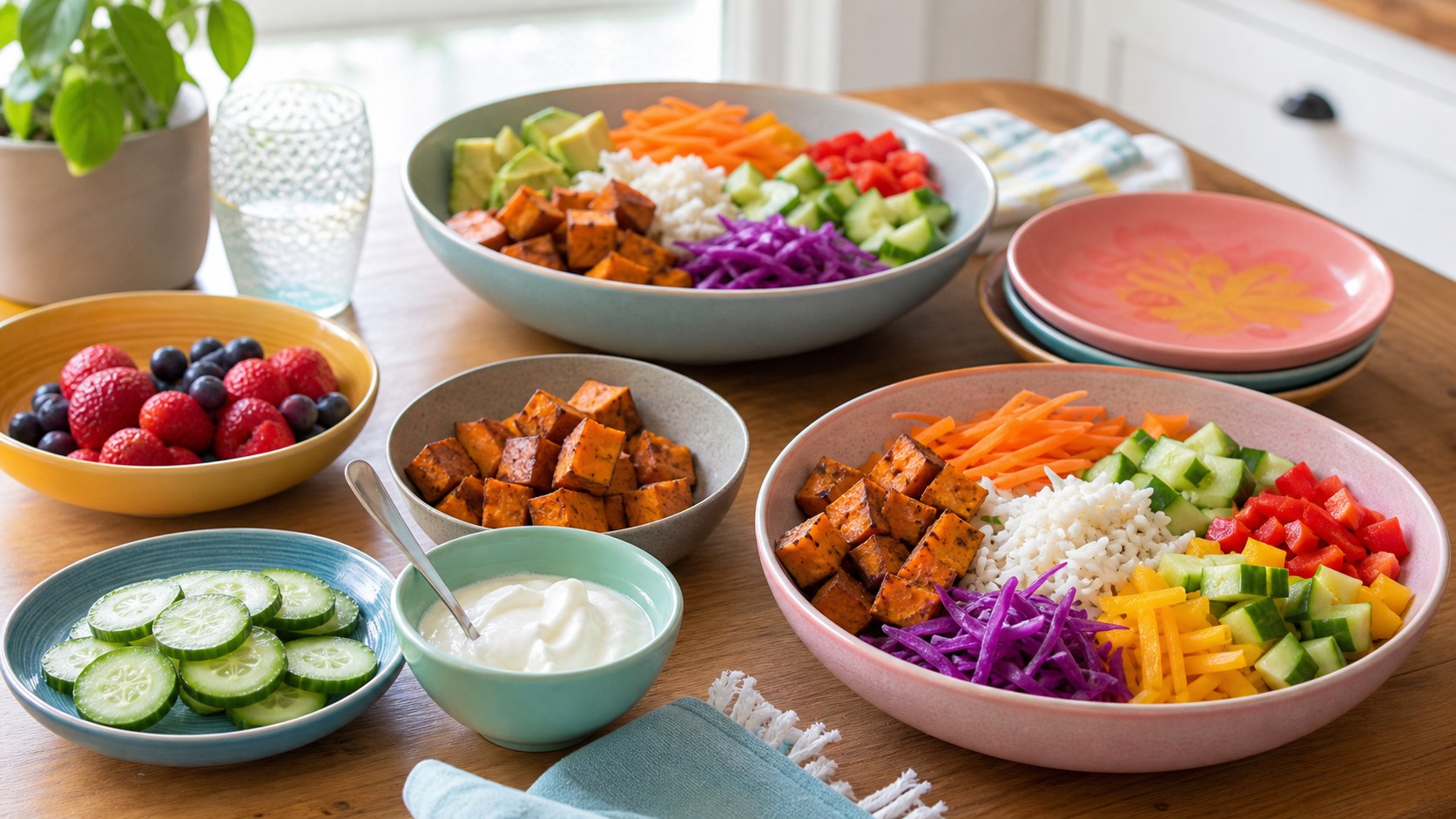
Healthy Food Kids Want to Eat Because It Tastes Good
Healthy kid-friendly recipes work when flavor comes first. Children rarely get excited about a meal because it checks a nutrition box, but they may love the same meal when it is crispy, sweet-savory, cheesy, dippable, colorful, or easy to build themselves. The best healthy family recipes do not feel like a lecture disguised as dinner. They feel familiar enough to trust, satisfying enough to enjoy, and balanced enough that parents can feel good serving them again.
A: Start with familiar formats, add satisfying texture, and use sauces or dips that make the meal enjoyable.
A: Hidden vegetables can help sometimes, but visible low-pressure produce builds longer-term familiarity.
A: Turkey meatballs, eggs, yogurt, beans, chicken, tofu nuggets, salmon cakes, and cheese-based meals often work well.
A: Yes. Pair satisfying carbs with protein, produce, and flavor so the meal supports energy.
A: Use fruit, cinnamon, vanilla, and texture so foods still feel naturally enjoyable.
A: Back up to the familiar version and try a smaller change next time.
A: Use the same base, then add stronger sauces, herbs, spice, or extra vegetables to adult plates.
A: Try smoothies, egg cups, oat pancakes, yogurt parfaits, breakfast tacos, or peanut butter toast if safe.
A: Repeat it often enough to build trust, then vary one detail when the meal feels accepted.
A: A peaceful meal, a new smell, a tiny taste, or a liked balanced plate all count.
Stop Leading With the Word Healthy
Many kids hear “healthy” and expect the food to be less fun than what they actually want. It can help to describe meals by what they taste and feel like instead: crunchy chicken, rainbow tacos, creamy pasta, sweet roasted carrots, cheesy egg cups, crispy potatoes, or berry yogurt bowls. The nutrition still matters, but the invitation becomes sensory instead of moral.
This shift helps adults too. Instead of trying to create perfect plates, aim for meals with protein, color, fiber, and pleasure. A turkey burger with avocado, fruit, and roasted potatoes can be healthy. So can bean quesadillas, chicken noodle soup, fried rice with vegetables, salmon cakes, or oatmeal pancakes. If the meal tastes good and supports energy, it belongs in the rotation.
Use Familiar Formats for Better Ingredients
Kids often accept nourishing ingredients more easily when the format is familiar. A whole-grain tortilla can hold beans and cheese. A smoothie can carry spinach, yogurt, and fruit. Meatballs can include turkey, grated zucchini, or lentils. Pancakes can include oats, banana, or cottage cheese. Mac and cheese can share the bowl with peas or roasted cauliflower when introduced gently. The goal is not to sneak everything. It is to make better choices feel normal. When a child sees vegetables in a quesadilla or beans in a taco again and again, those foods become part of ordinary dinner. Familiarity does more long-term work than a single hidden puree ever could.
Balance the Plate Without Making It Complicated
A balanced kid-friendly meal can be simple: one protein, one starch, one fruit or vegetable, and one flavor booster. Chicken strips, sweet potato wedges, cucumber slices, and yogurt dip. Rice, eggs, peas, and soy-ginger sauce. Pasta, turkey meatballs, marinara, and apple slices. Bean burritos, corn, avocado, and mild salsa. The structure is easy to remember and flexible enough for real life.
Do not worry if every meal is not perfectly balanced. Look at the day and week instead. If lunch was light on vegetables, dinner can include extra color. If dinner is pasta-heavy, add protein and fruit. If a child is going through a cautious phase, keep offering variety without turning the table into a nutrition scoreboard.
Make Vegetables Taste Like Themselves, Only Better
Vegetables become more appealing when cooked in ways that bring out sweetness, crunch, or color. Roasted carrots, sweet potato bites, corn, peas, cucumber rounds, snap peas, bell pepper strips, zucchini fritters, broccoli with parmesan, and edamame with a little salt are often easier than limp steamed vegetables. Texture and seasoning matter. Pair vegetables with a bridge flavor. Yogurt ranch, hummus, guacamole, marinara, cheese, peanut sauce, or a mild vinaigrette can help children approach them. Over time, reduce the dip or change the preparation, but do not rush. Enjoyment is the path. A vegetable eaten happily with dip is more useful than a plain vegetable refused on principle.
Protein That Feels Friendly
Protein supports fullness and steady energy, but kid-friendly protein has to feel approachable. Turkey meatballs, chicken skewers, egg muffins, bean and cheese tacos, salmon patties, mild lentil soup, yogurt parfaits, tofu nuggets, tuna melts, and cottage cheese pancakes all offer protein in forms that feel familiar. Small shapes and crisp edges can make a big difference.
Seasoning should be flavorful but not overwhelming. Garlic, mild paprika, lemon, parmesan, cinnamon, ginger, honey, herbs, and a little soy sauce can make healthy meals taste alive without pushing too hard. Put stronger sauces on the side for adults. A shared protein can support very different plates.
Healthy Carbs Kids Can Enjoy
Carbohydrates are not the enemy of healthy kid food. They are often the part of the meal that helps children feel satisfied and willing to try the rest. Potatoes, rice, oats, pasta, tortillas, bread, couscous, noodles, corn, and whole-grain waffles can all fit. The trick is pairing them with protein, produce, and flavor. Upgrade gently. Mix white and brown rice before switching completely. Use whole-grain bread for grilled cheese if the texture is still pleasant. Add oats to pancakes. Serve pasta with a protein-rich sauce. Roast potatoes instead of frying them every time. Healthy changes last longer when the food still tastes like something the child wants.
Breakfast Recipes That Carry the Day
Healthy kid-friendly cooking is not limited to dinner. Breakfast can do a lot of work. Banana oat pancakes, egg cups with cheese, yogurt parfaits with berries, breakfast tacos, peanut butter toast with fruit, oatmeal with apples, cottage cheese waffles, and smoothies with yogurt can all be filling without feeling medicinal.
Morning meals need rhythm. If school days are rushed, prep muffins, egg cups, smoothie packs, or overnight oats ahead of time. On weekends, let breakfast become a place to introduce new fruit, nuts if safe, seeds, or whole grains in a low-pressure setting. A child may try something at breakfast that would feel harder at dinner.
Lunches and Snacks That Support Better Dinners
Kids come to dinner with the appetite pattern of the whole day. If snacks are all quick carbs, dinner may become a crash. If lunch is too small, everyone arrives irritable. Balanced snacks like cheese and fruit, hummus and pita, yogurt and berries, hard-boiled eggs, nut or seed butter toast where appropriate, edamame, or trail mix can make dinner calmer. Lunch can echo dinner in smaller ways. Leftover meatballs become a thermos meal. Rice bowls become bento-style boxes. Pancakes become sandwich rounds. Soup becomes a small warm lunch with crackers. When healthy foods appear in multiple settings, they feel less unusual and more like part of family life.
Flavor Boosters Kids Often Like
Healthy food needs seasoning. Mild pesto, parmesan, cinnamon, honey-lime dressing, yogurt ranch, teriyaki glaze, peanut sauce, tomato sauce, guacamole, and lemon butter can make balanced meals taste appealing. Use flavor boosters thoughtfully, not as camouflage. A little sauce can bring the plate together and make vegetables, grains, and proteins feel like one meal.
Keep sweetness moderate but useful. A touch of honey on carrots, fruit in oatmeal, or a sweet-savory glaze on salmon can help children accept stronger flavors. As taste buds grow, you can lean more on herbs, citrus, spices, and savory depth. The early goal is positive experience.
Let Kids See Healthy Food as Normal
Children learn from repetition. If balanced meals appear regularly without speeches, they become ordinary. Serve fruit because it tastes good. Serve vegetables because they belong beside dinner. Serve beans, eggs, fish, chicken, grains, and yogurt in familiar ways. Talk about crunch, color, warmth, and flavor more than rules. This does not mean every meal will be loved. Some nights, the child eats rice and fruit. Some nights, the vegetables are ignored. Some nights, a new recipe surprises everyone. Healthy kid-friendly cooking is a long game, and taste is the best ally. When food is genuinely enjoyable, the habit has a chance to last.
Recipes That Grow With the Family
The most useful healthy kid-friendly recipes can mature over time. A plain bean quesadilla can become one with peppers, then salsa, then avocado. A simple rice bowl can gain edamame, sesame seeds, or salmon. A smoothie can move from banana-berry to mango-spinach. A pasta dinner can shift from buttered noodles to tomato sauce, meatballs, vegetables, or pesto on the side.
That gradual path respects children and keeps adults from feeling stuck. Healthy food that actually tastes good is not a single perfect recipe. It is a collection of flexible meals that let everyone keep learning, one good bite at a time.
Shop for Color, Crunch, and Easy Protein
Healthy kid-friendly meals become much easier when the grocery list is built around useful building blocks. Choose a few colorful fruits, two or three vegetables that can be eaten raw or cooked, a protein that works in more than one meal, and a starch your family already accepts. For example, berries, apples, cucumbers, carrots, chicken, eggs, beans, rice, tortillas, and yogurt can become breakfasts, lunches, snacks, and dinners without feeling repetitive. Look for ingredients that offer texture. Crunchy vegetables, crisp apples, roasted chickpeas, toasted pita, granola, baked potato wedges, and seared quesadillas make healthy food more interesting. Soft foods have their place, especially for younger children, but meals with only soft textures can feel dull. A little crunch can make the whole plate more appealing.
Make Healthy Recipes Weeknight-Friendly
A healthy recipe that only works on a perfect day will not help very often. Keep a few shortcuts ready: frozen vegetables, canned beans, rotisserie chicken, microwave rice, frozen fruit, pre-washed greens, whole-grain waffles, and quick-cooking pasta. These ingredients let you build balanced meals when time is short. The point is not to cook from scratch every night; it is to keep the meal steady enough that takeout is not the only escape.
Batch-prep small components rather than full meals if your family resists leftovers. Cook a pot of rice, wash fruit, make yogurt dip, roast sweet potatoes, hard-boil eggs, or bake a tray of meatballs. Each piece can be recombined in different ways. Children often prefer familiar parts arranged freshly over the same casserole served three nights in a row.
Give Healthy Food a Fun Shape
Shape changes appetite, especially for kids. A turkey patty may be ignored while a slider disappears. A bowl of eggs may feel boring while breakfast tacos feel fun. A piece of fish may seem too much while a salmon cake feels dippable. Vegetables may be easier as coins, sticks, ribbons, fritters, skewers, or tiny piles than as a large serving. This does not mean every meal needs decorations. It means presentation can remove friction. Small portions, handheld formats, and dipping shapes make healthy foods feel less formal. When the experience is easier, taste has a better chance to win.
Healthy Meals Can Still Feel Celebratory
Balanced food does not need to look plain. A colorful taco night, smoothie bowl breakfast, turkey burger platter, grilled chicken pita spread, rainbow fried rice, or fruit-and-yogurt parfait bar can feel festive. Use bowls, toppings, sauces, and platters to create abundance. Kids often respond to choice and color before they respond to the ingredient list.
Celebratory healthy meals are especially helpful for weekends and birthdays-adjacent family nights when parents want something fun without turning dinner into candy and chips. Make fruit skewers, baked chicken tenders, corn salad, mini bean tostadas, or yogurt sundaes with berries. The meal still feels like a treat because it is interactive, bright, and generous.
Teach Taste Through Repetition, Not Pressure
Children may need to encounter a food many times before accepting it. That can be frustrating, but it also takes pressure off any single dinner. Serve a tiny amount, keep your tone neutral, and let the food reappear in different forms. Sweet potatoes might fail mashed but succeed roasted. Beans might fail in soup but work in a quesadilla. Spinach might fail in salad but work in eggs or smoothies. Repetition is not the same as forcing. It is simply making healthy foods familiar. When a child sees the same ingredients offered calmly over time, the food loses some of its strangeness. Taste can grow in quiet steps, and quiet steps are still progress.


