Fast Family Meals That Still Feel Like Dinner
Twenty-minute kid-friendly meals need to solve more than hunger. They have to survive late practices, homework, traffic, tired parents, and children who may be hungry enough to melt down before the pan is hot. The best fast family meals are familiar without being boring, balanced without being fussy, and flexible enough that everyone can eat a version that works. They lean on smart shortcuts, quick-cooking proteins, crisp raw vegetables, fruit, dips, wraps, bowls, and skillet meals that turn a rushed evening into something calmer.
A: Quesadillas with fruit and vegetables are fast, flexible, and easy to customize.
A: Add protein, produce, and a satisfying base instead of trying to make every component perfect.
A: Choose portable wraps, burritos, snack boxes, sliders, pasta salad, or rice bowls with sauce separate.
A: Yes. Add protein, vegetables, and a flavorful sauce or cheese so it is more than plain noodles.
A: Serve the same ingredients in small piles and let adults mix their own plates.
A: Keep tortillas, eggs, rice, beans, fruit, and a quick protein ready for reliable formats.
A: They can be if they include protein, produce, a starch, and something satisfying.
A: Cucumbers, carrots, snap peas, bell peppers, corn, peas, and bagged salad are quick choices.
A: Rotate sauces, dips, toppings, and formats while keeping the base familiar.
A: A meal that feeds everyone with less stress and gives the evening room to continue.
Think Assembly, Not Emergency
Fast meals feel better when they are planned as assembly instead of treated as a last-minute rescue. Keep tortillas, eggs, rice, pasta, canned beans, frozen vegetables, rotisserie chicken, yogurt, fruit, and a few dips ready. These ingredients can become quesadillas, fried rice, breakfast tacos, pasta bowls, chicken wraps, snack plates, or quick soups with very little decision-making.
The important part is having formats your family recognizes. If everyone likes quesadillas, you can change the filling. If rice bowls work, you can rotate the protein. If snack plates prevent dinner battles, they can include cheese, hummus, vegetables, fruit, crackers, eggs, or leftover chicken. Predictable formats make fast food feel less chaotic.
Twenty Minutes Starts Before the Clock
A true twenty-minute meal depends on small habits outside the cooking window. Wash fruit when you bring it home. Keep cucumbers or carrots ready to cut quickly. Cook extra rice once and freeze portions flat. Shred leftover chicken before putting it away. Keep a sauce or dip in the refrigerator. These little pieces let dinner come together quickly without feeling like a scramble. You do not need a full meal-prep day. Five useful minutes after groceries or dinner can save fifteen stressful minutes later. Busy families need ingredients that are ready to move.
Quesadillas, Wraps, and Tortilla Dinners
Tortillas are one of the most useful fast family tools. Cheese quesadillas can hold beans, chicken, corn, spinach, peppers, turkey, or eggs. Wraps can use hummus, chicken, cucumber, cheese, turkey, avocado, or scrambled eggs. Tortilla pizzas bake quickly and give kids topping control. The shape is familiar, handheld, and easy to cut into small pieces.
Serve tortilla meals with fruit, raw vegetables, or a simple dip so the plate feels complete. Adults can add salsa, hot sauce, pickled onions, or greens without changing the child’s base meal.
Fast Bowls for Different Appetites
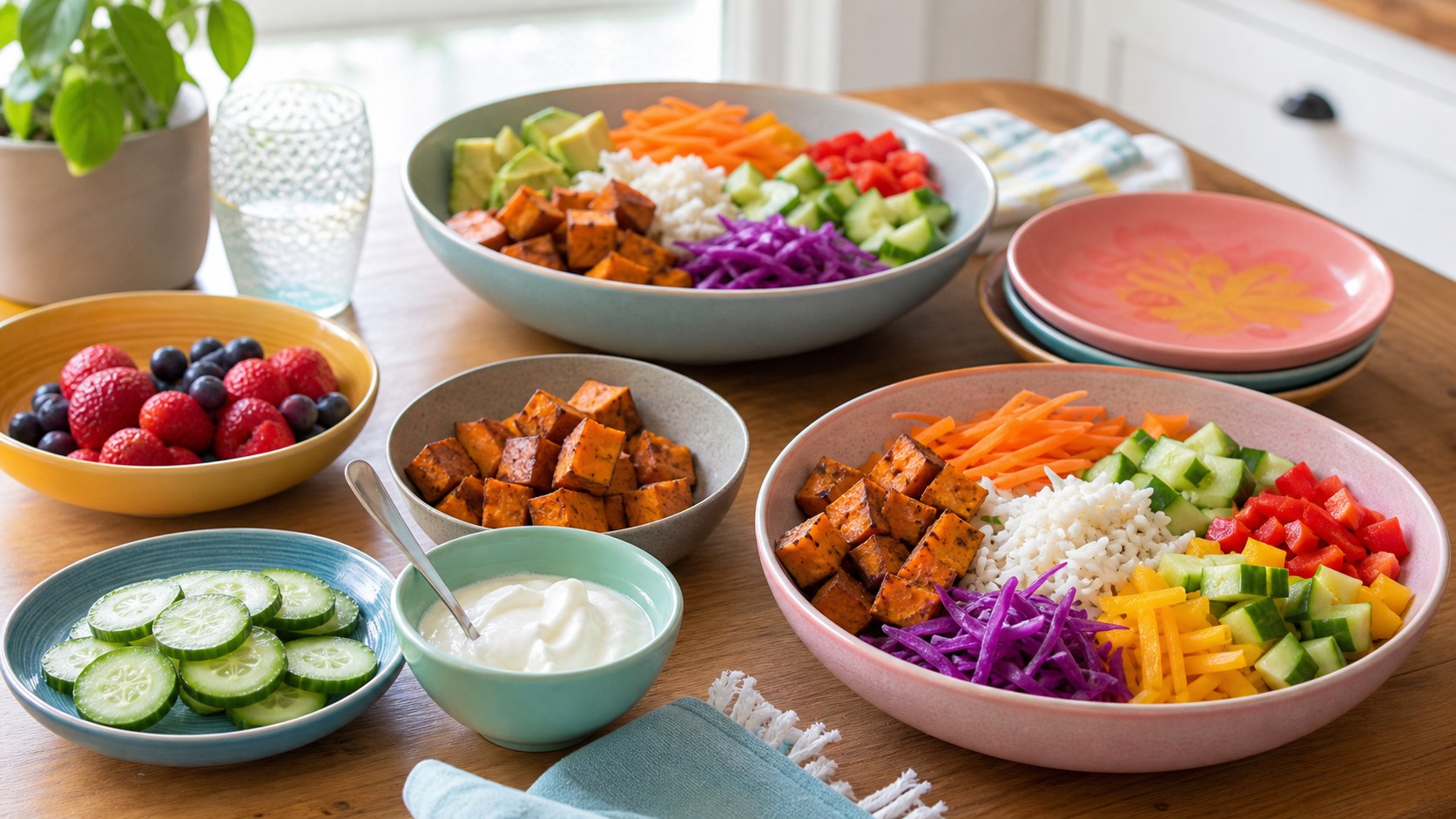
Bowls are useful because ingredients can stay separate. Start with rice, couscous, noodles, potatoes, or greens. Add chicken, eggs, beans, tofu, tuna, turkey, or salmon cakes. Finish with cucumber, carrots, corn, peas, avocado, fruit, or a simple sauce. A cautious eater can keep everything in piles, while an adult can stir the whole bowl together. The fastest bowls use leftovers. Rice from Sunday becomes fried rice. Chicken becomes a teriyaki bowl. Meatballs become pasta bowls. Roasted vegetables become taco bowls. A twenty-minute meal often begins with yesterday’s smart extra portion.
Breakfast-for-Dinner When Time Is Tight
Eggs cook quickly and feel familiar to many kids. Scrambled eggs with toast and berries, breakfast burritos, egg-and-cheese sandwiches, pancakes with yogurt, or potato-and-egg skillets can all become dinner in twenty minutes. Add fruit and a vegetable if you can, but keep the mood easy.
Breakfast dinners are especially helpful after activities because they are comforting without a long wait. Parents can add salsa, greens, smoked salmon, avocado, or hot sauce. Children can keep the plate simple.
Quick Pasta Without the Weeknight Slump
Pasta is fast, but it tastes better when it has one fresh or protein-rich partner. Add turkey meatballs, peas, tuna, chicken, white beans, spinach, broccoli, ricotta, pesto, or a simple tomato sauce. Buttered noodles can sit beside the sauce for kids who prefer control. Ravioli or tortellini can make dinner feel more substantial without much extra work. Save a cup of pasta water before draining. It helps sauce cling and makes even simple pantry pasta taste more finished. A sprinkle of parmesan, lemon zest, or toasted breadcrumbs can lift the whole meal.
Portable Meals for Nights in Motion
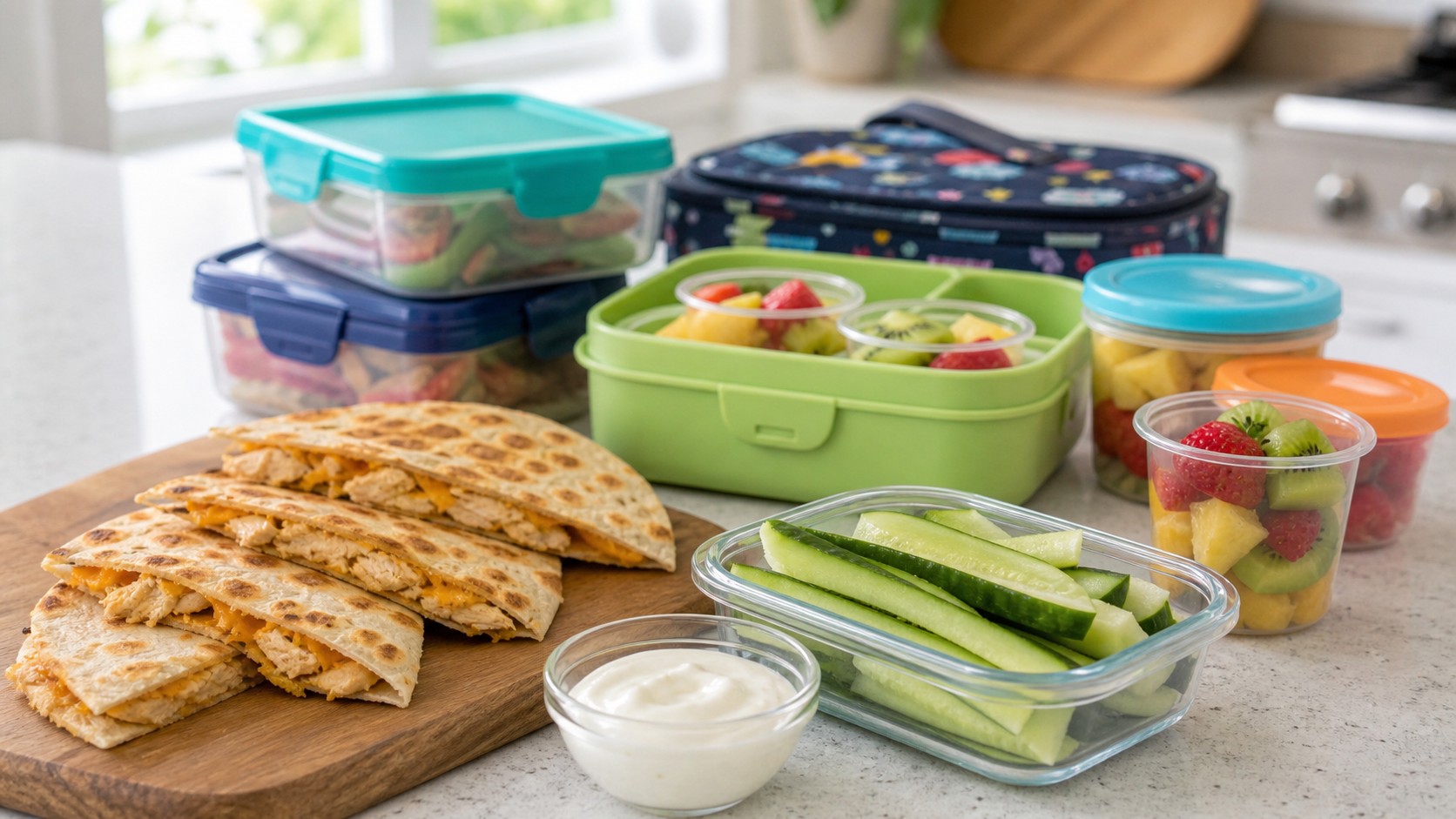
Some evenings do not allow a normal table. Wraps, breakfast burritos, sliders, bento boxes, pasta salad, rice balls, chicken skewers, muffins with yogurt, and snack boxes can travel better than saucy plates. Pack components separately when texture matters: sauce in a cup, fruit away from bread, crunchy items added last.
Portable does not have to mean packaged. A homemade wrap with fruit and cucumbers may be faster than a drive-through line, especially when the ingredients are ready. Keep napkins, small containers, and reusable forks in one easy place.
Vegetables That Do Not Slow Dinner Down
Raw vegetables are the friend of the twenty-minute meal. Cucumber rounds, carrot sticks, snap peas, bell pepper strips, grape tomatoes, corn, and bagged salad add color with almost no cooking. Frozen peas, broccoli, edamame, and mixed vegetables can cook quickly in pasta water, rice, soup, or a skillet. Serve vegetables with a dip if that helps. Yogurt ranch, hummus, guacamole, mild salsa, or peanut sauce can make a fast plate feel more inviting and less like a duty.
Use Dips as Dinner Glue
Dips and sauces bring speed and flavor together. A yogurt dip can work with chicken, vegetables, potatoes, wraps, and meatballs. Marinara can help pasta, pizza toast, quesadillas, and zucchini. Peanut sauce can dress noodles, chicken, tofu, carrots, or rice bowls. Mild salsa can connect eggs, beans, rice, and tortillas.
Keep the sauce separate for kids who dislike mixed foods. A tiny dipping cup gives control and makes dinner feel more playful.
When Everyone Is Too Hungry
If the family is already past hungry, start with a five-minute bridge: fruit, cheese, cucumbers, crackers, yogurt, or a small smoothie. Then cook the actual meal. This prevents the first ten minutes of dinner prep from becoming the hardest part of the evening. Bridge snacks should be small enough not to ruin dinner. They are not a second meal. They are a pressure valve that helps everyone arrive at the table with more patience.
Make Fast Meals Repeatable
Choose four or five fast formats and repeat them. Monday might be quesadillas, Tuesday bowls, Wednesday breakfast-for-dinner, Thursday pasta, Friday snack plates or wraps. Repetition lowers the mental load. The ingredients can change, but the rhythm stays familiar.
Families on the go need meals that are kind to real life. A twenty-minute dinner is successful when it feeds people, reduces stress, and keeps the evening moving without making everyone feel rushed at the table.
A Fast Meal Can Still Be a Family Meal
The table may be messy, the plates may be simple, and someone may eat in a car before practice. That still counts. When the food is warm, balanced enough, and chosen with care, a quick dinner can hold the family together in the middle of a busy week.
Use the Grocery Store Like a Sous-Chef
Families on the go benefit from buying ingredients that have already done some of the work. Pre-cut vegetables, washed greens, rotisserie chicken, refrigerated tortellini, frozen meatballs, microwave grains, and bakery rolls can all become real meals when paired thoughtfully. The difference between a shortcut and a throwaway dinner is what you add for freshness, texture, and balance.
For example, a rotisserie chicken with rolls is fine, but chicken tucked into wraps with cucumber, yogurt sauce, and fruit feels more complete. Tortellini with jarred sauce is useful, but tortellini with peas, parmesan, and a side of apple slices feels intentional. Shortcuts are not the opposite of care; they are often how care fits into the evening you actually have.
Keep a Five-Minute Fresh Side
A fast main dish can feel heavy or unfinished without something fresh beside it. Choose sides that do not need cooking: grapes, berries, oranges, cucumber rounds, carrots, snap peas, sliced apples, cherry tomatoes, bagged salad, or melon. If your child resists vegetables, pair one familiar fruit with one low-pressure vegetable and keep the serving small. This habit also helps adults enjoy the meal. A quesadilla with fruit and cucumbers feels different from a quesadilla alone. Pasta with salad or apples lands better than pasta by itself. Fresh sides make fast meals look brighter and keep the plate from feeling like a compromise.
Match the Meal to the Next Stop
Not every twenty-minute dinner needs the same shape. Before sports, choose food that is satisfying but not too heavy: wraps, rice bowls, eggs, smoothies with toast, or pasta with lean protein. After a late practice, choose warm comfort that reheats quickly: soup, quesadillas, baked potatoes, fried rice, or breakfast sandwiches. Before a long car ride, avoid anything too drippy and pack sauces separately.
This sounds small, but it prevents frustration. A saucy taco may be great at the table and terrible in the back seat. A cold pasta salad may be perfect between activities but disappointing when everyone wanted something warm. Fast family cooking gets easier when the meal matches the movement of the night.
Have a True Ten-Minute Backup
Even a twenty-minute meal can feel impossible some nights. Keep one backup that can be on the table in ten minutes: scrambled eggs with toast, bean and cheese quesadillas, yogurt parfaits with muffins, tuna melts, peanut butter toast with fruit if safe, or microwave baked potatoes with cheese and broccoli. These meals are simple, but they prevent the evening from tipping into panic. A backup meal should be accepted by most of the household and made from ingredients you reliably keep. It does not need to be exciting. Its job is to protect everyone from arriving at bedtime hungry, cranky, and over it.
Let Older Kids Own One Fast Format
Children who are old enough can help with specific twenty-minute meals. One child might assemble fruit and vegetables. Another might stir yogurt dip, fill tortillas, sprinkle cheese, or pack sauces in small cups. Giving kids repeatable jobs makes dinner faster over time and helps them understand how a meal comes together.
Keep the job narrow. “Make dinner” is too much. “Put cucumber slices and grapes on five plates” is clear. When help is specific, it becomes useful instead of slowing everything down.
Fast Does Not Mean Flavorless
Keep a few quick flavor builders ready for grown-up plates and adventurous kids: pesto, salsa, lemon wedges, parmesan, sesame oil, chili crisp, pickles, hot sauce, herbs, or a favorite spice blend. Add them after the kid-friendly base is done. This keeps the meal shared without making every bite mild. Twenty-minute meals can still have personality. They simply need flavor that arrives quickly, often from a jar, squeeze, sprinkle, or small bowl. The right finishing touch can make a rushed dinner taste like a plan.
End the Night With Less Cleanup
On busy nights, cleanup is part of the meal plan. Use one skillet when possible, line sheet pans, serve from the pan or cutting board, and choose meals that do not require every mixing bowl in the kitchen. If dinner needs to travel, pack directly into containers instead of plating first. A meal that takes twenty minutes to cook but forty minutes to clean does not really fit the night.
Keep the standard gentle: fed, calm, and done. Families on the go need food that lets the evening continue, whether that means homework, showers, bedtime, or a few quiet minutes after everyone gets home.