Start With Staples You Will Actually Use
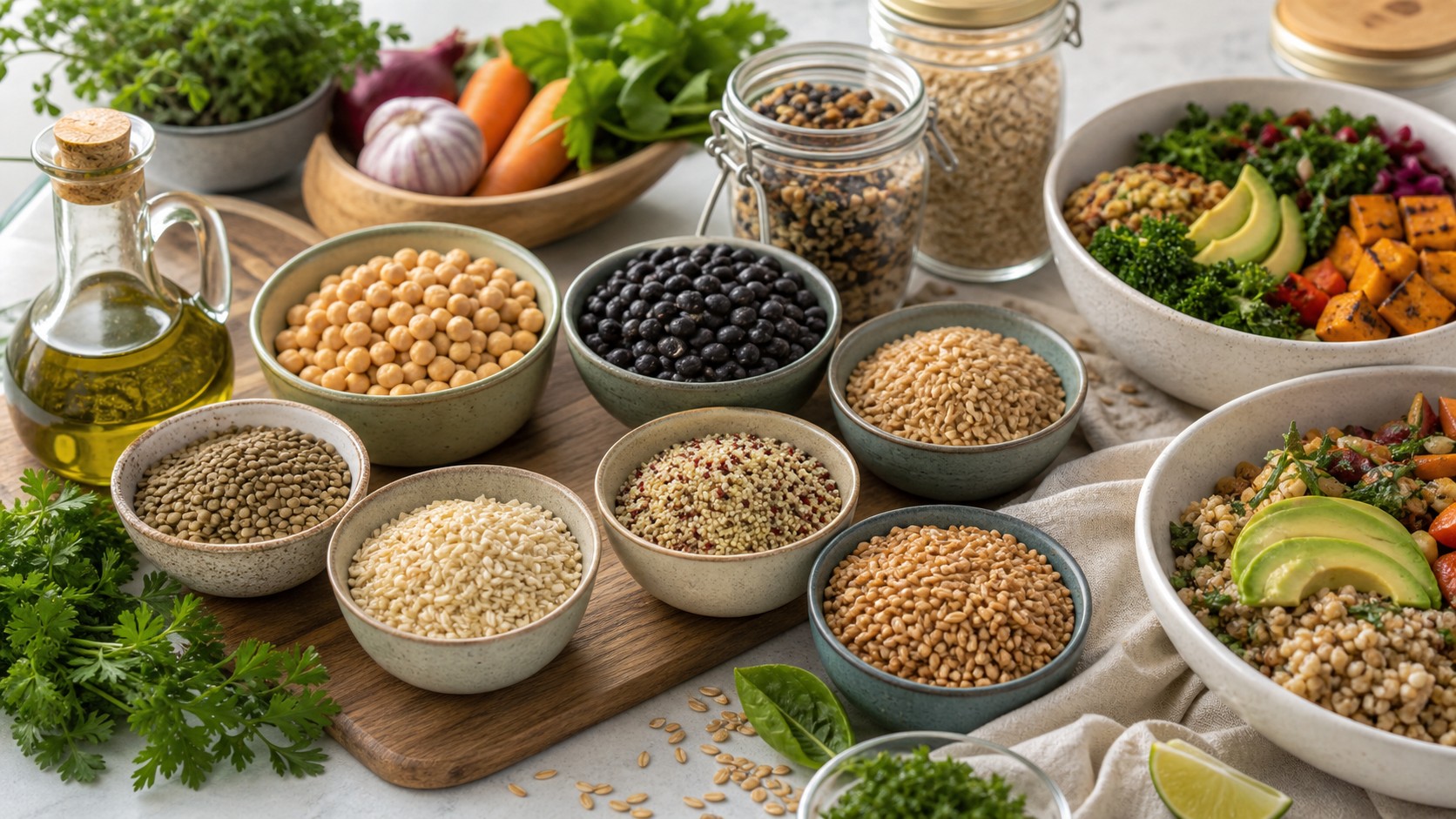
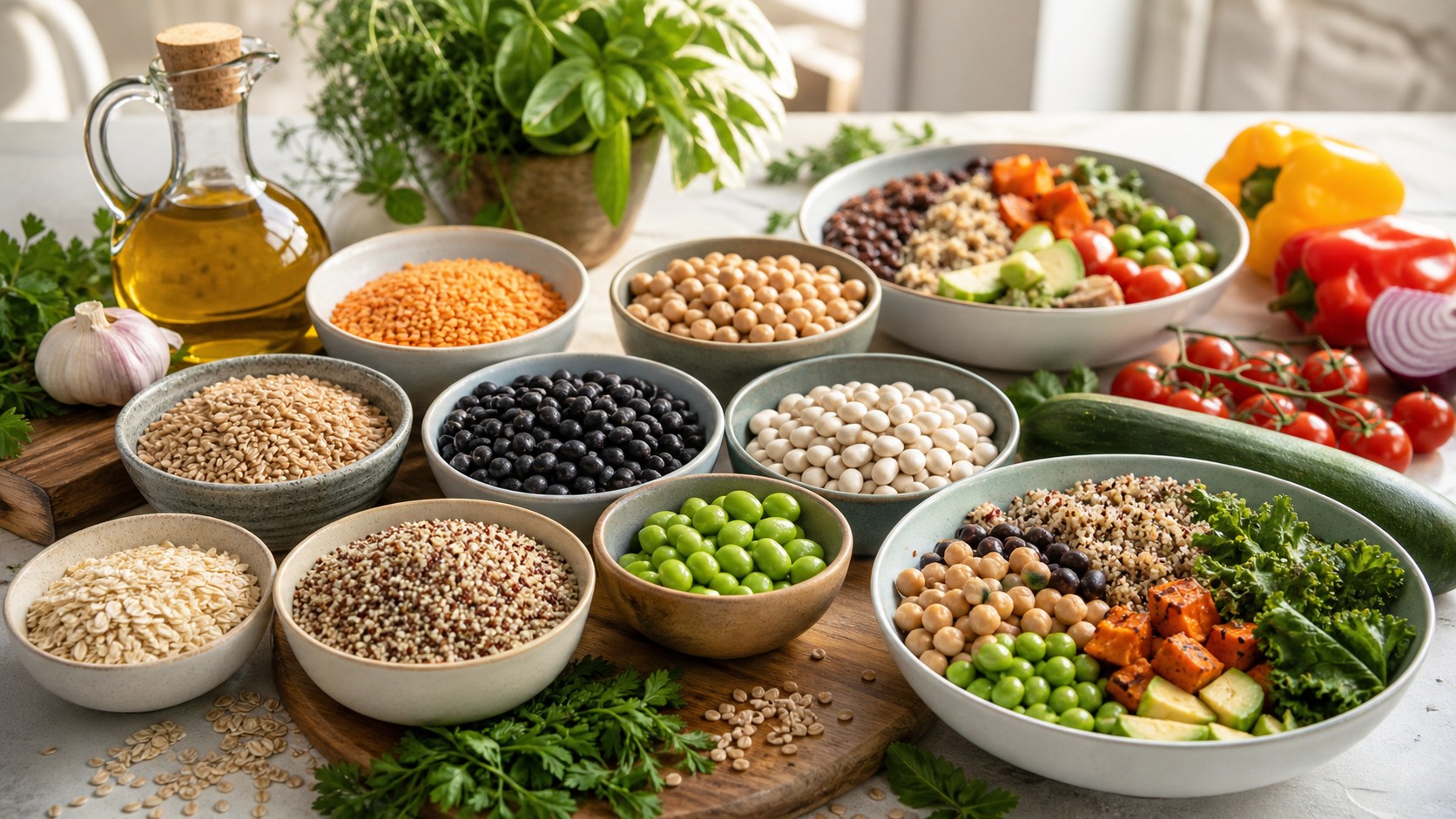
The best grains and legumes to add to your diet are the ones that make everyday meals easier, not the ones that sit untouched because they sounded healthy at the store. Oats, rice, quinoa, farro, barley, lentils, chickpeas, black beans, white beans, and edamame are useful because they can move through breakfast, lunch, dinner, soups, salads, bowls, wraps, and sides. They bring fiber, texture, energy, and in the case of legumes, plant protein. More importantly, they give meals structure, which is what helps healthy eating feel practical instead of fragile.
A: Oats, rice, quinoa, farro, and barley are useful starting points.
A: Lentils, chickpeas, black beans, white beans, and edamame are practical choices.
A: Yes, they are useful and can taste excellent when rinsed and seasoned.
A: Rice, farro, quinoa, barley, and bulgur hold well when stored properly.
A: Use salt, acid, herbs, spices, sauce, olive oil, and texture.
A: They can anchor many meals, especially when paired with vegetables and satisfying sauces.
A: Rice and beans with salsa, vegetables, and avocado is simple and flexible.
A: Repeat the staple but change flavor families, sauces, and toppings.
A: Yes, especially because they bring fiber, energy, and plant protein.
A: Start gradually and adjust based on appetite, digestion, and the meal.
Choose Grains for the Job They Do Best
Every grain has a personality, and choosing well starts with knowing what job the meal needs. Oats are the obvious breakfast staple, but they can also thicken smoothies, support baked oatmeal, or become savory bowls with eggs and greens. Brown rice is sturdy and familiar, while white rice is gentle, fast, and useful with saucy meals. Quinoa cooks quickly and works well in bowls or salads where you want a lighter texture. Farro is chewy and satisfying, which makes it excellent for lunch salads that need to hold up. Barley belongs in soups and stews because it gives broth body. Bulgur is fast and bright in herb-heavy salads.
There is no single best grain for every person. The best choice depends on taste, budget, digestion, cooking time, and the kinds of meals you repeat. If a grain helps you build a balanced meal you enjoy, it has earned its place. Healthy eating becomes more durable when you stop ranking staples abstractly and start asking whether they solve real kitchen problems.
Texture matters too. A person who dislikes soft grains may do better with farro, barley, wheat berries, or properly cooked rice. Someone who wants comfort may prefer oats, polenta, or softer rice. If you choose by texture first, you are more likely to keep using the food after the initial burst of good intentions passes.
Use Legumes for Fullness and Flexibility
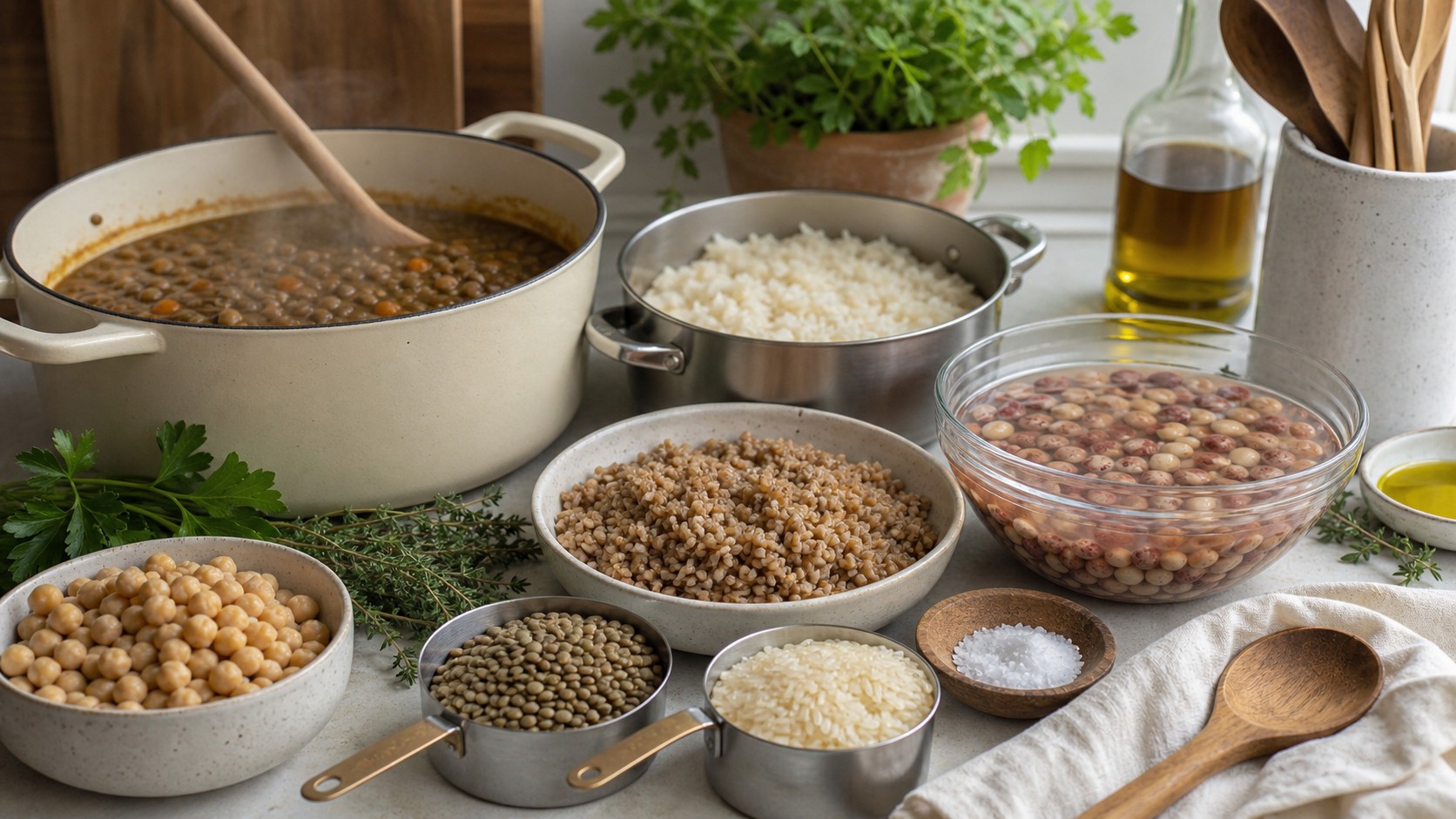
Legumes are some of the most useful foods to add to a diet because they bring plant protein and fiber together. Lentils cook quickly and can become soup, salad, sauce, or bowl base. Chickpeas can be roasted, mashed into hummus, tossed into salads, simmered in curry, or added to pasta. Black beans work beautifully with rice, tortillas, eggs, sweet potatoes, and salsa. White beans turn creamy in soups, dips, and toast toppings. Edamame gives quick protein to noodles, rice bowls, and salads. Split peas make thick, comforting soups without much fuss. Canned legumes count. They are practical, affordable, and easy to improve with seasoning. Rinse them if you want a cleaner taste, then add salt, acid, herbs, spices, olive oil, sauce, or vegetables. Dried beans can be wonderful, especially when cooked with aromatics, but they are not the only legitimate path. A healthy kitchen should include both ambition and backup plans.
Legumes also make meals feel more complete without demanding meat at every sitting. A grain bowl with chickpeas, roasted vegetables, and tahini can be lunch. Lentils with rice and yogurt sauce can be dinner. White beans with greens and toast can be a fast meal. These foods stretch ingredients and make vegetables more satisfying.
The Best Everyday Additions
If you are starting small, add oats, lentils, chickpeas, black beans, brown rice or white rice, quinoa, and one chewy grain such as farro or barley. Oats cover breakfast. Lentils cover fast soups and salads. Chickpeas cover snacks, bowls, and wraps. Black beans cover tacos, rice bowls, and easy dinners. Rice covers saucy meals and leftovers. Quinoa covers quick lunches. Farro or barley adds texture when you want something heartier.
From there, choose based on your cooking style. If you love Mediterranean flavors, chickpeas, white beans, lentils, farro, and bulgur will be useful. If you cook tacos, bowls, and soups often, black beans, pinto beans, rice, corn tortillas, and quinoa may fit better. If breakfast is the weak spot in your routine, oats and barley can do more than another dinner staple. The best list is personal because the best diet is the one that shows up in real meals.
It helps to keep one fast option and one slow option. A can of beans solves a rushed lunch; dried beans cooked on a quiet day can stock the freezer. Microwave rice can rescue dinner; a pot of farro can support several lunches. Flexibility keeps grains and legumes from becoming an all-or-nothing project.
Pair Grains and Legumes With Flavor
Grains and legumes need seasoning, not just approval. Lemon, vinegar, salsa, pesto, curry paste, tahini, yogurt sauce, herbs, garlic, chili oil, mustard, miso, toasted seeds, pickled onions, and olive oil can all make staples taste deliberate. A bowl of plain chickpeas may feel dutiful; chickpeas with lemon, parsley, cucumber, tomato, and olive oil feel like food. Brown rice can be quiet on its own, but with black beans, avocado, salsa, cabbage, and lime it becomes dinner.
Think in flavor families. Mediterranean meals might use farro, chickpeas, cucumber, tomatoes, olives, feta, and vinaigrette. Mexican-inspired meals might use rice, black beans, roasted peppers, salsa, avocado, and cilantro. Indian-inspired meals might use lentils, rice, turmeric, cumin, ginger, and yogurt. Cozy meals might use barley, white beans, greens, broth, and Parmesan. Flavor families prevent the pantry from feeling random.
Make Them Easier to Digest and Repeat
If you are adding more fiber, go gradually. Grains and legumes are nourishing, but sudden large portions can feel uncomfortable if your body is not used to them. Start with smaller servings, rinse canned beans, cook dried beans until fully tender, drink water, and rotate staples. Lentils or split peas may feel easier than larger beans for some people. Softer grains may feel better than very chewy ones at first. Repetition is helpful, but sameness can wear people out. Keep the format steady while changing the flavor. Lentils can be soup one week, salad the next, and pasta sauce after that. Rice and beans can lean toward salsa and avocado, coconut curry, or garlicky greens. Oats can be sweet, savory, baked, or blended. This kind of variety helps the habit stay alive.
Meal Prep Without Making Everything Identical
Batch cooking grains and legumes works best when you store components separately. Cook rice, lentils, beans, or farro, then keep sauces, greens, vegetables, and toppings apart until you assemble meals. This protects texture and gives you more choices. One container of cooked chickpeas can become hummus, salad, curry, or roasted snack. One pot of rice can become breakfast, lunch, or dinner depending on what you add.
Freeze extras in usable portions. Flat bags of cooked grains thaw faster than deep containers. Beans can be frozen with some cooking liquid so they stay tender. Labeling helps, because a mystery container rarely inspires dinner. Good meal prep should make future food easier, not create a refrigerator full of obligations.
Prep also works better when you plan for contrast. If you cook a soft grain, keep crisp vegetables or toasted seeds nearby. If you cook creamy beans, keep lemon, herbs, or pickled onions ready. If you make lentils, decide whether they are headed toward soup, salad, or bowls before seasoning the entire batch. A little intention keeps prepared staples from tasting the same all week.
Build a Diet Around Useful Staples
The best grains and legumes are not magic foods. They are useful foods. They help meals become filling, affordable, flavorful, and flexible. They make vegetables more satisfying, stretch proteins farther, and give you options when the week becomes crowded. Adding them to your diet does not require a dramatic overhaul. It can start with oats for breakfast, beans in lunch bowls, lentils in soup, or rice beside a quick dinner. When you choose staples you enjoy and season them well, grains and legumes become less like health advice and more like kitchen confidence. That is the real reason to add them: they make good eating easier to repeat.
They also make healthy meals less dependent on perfect shopping. If the refrigerator is half-empty, rice and beans can still become dinner with salsa, eggs, frozen vegetables, or leftover greens. If lunch needs to be packed, farro and chickpeas can hold a vinaigrette better than delicate lettuce. If breakfast needs to last, oats can carry fruit, nuts, yogurt, or seeds. The best staples are the ones that quietly rescue ordinary days.
Make the Best Choices Fit Your Meals
The best grain or legume is often the one that completes a meal you already like. If you make soups, barley, lentils, split peas, and white beans deserve space in the pantry. If you make bowls, rice, quinoa, farro, chickpeas, black beans, and edamame will do more work. If you need lunches that hold, chewy grains and sturdy legumes are better than delicate greens alone. If breakfast is where the day falls apart, oats may be more useful than another dinner bean. Matching the staple to the meal prevents healthy shopping from becoming pantry clutter. Think about the missing piece on your usual plate. Meals that leave you hungry may need lentils, beans, rice, farro, or oats. Meals that feel heavy may need a brighter grain salad or legumes with herbs and lemon. Meals that cost too much may need beans to stretch meat or grains to stretch vegetables. Meals that feel repetitive may need a new texture, such as barley in soup or roasted chickpeas on a salad. These foods are tools, and tools are most valuable when they solve a specific problem.
Let Small Additions Change the Pattern
You do not have to overhaul your diet to benefit from grains and legumes. Add white beans to a soup you already cook. Stir lentils into tomato sauce. Put chickpeas in a lunch salad. Swap a plain side for farro with herbs. Add oats to breakfast twice a week. Use black beans in tacos beside the usual fillings. These changes are small enough to repeat, but they slowly change the structure of meals. More fiber, more texture, and more plant protein begin to appear without requiring a separate cooking identity.
Small additions also reveal what you actually enjoy. Maybe lentils become a weekly staple, but quinoa never excites you. Maybe black beans work because your household loves tacos. Maybe barley disappears in soup, while chickpeas are better roasted for snacks. The goal is not to eat every grain and legume equally. The goal is to find the staples that make your everyday food better and then keep them close.
Once you know your favorites, give them a permanent place in the pantry. Keep one breakfast grain, one fast grain, one chewy grain, two canned legumes, and one dried legume if you like cooking from scratch. That small set can support dozens of meals without making the pantry feel crowded or difficult to maintain, even during busy weeks when dinner needs to come together from simple ingredients and familiar flavors quickly, affordably, and without much planning. It is a quiet kind of kitchen security, especially when fresh groceries are low and everyone still needs a real meal.