The Ultimate Guide to Traditional American Cuisine
American cuisine is one of the most diverse and fascinating food traditions in the world. Shaped by centuries of immigration, regional influences, agricultural abundance, and cultural innovation, traditional American food is far more than hamburgers and hot dogs. It is a rich tapestry of culinary traditions that reflect the nation’s history, geography, and people. From the seafood-rich coasts of New England and the smoky barbecue traditions of the South to the hearty comfort foods of the Midwest and the farm-fresh flavors of the West, American cuisine offers an incredible variety of dishes that have become cultural icons. These foods tell stories of Native American ingenuity, European settlement, African culinary influence, frontier survival, and the blending of countless immigrant traditions into something uniquely American. While modern American dining includes influences from nearly every corner of the globe, traditional American cuisine remains deeply rooted in regional ingredients, family recipes, and time-honored cooking methods. It is a cuisine that celebrates abundance, hospitality, and creativity while constantly evolving to reflect the changing nation. This ultimate guide explores the origins, regional specialties, iconic dishes, and enduring traditions that define traditional American cuisine and explain why it continues to captivate food lovers around the world.
A: It is a diverse mix of regional dishes shaped by Indigenous foods, immigration, agriculture, local ingredients, and cultural exchange.
A: Fried chicken, barbecue, apple pie, clam chowder, mac and cheese, cornbread, gumbo, meatloaf, chili, and pancakes are major classics.
A: Geography, climate, immigration, agriculture, local seafood, livestock, crops, and cultural history shaped different regional styles.
A: Corn, wheat, potatoes, beans, rice, beef, pork, chicken, seafood, dairy, apples, berries, pumpkins, and regional seasonings are common staples.
A: Pancakes, chili, mac and cheese, cornbread, meatloaf, roasted chicken, biscuits, and apple crisp are approachable.
A: Mac and cheese, cornbread, baked beans, vegetable chili, succotash, potato salad, apple pie, and squash casserole are good options.
A: Barbecue, burgers, chili, casseroles, fried chicken, potato salad, baked beans, pies, and sheet cakes work well.
A: Use real aromatics, season in layers, brown ingredients, use good stock or broth, and finish with fresh herbs, acid, or butter.
A: Apple pie, pumpkin pie, pecan pie, cobbler, brownies, chocolate chip cookies, banana pudding, and cheesecake are beloved.
A: Start by region, learn its signature dishes, try local ingredients, and compare how classics change across the country.
What Is Traditional American Cuisine?
Traditional American cuisine refers to the foods and cooking styles that developed within the United States over centuries. Unlike many national cuisines that evolved primarily from a single cultural heritage, American cuisine emerged from the blending of Native American ingredients and techniques with influences from Europe, Africa, Asia, Latin America, and beyond.
The result is a remarkably diverse culinary landscape. Traditional American food varies significantly from region to region, reflecting local agriculture, climate, immigration patterns, and historical developments.
Corn, beans, squash, turkey, potatoes, seafood, beef, pork, apples, and countless other ingredients form the backbone of American cooking. These ingredients are transformed into dishes that range from simple comfort foods to elaborate holiday feasts.
Understanding American cuisine means recognizing its diversity and appreciating the many cultures that contributed to its development.
Native American Foundations of American Food
Long before European settlers arrived, Native American communities cultivated and harvested many of the ingredients that would eventually become staples of American cuisine.
Corn, often called maize, was perhaps the most important crop. Indigenous peoples developed countless ways to prepare it, creating breads, porridges, soups, and other dishes that sustained communities for generations.
Beans and squash were commonly grown alongside corn in a farming system often referred to as the “Three Sisters.” Together, these crops provided balanced nutrition and reliable harvests.
Native Americans also introduced foods such as pumpkins, sweet potatoes, wild rice, cranberries, blueberries, and maple syrup. Many of these ingredients remain central to traditional American cooking today.
The influence of Native American food traditions forms the foundation upon which American cuisine was built.
The Impact of Immigration on American Cuisine
One of the defining characteristics of American cuisine is its ability to absorb and adapt influences from immigrant communities.
English settlers introduced pies, roasts, puddings, and baking traditions. German immigrants contributed sausages, pretzels, and various meat dishes. Italians brought pasta, pizza, and countless culinary innovations that eventually became American favorites.
Irish immigrants helped popularize potatoes, while Eastern European communities introduced dishes such as pierogi and stuffed cabbage. Asian immigrants influenced West Coast cooking, and Mexican culinary traditions profoundly shaped Southwestern cuisine.
Rather than remaining separate, these influences often blended together, creating entirely new foods that became uniquely American.
This constant evolution remains one of the greatest strengths of American cuisine.
Regional Diversity Defines American Food
The sheer size of the United States has contributed to the development of distinct regional food cultures. Geography, climate, and local ingredients have all shaped culinary traditions in different parts of the country.
New England is famous for seafood, chowders, lobster, and baked beans. The South is celebrated for fried chicken, barbecue, biscuits, and soul food. The Midwest emphasizes hearty comfort foods, while the Southwest showcases bold flavors influenced by Mexican and Native American traditions.
California’s agricultural abundance has encouraged fresh, ingredient-focused cooking, while the Pacific Northwest highlights seafood, berries, and local produce.
Each region contributes unique dishes that collectively define traditional American cuisine.
Southern Cuisine: The Heart of American Comfort Food
Southern cuisine occupies a special place in America’s culinary identity. Influenced by Native American, African, European, and Caribbean traditions, Southern cooking is renowned for its rich flavors and comforting dishes.
Fried chicken remains one of the region’s most iconic foods. Crispy on the outside and juicy on the inside, it has become a symbol of Southern hospitality and culinary skill.
Biscuits and gravy, collard greens, cornbread, black-eyed peas, shrimp and grits, and sweet potato pie are equally beloved staples. Many of these dishes originated from practical cooking traditions that maximized available ingredients while creating satisfying meals.
Southern cuisine continues to influence restaurants and home kitchens throughout the country.
The Art of American Barbecue
Few culinary traditions are more closely associated with the United States than barbecue. Slow-cooked meats, smoky flavors, and regional rivalries have elevated barbecue into a cultural institution.
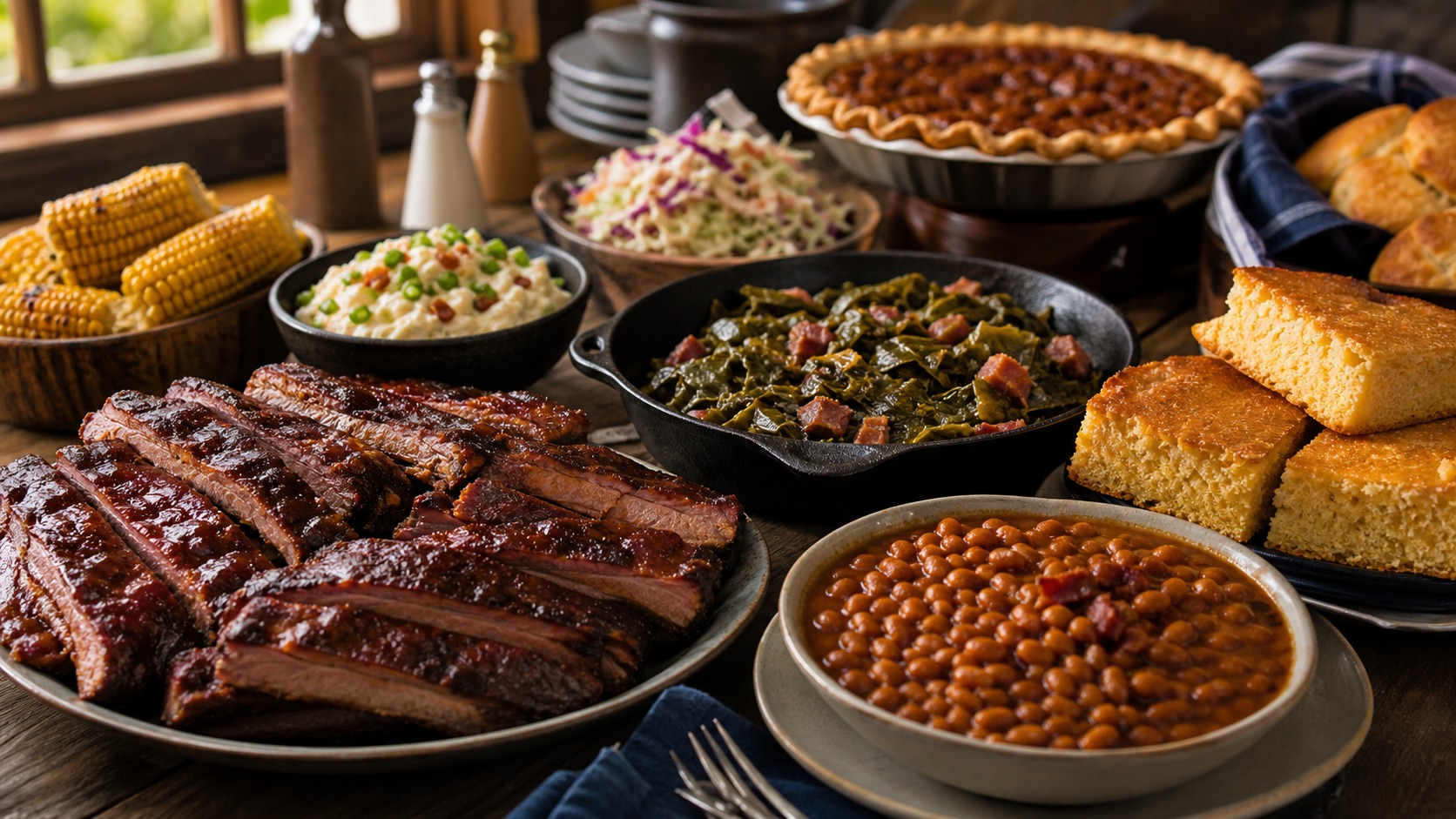
Different regions have developed distinct styles. Texas emphasizes beef brisket and simple seasonings. Kansas City is known for sweet and smoky sauces. Memphis specializes in ribs, while the Carolinas are famous for pulled pork and vinegar-based sauces.
Barbecue represents more than food. It is a social event that brings families and communities together around shared meals and traditions.
Its enduring popularity makes it one of America’s greatest culinary contributions.
New England Seafood Traditions
The coastal waters of New England have supported thriving seafood traditions for centuries. Lobster, clams, oysters, scallops, and cod remain central to the region’s cuisine.
Clam chowder is perhaps New England’s most famous dish. This creamy soup combines clams, potatoes, onions, and seasonings into a comforting meal that has become an American classic.
Lobster rolls, featuring fresh lobster meat served in a buttered bun, showcase the region’s appreciation for simple, ingredient-focused cooking.
These seafood traditions continue to define the culinary identity of the northeastern United States.
Classic American Burgers
The hamburger is one of the most recognizable foods in the world and a cornerstone of American cuisine.
While its origins involve influences from Europe, the modern hamburger developed in the United States and became a symbol of American dining. Ground beef patties served on buns with various toppings offer endless opportunities for customization.
From roadside diners to gourmet restaurants, burgers remain a favorite because they combine simplicity, flavor, and accessibility.
Their enduring popularity reflects the American talent for transforming humble ingredients into cultural icons.
Apple Pie: America’s Most Famous Dessert
Few foods are as closely associated with American identity as apple pie. Although pie-making traditions originated in Europe, Americans embraced the dessert and made it their own.
The abundance of apple orchards throughout the country contributed to its popularity. Warm spices, flaky crusts, and sweet-tart apples create a dessert that evokes comfort, nostalgia, and celebration.
Apple pie frequently appears during holidays, family gatherings, and community events, reinforcing its role as a symbol of American tradition.
Its reputation as a national favorite remains well deserved.
Soul Food and Its Lasting Influence
Soul food represents one of the most important culinary traditions in American history. Developed primarily within African American communities, soul food combines African culinary heritage with Southern ingredients and cooking methods.
Dishes such as fried chicken, collard greens, macaroni and cheese, cornbread, black-eyed peas, and peach cobbler have become beloved throughout the country.
Soul food reflects resilience, creativity, and cultural pride. Many recipes originated from efforts to create nourishing meals using limited resources, resulting in dishes that remain deeply satisfying and flavorful.
Its influence extends far beyond its origins and continues to shape American cuisine today.
Thanksgiving and America’s Food Traditions
No discussion of traditional American cuisine would be complete without mentioning Thanksgiving. This annual holiday centers around one of the nation’s most important culinary traditions.
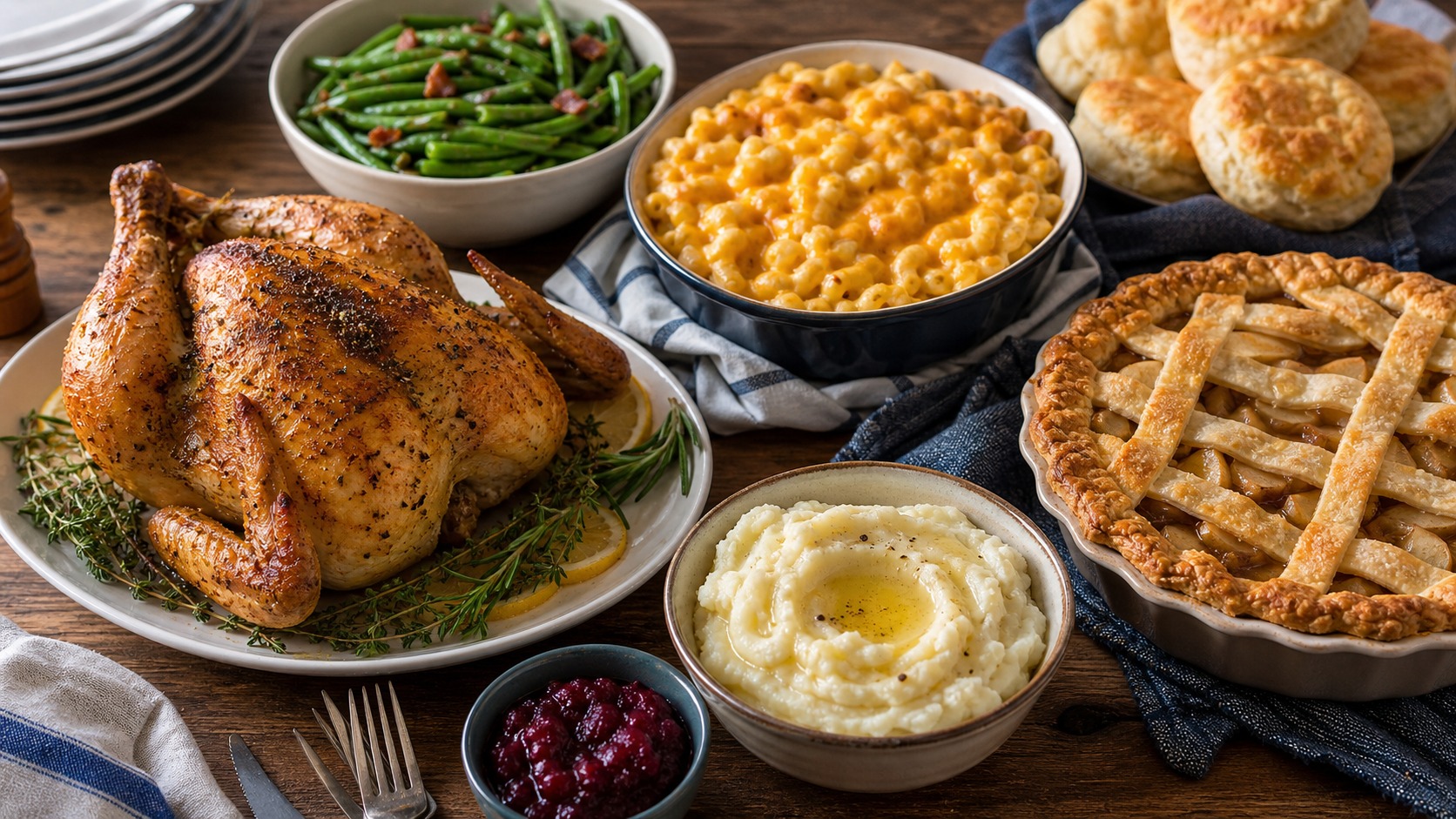
Roast turkey, stuffing, mashed potatoes, cranberry sauce, sweet potatoes, green bean casserole, and pumpkin pie form the foundation of many Thanksgiving meals.
These foods reflect a combination of Native American ingredients, colonial influences, and family traditions passed through generations.
The holiday highlights the importance of food as a means of bringing people together and celebrating shared experiences.
Regional Specialties Worth Exploring
American cuisine includes countless regional specialties that deserve recognition.
Chicago is famous for deep-dish pizza. Philadelphia is known for cheesesteaks. Louisiana contributes gumbo, jambalaya, and beignets. Maryland celebrates crab cakes, while Cincinnati offers its unique chili.
These regional dishes reflect local history, ingredients, and cultural influences. Exploring them provides a deeper appreciation for the diversity that defines American food.
Every region offers distinctive flavors and traditions that contribute to the nation’s culinary identity.
The Role of Diners in American Food Culture
Diners occupy a special place in American culinary history. These casual establishments became popular during the twentieth century and continue to serve as gathering places in communities across the country.
Classic diner menus often include pancakes, burgers, sandwiches, meatloaf, milkshakes, and pie. The emphasis is on comfort, affordability, and generous portions.
Diners represent the democratic spirit of American dining, welcoming people from all walks of life.
Their enduring popularity reflects the nation’s appreciation for simple, satisfying food.
American Desserts Beyond Apple Pie
While apple pie may be America’s most famous dessert, it is far from the only sweet tradition worth celebrating.
Brownies, chocolate chip cookies, cheesecake, pecan pie, red velvet cake, banana pudding, and key lime pie all occupy important places within American cuisine.
Many of these desserts originated through regional traditions or culinary experimentation and eventually achieved nationwide popularity.
Their diversity reflects the creativity and adaptability that characterize American cooking.
Why Traditional American Cuisine Continues to Evolve
One of the most remarkable aspects of American cuisine is its ability to evolve while preserving tradition. New immigrant communities continue contributing flavors, ingredients, and techniques that enrich the culinary landscape.
At the same time, classic dishes remain beloved because they provide comfort, familiarity, and cultural connection.
This balance between innovation and tradition ensures that American cuisine remains dynamic and relevant while honoring its roots.
The result is a food culture that constantly grows without losing its identity.
The Global Influence of American Food
American cuisine has influenced food culture around the world. Burgers, barbecue, fried chicken, and countless other dishes have achieved international popularity.
American restaurants can be found in nearly every country, while food trends originating in the United States often spread globally.
This influence reflects both the accessibility of American dishes and their ability to adapt to different cultures and tastes.
Despite their global reach, these foods remain deeply connected to the traditions that created them.
Final Thoughts
Traditional American cuisine is a remarkable reflection of the nation’s history, diversity, and creativity. Built upon Native American agricultural foundations and enriched by generations of immigrants, it encompasses an extraordinary range of flavors, ingredients, and culinary traditions.
From Southern fried chicken and slow-smoked barbecue to New England clam chowder, Midwestern comfort foods, and iconic desserts such as apple pie, American cuisine offers something for every palate. Its regional diversity, cultural richness, and enduring adaptability make it one of the world’s most fascinating food traditions.
Understanding traditional American cuisine means recognizing that it is not defined by a single dish or ingredient. Instead, it is a living collection of stories, recipes, and communities that continue to evolve while honoring the past. Whether enjoyed at a family gathering, a neighborhood diner, a backyard barbecue, or a holiday feast, traditional American foods remain powerful symbols of connection, comfort, and cultural identity that continue to bring people together around the table.