Best American Comfort Foods and the Stories Behind Them
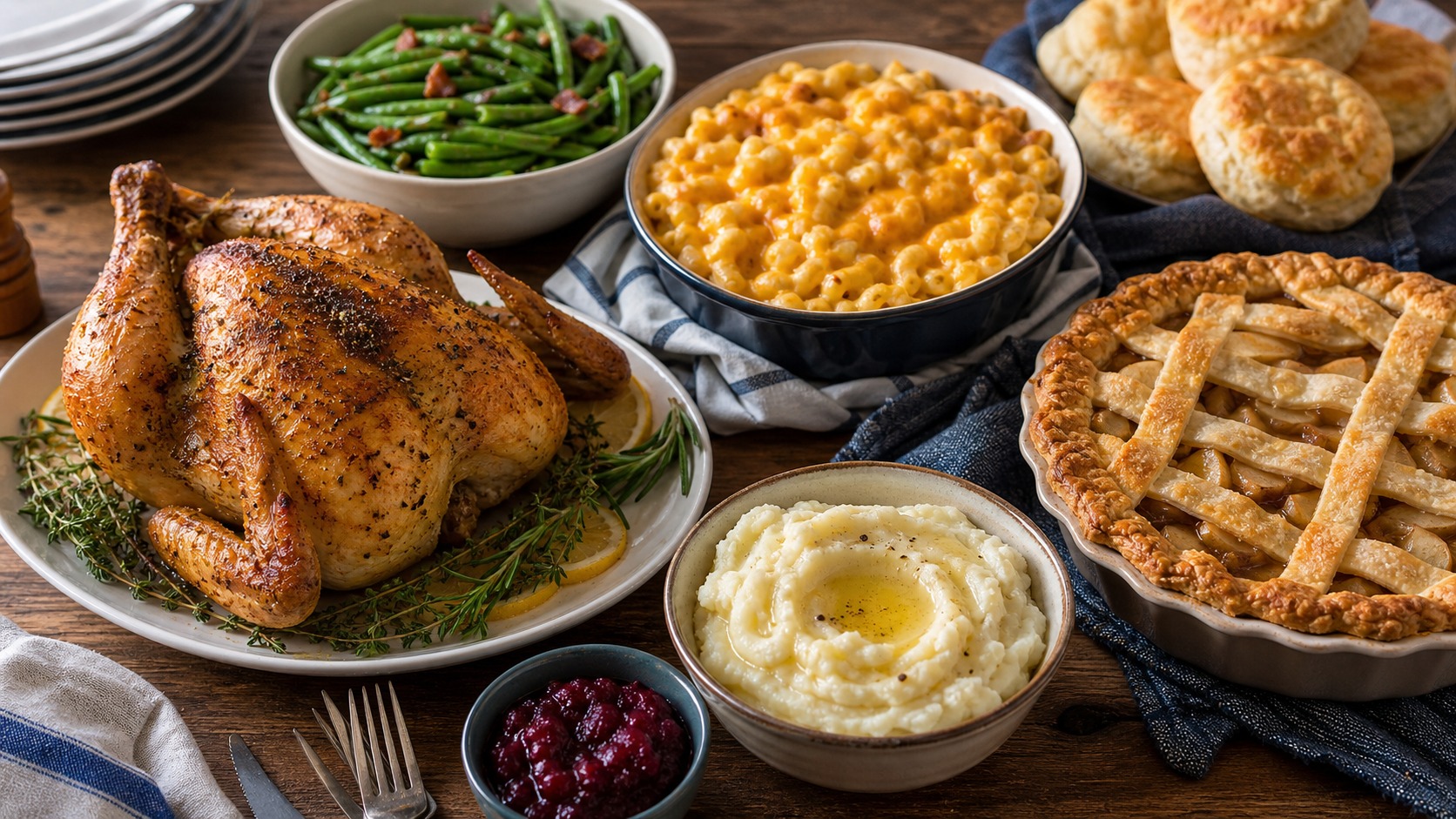
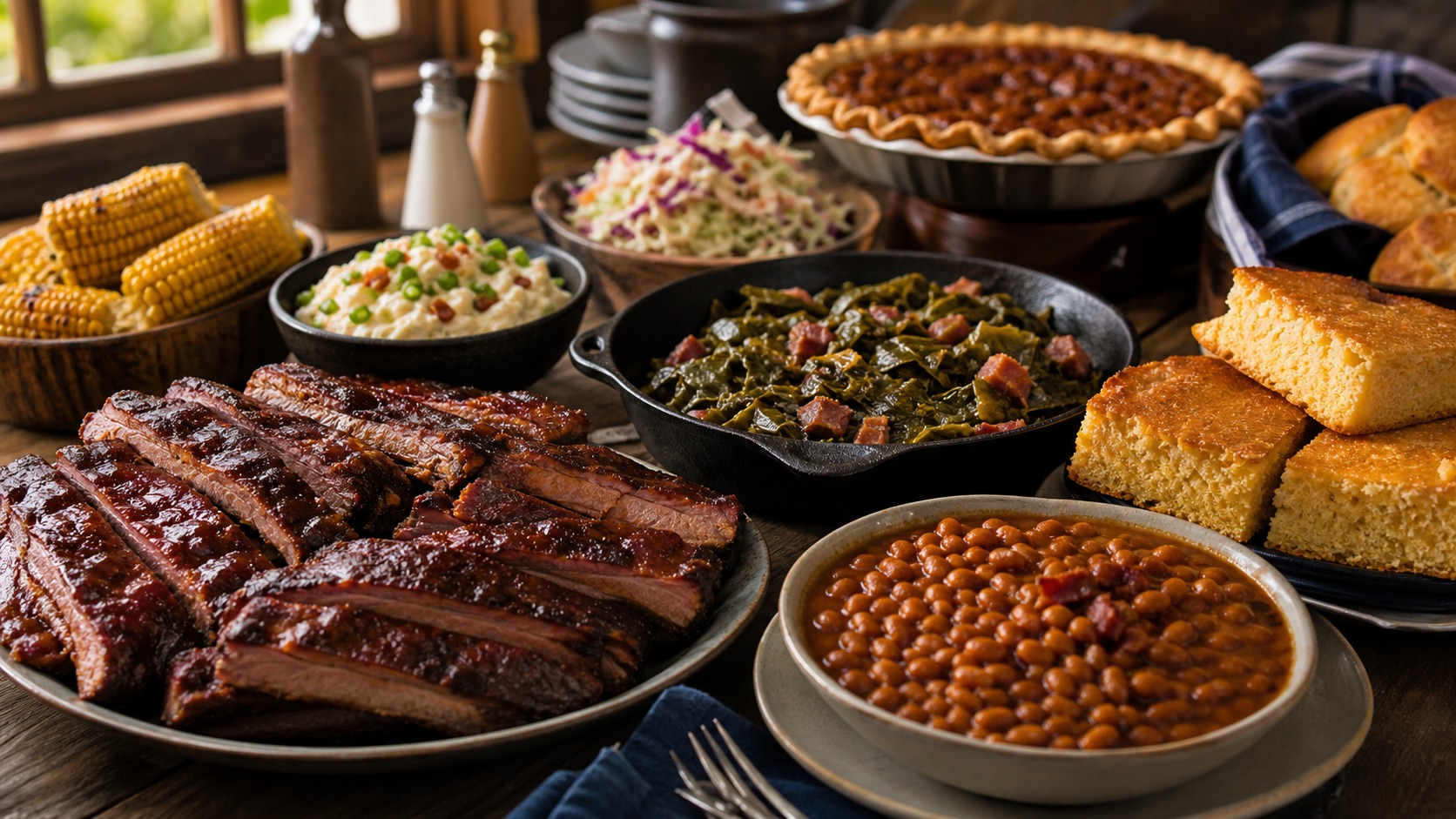
Few culinary traditions evoke warmth, nostalgia, and a sense of home quite like American comfort food. These beloved dishes are more than meals; they are cultural touchstones that connect generations, preserve family traditions, and tell the story of America’s diverse heritage. Whether served at holiday gatherings, Sunday dinners, neighborhood diners, or backyard cookouts, comfort foods have a unique ability to bring people together and create lasting memories. American comfort food reflects the nation’s rich history and cultural diversity. Native American ingredients, European cooking techniques, African culinary traditions, and immigrant influences have all contributed to the foods that Americans turn to when they seek familiarity and satisfaction. These dishes often originated during difficult times, when cooks had to make the most of available ingredients. Over generations, they evolved into treasured recipes that continue to define American cuisine. What makes comfort food so special is its emotional connection. The aroma of a simmering stew, the sight of a freshly baked pie, or the first bite of creamy macaroni and cheese can instantly transport people back to childhood kitchens, family celebrations, and cherished moments. These foods provide more than nourishment; they offer comfort, security, and a sense of belonging. This guide explores some of the best American comfort foods and the fascinating stories behind them, revealing how these iconic dishes became enduring symbols of American culture.
A: Fried chicken, mac and cheese, meatloaf, chicken pot pie, mashed potatoes, barbecue, clam chowder, chili, biscuits and gravy, and apple pie are favorites.
A: Many dishes are tied to childhood, family dinners, holidays, diners, potlucks, cookouts, and regional traditions.
A: Mac and cheese, chili, meatloaf, mashed potatoes, cornbread, pancakes, chicken soup, and apple crisp are approachable.
A: Potatoes, flour, corn, cheese, chicken, beef, pork, beans, rice, butter, milk, apples, and regional seasonings are common staples.
A: Mac and cheese, vegetable chili, cornbread, mashed potatoes, baked beans, squash casserole, potato soup, and apple pie are good options.
A: Barbecue, chili, casseroles, fried chicken, mac and cheese, potato salad, baked beans, pies, and sheet cakes work well.
A: Brown ingredients, season in layers, use real aromatics, add good stock or broth, and finish with butter, herbs, acid, or crisp toppings.
A: Apple pie, pecan pie, pumpkin pie, cobbler, brownies, chocolate chip cookies, banana pudding, and cheesecake are classics.
A: Add vegetables, use lean proteins, bake instead of fry, control portions, and keep flavor high with herbs, spices, and acid.
A: Make it warm, generous, well-seasoned, texturally satisfying, and connected to a story or memory.
What Makes a Food “Comfort Food”?
Comfort food is often defined less by ingredients and more by the feelings it creates. These are the dishes people crave during cold weather, stressful days, family gatherings, and celebrations. They are familiar, satisfying, and deeply connected to personal experiences.
Many comfort foods share common characteristics. They are often rich, hearty, and filling. They tend to feature simple ingredients transformed through slow cooking, baking, or other traditional methods. Most importantly, they carry emotional significance, reminding people of home, family, and tradition.
In America, comfort foods vary by region, but they all share a common purpose: providing warmth, satisfaction, and a sense of connection.
Macaroni and Cheese: America’s Ultimate Comfort Dish
Few foods embody comfort quite like macaroni and cheese. Creamy, cheesy, and endlessly satisfying, this beloved dish has become a staple in homes across the country.
The origins of macaroni and cheese can be traced back to European pasta dishes, but it became distinctly American through the efforts of Thomas Jefferson. After encountering pasta during his travels in Europe, Jefferson helped introduce macaroni dishes to the United States. Over time, American cooks adapted the recipe, creating the rich and creamy version that remains popular today.
Macaroni and cheese gained widespread popularity during the Great Depression because it was affordable, filling, and easy to prepare. Families could feed several people using simple pantry ingredients, making it an essential meal during difficult economic times.
Today, macaroni and cheese appears everywhere from family dinner tables to upscale restaurants, proving that comfort food can transcend generations and social boundaries.
Chicken Pot Pie: A Tradition Wrapped in Pastry
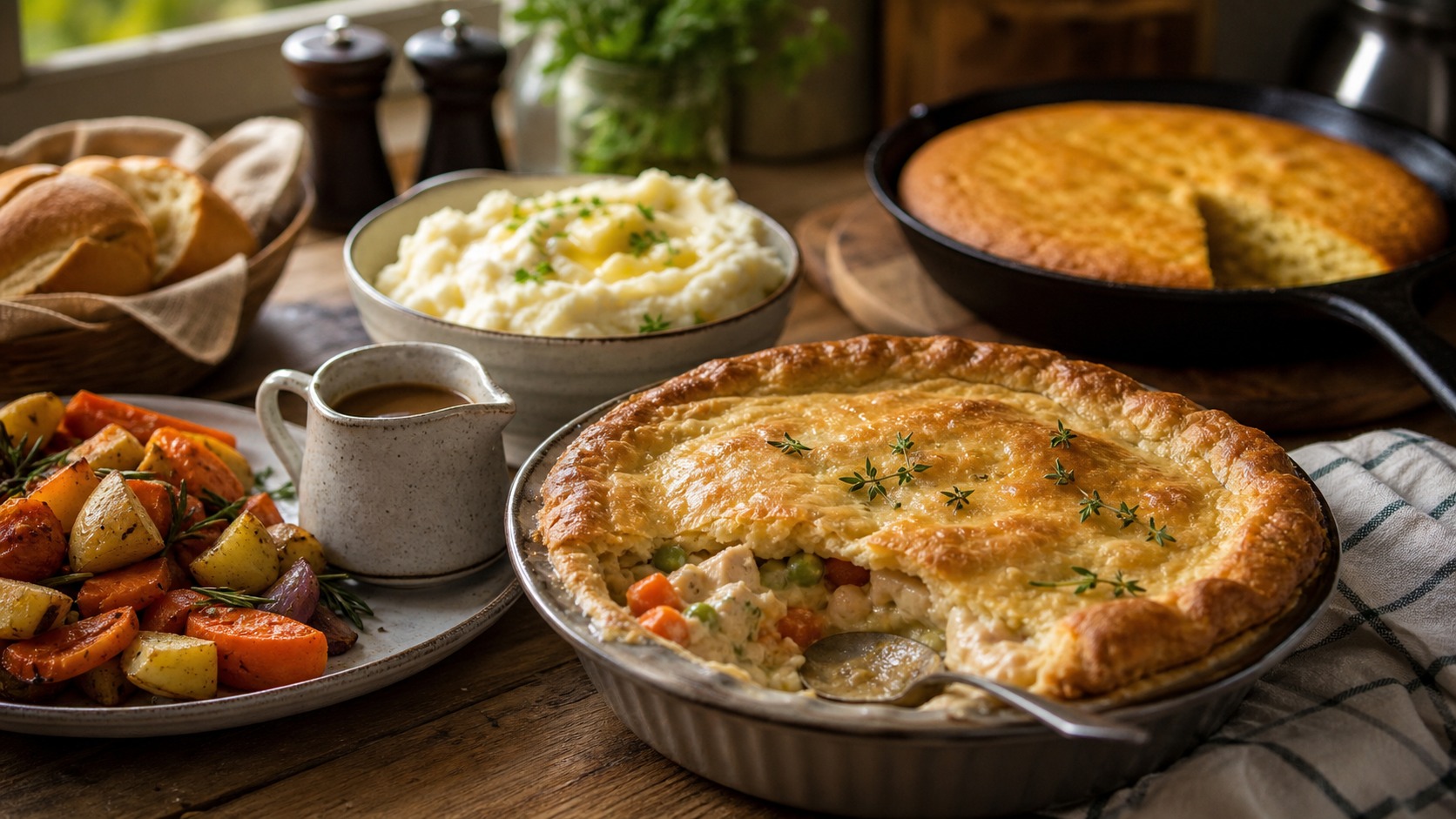
Chicken pot pie represents the perfect combination of practicality and indulgence. Tender chicken, vegetables, and savory gravy encased in a flaky crust create a meal that feels both hearty and comforting.
The dish has roots in European meat pies brought to America by early settlers. Over time, American cooks adapted these recipes using locally available ingredients. Pot pies became particularly popular because they allowed families to use leftovers efficiently while creating filling meals.
During harsh winters and challenging economic periods, chicken pot pie provided warmth and nourishment. Its ability to stretch ingredients while delivering rich flavor helped secure its place as a comfort food classic.
Today, the sight of a golden-brown pot pie emerging from the oven remains one of the most comforting images in American home cooking.
Meatloaf: A Symbol of Resourcefulness
Meatloaf has long been associated with family dinners and home-cooked comfort. Made from ground meat mixed with breadcrumbs, seasonings, and various other ingredients, it demonstrates the American talent for creating satisfying meals from simple components.
The dish became especially important during the Great Depression, when families needed economical ways to feed large households. Breadcrumbs and fillers helped extend meat supplies, allowing cooks to create substantial meals at lower cost.
Despite its humble origins, meatloaf evolved into a beloved classic. Different regions and families developed their own versions, incorporating unique seasonings, sauces, and cooking methods.
Its enduring popularity reflects the importance of practicality, creativity, and family tradition in American cuisine.
Fried Chicken: A Southern Comfort Food Icon
Fried chicken occupies a special place in American culinary history. Crispy on the outside and juicy on the inside, it has become one of the nation’s most beloved comfort foods.
The dish emerged through the blending of Scottish frying techniques and African seasoning traditions. Enslaved African cooks played a significant role in refining and popularizing fried chicken throughout the American South.
Over time, fried chicken became synonymous with Southern hospitality and family gatherings. It appeared at church picnics, holiday celebrations, and Sunday dinners, earning its place as a cultural icon.
Its combination of flavor, texture, and history makes fried chicken one of America’s most cherished dishes.
Biscuits and Gravy: A Hearty Southern Breakfast
Biscuits and gravy may seem simple, but it tells a powerful story about resilience and resourcefulness. This Southern breakfast staple consists of fluffy biscuits topped with creamy sausage gravy.
The dish gained popularity in the Appalachian region and throughout the South during the nineteenth century. Farmers and laborers needed affordable, filling breakfasts that could sustain them through long workdays. Flour, milk, and sausage were readily available ingredients, making biscuits and gravy an ideal solution.
Today, the dish remains a favorite at diners, restaurants, and family breakfast tables. Its rich flavor and satisfying nature continue to make it one of America’s most beloved comfort foods.
Chicken and Dumplings: A Bowl of Tradition
Chicken and dumplings is the kind of meal that instantly evokes images of family kitchens and Sunday dinners. Tender chicken simmered in broth with soft dumplings creates a dish that feels comforting from the first spoonful.
The recipe evolved from European dumpling traditions but became uniquely American through regional adaptations. Southern cooks, in particular, embraced the dish because it stretched ingredients while providing a hearty meal.
During difficult times, chicken and dumplings offered nourishment and comfort without requiring expensive ingredients. Its simplicity and versatility helped it remain a household favorite for generations.
Even today, many families consider chicken and dumplings the ultimate comfort food.
Mashed Potatoes: The Side Dish That Became a Star
Mashed potatoes are often viewed as a supporting player, but their importance in American comfort food cannot be overstated.
Potatoes became widely cultivated throughout the United States during the nineteenth century, providing an affordable and reliable food source. Mashed potatoes quickly gained popularity because they were easy to prepare and paired well with countless main dishes.
Whether served with roast turkey, meatloaf, fried chicken, or pot roast, mashed potatoes provide a creamy and satisfying complement that enhances nearly any meal.
Their enduring appeal lies in their simplicity and ability to evoke feelings of home and family.
Pot Roast: Sunday Dinner at Its Finest
For generations, pot roast has been the centerpiece of countless American family dinners. This slow-cooked dish transforms tough cuts of beef into tender, flavorful meals through patience and skill.
Pot roast became popular because it allowed families to make economical use of less expensive cuts of meat. Slow cooking created rich flavors while producing enough food to feed large households.
The aroma of pot roast simmering for hours has become synonymous with comfort and anticipation. It represents the tradition of gathering around the dinner table to share a meal and connect with loved ones.
Few dishes better capture the essence of American home cooking.
New England Clam Chowder: Comfort from the Coast
Clam chowder is one of America’s most famous soups and a defining comfort food of New England.
Originating in coastal fishing communities, the dish combines clams, potatoes, onions, cream, and seasonings into a rich and satisfying meal. It reflects the region’s maritime heritage and reliance on local seafood.
For generations, fishermen and their families depended on chowder as a hearty source of nourishment during cold Atlantic winters. Its warming qualities and rich flavor helped establish it as a beloved regional specialty.
Today, clam chowder remains a must-try dish for anyone exploring traditional American comfort foods.
Mac and Cheese Meets Modern America
One reason comfort foods endure is their ability to evolve. Macaroni and cheese provides an excellent example.
While traditional versions remain popular, modern chefs have created countless variations featuring lobster, smoked bacon, truffle oil, gourmet cheeses, and other premium ingredients. Despite these innovations, the essence of the dish remains unchanged.
The ability to adapt while preserving emotional connections is one reason comfort foods continue to thrive.
Macaroni and cheese proves that even the simplest dishes can remain relevant across generations.
Apple Pie: America’s Most Comforting Dessert
No discussion of American comfort food would be complete without apple pie. This iconic dessert has become a symbol of home, tradition, and national identity.
Although pie-making traditions arrived with European settlers, America’s abundance of apple orchards helped transform apple pie into a cultural institution. Families across the country developed cherished recipes passed down through generations.
The combination of tender apples, warm spices, and flaky crust creates a dessert that feels both familiar and celebratory. Whether served during holidays or everyday meals, apple pie continues to evoke powerful feelings of comfort and nostalgia.
Its status as a national treasure remains well deserved.
Why Comfort Foods Matter
Comfort foods occupy a unique place in American culture because they provide more than physical nourishment. They preserve family histories, strengthen community bonds, and create emotional connections that endure throughout life.
Many comfort foods originated during periods of hardship, when families had to maximize limited resources. The recipes that emerged from those challenges became treasured traditions because they represented resilience, creativity, and care.
Even as society changes, comfort foods remain constant reminders of shared experiences and cultural heritage.
Their enduring popularity reflects the universal human desire for connection, familiarity, and belonging.
Regional Variations Create Culinary Diversity
One of the most fascinating aspects of American comfort food is its regional diversity. Southern states embrace fried chicken, biscuits, and grits. New England celebrates chowders and seafood stews. The Midwest is known for casseroles and hearty meat dishes, while the Southwest incorporates bold flavors and unique ingredients.
These regional specialties reflect local histories, agricultural traditions, and cultural influences. Together, they create a rich culinary landscape that showcases the diversity of American food culture.
Exploring regional comfort foods offers valuable insight into the communities that created them.
Comfort Foods in Modern America
Despite changing food trends and growing interest in global cuisines, comfort foods remain as popular as ever. Restaurants, food trucks, and home cooks continue finding new ways to celebrate classic recipes while introducing creative variations.
Social media has helped revive interest in traditional dishes, while chefs increasingly highlight regional specialties and family recipes. Comfort food has become both nostalgic and contemporary, appealing to diners seeking authenticity and emotional connection.
Its enduring relevance demonstrates the timeless appeal of familiar flavors and meaningful traditions.
Final Thoughts
The best American comfort foods and the stories behind them reveal far more than culinary preferences. They tell the story of a nation shaped by diverse cultures, regional traditions, family values, and remarkable resilience. From macaroni and cheese and fried chicken to pot roast, chicken and dumplings, and apple pie, these dishes have nourished generations while creating lasting memories.
What makes comfort food truly special is its ability to connect people across time and place. A single bite can evoke childhood memories, family gatherings, holiday celebrations, and moments of joy shared around the dinner table. These foods remind us that cooking is not just about sustenance; it is about preserving traditions, expressing care, and bringing people together.
As American cuisine continues to evolve, these beloved comfort foods remain at its heart. Their stories, flavors, and emotional significance ensure that they will continue warming hearts and satisfying appetites for generations to come.