Protein-Rich Breakfasts That Carry the Morning
High-protein breakfast recipes are helpful because they make the morning feel less like a sprint from caffeine to hunger. Protein supports fullness, steadier energy, and a more satisfying first meal, especially when paired with fiber, fruit, vegetables, or whole grains. The best high-protein breakfasts are not just piles of eggs or powders. They are real meals with texture and flavor: egg muffins, yogurt bowls, breakfast burritos, cottage cheese toast, savory oats, protein pancakes, tofu scrambles, and smoothies that keep you full past the first hour of the day.
A: Eggs, Greek yogurt, cottage cheese, tofu, beans, or protein-rich smoothies paired with fiber make strong options.
A: Needs vary, but many people feel better when breakfast includes a clear protein source.
A: Yes. Cook it with milk and add yogurt, nuts, seeds, nut butter, or protein powder if desired.
A: They can be when they include protein, fiber, and fat instead of only fruit juice.
A: Greek yogurt bowls, cottage cheese toast, boiled eggs, and smoothies are very quick.
A: Yes. Use tofu, beans, soy yogurt, hummus, nut butter, seeds, and chickpea flour.
A: Prep components like egg cups, burritos, yogurt portions, fruit, potatoes, and sauces.
A: You may need more fiber, carbohydrates, fat, or total food volume.
A: Add sauces, herbs, fruit, citrus, salsa, avocado, or crunchy toppings.
A: No. Yogurt, oats, smoothies, pancakes, and cottage cheese bowls can be sweet and protein-rich.
Protein Works Best With Partners
Protein matters, but it works better when the rest of the plate helps. Eggs with fruit and toast feel steadier than eggs alone. Greek yogurt with berries and granola is more satisfying than a plain cup of yogurt. A breakfast burrito with beans, eggs, vegetables, and salsa brings protein, fiber, and flavor together.
Think of protein as the anchor, not the whole meal. Add color, crunch, and a carbohydrate that gives usable energy. That combination is what makes breakfast last.
Egg-Based Recipes With More Staying Power
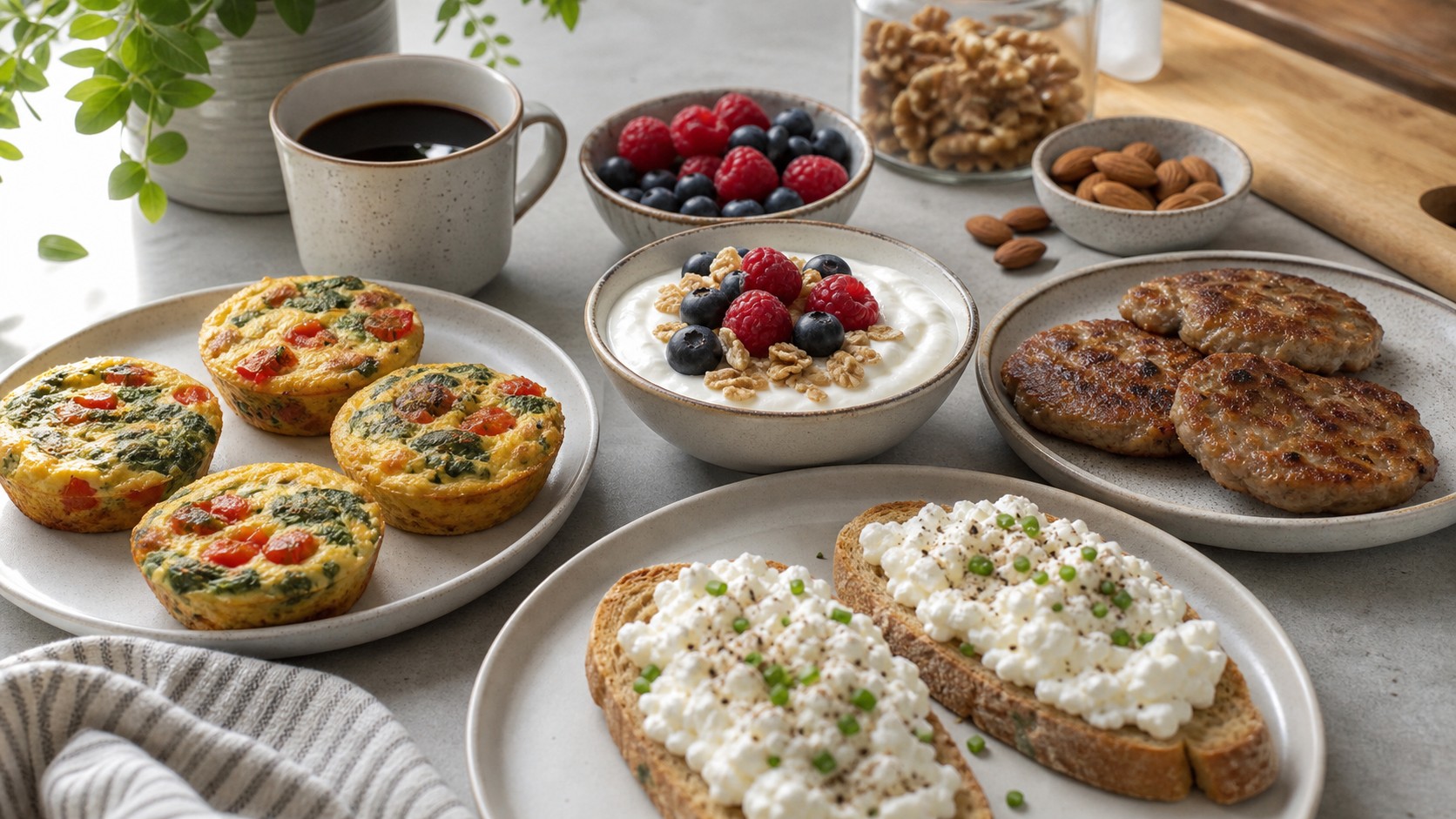
Eggs are the classic high-protein breakfast because they cook quickly and adapt to many flavors. Make egg muffins with spinach and feta, omelets with mushrooms, breakfast tacos with beans, frittata squares with potatoes, or soft-boiled eggs with avocado toast. The protein is familiar, but the format can change all week. For meal prep, bake a frittata or egg cups and reheat portions gently. Pair them with fruit, toast, or roasted potatoes so breakfast feels complete rather than sparse.
Greek Yogurt Bowls That Stay Interesting
Greek yogurt is high in protein and requires no cooking, which makes it ideal for busy mornings. Build bowls with berries, banana, apples, citrus, oats, granola, chia, nuts, seeds, cinnamon, or a spoonful of nut butter. For a savory bowl, add cucumber, tomatoes, olive oil, herbs, and toast.
The key is texture. Creamy yogurt needs crunch and fruit to feel like a meal. Keep toppings varied so the breakfast does not become repetitive by Wednesday.
Cottage Cheese Comeback Breakfasts
Cottage cheese is useful because it works sweet, savory, hot, or cold. Spoon it onto toast with tomatoes and pepper, pair it with berries and honey, blend it into pancakes, or serve it beside eggs and fruit. Its mild flavor makes it easy to adapt. If the texture is not your favorite, blend it into smoothies, pancake batter, or dips. You still get the protein without the curds being the main event.
Breakfast Burritos and Wraps
High-protein breakfast burritos can be made with eggs, beans, turkey sausage, tofu scramble, cheese, potatoes, vegetables, or leftover chicken. Wraps are practical because they travel, freeze, and reheat well. Add salsa or hot sauce after reheating for freshness.
To avoid soggy burritos, let fillings cool slightly before wrapping and keep watery sauces separate. A well-built burrito can be one of the most reliable high-protein breakfasts for busy weeks.
Protein Oats and Warm Bowls
Oats can become higher in protein with milk, Greek yogurt, cottage cheese, protein powder, chia, nuts, seeds, or nut butter. Stir in the protein thoughtfully so texture stays pleasant. For savory oats, add eggs, tofu, beans, greens, or turkey sausage. Warm bowls are especially good in colder months because they feel comforting while still supporting energy. Add fruit or vegetables so the bowl does not become one-note.
Smoothies With Real Staying Power
A high-protein smoothie should include more than fruit. Use Greek yogurt, milk, soy milk, cottage cheese, silken tofu, nut butter, chia, oats, or a protein powder you enjoy. Add frozen fruit for thickness and greens if they do not overpower the flavor.
If smoothies leave you hungry, make them thicker and eat them with a spoon, or pair them with toast or eggs. The goal is breakfast, not just a sweet drink.
Plant-Forward Protein Options
High-protein breakfast does not have to revolve around meat. Tofu scrambles, beans, lentils, edamame, hummus toast, soy yogurt, nut butter, seeds, and chickpea flour pancakes can all contribute. Pair plant proteins with grains, vegetables, and sauces for more satisfying meals. Flavor matters. Tofu needs seasoning, beans like salsa or herbs, and chickpea pancakes benefit from vegetables and yogurt sauce. Plant-based protein breakfasts are strongest when treated like real recipes, not substitutions.
Meal Prep for Protein Without Boredom
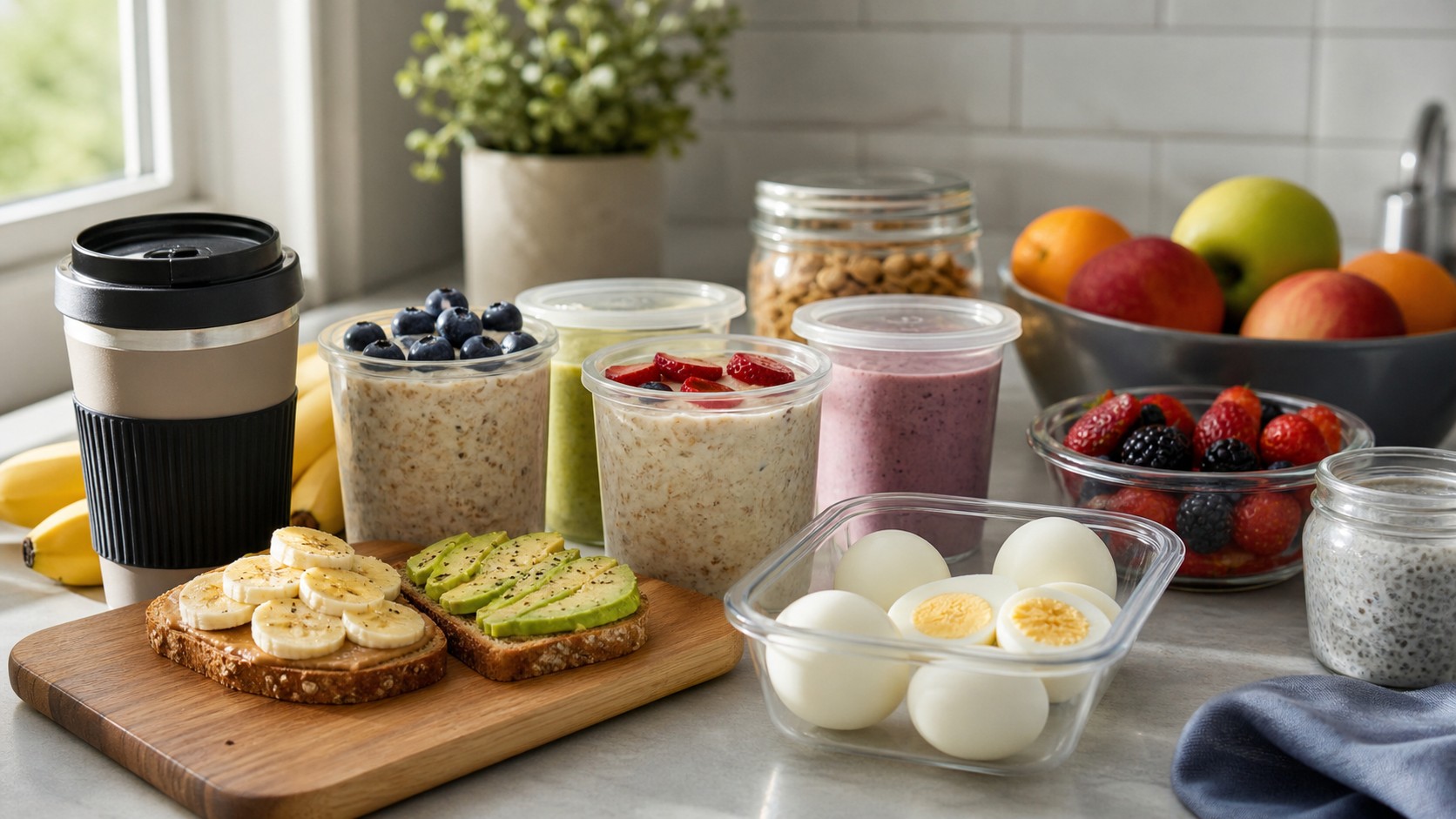
Prep components instead of identical breakfasts when possible. Make egg muffins, cook turkey patties, wash fruit, portion yogurt, roast potatoes, or freeze burritos. Then mix and match through the week. A little variety keeps high-protein eating from feeling rigid.
Change sauces and toppings: salsa one day, pesto another, fruit and nuts the next. Protein can be consistent while the flavor changes.
Protein Breakfasts for Different Appetites
If you like small breakfasts, try a boiled egg with fruit, cottage cheese toast, yogurt with berries, or a smoothie. If you need something hearty, choose burritos, frittata with potatoes, breakfast bowls, tofu scrambles, or turkey sausage with eggs. High-protein breakfast should fit your appetite, not force a giant meal. Some people prefer savory protein early, while others need something sweet. Both can work. The important part is that breakfast feels satisfying enough to prevent a quick crash.
Avoid the Dry Protein Trap
High-protein meals can become dry or heavy if they lack freshness. Add salsa, yogurt sauce, fruit, greens, tomatoes, citrus, avocado, or herbs. Moisture and brightness make protein-rich food easier to enjoy.
This is especially important for meal prep. Reheated eggs, turkey patties, tofu, or burritos need a fresh element. A sauce or fruit side can make yesterday’s prep taste like today’s breakfast.
Lasting Energy Comes From the Whole Plate
Protein is a powerful start, but lasting energy comes from balance. Pair it with fiber, produce, and enough enjoyable flavor to make the meal repeatable. Breakfast should support the morning without making food feel like math. When high-protein recipes are practical and genuinely good, they become easy to keep in rotation. That consistency is what helps energy feel steadier over time.
High-Protein Breakfasts for Training Days
On active mornings, a protein-rich breakfast may need more carbohydrate alongside it. Eggs with toast and fruit, Greek yogurt with oats, a breakfast burrito, or a smoothie with banana and nut butter can all support movement better than protein alone. The goal is energy that is available, not a breakfast that feels heavy.
After exercise, many people do well with protein plus fluids and something colorful. A yogurt bowl, egg sandwich, tofu scramble, or cottage cheese toast can help the meal feel restorative rather than random.
High-Protein Breakfasts for Desk Mornings
Desk mornings often need food that keeps hunger steady without making you sleepy. Greek yogurt, boiled eggs, cottage cheese bowls, egg muffins, smoked salmon toast, or tofu scramble with vegetables can work well. Add fruit, greens, or whole grains so the meal has balance. If breakfast happens at work, pack components separately. Keep granola away from yogurt, toast away from wet toppings, and sauces in small containers. Texture matters even when the meal is practical.
Use Flavor Families to Avoid Repetition
The same protein can taste completely different when the flavor family changes. Eggs can go Mediterranean with feta and herbs, Tex-Mex with beans and salsa, or cozy with potatoes and cheddar. Yogurt can be berry-almond, apple-cinnamon, citrus-pistachio, or savory cucumber-herb. Tofu can be curry-spiced, smoky, or sesame-ginger.
This keeps high-protein breakfast from becoming a chore. Variety does not require new methods every day; it can come from seasonings, sauces, and toppings.
Know When Convenience Helps
Convenience foods can support high-protein breakfasts when chosen well. Pre-cooked eggs, plain Greek yogurt cups, cottage cheese, frozen turkey patties, protein-rich waffles, canned beans, smoked salmon, or tofu can shorten the morning. Pair them with fresh food so the plate still feels alive. The goal is not to prove effort. The goal is to eat a breakfast that works. A convenient protein with fruit and toast is often better than an ambitious plan that never happens.
Make Protein Comfortable, Not Extreme
High-protein does not need to mean oversized portions or one-note meals. It means including a meaningful protein source in a breakfast you enjoy. If the meal feels too heavy, lighten it with fruit or greens. If it feels too small, add toast, oats, potatoes, or beans.
Comfort matters because repeatability matters. A high-protein breakfast you can eat happily twice a week is more useful than an extreme breakfast you abandon by Friday.
Protein for People Who Prefer Sweet Breakfast
Sweet breakfasts can still be protein-rich. Use Greek yogurt in parfaits, cottage cheese in pancakes, milk in oats, nut butter on toast, chia in pudding, or protein powder in a smoothie if you like it. Add fruit and crunch so the meal feels complete. The goal is not to force eggs on every morning. A sweet breakfast with enough protein can be just as useful when it leaves you satisfied.
Protein for People Who Prefer Savory Breakfast
Savory breakfast has many protein options: eggs, tofu, beans, turkey, salmon, cottage cheese, hummus, cheese, lentils, and chicken leftovers. Build them into tacos, bowls, toast, scrambles, or wraps. Add vegetables and a sauce so the meal tastes like breakfast instead of plain protein.
Savory breakfasts are especially helpful for people who do not enjoy sweet food early. They can feel grounded, warm, and meal-like.
Check Texture After Reheating
Meal-prepped protein can suffer if texture is ignored. Eggs can turn rubbery, turkey patties can dry out, burritos can get soggy, and tofu can lose crispness. Reheat gently and add fresh elements afterward. A spoonful of salsa, yogurt sauce, avocado, fruit, or herbs can revive the plate. Texture is often the difference between a breakfast you planned and one you actually want to eat.
Use Protein to Reduce Morning Snacking
If you find yourself hungry soon after breakfast, protein may help, especially with fiber. Try yogurt with oats, eggs with toast, beans in a burrito, cottage cheese with fruit, or tofu with potatoes. The goal is not to avoid snacks at all costs, but to make hunger feel less urgent.
A breakfast that carries you farther can make the morning feel calmer and less reactive.
Protein Breakfasts for Families
High-protein breakfasts can work for families when the base is flexible. Set out eggs, yogurt, toast, fruit, cheese, beans, or breakfast patties and let each person build a plate. Children might choose yogurt and fruit while adults add eggs or savory toppings. The shared ingredients keep breakfast efficient. For school mornings, protein does not need to be elaborate. A boiled egg, yogurt pouch, cheese toast, bean taco, or smoothie with milk can make breakfast more filling. The point is consistency, not a perfect plate.
Protein and Flavor Should Arrive Together
Plain protein rarely creates excitement. Add salsa to eggs, cinnamon to yogurt, lemon to salmon, herbs to cottage cheese, or fruit to smoothies. Flavor makes protein feel like food rather than a requirement.
When protein-rich breakfasts taste good, they stop feeling like discipline and start feeling like a dependable morning preference.
Keep a Protein Backup
Keep one backup for mornings when the plan fails: Greek yogurt, boiled eggs, cottage cheese, protein-rich waffles, tofu, smoked salmon, or beans. A backup prevents the high-protein habit from depending on ideal conditions.