A Good Oil and Vinegar Shelf Makes Food Easier to Finish
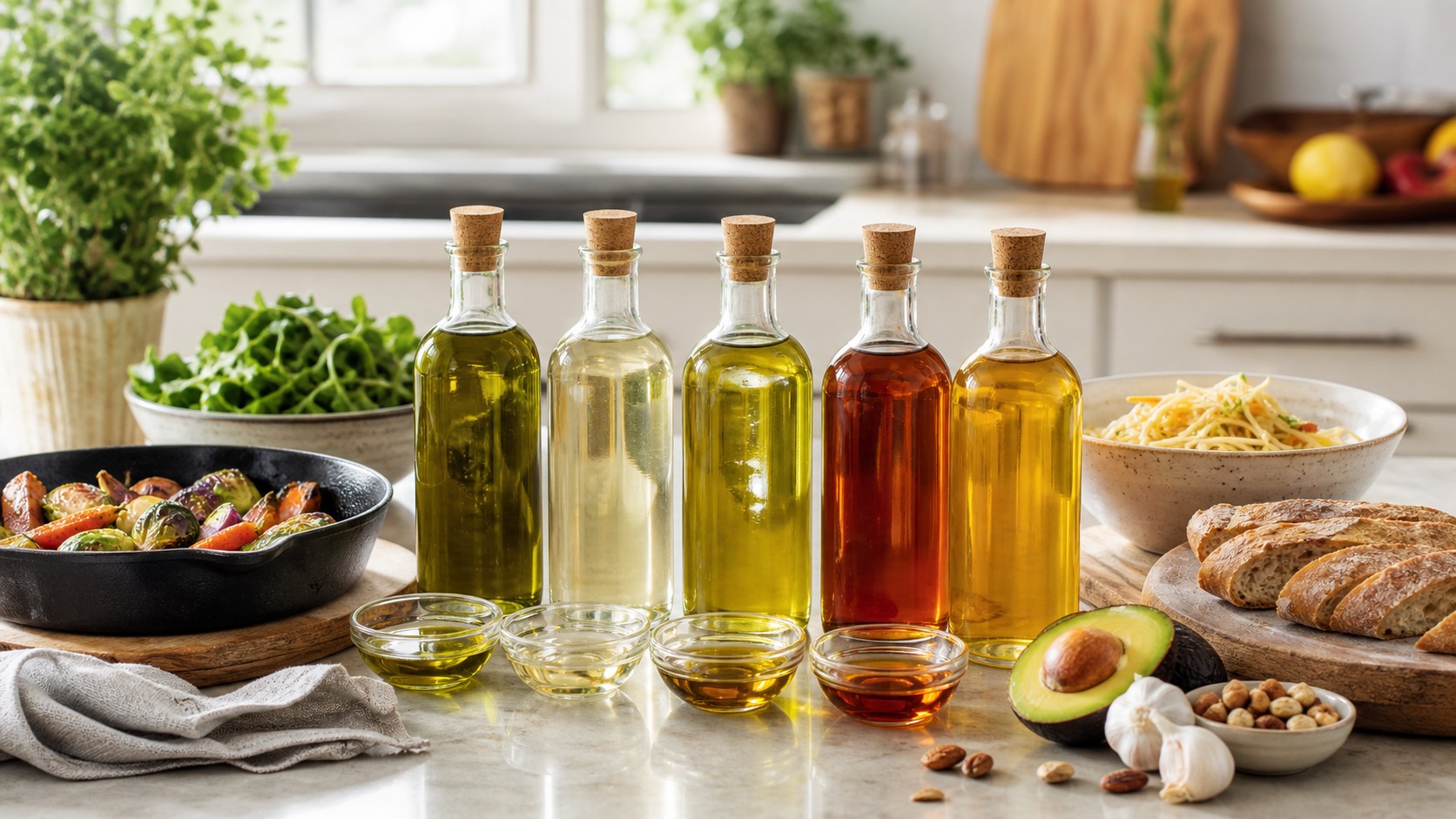
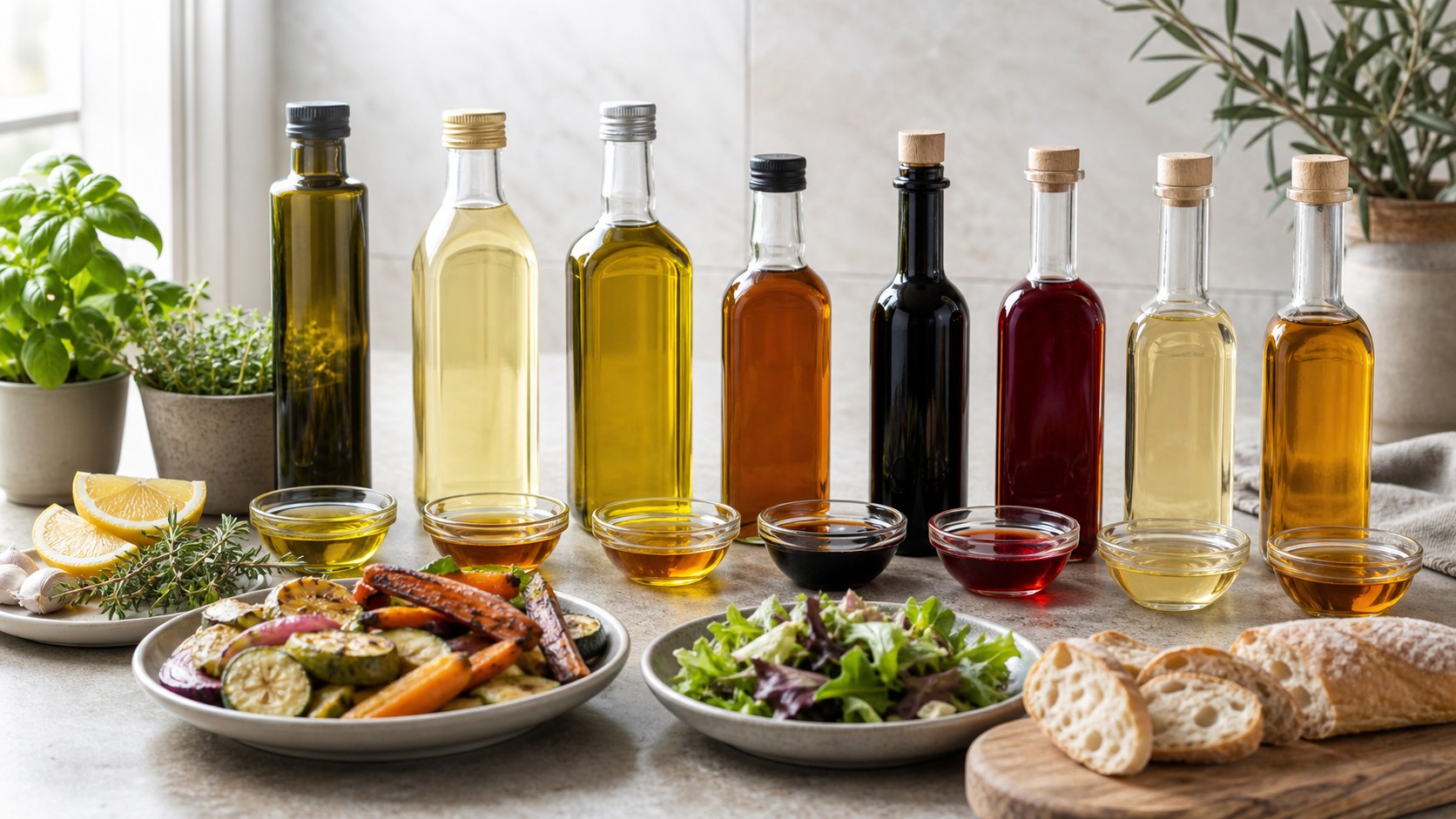
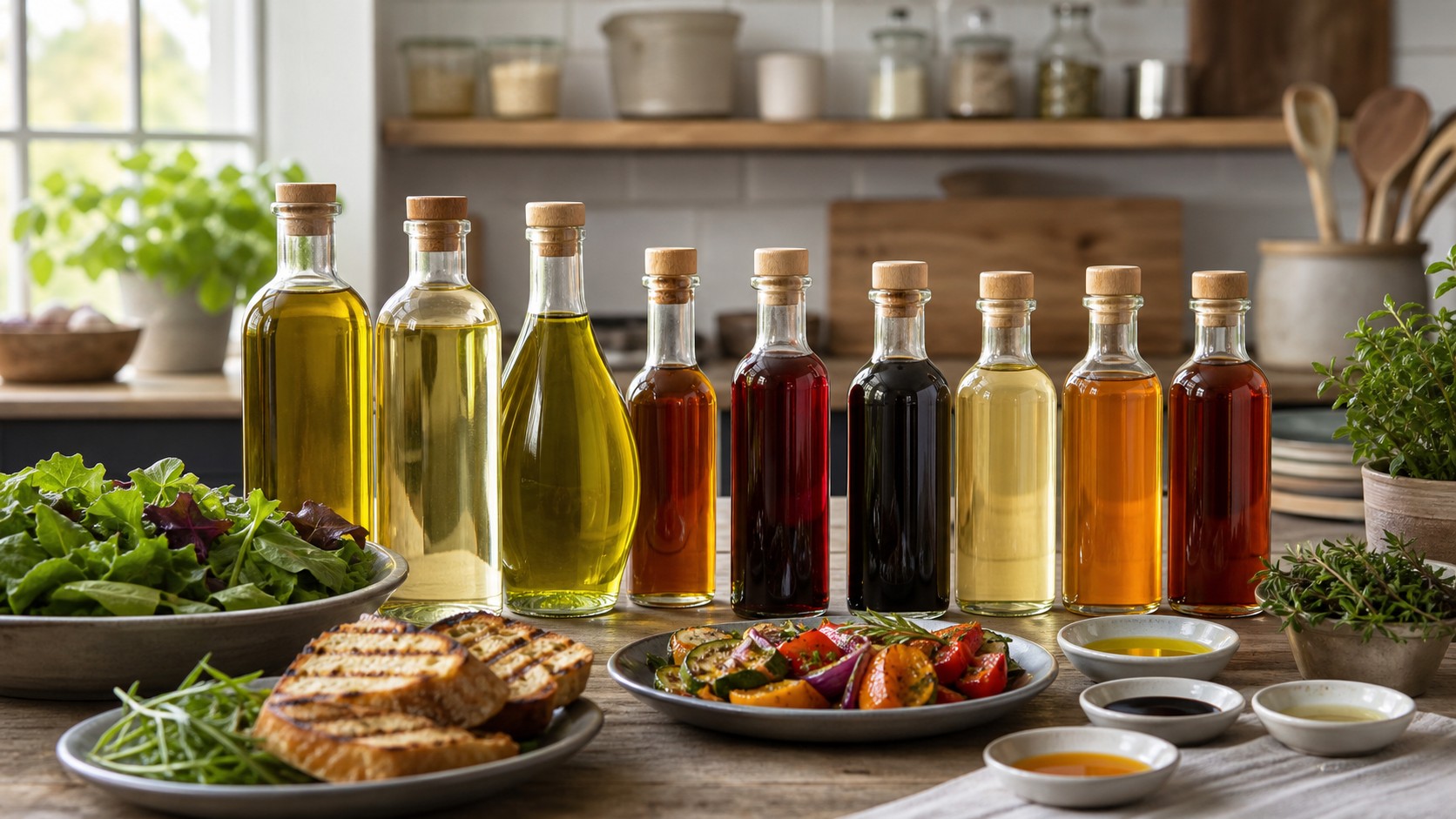
The best oils and vinegars every home cook should know are the bottles that earn their space repeatedly. They help you roast, saute, sear, dress, marinate, pickle, finish, and balance food without hesitation. A smart pantry does not need twenty specialty bottles. It needs a few dependable oils for heat and flavor, plus vinegars that bring different kinds of acidity. With the right set, salads taste brighter, vegetables brown better, beans wake up, sauces sharpen, bread gets a simple starter, and leftovers become easier to revive.
A: Start with extra virgin olive oil and a neutral oil.
A: Red wine vinegar, apple cider vinegar, rice vinegar, and balsamic cover many needs.
A: It is useful if you want a mild oil for higher-heat cooking.
A: Usually no; it is best used as a finishing flavor oil.
A: Three to five useful vinegars are enough for most home cooks.
A: Olive oil is classic, but neutral oil can soften strong dressings.
A: Apple cider vinegar or rice vinegar often works well.
A: Keep them tightly closed, cool, and away from light and heat.
A: Match intensity and flavor to the food, then taste and adjust.
A: Only if you use them fresh where their flavor can be noticed.
Start With Extra Virgin Olive Oil
Extra virgin olive oil is the first oil most home cooks should understand because it can work in so many places without feeling like a compromise. It can become the base of a vinaigrette, soften garlic in a skillet, carry herbs through a sauce, enrich beans, gloss roasted vegetables, finish soup, and make bread feel like an appetizer. Its flavor is not one fixed thing. Some bottles taste grassy and peppery, some taste fruity, some are buttery and soft, and some are mild enough for everyday cooking. Learning the difference helps you choose a bottle for the food instead of using olive oil automatically.
A dependable pantry usually needs an everyday olive oil before it needs a rare finishing bottle. The everyday bottle should taste clean, work in dressings, and tolerate moderate cooking. The finishing bottle, if you keep one, should be used where its aroma will be noticed: over tomatoes, white beans, grilled bread, roasted peppers, soup, mozzarella, fish, or warm vegetables. Saving the special oil forever is a common mistake. Olive oil fades with time, heat, light, and air, so the best use for a good bottle is actual food.
Taste a new olive oil plainly before assigning it a job. Dip bread into it, drizzle it over warm beans, or whisk a spoonful into a simple lemon dressing. If it is assertive and peppery, use it where boldness helps. If it is mild, let it handle everyday dressings and cooking. Once you know the personality of the bottle, olive oil stops being a generic fat and becomes a seasoning choice.
Keep a Neutral Oil for Heat and Flexibility
A neutral oil matters because some dishes need fat, heat transfer, and browning without extra flavor. Canola, vegetable, sunflower, safflower, grapeseed, rice bran, or another mild oil can be useful for searing, frying, baking, skillet cooking, spice blooming, mayonnaise, pancakes, cakes, and dressings where another ingredient should lead. It gives the cook flexibility. You can brown potatoes without making them taste peppery, bake a cake without adding olive-oil bitterness, or fry a cutlet without making the crust compete with the sauce.
Choose the neutral oil around your habits. If you fry often, price and heat tolerance matter because you will use more of it. If you bake, mildness matters more than personality. If you mostly need a backup for hot skillets, a moderate bottle is enough. The best neutral oil is not the trendiest one; it is the one that stays fresh, fits your budget, and does the quiet jobs you actually have.
Freshness still matters even when flavor is supposed to be quiet. Stale oil can make fried food smell tired, give cakes a dull aftertaste, or make roasted vegetables seem heavy. Buy a size you can use within a reasonable time, keep the cap tight, and store the bottle away from the stove. If you reuse frying oil, strain it only when it still smells clean and has not darkened or absorbed strong flavors. Neutral oil should stay in the background, not bring old flavor forward.
A mild higher-heat oil also gives you confidence. When you know which bottle belongs in the skillet and which bottle belongs on finished food, you stop hesitating at the stove. That clarity makes weeknight cooking faster because oil choice becomes part of the rhythm rather than another decision to fuss over.
Add One or Two Flavor Oils
Flavor oils are worth keeping only when they match the meals you cook often. Toasted sesame oil brings deep aroma to noodles, rice, cucumber salads, dumpling sauces, soups, and stir-fries. Chili oil adds heat, color, and sometimes crunchy toasted bits. Walnut or hazelnut oil can be beautiful with bitter greens, apples, pears, cheese, lentils, or roasted squash. Coconut oil brings a distinct flavor to certain curries and baked goods. Avocado oil is less dramatic, but it can be useful when you want a mild oil with higher-heat flexibility.
These bottles are powerful, so small amounts usually do more than large ones. A teaspoon of toasted sesame oil at the end of noodles is often better than using it as the main cooking oil. Walnut oil belongs where its nuttiness can be tasted, not in a hot pan until it disappears. Chili oil should support the dish rather than turn everything into heat. Treat flavor oils as accents, not default fats, and they will feel useful instead of bossy.
Buy smaller bottles when the oil is intense or delicate. Nut and seed oils can turn stale before a large bottle is finished, especially if they sit in a warm cabinet. If you cook noodles, eggs, soups, and dumplings every week, chili oil or sesame oil may earn a permanent place. If you mostly make salads, a nut oil or bold finishing olive oil may be more useful. Pantry space should reflect real meals, not imagined special occasions.
Choose Vinegars With Different Personalities
Vinegars are not interchangeable sour liquids. Red wine vinegar is bold and savory, which makes it excellent with beans, lentils, tomatoes, grilled vegetables, and hearty salads. Apple cider vinegar is fruity and practical for slaws, chutneys, barbecue sauces, braises, pork, and quick pickles. Rice vinegar is gentler and often slightly sweet, so it works well with cucumber salads, noodle bowls, sushi-style rice, dipping sauces, and lighter slaws. Balsamic vinegar is dark and rounded, best when its sweetness belongs with the food. Sherry vinegar is nutty and complex, especially good with soups, roasted vegetables, beans, and Spanish-inspired dishes.
Lighter vinegars have their own place. White wine vinegar and champagne vinegar are useful for delicate greens, seafood sauces, and dressings where red wine vinegar would feel heavy. Distilled white vinegar is sharp, inexpensive, and practical for pickling when you want clean acidity rather than flavor complexity. The right vinegar depends on the dish’s mood. If a recipe tastes wrong, the problem may be the vinegar’s personality, not the recipe itself.
Taste vinegars the way you taste citrus. Some are sharp and direct, some are round and sweet, and some have a savory depth that changes cooked food as much as raw salad. A vinegar that seems too intense from the bottle may be perfect in beans or braised greens because the food softens it. A mild vinegar may be ideal for herbs, cucumbers, and delicate lettuces because it does not crush them. The best vinegar is the one that gives the food the kind of brightness it needs.
Keep at least three different kinds of acidity available if you cook often. One bold vinegar, one gentle vinegar, and one sweet or complex vinegar can cover a surprising number of meals. That gives you choices when food tastes flat, heavy, sweet, earthy, or rich. Vinegar is one of the fastest ways to change the final bite, but it works best when the bottle matches the problem.
Build a Practical Starter Set
A practical starter set might include extra virgin olive oil, a neutral oil, toasted sesame oil, red wine vinegar, apple cider vinegar, rice vinegar, balsamic vinegar, and sherry vinegar if you enjoy its flavor. That set covers roasting, sauteing, baking, vinaigrettes, slaws, noodle dressings, quick pickles, marinades, beans, soups, bread, and finishing. Add avocado oil if you want another mild higher-heat option. Add chili oil if eggs, noodles, soups, or dumplings are regular meals. Add walnut oil if salads with fruit, cheese, or bitter greens are common.
The right set should follow your cooking, not someone else’s ideal pantry. A cook who makes many Asian-inspired meals may reach for rice vinegar and sesame oil constantly. A Mediterranean-leaning kitchen may rely on olive oil, red wine vinegar, sherry vinegar, and lemon. A baker may need neutral oil more than flavor oils. A salad-heavy household may care deeply about vinegar variety, while a soup-and-beans kitchen may need bottles that brighten cooked food. Pantry advice only helps when it meets the food you actually make.
Build slowly enough to learn each bottle. Open a new vinegar by making a simple dressing or splashing it into beans so you understand its strength. Use a finishing oil while it still smells vivid. Keep everyday bottles easy to reach and specialty bottles visible enough that you remember them. A small fresh set is better than a crowded shelf of half-used bottles turning stale in the dark.
Use Oils and Vinegars to Balance Meals
Oil and vinegar are not only pantry ingredients; they are adjustment tools. If food feels dry, oil can restore richness and sheen. If it feels heavy, vinegar can cut through. If vegetables taste dull, a quick dressing can wake them up. If beans feel earthy, olive oil and vinegar can make them taste brighter and more finished. If noodles taste flat, sesame oil and rice vinegar can bring aroma and lift. If roasted vegetables need polish, a finishing oil or a careful balsamic drizzle can make them feel complete.
Use them near the end of cooking with intention. Taste first, then decide what is missing. A dish that tastes flat may need salt before vinegar. A dish that tastes sharp but thin may need oil, butter, or another rich element. A dish that tastes heavy may need vinegar, citrus, herbs, or pickles before it needs more fat. A dish that tastes dry may need oil more than acid. Separating the problem keeps you from adding the right ingredient for the wrong reason.
Small additions are the secret. Add a teaspoon of vinegar to soup, stir, and taste again. Drizzle a little olive oil over warm beans, then decide whether they need more. Toss grains with vinaigrette while they are still slightly warm so they absorb flavor. Add sesame oil at the end of noodles rather than cooking away its fragrance. The best home cooks often make final adjustments that are too small to look dramatic but big enough to change the meal.
Oil and vinegar also help leftovers. Cold grains, cooked vegetables, beans, chicken, and noodles often taste muted after a night in the refrigerator. A fresh splash of vinegar, a little oil, and a pinch of salt can make them feel like lunch instead of leftovers. That practical rescue power is one reason these bottles deserve space.
Store Bottles So They Stay Worth Using
Oils are vulnerable to heat, light, oxygen, and time. Store them tightly closed in a cool, dark place, not beside the stove. Buy sizes that fit your pace instead of assuming a large bottle is always a bargain. Smell oil before using it if the bottle has been open for a while. Rancid oil can smell like crayons, old nuts, stale paint, wax, or bitterness, and that flavor will travel straight into the food. Nut and seed oils may need extra care and sometimes refrigeration.
Vinegars are sturdier because of their acidity, but they still deserve clean storage. Keep caps tight, wipe sticky rims, and pay attention if the smell changes in an unpleasant way. Sediment or a vinegar mother is not always a problem, but strange cloudiness, off aromas, or contamination should make you pause. A vinegar used for finishing should still taste lively, not tired.
Organization matters because hidden bottles do not help you cook. Keep the most-used oil and vinegar within easy reach, but protect the delicate bottles from heat and light. Put specialty oils where you can see them often enough to use them before they fade. A practical shelf makes the right choice easy at the moment you need it.
Buy Better by Buying With Purpose
The best oils and vinegars are not always the most expensive. They are the bottles that taste clean, stay fresh, and match the way you cook. Taste when you can. Buy small bottles of specialty oils before committing to large ones. Choose vinegars with enough character to matter. Use everyday bottles generously and finishing bottles thoughtfully. A pantry should support dinner, not become a museum of things you feel guilty about opening.
When your oil and vinegar shelf is right, meals become easier to finish. You have oil for heat, oil for flavor, vinegar for sharpness, vinegar for sweetness, and vinegar for gentle balance. That is enough to make ordinary food taste much more awake. The goal is not a perfect collection. The goal is a shelf that helps you season, dress, roast, saute, and rescue food with less hesitation.